



Why Invest in Rare Handbags: Value, Trends, and Risks
BVPRIVE Editorial Team on 12th Feb 2026
Why Invest in Rare Handbags: Value, Trends, and Risks
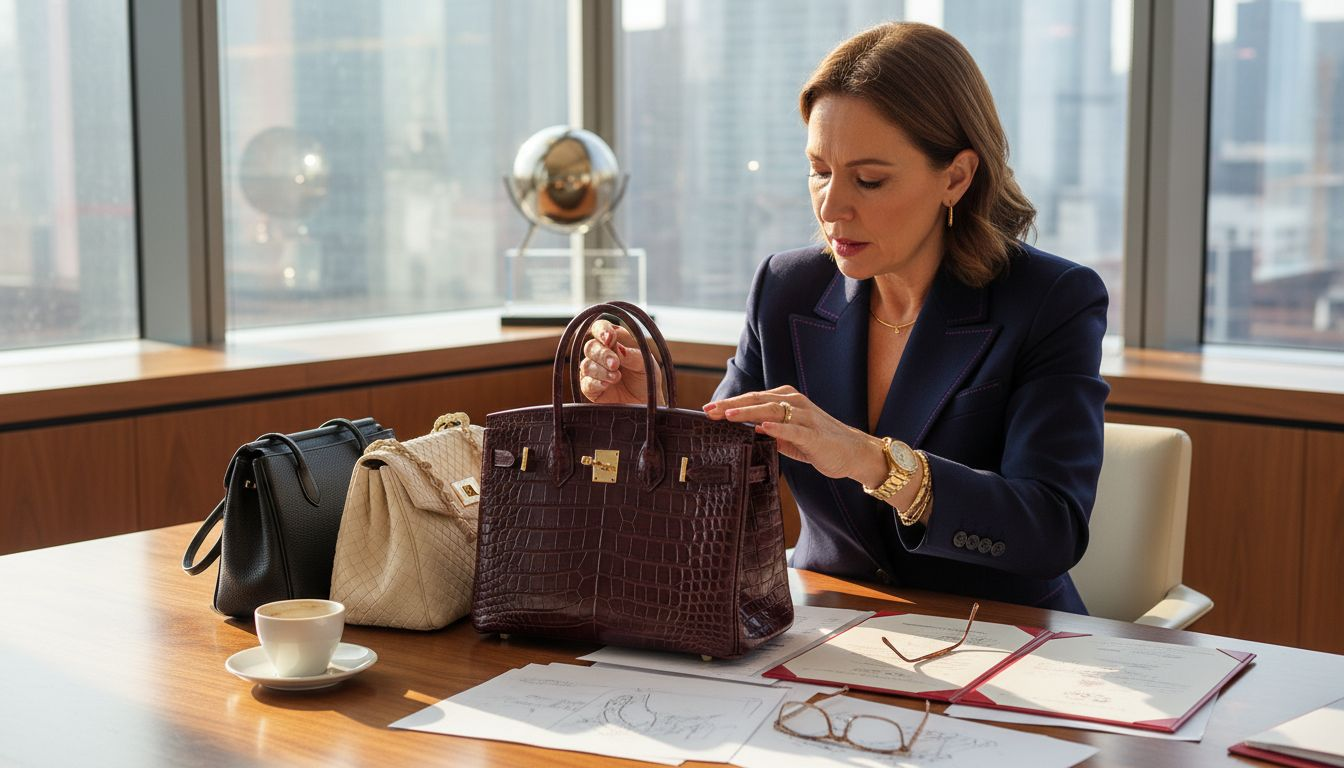
A striking Hermès bag on your arm is more than a statement of style—it can be a serious investment when true rarity and authenticity come together. For women who value exclusivity and demand concrete returns, rare handbag investments merge the worlds of luxury and financial strategy. This guide highlights how sophisticated collectors navigate common misconceptions, focusing on craftsmanship, market trends, and verified authenticity to distinguish true investment-grade pieces from everyday designer labels.
Table of Contents
- Defining Rare Handbag Investments And Misconceptions
- Types Of Rare Handbags And Market Variations
- What Drives Handbag Value Appreciation
- Authentication And Authenticity Guarantees
- Financial Risks, Tax Implications, And Exit Strategies
Key Takeaways
| Point | Details |
|---|---|
| Understanding Investment Potential | Rare handbags must possess unique characteristics like limited production and exceptional craftsmanship to qualify as true investments. |
| Authentication is Essential | Seeking professional verification ensures the handbag’s legitimacy, preserving its value and potential for resale. |
| Market Dynamics Influence Value | Factors such as brand legacy, historical significance, and controlled scarcity drive appreciation in luxury handbags. |
| Financial Risks and Strategies | Investors should navigate market volatility and authentication costs while maintaining comprehensive documentation to optimize resale potential. |
Defining Rare Handbag Investments and Misconceptions
Rare handbag investments represent a sophisticated financial strategy that extends far beyond simple fashion acquisitions. Luxury product exclusivity research reveals that true rarity fundamentally transforms how consumers perceive value, creating a nuanced marketplace where emotional and functional considerations intersect.
Understanding rare handbag investments requires distinguishing between genuine collectible pieces and mere trendy accessories. Key characteristics that define a rare handbag investment include:
- Limited production quantities
- Exceptional craftsmanship
- Historical significance
- Brand provenance
- Pristine condition
- Unique material composition
Contrary to popular misconceptions, not every expensive handbag qualifies as an investment-grade asset. Serious collectors recognize that investment-grade handbags must possess verifiable authenticity, documented lineage, and demonstrable market appreciation potential.
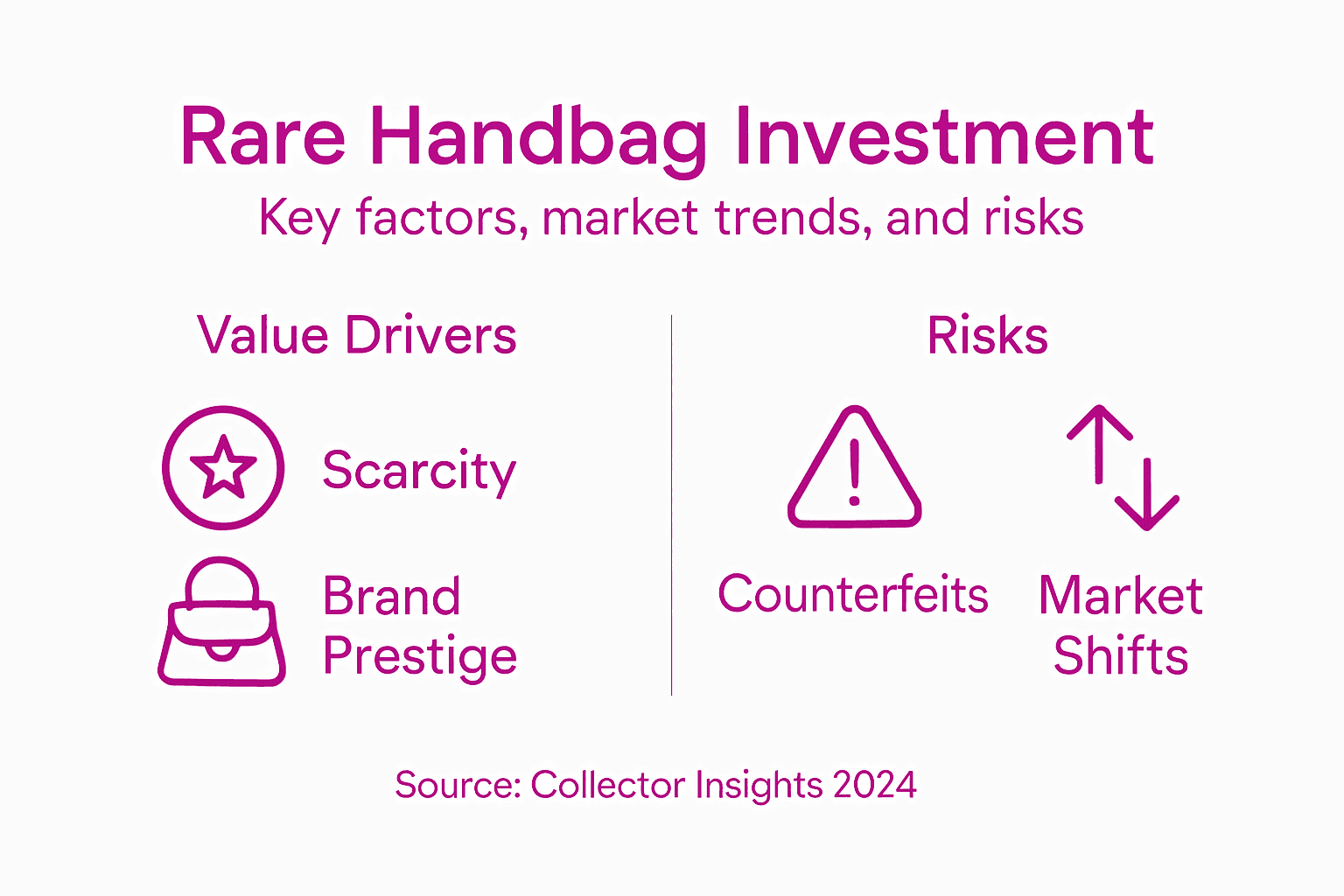
The luxury handbag investment landscape is complex, with value driven by multiple interconnected factors. Some collectors mistakenly believe that high price tags automatically translate to investment potential. However, true rarity demands more sophisticated evaluation, considering aspects like design heritage, brand reputation, and global demand trends.
Pro tip: Always authenticate luxury handbags through professional verification services and maintain original packaging to preserve potential investment value.
Types of Rare Handbags and Market Variations
In the world of luxury collectibles, handbag investments represent a nuanced market with substantial variation. Hermès handbag diversity research reveals multiple categories of rare bags that significantly impact investment potential, highlighting how specific models can command extraordinary value.
Hermès offers several iconic rare handbag types that serious collectors prioritize:
- Kelly Bag: Structured design with elegant top-handle
- Birkin Bag: Legendary status with extreme exclusivity
- Constance Bag: Compact shoulder design with distinctive H-clasp
- Roulis Bag: Understated elegance with minimalist construction
- Garden Party Bag: Versatile tote with sophisticated craftsmanship
Market variations depend on multiple critical factors including material composition, production quantity, and global demand trends. Exotic leather bags like those crafted from crocodile or ostrich skin typically represent the pinnacle of investment-grade collectibles, often appreciating dramatically faster than standard leather models.
Investment potential fluctuates based on intricate market dynamics. Vintage pieces, limited editions, and bags with extraordinary provenance can dramatically outperform standard luxury accessories. Serious collectors meticulously evaluate each piece’s potential through comprehensive condition assessment, brand reputation, and historical market performance.
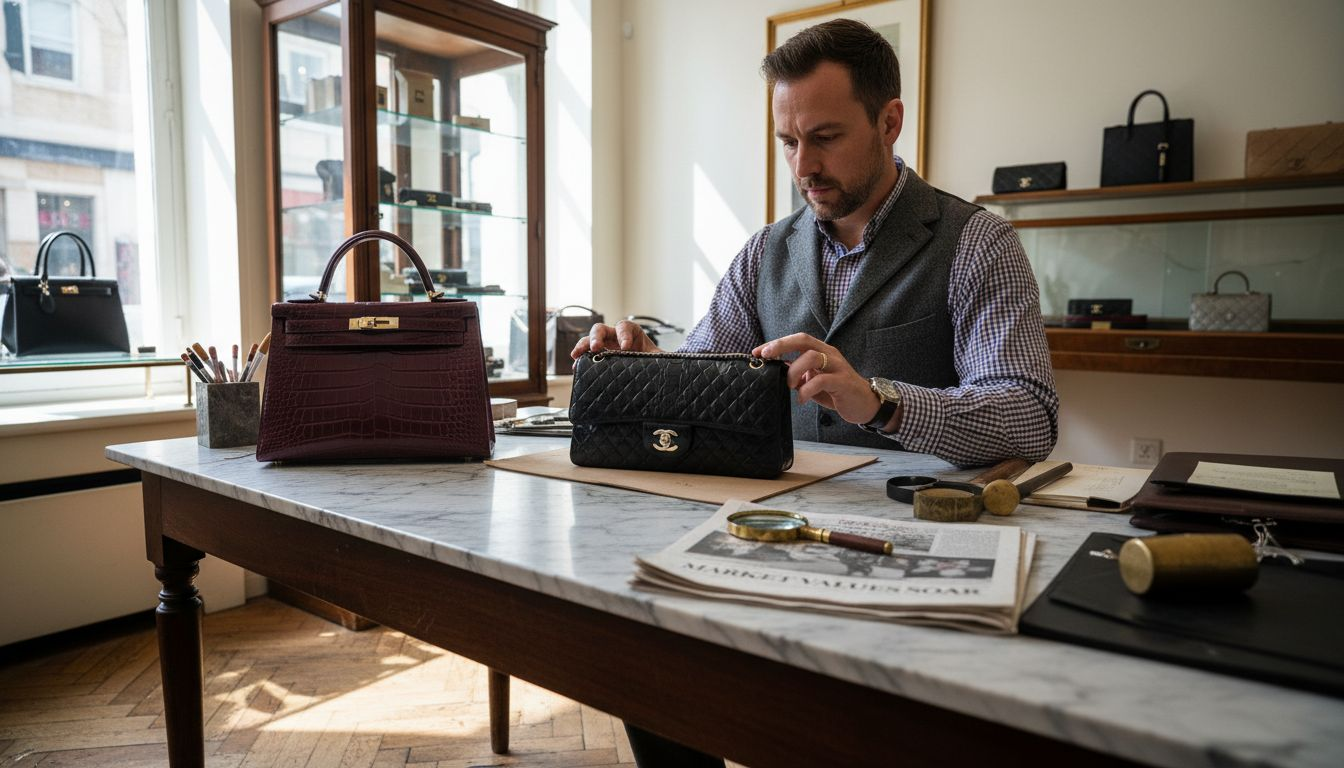
To clarify how different Hermès rare handbags appeal to collectors, here’s a feature comparison:
| Model | Unique Characteristic | Collector Appeal |
|---|---|---|
| Kelly Bag | Elegant top-handle design | Timeless sophistication |
| Birkin Bag | Iconic exclusivity | Status symbol, high demand |
| Constance Bag | Distinctive H-clasp | Modern, compact style |
| Roulis Bag | Minimalist construction | Understated luxury |
| Garden Party Bag | Versatile, spacious tote | Everyday investment piece |
Pro tip: Document every purchase with professional authentication certificates and maintain pristine storage conditions to maximize potential future resale value.
What Drives Handbag Value Appreciation
Luxury handbag investments represent a sophisticated asset class where multiple intricate factors converge to drive value appreciation. Luxury consumer value research demonstrates that perceived exclusivity dramatically influences market dynamics, transforming these accessories from mere fashion items into serious investment vehicles.
Key drivers of handbag value appreciation include:
- Controlled Scarcity: Limited production quantities
- Brand Legacy: Prestigious manufacturer reputation
- Craftsmanship Quality: Exceptional material and construction standards
- Historical Significance: Unique design or cultural provenance
- Market Demand: Global collector interest and trends
The most compelling aspect of handbag investments lies in their ability to appreciate consistently. Retail price trajectories play a crucial role, with brands like Hermès demonstrating remarkable value retention. Vintage and rare models often outperform standard luxury accessories, with auction records showing substantial appreciation potential for meticulously maintained pieces.
Economic factors and collector dynamics create a complex ecosystem where investment-grade handbags emerge as alternative assets. Exotic leather variations, limited editions, and bags with extraordinary provenance can command exponential returns, making them attractive options for sophisticated investors seeking diversification beyond traditional financial instruments.
Pro tip: Prioritize authentication, maintain original packaging, and document purchase history to maximize potential future investment returns.
Authentication and Authenticity Guarantees
Handbag authentication represents a critical cornerstone of luxury investment strategies. Professional verification methods provide essential validation for investors, ensuring the legitimacy and potential value of high-end collectible accessories.
Comprehensive authentication involves multiple critical verification stages:
- Material Inspection: Examining leather, hardware, and construction quality
- Serial Number Verification: Cross-referencing manufacturer records
- Provenance Documentation: Tracing ownership and original purchase history
- Expert Physical Examination: Detailed analysis of stitching, logo placement, and craftsmanship
- Digital Authentication Technologies: Advanced scanning and verification techniques
Authentic luxury handbags require meticulous evaluation beyond surface-level assessments. Sophisticated collectors understand that true authentication demands comprehensive expertise, involving forensic-level analysis of materials, construction techniques, and brand-specific manufacturing nuances. Professional authentication services employ expert craftsmen who can detect even the most subtle discrepancies that might indicate counterfeit production.
The financial implications of authentication extend far beyond initial verification. A thoroughly authenticated handbag can command significantly higher resale values, with documented provenance serving as a critical factor in maintaining investment potential. Serious collectors treat authentication as an essential investment protection strategy, recognizing that verifiable authenticity directly correlates with long-term financial value.
Pro tip: Always request and preserve complete authentication documentation, including detailed inspection reports and original certificates, to protect your investment’s credibility and potential resale value.
Financial Risks, Tax Implications, and Exit Strategies
Navigating the complex landscape of luxury handbag investments requires a strategic approach to understanding potential financial risks and opportunities. Luxury collectible investment research reveals multiple nuanced considerations that sophisticated investors must carefully evaluate before committing capital.
Key financial risks in handbag investments include:
- Market Volatility: Unpredictable demand fluctuations
- Liquidity Challenges: Potential difficulties in rapid asset conversion
- Authentication Expenses: Ongoing verification and expert assessment costs
- Condition Preservation: Substantial maintenance and storage investments
- Global Economic Impacts: Shifting luxury market dynamics
Tax implications represent another critical dimension of handbag investments. Capital gains considerations vary significantly across jurisdictions, with potential liabilities depending on sale profits, holding periods, and local tax regulations. Serious collectors must consult financial professionals to understand complex reporting requirements and potential tax optimization strategies.
Exit strategies demand meticulous planning and sophisticated market understanding. Successful investors develop multifaceted approaches including auction sales, private collector networks, specialized resale platforms, and strategic timing to maximize potential returns. The most effective strategies integrate comprehensive market research, authentication documentation, and an intimate understanding of collector preferences and emerging luxury market trends.
Here is a summary of potential financial risks and strategic considerations for handbag investors:
| Risk/Consideration | Impact on Investment | Recommended Action |
|---|---|---|
| Market Volatility | Unpredictable resale prices | Diversify and monitor trends |
| Liquidity Challenges | Difficult to sell quickly | Use trusted resale platforms |
| Authentication Costs | Higher upfront expenses | Plan for ongoing verification |
| Tax Implications | Variables affecting net returns | Consult tax professionals |
| Detailed Documentation | Essential for resale and taxes | Maintain thorough records |
Pro tip: Maintain comprehensive documentation, including original purchase receipts, authentication certificates, and detailed condition reports to optimize your potential resale value and minimize tax complications.
Elevate Your Investment Strategy with Authentic Rare Handbags
Investing in rare handbags demands more than passion It requires access to authentic collectible pieces with verified provenance and exclusivity factors like limited editions and exotic leathers that drive value appreciation At BVPrive we understand the critical importance of genuine authentication and pristine condition for serious collectors seeking to maximize returns through luxury investments

Discover our curated selection featuring iconic models such as Birkin and Kelly bags that merge timeless sophistication with exceptional craftsmanship. Act now to secure your position in a market where rarity meets reliability Explore our authentic inventory today and enjoy VIP personal shopping services along with tax-free global delivery. Begin your luxury investment journey with confidence by visiting BVPrive’s exclusive collection. Your next valuable asset is just a click away.
Frequently Asked Questions
What are the key characteristics that define a rare handbag investment?
Key characteristics include limited production quantities, exceptional craftsmanship, historical significance, brand provenance, pristine condition, and unique material composition.
How does the authenticity of a handbag affect its investment potential?
Authenticity is critical for investment potential, as a thoroughly authenticated handbag can command significantly higher resale values. It ensures legitimacy and helps maintain the handbag’s long-term financial value.
What drives the value appreciation of rare handbags?
Value appreciation is driven by factors such as controlled scarcity, brand legacy, craftsmanship quality, historical significance, and market demand. These elements collectively influence how much a handbag can increase in value over time.
What are some common financial risks associated with investing in rare handbags?
Common risks include market volatility, liquidity challenges, ongoing authentication expenses, the need for condition preservation, and global economic impacts that can affect luxury market dynamics.