


Why Choose Authentic Designer Bags: Value, Trust, and Impact
BVPRIVE Editorial Team on 25th Jan 2026
Why Choose Authentic Designer Bags: Value, Trust, and Impact
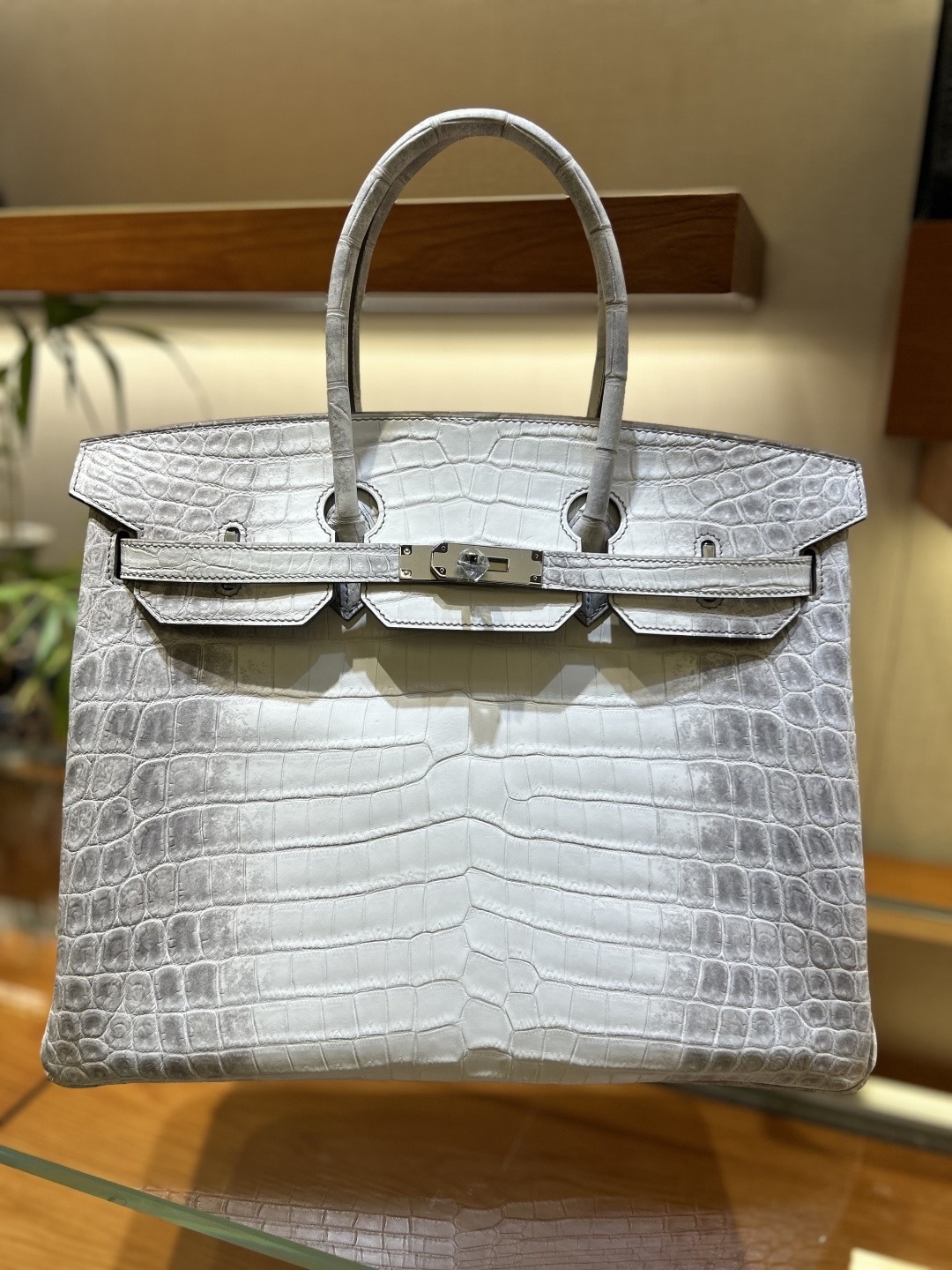
Owning an authentic Hermès, Chanel, or Louis Vuitton handbag goes far beyond fashionable accessorizing. For affluent collectors and global style connoisseurs, these coveted bags offer a blend of enduring craftsmanship, heritage, and investment potential unmatched by imitations. As counterfeits become more sophisticated, understanding what sets a real designer bag apart safeguards your capital and reputation while elevating your collection to a level of true exclusivity.
Table of Contents
- Authentic Designer Bags Defined And Debunked
- Iconic Designer Brands And Key Models
- Materials, Craftsmanship, And Verification Standards
- The Financial And Emotional Value Of Authenticity
- Risks Of Counterfeits And Safe Purchasing Practices
- Comparing Authentic Bags With Alternatives
Key Takeaways
| Point | Details |
|---|---|
| Authenticity Matters | Authentic designer bags represent significant investments due to their quality, craftsmanship, and appreciation potential over time. |
| Know Your Brands | Understanding the distinctive characteristics of luxury brands aids in making informed purchasing decisions aligned with your collecting goals. |
| Authenticate Before You Buy | Always seek detailed authentication documentation and provenance history when purchasing luxury handbags to avoid counterfeits. |
| Consider Long-Term Value | Authentic bags hold or appreciate in value, while replicas and alternative brands depreciate rapidly, making authenticity non-negotiable for serious collectors. |
Authentic Designer Bags Defined and Debunked
Authenticating luxury designer handbags means understanding what separates genuine investments from clever imitations. Authentic designer bags are handbags produced by recognized luxury fashion houses like Hermès, Chanel, Louis Vuitton, and Fendi under rigorous quality control standards. These bags represent far more than fashion statements. They embody decades of craftsmanship traditions, use of premium materials, and precise engineering that simply cannot be replicated at lower price points. When you purchase an authentic piece, you’re acquiring a tangible asset backed by heritage, scarcity, and uncompromising standards.
What sets authentic designer bags apart from counterfeits comes down to the details most people never examine. Genuine luxury handbags feature unique design elements and precise stitching alongside brand-specific markers like serial stamps, hardware engravings, and material certifications. The leather itself tells a story. A Hermès Birkin uses full-grain calfskin or exotic skins that age beautifully over decades, developing character and patina that synthetic materials simply cannot match. The weight of an authentic bag feels substantial. The zippers glide smoothly. The stitching remains uniform across every seam. Counterfeits cut corners on these invisible elements because the cost of authentic materials and labor processes would eliminate their profit margins. A fake Chanel 2.55 might fool someone at a glance, but five minutes of hands-on inspection reveals the truth in how the chain sits, how the leather feels, and how the interlocking CC logo aligns.
The stakes of ownership extend beyond aesthetics into financial territory. Authenticated designer bags function as financial assets that appreciate or at minimum hold value over time. Collectors understand that a limited-edition Hermès Kelly in exotic leather or a vintage Fendi Baguette can sell for significantly more years later, particularly if documented through verified authenticity channels. This investment potential vanishes entirely with counterfeit merchandise, which loses value immediately and legally exposes you to risks of confiscation at customs or sale complications. Verifying authenticity through trusted sellers and proper authentication services protects both your capital and your reputation as a discerning collector. The difference between purchasing from reputable sources with documentation and buying from questionable channels represents the line between building a valuable collection and accumulating expensive mistakes.
Pro tip: Always request detailed authentication documentation, provenance history, and serial number verification before committing to any purchase, regardless of price or perceived condition of the seller.
Iconic Designer Brands and Key Models
The hierarchy of luxury handbag ownership begins with understanding which brands define the category and which specific models represent the pinnacle of collectability. Hermès stands alone as the apex of exclusivity. The Birkin and Kelly bags are not merely handbags but objects of cultural significance and investment. A Hermès Birkin in exotic leather can appreciate 10-15% annually, with certain rare colors and skins commanding six-figure price tags at auction. Chanel’s 2.55 and Classic Flap maintain unwavering demand across decades because they transcend trend cycles. The interlocking CC logo and quilted leather design remain instantly recognizable worldwide. Louis Vuitton’s Speedy and Pochette Métis represent accessible entry points into the luxury market without sacrificing heritage or resale value. Fendi’s Baguette experienced a modern resurgence after appearing in “Sex and the City,” demonstrating how iconic designs retain cultural relevance across generations. Christian Dior’s Book Tote and Saddle bag appeal to collectors seeking contemporary silhouettes with artistic collaborations and seasonal variations.
Each brand maintains distinct characteristics that appeal to different collector philosophies. Hermès prioritizes scarcity and craftsmanship, with waitlists extending years for sought-after models. You may invest in a Birkin today fully knowing the waiting period for a Kelly might span 24 months. The brand produces limited quantities intentionally, preserving exclusivity and resale demand. Chanel emphasizes timeless elegance through consistent design evolution. The Classic Flap receives color and material updates seasonally while maintaining structural integrity. Louis Vuitton balances heritage with innovation, releasing capsule collections through renowned designers. Fendi experiments with boldness through pattern mixing and unconventional materials. Understanding these brand philosophies helps collectors align purchases with personal collecting goals and investment expectations.
Models within each brand hierarchy carry different investment trajectories. The Hermès Birkin in 25cm size with taurillon leather represents the “safest” investment because demand remains consistent. A Chanel Classic Flap Medium in black caviar with gold hardware occupies a similar position. Limited edition pieces introduce volatility but significantly higher appreciation potential. A seasonal Hermès Birkin in limited exotic leather from a particular year might appreciate 30-40% within five years. Fendi’s Peekaboo in rare materials achieves similar returns. The key distinction separates evergreen models that maintain steady value from limited releases that require perfect market conditions for profitable exit. Smart collectors build foundations with timeless pieces, then selectively add limited editions for portfolio growth.
When acquiring from curated luxury boutiques, you gain access to models across multiple brands with verified provenance and authentication guarantees. The advantage of established retailers extends beyond selection into confidence that your investment receives proper documentation and future service support. Each model carries its own authentication markers, production timeline details, and market trajectory that professional sellers understand intimately.
Pro tip: Start your collection with timeless evergreen models in neutral colorways and classic materials, then gradually introduce limited editions and seasonal pieces as you develop expertise in identifying investment potential versus passing trends.
Here’s a comparison of major luxury handbag brands and their most iconic investment models:
| Brand | Signature Model | Investment Appeal | Resale Value Trend |
|---|---|---|---|
| Hermès | Birkin/Kelly | Extreme exclusivity | Steady or sharp appreciation |
| Chanel | Classic Flap/2.55 | Timeless elegance | Consistent year-over-year gains |
| Louis Vuitton | Speedy/Pochette Métis | Entry-level heritage | Reliable value retention |
| Fendi | Baguette/Peekaboo | Modern collector appeal | Resurgent with rare materials |
| Dior | Saddle Book Tote | Contemporary artistry | Variable, strong in collaborations |
Materials, Craftsmanship, and Verification Standards
The foundation of authentic luxury handbags rests entirely on material quality and the execution of craftsmanship standards that counterfeiters cannot replicate economically. Authentic designer bags feature supple full-grain leather that develops character over time, not the plastic-like synthetic materials found in fakes. Run your fingers across genuine Hermès leather and you feel the natural grain patterns, slight irregularities, and suppleness that come from properly tanned hides. Exotic skins like crocodile, alligator, and ostrich demand expertise in sourcing and working with materials that cost ten times more than standard leather. A single Hermès Birkin in Niloticus crocodile requires skin from one specific crocodile, explaining why these bags command $40,000 to $100,000 price points. The leather of an authentic Chanel Classic Flap has weight and substance. It develops a patina over years of use. A counterfeit uses thin, uniform leather that never changes regardless of age or handling.
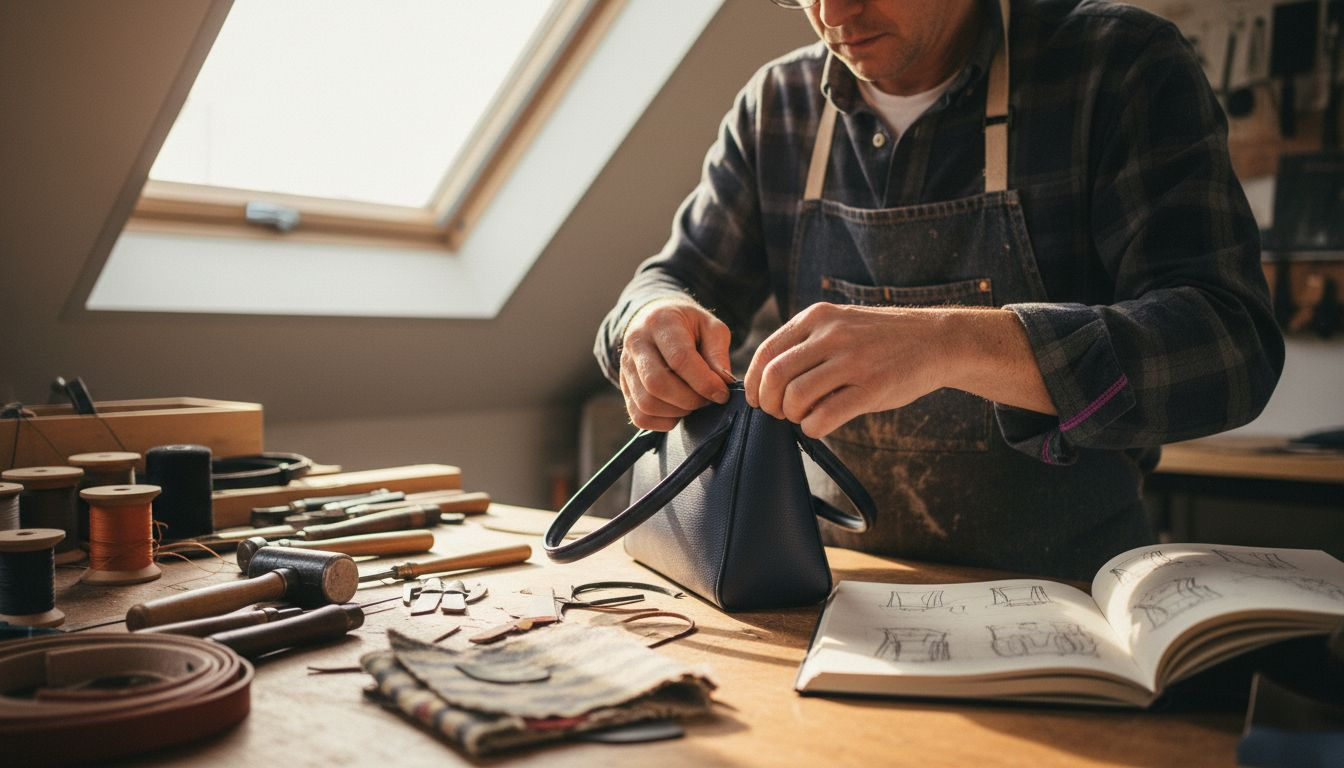
Craftsmanship verification extends far beyond what the eye initially catches. Stitching precision, hardware weight, and engraving quality represent the trinity of authentication markers that reveal authentic construction methods. On a genuine Chanel bag, every stitch measures exactly 2 millimeters in spacing. The thread tension remains uniform across thousands of stitches. A counterfeiter cannot maintain this precision at the price points that keep their business profitable. Hardware on authentic bags uses zinc alloy, gold plating, or solid gold depending on the brand and model. Counterfeit hardware feels cheap, bends easily, and the engravings appear shallow or misaligned. A real Hermès lock engraving shows sharp, clean lines. The letter stamps press deeply into the hardware. On a fake, the engravings look scratched, uneven, or poorly centered. Examine the leather texture and smell by conducting leather assessment checks that reveal tanning methods and material composition through sensory evaluation.
Authentication also requires understanding brand-specific manufacturing details across different production eras. A Chanel 2.55 made in 1999 carries different internal markings than one produced in 2010. Serial number formatting changed. Logo alignment evolved. Leather suppliers rotated. Collectors who understand these timelines spot inconsistencies immediately. A counterfeit might use current-era materials with vintage-style serial numbers, creating an obvious fraud. Genuine Hermès bags include specific date codes that reference the year and workshop where production occurred. A Kelly bag from 1985 has completely different construction markers than a 2015 production. This historical knowledge prevents purchasing fakes marketed as vintage rarities. Professional authentication services maintain databases tracking these evolution timelines, cross-referencing production records with physical bag characteristics.
The verification process separates serious collectors from casual buyers. Logos should maintain perfect proportions. Stitching patterns follow established codes. Interior labels and stamps remain crisp and properly positioned. The weight of the bag reflects authentic material density. When doubt exists, professional authentication services provide detailed analysis with photographic documentation proving authenticity claims or identifying counterfeits.
Pro tip: Request detailed close-up photographs of serial numbers, hardware engravings, stitching patterns, and interior stamps before purchasing, then cross-reference these images against brand-specific manufacturing timelines for your production year.
The Financial and Emotional Value of Authenticity
Authentic luxury handbags operate simultaneously as financial instruments and emotional anchors in ways that counterfeit merchandise simply cannot replicate. The financial argument proves straightforward. A Hermès Birkin purchased at retail for $12,000 five years ago now commands $16,000 to $18,000 on the secondary market. A limited-edition Chanel in exotic leather from 2015 appreciates consistently year over year. These are not speculative investments but documented market realities tracked across auction houses and resale platforms. Counterfeit bags depreciate immediately to worthlessness. An inauthentic “Hermès” loses every cent the moment you realize its true nature. The financial security of authentic ownership protects your capital while providing utility. You use the bag. It ages beautifully. Years later you sell it for more than you paid. This trajectory defines intelligent luxury consumption.
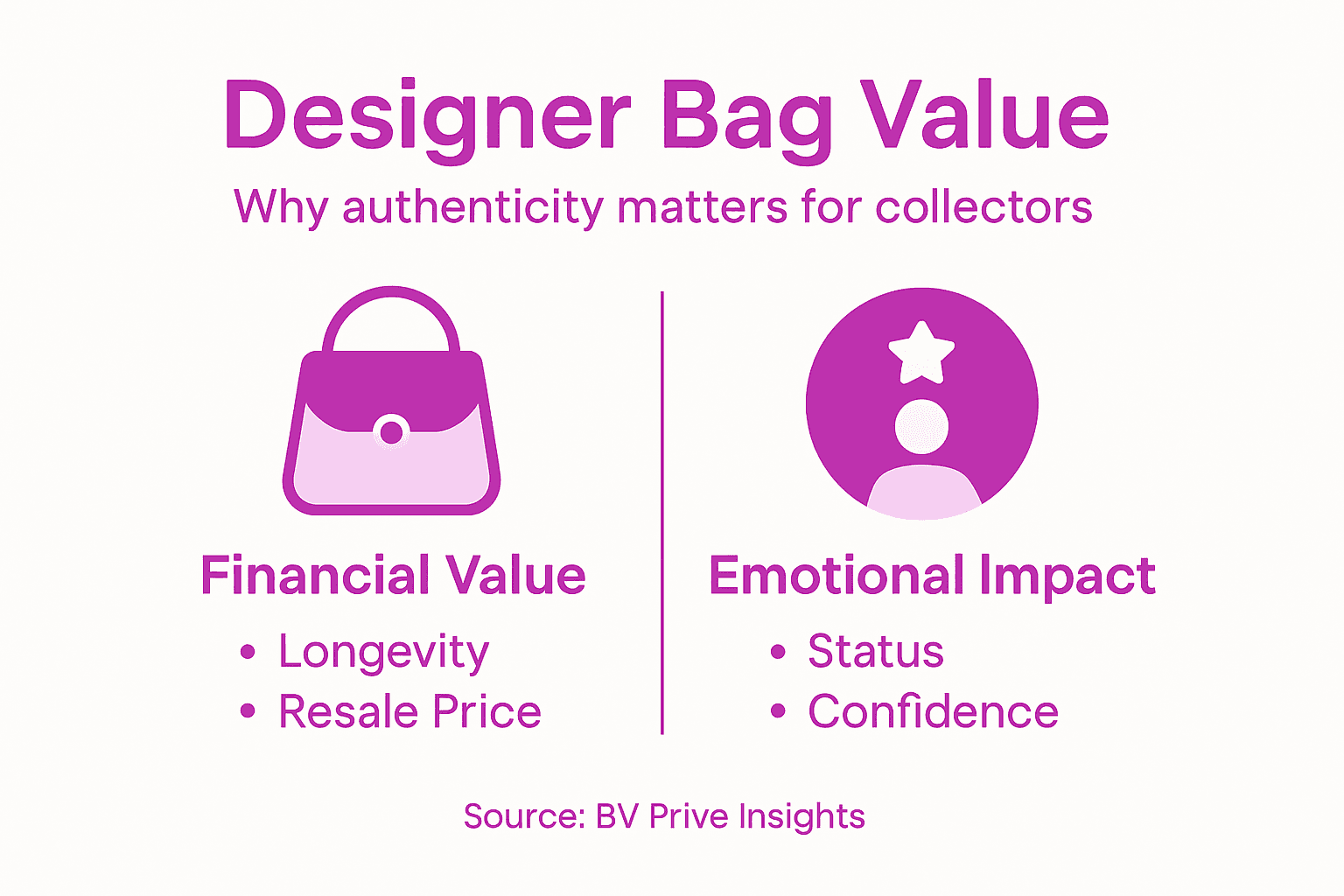
Beyond spreadsheets and resale prices sits the emotional architecture that sustains authentic collecting. Luxury designer bags satisfy emotional needs including status, self-identity, and social recognition, creating psychological connections that drive rational decision-making around the high costs involved. When you carry a genuine Hermès Kelly, you experience the weight of the leather, the precision of the stitching, the confidence that comes from owning something truly exceptional. This feeling cannot be manufactured or counterfeited. A fake bag generates anxiety. You worry about detection. You question your purchase. Every compliment feels potentially dangerous because you know the truth underneath. An authentic bag generates quiet confidence. You know the story behind it. You understand the craftsmanship. You feel connected to decades of tradition and exclusivity. This emotional satisfaction justifies the investment because it transcends the bag itself.
The concept of rarity reinforcing status symbolism explains why limited editions command premium prices. A Hermès Birkin in standard colors remains valuable. A Birkin in a retired exotic leather from a single production year becomes a cultural artifact. Only 200 bags might exist globally in that specific combination. Owning one positions you within an elite group of collectors. This exclusivity creates emotional value that compounds over time. Your collection tells a story of discernment and access. New collectors entering the market cannot simply purchase their way into these circles because the limited pieces have already found homes among established collectors. This rarity dynamic ensures that authentic limited editions appreciate while mass-produced counterfeits flood markets and lose value.
Authentic ownership also protects your reputation and social standing. Collectors talk. Dealers recognize pieces. Your choices in bags reflect your judgment, your taste, your authenticity as a person. Arriving at an exclusive event with a counterfeit risks not just embarrassment but exclusion from future opportunities within collector communities. Authentic pieces open doors. They signal that you understand value. You respect quality. You make informed decisions. This social capital cannot be quantified financially but influences your access to rare pieces, dealer relationships, and collector networks that sustain long-term collecting success.
Pro tip: Document your collection with detailed photographs, purchase receipts, and authentication certificates stored in a secure location, creating an undeniable record of ownership that facilitates future sales and insurance claims while protecting your investment legacy.
Risks of Counterfeits and Safe Purchasing Practices
Counterfeit luxury handbags represent far more than a consumer problem. They undermine the exclusivity that defines authentic brands while exposing buyers to tangible risks of quality failure, legal complications, and financial loss. A counterfeit bag might look acceptable in photographs but fail catastrophically within weeks of use. The stitching unravels. The hardware tarnishes. The leather cracks and peels. You cannot return it. You cannot claim warranty protection. You simply lose your money. More seriously, some counterfeit operations use toxic materials in tanning processes or apply heavy metals in hardware plating that can cause skin reactions or allergic responses. You are wearing something potentially hazardous believing it carries the safety standards of a luxury brand. The legal exposure extends beyond personal use. Purchasing counterfeit goods knowingly violates intellectual property laws in most countries. Customs officials can seize packages containing fake merchandise. You could face fines or legal action depending on jurisdiction and quantity. This is not a minor risk for serious collectors.
Understanding how counterfeit prevalence operates helps you recognize vulnerability points. Counterfeit luxury handbags flood online marketplaces, social media, and street markets because the profit margins dwarf legitimate retail. A criminal enterprise produces a Chanel replica for $150 and sells it for $800, generating 433% margins. A legitimate Chanel retailer makes perhaps 40% margins on authentic pieces. The economics incentivize counterfeiting aggressively. Websites claiming to offer discounted authentic bags almost certainly sell counterfeits. If a Hermès Birkin sells for $4,000 when retail is $12,000, something is fundamentally wrong. Authentic designer bags rarely discount significantly because scarcity supports full pricing. Watch for red flags in seller behavior. Legitimate dealers maintain consistent inventory, verifiable business histories, and transparent return policies. Suspicious sellers use high-pressure tactics, refuse detailed photographs, demand wire transfers, or operate through multiple disposable accounts. Awareness of counterfeit prevalence combined with seller vigilance dramatically reduces deception risks and buyer’s remorse.
Safe purchasing practices start with understanding your emotional drivers in luxury buying. Many collectors admit to purchasing from questionable sources because they experienced emotional urgency. A specific bag appeared. The price seemed negotiable. Fear of missing out overwhelmed judgment. Pause. Ask yourself whether you would accept this same seller through legitimate channels. If not, the risk is not worth it. Research sellers obsessively. Verify business registration. Read reviews across multiple platforms. Request authentication certificates from independent services before committing funds. Establish personal relationships with reputable dealers who stake their reputation on authenticity. These relationships take time to build but provide access to rare pieces and genuine peace of mind. Never purchase anything you cannot inspect in person or have professionally authenticated before payment. The money you save buying questionable merchandise pales against the financial and emotional cost of discovering fraud after purchase.
Pro tip: Build relationships with one or two trusted dealers you have verified thoroughly, even if their prices run higher than online alternatives, because their expertise, authentication guarantees, and willingness to stand behind purchases provide protection that discounted sources cannot match.
Comparing Authentic Bags With Alternatives
The decision to invest in authentic designer bags versus alternatives comes down to understanding what you actually receive for your money and what happens to that investment over time. Replicas and knockoffs offer superficial appeal through aesthetic similarity at dramatically lower price points. A replica Hermès Birkin might cost $200 to $500, creating the illusion of access to luxury. This logic crumbles within months. The leather deteriorates. The stitching fails. The hardware oxidizes. You replace the bag repeatedly, spending $500 plus $500 plus $500 over years, ultimately investing $1,500 into disposable merchandise while an authentic Birkin purchased once retains or appreciates in value. The alternative bags lack the durability and exclusivity that define authentic luxury. More importantly, replicas lack resale value entirely. You cannot recover any capital. An authentic bag functions as a wearable asset. A counterfeit functions as consumable fashion that evaporates financially the moment you lose interest.
Some collectors consider purchasing less expensive authentic bags from accessible luxury brands as middle-ground alternatives. A Coach or Michael Kors bag costs significantly less than Hermès or Chanel while offering genuine craftsmanship and resale potential. This strategy makes sense for building initial collections or exploring personal style preferences before committing capital to premium pieces. Coach bags hold value reasonably well on secondary markets. They feature quality leather and construction standards. However, they appreciate minimally compared to heritage luxury brands. A $500 Coach bag might resell for $250 after five years of use. A $3,000 Chanel from the same period resells for $3,500 to $4,000. The appreciation mathematics favor premium authenticity. Additionally, evaluating longevity and value retention across bags reveals that contemporary designs from established luxury houses outperform trendy pieces from accessible brands. The Hermès Classic Kelly designed in 1935 remains relevant. The Coach design from 2015 feels dated. Heritage matters financially.
The comparison between authentic and alternative handbags ultimately reflects different life philosophies around consumption. If you view bags as temporary fashion statements, alternatives make mathematical sense despite their poor value retention. If you view bags as long-term investments and status symbols, authenticity becomes non-negotiable. Serious collectors universally choose authenticity because replicas and knockoffs lack the durability and exclusive resale value that position authentic bags as enduring assets rather than depreciating purchases. One authentic bag worn for decades beats five cheap alternatives worn and discarded. One Hermès Kelly appreciated to $20,000 exceeds the combined value of twenty $1,000 alternative bags that lost $800 each. The math tells the story. The authentic bag wins financially, emotionally, and practically across every meaningful metric.
Pro tip: When tempted by lower-cost alternatives, calculate the total cost of ownership across five years including potential replacements and maintenance, then compare that figure against a single authentic bag’s resale value to visualize the true financial advantage of authentic investment.
Below is a summary of key differences between authentic designer bags, accessible luxury, and replicas:
| Type | Quality & Materials | Value Over Time | Collector Status |
|---|---|---|---|
| Authentic Designer Bags | Premium leather & hardware | Appreciates or holds value | High, recognized globally |
| Accessible Luxury Bags | Good, but less exclusive | Minor resale potential | Casual, starter collections |
| Replicas/Knockoffs | Inferior, synthetic | Rapid depreciation | Not respected or traded |
Discover True Value and Trust with Authentic Designer Bags
The article highlights the critical challenge of distinguishing genuine luxury handbags from counterfeits that lack quality, emotional satisfaction, and investment potential. If you seek to build a collection that holds or appreciates value through authentic pieces like Hermès Birkins, Chanel 2.55, or limited-edition exotic leathers, trust and verified authenticity are paramount. Avoid the costly pitfalls of replicas and instead embrace craftsmanship, exclusivity, and heritage that only true luxury brands provide.
At BV Prive, we specialize in offering a curated selection of authentic, rare, and collectible designer handbags from the world’s most prestigious brands. With our rigorous authentication processes, you gain peace of mind knowing every piece meets the highest standards of material and craftsmanship. Whether you desire timeless classics or sought-after limited editions, our platform supports your goal of secure luxury investment and emotional satisfaction.
Elevate your collection with confidence.
Browse our exclusive selection today at BV Prive and experience tax-free worldwide delivery along with VIP personal shopping services. Start your journey toward owning luxury that truly lasts. Visit BV Prive now to secure your next authentic designer bag.
Frequently Asked Questions
What defines an authentic designer bag?
Authentic designer bags are produced by recognized luxury fashion houses, adhering to strict quality control standards. They represent decades of craftsmanship and premium materials, making them both fashion statements and valuable investments.
Why should I invest in authentic designer bags instead of replicas or knockoffs?
Investing in authentic designer bags ensures long-term value, as they tend to appreciate over time, whereas replicas depreciate immediately. Authentic bags also provide emotional satisfaction and social recognition, enhancing your status as a discerning collector.
How can I verify the authenticity of a designer bag?
To verify a bag’s authenticity, examine unique design elements like stitching precision, hardware quality, and serial number formatting. Additionally, requesting detailed documentation and using professional authentication services can help ensure you’re purchasing a genuine item.
What are the risks associated with purchasing counterfeit designer bags?
Purchasing counterfeit designer bags can lead to quality failures, financial loss, and legal complications. These fakes tend to deteriorate quickly, lack resale value, and may expose you to health risks from inferior materials used in their production.