


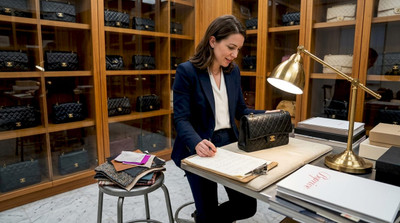
What is a collectible Chanel? Expert guide 2026
BVPRIVE Editorial Team on 19th Mar 2026
What is a collectible Chanel? Expert guide 2026
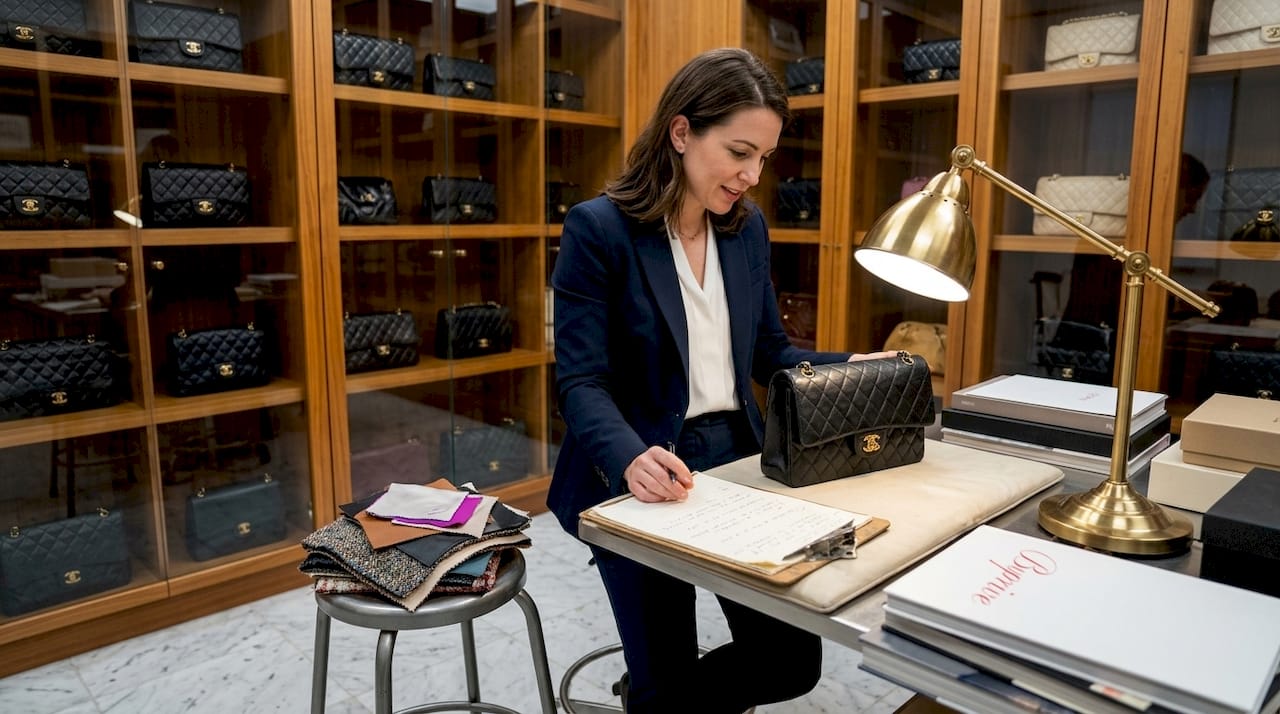
Not every Chanel bag or jewelry piece qualifies as collectible, despite the brand’s prestige. True collectible Chanel items combine rarity, exceptional craftsmanship, and historical significance with documented provenance. This guide reveals which Chanel pieces command premium prices at auction, the specific factors that drive their value, and proven authentication methods collectors use to verify authenticity. You’ll discover why certain handbags appreciate over 1000% while others merely hold retail value, and learn practical strategies to identify investment-worthy pieces in 2026’s competitive luxury market.
Table of Contents
- What Makes A Chanel Item Collectible? Key Types And Examples
- Value Drivers: Rarity, Condition, Materials, And Provenance
- How To Authenticate Collectible Chanel Bags And Jewelry
- Why Collectible Chanel Items Are A Smart Investment In 2026
- Explore Authentic Collectible Chanel Items With Bvprive
- Frequently Asked Questions
Key takeaways
| Point | Details |
|---|---|
| Collectible categories | Vintage handbags like Classic Flap and 2.55 Reissue, plus rare jewelry from 1920s-1960s command highest values. |
| Value drivers | Rarity, pristine condition, exotic materials, provenance, and era-specific hardware determine collectibility and price. |
| Authentication essentials | Serial numbers, hardware engravings, RFID chips post-2021, and era-specific stamps verify genuine collectible pieces. |
| Investment potential | Classic Flaps retain 85-92% retail value while vintage pieces appreciate from $1,000 to over $11,000. |
What makes a Chanel item collectible? Key types and examples
Collectible Chanel items fall into distinct categories that consistently perform well at auction and in secondary markets. Understanding these categories helps you focus your collecting strategy on pieces with proven appreciation potential.
Collectible Chanel handbags include the Classic Double Flap, 2.55 Reissue, Mini Flap, Chanel 19, exotic skin variations, limited edition minaudières, and rare Graffiti collection pieces. Each model offers different investment profiles based on production volume and market demand.
The Classic Double Flap represents the most recognizable collectible, with vintage examples from the 1980s fetching $8,000 to $15,000 depending on size and condition. The 2.55 Reissue, introduced in February 1955, commands $6,000 to $12,000 for pristine vintage examples. Mini Flaps in rare colors or exotic skins reach $5,000 to $9,000, while the newer Chanel 19 shows strong appreciation potential at $4,500 to $7,000 for limited releases.
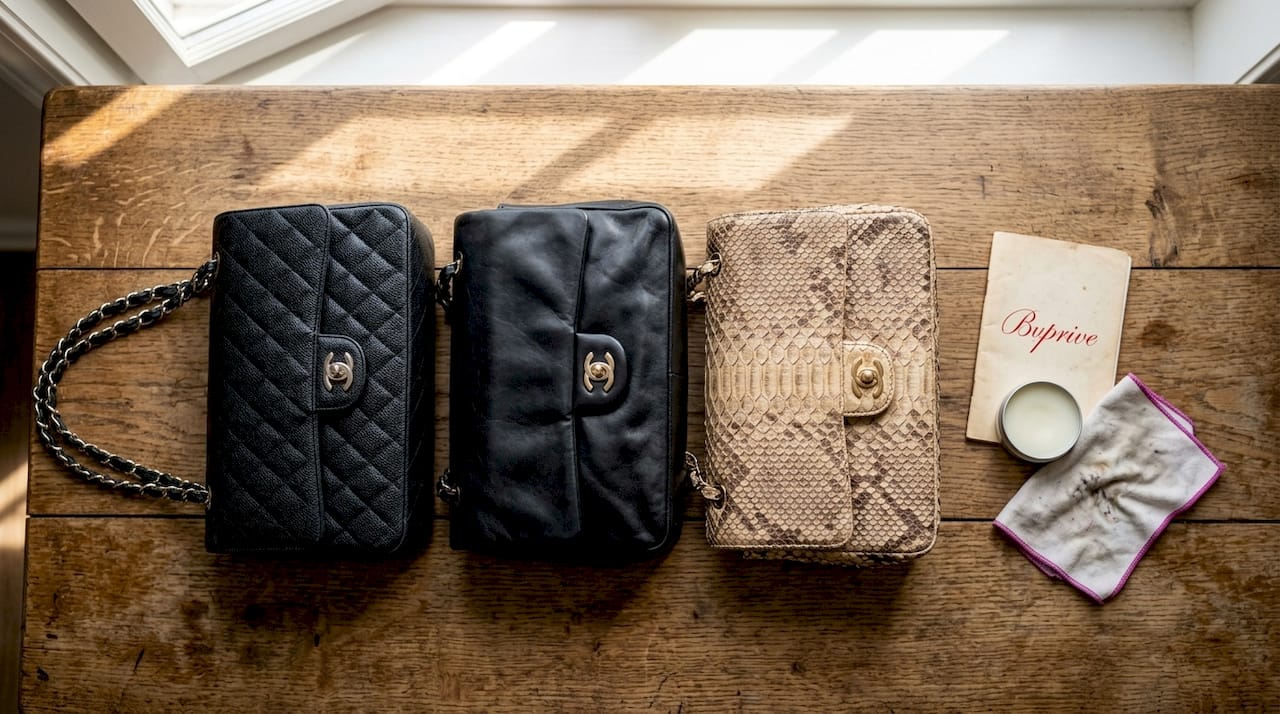
Exotic skin bags represent the pinnacle of collectibility. Alligator and python versions of classic styles sell for $15,000 to $45,000, with discontinued post-2019 exotic pieces commanding premium prices due to regulatory changes. Limited edition minaudières and evening bags from collaboration collections reach $8,000 to $20,000.
Vintage Chanel jewelry from specific eras offers accessible entry points for collectors. Layered pearl necklaces from the 1920s-1930s sell for $1,500 to $4,000, while CC motif brooches and earrings from the 1960s-1980s range from $800 to $2,500. Gripoix glass designs featuring vibrant poured glass in Byzantine-inspired settings command $1,200 to $3,500.
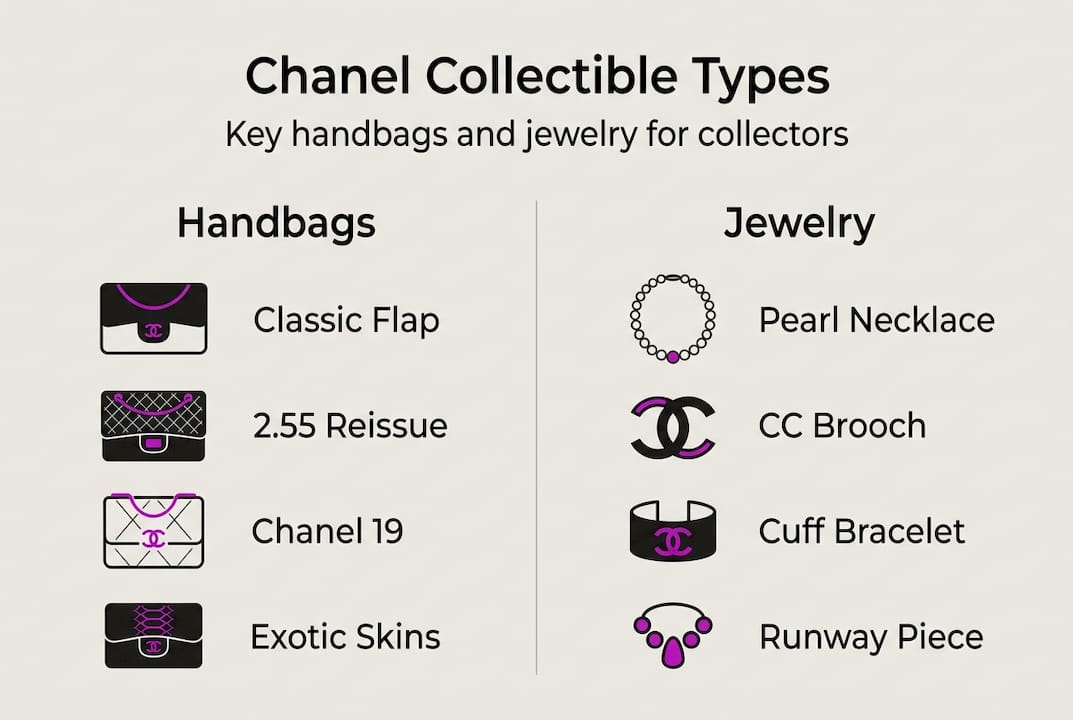
Karl Lagerfeld era jewelry from 1983-2019 represents modern collectibles, particularly statement pieces from runway shows. These items range from $600 to $2,000 for signature designs. Collectors should prioritize pieces with original boxes, authenticity cards, and documented runway provenance.
Pro Tip: Focus on must-have luxury bags from specific production years when Chanel used superior materials or introduced design innovations that later became discontinued.
Value drivers: rarity, condition, materials, and provenance
Multiple interconnected factors determine whether a Chanel item becomes truly collectible or remains simply a luxury purchase. Understanding these drivers helps you evaluate potential acquisitions and predict future appreciation.
Rarity forms the foundation of collectibility. Limited editions and discontinued materials create scarcity that drives demand. Chanel’s 2019 decision to discontinue exotic skins like python and alligator immediately increased values of existing pieces by 30-50%. Production numbers matter significantly, with runway-only pieces or regional exclusives commanding premiums of 40-60% over standard releases.
Condition directly impacts value, with pristine examples fetching 50-80% more than worn pieces. Original packaging including dust bags, authenticity cards, care booklets, and boxes adds 15-25% to resale value. Hardware should show minimal scratching, leather should retain shape without sagging, and interior linings must be clean without stains or odors.
Material selection affects both durability and desirability. Caviar leather outlasts lambskin by decades, making it more collectible for practical use. Exotic skins like alligator command 200-300% premiums over standard leathers. Patent leather from specific eras shows strong collector interest despite requiring careful storage.
| Material Type | Durability Rating | Collectibility Premium | Maintenance Level |
|---|---|---|---|
| Caviar Leather | Excellent | Baseline | Low |
| Lambskin | Good | +10-15% | High |
| Alligator | Excellent | +200-300% | Medium |
| Python | Very Good | +150-250% | Medium |
| Patent Leather | Good | +20-30% | High |
Provenance and documented history significantly influence prices. Bags owned by celebrities or featured in iconic photoshoots sell for 100-400% above comparable pieces. Original purchase receipts, service records from Chanel boutiques, and authentication certificates from recognized experts add credibility and value.
Color choices create value variations of 20-60%. Classic black and beige remain most liquid, but rare colors like burgundy, navy, or seasonal limited editions appreciate faster. Hardware variations matter equally, with gold-tone hardware generally preferred over silver-tone, and rare mixed-metal or ruthenium finishes adding 25-40% premiums.
Pro Tip: Document every detail of your collectible Chanel items including purchase date, price, condition notes, and professional photographs to establish clear provenance for future resale and maximize collectible value.
How to authenticate collectible Chanel bags and jewelry
Authentication protects your investment and ensures you acquire genuine collectible pieces. Chanel’s authentication features evolved significantly over decades, requiring era-specific knowledge to verify correctly.
For handbags, multi-point authentication checks include serial numbers, heat stamps, stitching quality, hardware engravings, and RFID microchips introduced in 2021. Each element must align with production standards from the specific manufacturing period.
-
Examine serial number stickers or stamps inside the bag, noting format changes over decades. Pre-1986 bags lack serial numbers entirely. 1986-2005 bags use seven-digit codes on white stickers. 2005-2021 bags feature eight-digit codes on black or white stickers with clear fonts. Post-2021 bags contain RFID microchips readable only by Chanel boutiques.
-
Inspect hardware engravings for crisp, evenly spaced lettering. Authentic Chanel hardware shows “CHANEL” engraved on zippers, turn locks, and chains with consistent depth and spacing. Counterfeit hardware often displays uneven lettering, incorrect fonts, or shallow engravings.
-
Analyze stitching patterns counting exact stitch counts per inch. Classic Flaps feature 10-11 stitches per inch in perfectly straight lines. Authentic quilting shows symmetrical diamonds with precise corner alignment. Thread color matches leather exactly, and stitching never puckers or shows loose threads.
-
Verify leather quality through touch, smell, and visual inspection. Genuine Chanel leather feels supple with natural grain patterns, smells like quality leather without chemical odors, and shows consistent texture across all panels. Caviar leather displays uniform pebbling while lambskin shows subtle natural variations.
-
Check interior stamps for correct fonts and placement. Heat stamps inside bags should show clear, evenly pressed lettering matching era-specific standards. Fonts changed multiple times, with modern stamps using thinner, more refined lettering than vintage examples.
For jewelry, authentication involves era-specific stamps, material quality verification, weight assessment, and hallmark inspection. Genuine pieces display consistent craftsmanship markers across all components.
| Authentication Element | Authentic Indicators | Common Fake Markers |
|---|---|---|
| Serial Numbers | Era-appropriate format, clear printing | Wrong format for year, blurry numbers |
| Hardware Weight | Substantial, quality metal feel | Lightweight, hollow feeling |
| Stitching | 10-11 per inch, perfectly straight | Uneven spacing, crooked lines |
| CC Logo | Symmetrical, right C overlaps left | Asymmetrical, wrong overlap |
| Leather Smell | Natural leather scent | Chemical or plastic odor |
Jewelry hallmarks vary by era and production location. Vintage pieces from 1920s-1960s often show French hallmarks or “CHANEL” stamps in script fonts. Karl Lagerfeld era pieces feature block letter stamps with copyright symbols. Gripoix glass pieces display characteristic poured glass with visible depth and color variations impossible to replicate in plastic.
Pro Tip: Always request professional authentication from recognized experts before purchasing high-value collectible Chanel items, and reference comprehensive authentication guides to understand era-specific verification methods.
Why collectible Chanel items are a smart investment in 2026
Collectible Chanel pieces demonstrate consistent appreciation that outpaces inflation and rivals traditional investment vehicles. Understanding current market dynamics helps you make informed acquisition decisions.
Classic Flaps retain 85-92% of retail value immediately after purchase, with pristine examples appreciating 5-12% annually. Vintage Medium Flaps purchased for $1,000 in the 1980s now sell for $11,300, representing 1030% appreciation over four decades. This performance significantly exceeds stock market returns during the same period.
Several market trends drive demand for rare Chanel items in 2026. Younger collectors entering the luxury market seek iconic pieces with investment potential. Sustainability concerns make vintage luxury more appealing than new production. Digital authentication technologies reduce fraud risk, increasing buyer confidence. Global wealth expansion in Asia and Middle East creates new collector bases competing for limited inventory.
Chanel’s strategic price increases, averaging 10-15% annually since 2020, create artificial scarcity that benefits existing owners. Each retail price hike immediately increases secondary market values for vintage and pre-owned pieces. Collectors who purchased Classic Flaps at $5,000 in 2019 now own bags worth $8,500 to $9,500, representing 70-90% appreciation in seven years.
The brand’s decision to discontinue exotic skins in 2019 created instant collectibility for existing python, alligator, and crocodile pieces. These bags appreciated 30-50% immediately and continue rising as supply diminishes through wear and damage. Similar regulatory or brand decisions could affect other materials or styles, making current purchases potentially valuable.
Investment security comes from Chanel’s consistent brand management and quality standards. Unlike fashion houses that change creative directors frequently, Chanel maintains design continuity that preserves classic styles’ relevance. The brand’s refusal to participate in online discounting protects resale values by preventing market flooding.
“Chanel represents one of the few luxury brands where vintage pieces command prices equal to or exceeding original retail, demonstrating exceptional investment stability and collector confidence in long-term value preservation.”
Timing purchases strategically maximizes returns. Buy immediately after retail price increases when secondary markets haven’t adjusted, or acquire pieces from discontinued lines before scarcity drives premiums. Focus on pristine condition examples with complete accessories, as condition premiums widen over time.
Consider holding periods of 5-10 years minimum to realize significant appreciation. Short-term flipping generates modest returns of 10-20%, while patient collectors see 100-200% gains on rare pieces. Storage costs remain minimal compared to other collectibles, requiring only climate-controlled space and occasional professional cleaning.
Pro Tip: Diversify your Chanel collection across handbags and jewelry from different eras to balance liquidity and appreciation potential, and explore limited edition investment strategies to identify emerging collectibles before prices surge.
Explore authentic collectible Chanel items with BVPRIVE
Now that you understand what makes Chanel items collectible and how to verify authenticity, finding trusted sources becomes your next priority. BVPRIVE specializes in authenticating and sourcing rare collectible Chanel handbags and jewelry, offering curated inventory that meets rigorous quality and provenance standards.
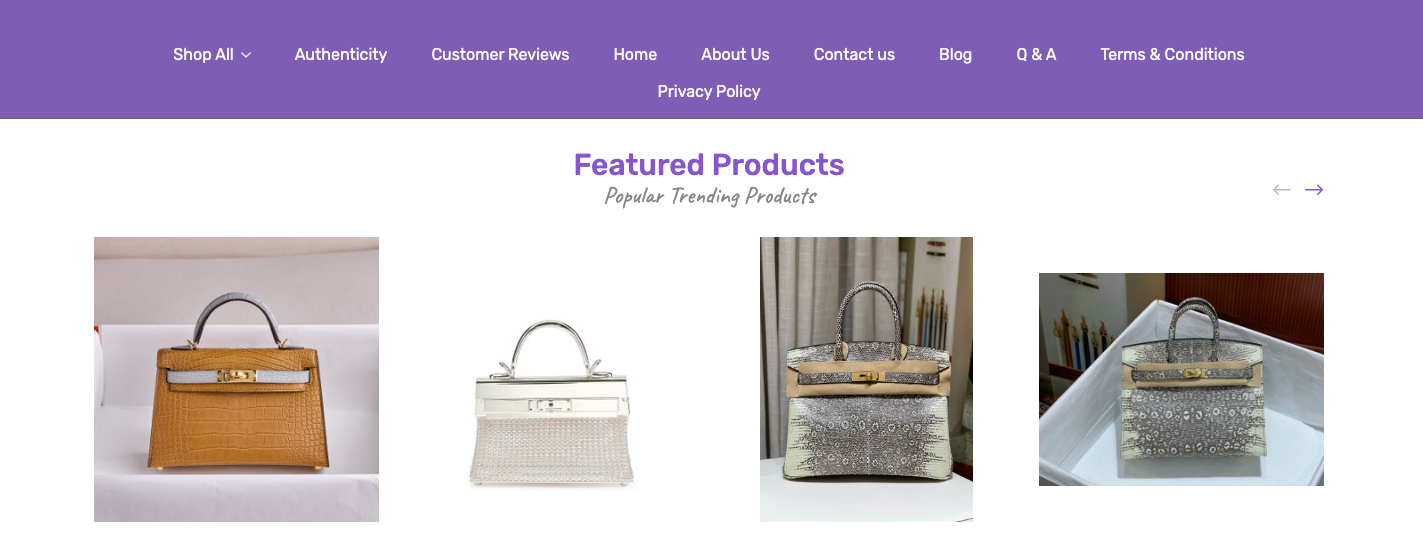
Our authentication experts verify every piece using the comprehensive methods outlined in this guide, plus additional proprietary checks developed through years of luxury market experience. We source pristine examples with complete accessories and documented histories, ensuring you acquire investment-grade collectibles with confidence. Whether you’re starting your collection or seeking specific rare pieces, our personalized service connects you with authenticated Chanel items that match your goals. Explore our educational resources and authentication services to make informed decisions, or discover must-have pieces that combine timeless style with appreciation potential.
Frequently asked questions
What is the difference between a collectible and a limited edition Chanel bag?
Collectible status develops over time based on rarity, condition, and market demand, while limited edition refers to restricted production numbers at release. A limited edition bag becomes collectible only if it maintains desirability and appreciates in value. Many limited editions never achieve collectible status if designs lack timeless appeal or production numbers exceed collector demand.
How can I tell if my vintage Chanel jewelry is authentic?
Authentic vintage Chanel jewelry displays era-appropriate stamps, uses high-quality materials like Gripoix glass or genuine pearls, shows substantial weight, and features precise craftsmanship in clasps and settings. Check for “CHANEL” stamps in script fonts for 1920s-1960s pieces or block letters for later eras. Fake pieces typically use lightweight metals, plastic instead of glass, and show uneven stamping or poor finishing.
Do Chanel bags appreciate faster than other luxury brands?
Chanel bags, particularly Classic Flaps and 2.55 Reissues, demonstrate appreciation rates of 5-12% annually, outperforming most luxury brands except Hermès Birkins and Kellys. Chanel’s consistent price increases, design continuity, and refusal to discount create stronger investment performance than brands with frequent creative direction changes or heavy promotional discounting.
Should I remove protective plastic from hardware on collectible Chanel bags?
Remove protective plastic immediately, as leaving it on causes adhesive residue, traps moisture leading to tarnishing, and signals the bag was stored rather than used. Collectors prefer bags showing careful use over unused pieces with plastic still attached. Proper storage in dust bags with occasional airing maintains hardware better than plastic covering.
What documentation should I keep for collectible Chanel items?
Maintain original purchase receipts, authenticity cards, care booklets, dust bags, boxes, and any service records from Chanel boutiques. Photograph your items thoroughly including serial numbers, hardware details, and condition. Document provenance through previous owner information if available. This comprehensive documentation increases resale value by 15-25% and facilitates authentication during future transactions.