



Top blue-chip luxury brands every collector should know
BVPRIVE Editorial Team on 17th Apr 2026
Top blue-chip luxury brands every collector should know

TL;DR:
- True blue-chip luxury handbags are scarce, have strong heritage, and maintain high resale liquidity.
- Hermès Birkin and Kelly bags offer the best long-term appreciation and premiums.
- Collectors should focus on authentication, condition, and market trends for successful investment.
Selecting a truly investment-grade luxury handbag requires far more than a sharp eye for style. The global luxury resale market has grown fiercely competitive, and sophisticated collectors know that separating genuine blue-chip icons from overhyped or trend-driven labels demands rigorous research, market awareness, and access to verified inventory. Whether you are building a collection for personal joy, wealth preservation, or both, understanding which brands and models consistently appreciate in value is the foundation of every smart acquisition. This guide delivers evidence-backed insights to help you navigate the landscape with confidence and make choices that hold up over years, not just seasons.
Table of Contents
- What makes a luxury brand blue-chip for collectors?
- The most coveted blue-chip luxury brands for collectors
- Investment performance: Comparing value retention and returns
- Risks, market shifts, and how to protect your collection
- A collector’s reality check: Beyond the numbers
- Ready to build your blue-chip collection?
- Frequently asked questions
Key Takeaways
| Point | Details |
|---|---|
| Hermès leads blue-chip value | Birkin and Kelly bags from Hermès set the standard for investment with leading resale premiums and collector demand. |
| Not all bags are equal | Chanel, Louis Vuitton, Goyard, and a few others perform well but with varied appreciation and risk. |
| Consider risks carefully | Transaction costs, illiquidity, condition, and changing markets mean blue-chip bags are not guaranteed safe havens. |
| Protection is essential | Use best-practice care, insurance, and authentication to preserve value and minimize risk. |
| Passion drives returns | Collectors who love their pieces and do their research consistently perform best over time. |
What makes a luxury brand blue-chip for collectors?
Now that we’ve set the stage, let’s clarify what truly qualifies a brand as “blue-chip” in the eyes of discerning collectors. In financial markets, a blue-chip asset is one with a long record of stable performance, strong market demand, and reliable value retention. The same framework applies to luxury handbags, though the criteria are more nuanced than a stock price.
For a brand or model to earn blue-chip status among collectors, it must demonstrate several overlapping qualities rooted in handbag collectibility factors:
- Scarcity and controlled production: True blue-chip bags are never mass-produced. Limited allocations, waitlists, and deliberate scarcity create sustained demand.
- Brand heritage and cultural authority: Decades, often over a century, of craftsmanship and storytelling underpin the brand’s irreplaceable position.
- Resale market liquidity: Blue-chip bags sell, even in slow markets. There is always an informed buyer prepared to pay a premium.
- Condition sensitivity: The highest premiums go to pieces in pristine condition with original packaging, cards, and receipts.
- Authentication infrastructure: Established authentication ecosystems exist around these bags, which protects buyers and sellers alike.
As blue-chip assets in the collectibles world, Hermès Birkin and Kelly bags lead with consistent value appreciation and high resale premiums driven by scarcity, craftsmanship, and unmatched brand heritage. Not far behind, Chanel Classic Flap bags retain 85-105% of value over five years with 4 to 7% annual appreciation, confirming their position as strong secondary blue-chips.
The distinction between blue-chip and “trending” matters enormously. A limited-edition collaboration bag may spike in resale value for 12 months, then plateau or fall. Blue-chip models appreciate steadily over five, ten, or twenty years. Understanding the benefits of investing in designer bags means recognizing that patience and precision in selection, not impulsive purchases, build lasting portfolio value.
Pro Tip: Always require third-party authentication certificates and maintain dedicated insurance for any piece valued above $10,000. Authentication and insurance together are the two pillars of a protected collection.
The most coveted blue-chip luxury brands for collectors
With the standards established, let’s explore the flagship brands and bags that epitomize blue-chip collectibility.
The market has consistently rewarded a small, elite group of bags. Here are the five most investable blue-chip models, ranked by long-term collector demand and value performance:
-
Hermès Birkin: The pinnacle of the collectibles market. Named after actress and singer Jane Birkin, this bag is sold only through Hermès boutiques and rarely at retail. Consistent value appreciation and resale premiums well above retail are standard. Exotic leathers like Himalayan crocodile have fetched six figures at auction. Explore detailed Birkin resale value insights to understand how premiums are calculated.
-
Hermès Kelly: Equally storied, the Kelly bag carries the name of Grace Kelly, Princess of Monaco, who famously used it to shield her pregnancy from paparazzi. It shares the Birkin’s production scarcity and craftsmanship standards. Understanding Kelly bag collector value reveals why this model consistently commands multi-year waitlists.
-
Chanel Classic Flap (2.55 reissue): The epitome of refined elegance, this bag has undergone systematic retail price increases, making early purchases especially rewarding. With quilted lambskin or caviar leather and the iconic double-C turn-lock closure, it remains a wardrobe and portfolio staple.
-
Louis Vuitton Neverfull: Among monogram canvas pieces, the Neverfull is the most liquid and globally recognized. As investable classics go, Louis Vuitton and Goyard deliver lower but reliable appreciation of 2 to 8%, appealing to collectors who prioritize accessibility over maximum upside.
-
Goyard Saint Louis: Quieter in profile but fierce in collector loyalty, the Saint Louis is prized by those who value understated heritage. Its hand-painted Goyardine canvas is virtually impossible to replicate convincingly, and the brand’s deliberately limited retail presence creates consistent secondary market demand.
“Hermès has outperformed the S&P 500 over the past decade in terms of brand equity growth, and its handbags have become one of the few fashion assets treated as genuine stores of value by institutional collectors.” — CFI Lifestyle, 2025
“Chanel’s strategy of regular retail price hikes has turned its Classic Flap into a near-automatic appreciation vehicle for buyers who hold for five or more years.” — Vogue, Bags with the Best Resale Value
Investment performance: Comparing value retention and returns
Now that you know which bags count as blue-chip, see how each performs on key investment metrics.
Numbers tell a clarifying story. The table below summarizes historical performance data across the top blue-chip models, giving collectors a clear comparative view.
| Brand and model | Avg. annual appreciation | 5-year value retention | Liquidity | Notes |
|---|---|---|---|---|
| Hermès Birkin | 10 to 15%+ | 120 to 200%+ | Moderate to high | Exotic leathers command the highest premiums |
| Hermès Kelly | 8 to 14% | 110 to 180% | Moderate | Sellier style retains value better than Retourne |
| Chanel Classic Flap | 4 to 7% | 85 to 105% | High | Caviar leather outperforms lambskin |
| Louis Vuitton Neverfull | 2 to 5% | 70 to 90% | Very high | High volume reduces scarcity premium |
| Goyard Saint Louis | 2 to 8% | 65 to 85% | Moderate | No authentication card raises buying caution |
The data confirms that Hermès holds an unchallenged position at the top. But Chanel’s performance deserves its own spotlight: retaining 85 to 105% of value over five years with 4 to 7% annual appreciation makes the Classic Flap the most accessible entry point for new collectors seeking genuine blue-chip exposure.

Louis Vuitton and Goyard provide lower but stable appreciation of 2 to 8%, appealing to collectors who want strong brand recognition combined with high market liquidity. For nuanced guidance on timing and positioning, visit our luxury bag investment tips resource, which covers optimal holding periods and exit strategies.
One important insight: liquidity is not the same as appreciation. The Neverfull sells quickly, but its returns are modest. The Birkin appreciates aggressively, but selling one well takes time and the right platform. Building a diversified collection across the spectrum balances both concerns.
Risks, market shifts, and how to protect your collection
With potential rewards come risks. Here’s what collectors must watch for and how to stay ahead.
No investment is without exposure, and handbags are genuinely distinct from traditional financial assets. Understanding the investment handbag paradox reveals that the same qualities that make a bag desirable, including its physical nature, wearability, and cultural cachet, also create unique vulnerabilities.
Key risks every collector should assess:
- Illiquidity: Selling a high-value bag typically takes 3 to 6 months, and resale premiums have declined from their 2022 peak of 2.2x retail to lower levels in more recent markets.
- Transaction costs: Resale platforms, consignment houses, and auction fees commonly run 15 to 30% of the final sale price, significantly eroding net returns.
- Superfakes and authentication risk: High-quality counterfeits are increasingly sophisticated. Without verified authentication, your piece and its resale value are at risk.
- Condition sensitivity: A single scratch, hardware tarnish, or color transfer can reduce a bag’s market value by 20 to 40%.
- Recession vulnerability: Unlike gold, luxury handbags are aspirational goods. During economic contractions, secondary market demand softens meaningfully.
- Trend shifts: Cultural changes or brand missteps can reposition even established names. No brand is entirely immune.
Protecting your collection requires active stewardship. Refer to our handbag care workflow and designer bag care checklist for structured preservation routines. For pieces showing signs of wear, our guide on restoring handbag value outlines proven methods to recover condition and pricing power.
Pro Tip: Use base shapers or acid-free pillows to maintain structure in storage. Keep all original packaging, dust bags, and purchase documentation. Calculate your true ROI after platform fees, insurance, and storage costs before comparing your returns to other asset classes.
A collector’s reality check: Beyond the numbers
Against a landscape of numbers and risks, the human side of collecting deserves its own spotlight.
We have seen the data, and the data is compelling. But numbers alone do not tell the full story of what it means to be a serious collector. Blue-chip luxury bags offer genuine investment merit, yet they are not immune to market mood swings or the slow evolution of cultural taste. A Birkin is extraordinary. It is also physical, requiring care, storage, and hands-on attention that a stock portfolio does not.
The collectors who achieve the greatest outcomes are rarely those who chase yield charts. They are people who understand value beyond style and are genuinely drawn to the craftsmanship, history, and artistry of each piece. Passion informs better decisions. It creates patience. And patience is the single most underrated advantage in this market.
Risk tolerance, access to authenticated inventory, and the discipline to maintain pieces in pristine condition shape outcomes more than brand selection alone. Ask yourself an honest question before each acquisition: Is this piece in your collection to sell, or to savor? The most enduring collections are built with both intentions held in balance.
Ready to build your blue-chip collection?
If you’re ready to take the next step in the blue-chip world, discover where expertise meets opportunity.
At BVPRIVE, we curate access to the world’s most sought-after authenticated luxury bags, from rare Hermès Birkins and Kellys to pristine Chanel Classic Flaps and beyond. Every piece in our inventory is verified for authenticity and presented with the full context collectors need to invest with confidence.
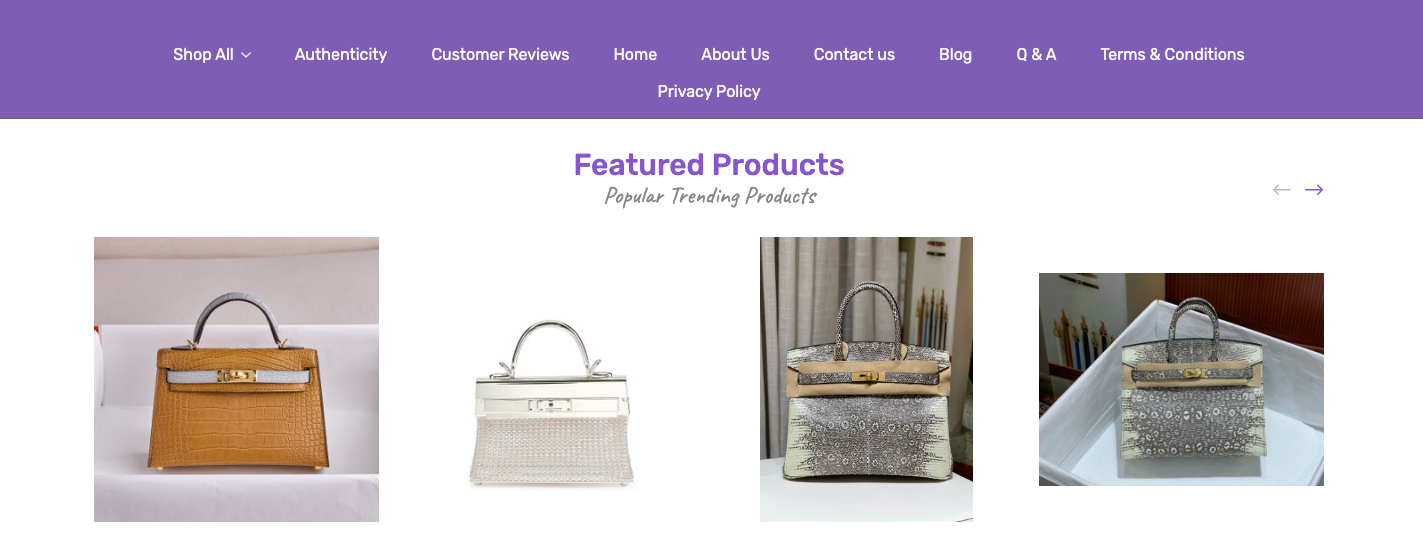
Visit the BVPRIVE marketplace to explore our current blue-chip inventory, or read our detailed handbag resale expertise guide to understand exactly how we position pieces for maximum collector value. Your next iconic acquisition, whether a trophy piece or a portfolio cornerstone, begins here.
Frequently asked questions
What are blue-chip luxury brands and why do collectors value them?
Blue-chip luxury brands like Hermès and Chanel maintain high historical value, consistent market demand, and proven appreciation records, making them the most trusted and desirable choices among serious collectors.
Which blue-chip handbag has the highest resale value?
Hermès Birkin and Kelly bags consistently command the highest resale premiums. Their scarcity and enduring demand keep prices well above retail in virtually every secondary market condition.
Are luxury handbags safe investments in 2026?
Luxury handbags can hold and grow value, but they carry real liquidity and cost risks including 3 to 6 months to sell and transaction fees of 15 to 30%, meaning they are best viewed as a complement to, not a replacement for, traditional financial assets.
How long does it take to sell a blue-chip luxury bag?
Selling typically takes 3 to 6 months depending on market conditions and pricing. Post-2022 resale dynamics have made buyers more selective, so accurate pricing and verified authentication are essential for a timely sale.