


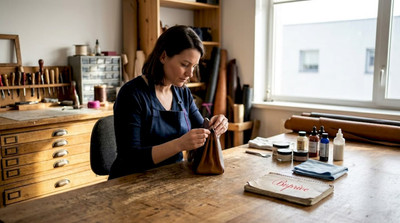
Restore luxury handbags: proven methods for value and longevity
BVPRIVE Editorial Team on 16th Apr 2026
Restore luxury handbags: proven methods for value and longevity
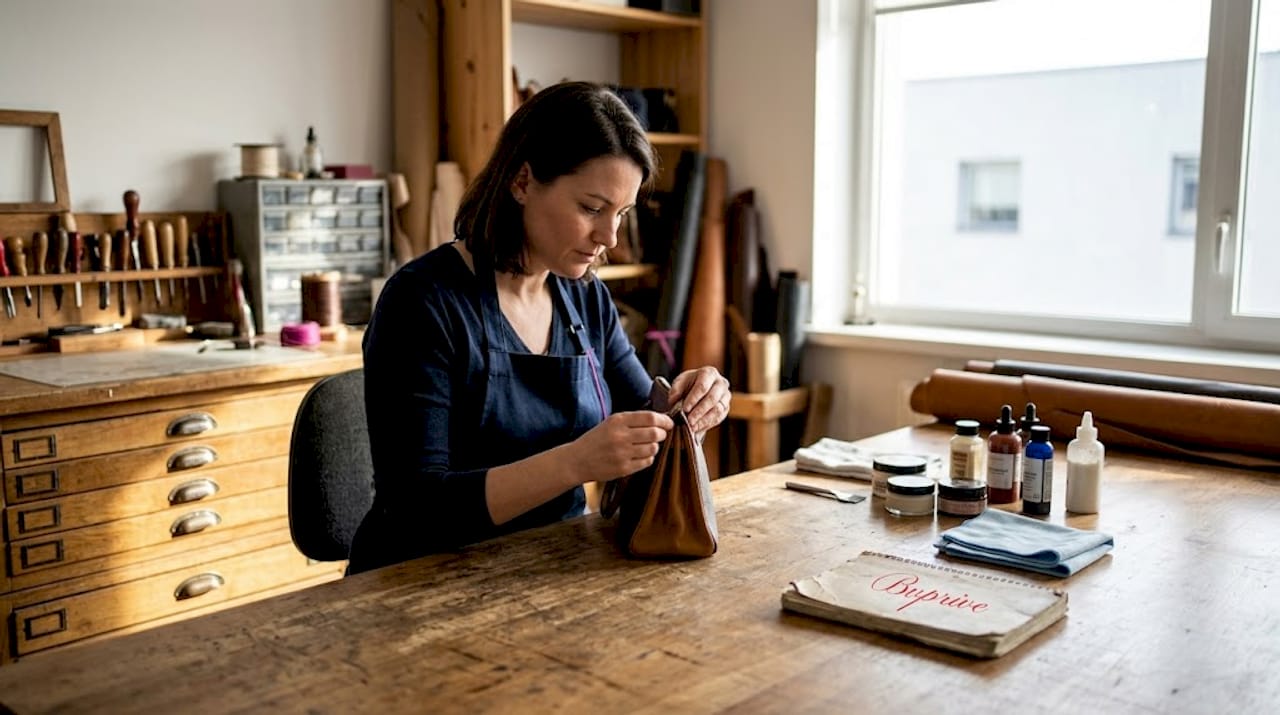
TL;DR:
- Proper restoration can increase handbag resale value by up to 50 percent.
- Professional assessment and targeted repairs are essential for preserving authenticity and value.
- Avoid DIY methods and household products to prevent irreversible damage.
A collector opens her closet to find her prized Chanel 2.55 lambskin has faded along the edges, the color patchy and the leather beginning to dry. The instinct to reach for a household cleaner or a YouTube tutorial is understandable. But that single misstep could strip thousands from the bag’s resale value in minutes. Condition drives 30-50% of resale value, and restoration, when done correctly, can add thousands back. This guide covers the full spectrum of expert-level restoration, from understanding when and why to act, to the precise tools, step-by-step methods, and common traps that even experienced collectors fall into.
Table of Contents
- Understanding luxury handbag restoration: Purpose, payoffs, and pitfalls
- Essential tools and materials for expert-level restoration
- Step-by-step: How professionals restore luxury handbags
- Common mistakes, value traps, and preventative care
- The hidden value in mindful restoration: A collector’s insight
- Discover expert support for your luxury restoration journey
- Frequently asked questions
Key Takeaways
| Point | Details |
|---|---|
| Professional restoration pays | Expert restoration can increase your luxury bag’s resale value by up to 50 percent. |
| DIY risks permanent loss | Home cleaning agents and over-restoration may cause irreversible value reduction. |
| Patina matters | Preserving the original patina and authenticity is crucial for collectors and resale. |
| Conservation first | Minimum-intervention methods and expert tools ensure both beauty and investment protection. |
Understanding luxury handbag restoration: Purpose, payoffs, and pitfalls
Not every sign of wear demands intervention. Knowing when to restore versus when to simply conserve is the first skill a serious collector must develop. Structural issues, such as broken stitching, failing hardware, or cracked leather, call for professional restoration. Cosmetic concerns, like minor surface scuffs or light dust, often require only careful cleaning and conditioning. Acting on the wrong category can cause more harm than the original damage.
The financial case for professional restoration is well established. Professional restoration can yield a 30 to 50 percent value increase for Tier 1 brands like Hermès and Chanel, and 15 to 25 percent for Tier 2 brands like Louis Vuitton and Dior. For a collector holding a Birkin or Kelly, that return is significant and makes the cost of expert work a sound investment decision. Understanding handbag collectibility and value helps frame why condition commands such a premium in the resale market.
When restoration makes sense:
- Structural damage: broken hardware, torn stitching, detached handles
- Significant color loss or deep staining that affects the overall appearance
- Leather cracking or peeling that will worsen without treatment
- Pre-sale preparation to maximize resale price
When to conserve rather than restore:
- Light surface patina that adds character and authenticity
- Minor scuffs that do not affect structural integrity
- Bags with documented provenance where original condition matters
The risk of over-restoration is real and often underestimated. Over-restoring risks devaluation by purists and auction houses who prize originality. A bag that has been fully recolored or refinished may look pristine but can lose credibility at auction or in private sales. The investment returns for rare handbags are closely tied to authenticity, and heavy-handed restoration can undermine that connection.
“The goal of restoration is not to make a bag look new. It is to stabilize, protect, and present it at its best while honoring its history.”
DIY restoration is particularly risky for rare pieces. Without professional-grade materials and diagnostic skills, even well-intentioned cleaning can cause irreversible dye transfer, surface cracking, or hardware tarnishing.
| Restoration type | Best for | Risk level |
|---|---|---|
| Professional full restoration | Structural and color damage | Low (with expert) |
| Professional spot treatment | Isolated stains or scuffs | Low |
| DIY cleaning (approved products) | Light dust, surface dirt | Medium |
| DIY color repair | Color loss or fading | Very high |
Essential tools and materials for expert-level restoration
With a clear sense of the risks and rewards, gather the right professional-grade tools before any restoration begins. Using the wrong materials is one of the fastest ways to cause irreversible damage, and this is where most DIY attempts fail.
Restoration protocols emphasize diagnostic assessment, soft brushes, microfiber cloths, pH-neutral cleaners, and selective in-painting as the foundation of safe, effective work. Each of these tools serves a specific purpose, and substituting household equivalents introduces unnecessary chemical risk.
Core tools every restorer needs:
- Magnification loupe or lens: Reveals micro-cracks, dye inconsistencies, and stitching wear invisible to the naked eye
- Raking light source: A directional lamp held at a low angle exposes surface texture, scratches, and uneven areas
- Soft natural-bristle brushes: Used for dry cleaning delicate surfaces without abrasion
- Microfiber cloths: Essential for applying and removing cleaners without scratching
- pH-neutral leather cleaner: Formulated to lift dirt without stripping natural oils or disrupting dye layers
- Fine-particle pigments: Color-matched to the original leather for precise in-painting
- Acrylic binders or leather finishes: Seal repaired areas and restore surface sheen without altering texture
Leather type changes everything. Lambskin, used in iconic Chanel bags, is soft and highly sensitive to moisture and pressure. Even a slightly damp cloth applied with too much force can leave permanent marks. Caviar leather, also common in Chanel pieces, is more forgiving due to its pebbled texture but still requires pH-neutral products. Exotic hides, such as crocodile or ostrich, demand specialist-grade materials and should never be treated without professional guidance. Reviewing the characteristics of exclusive handbag leathers helps collectors understand why material-specific protocols matter.
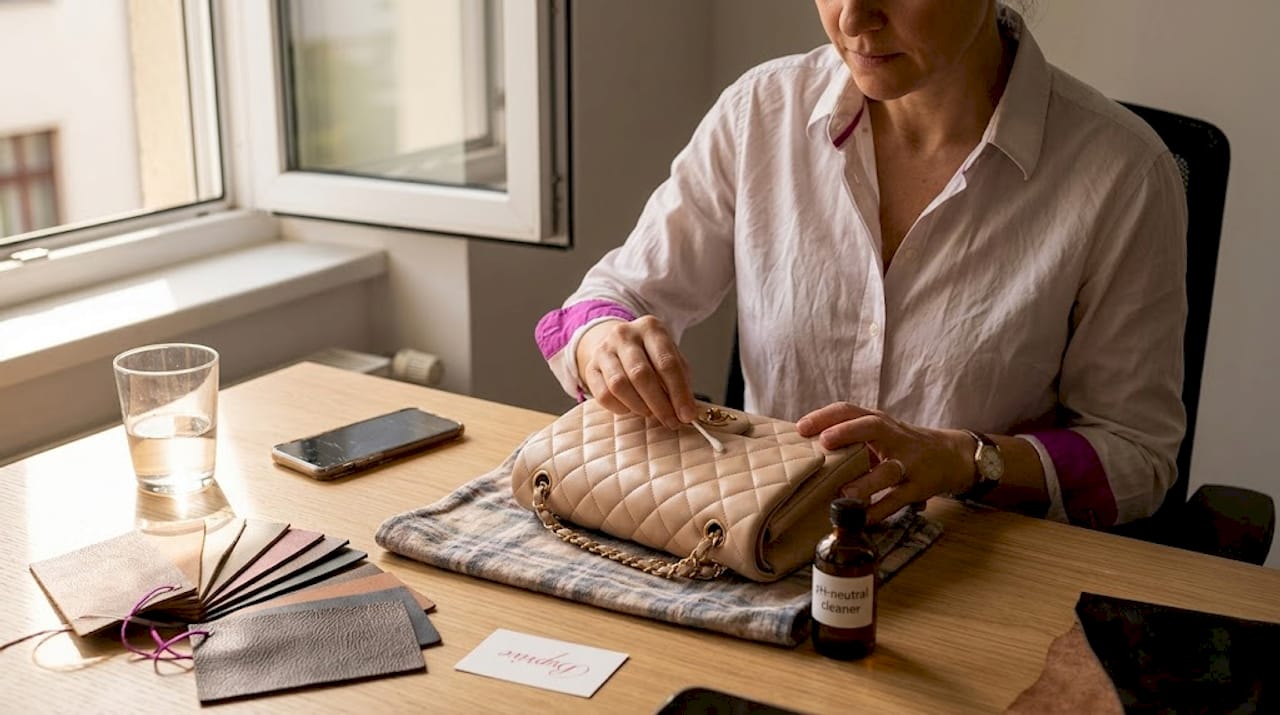
Household products are categorically harmful. Baby wipes contain alcohol and fragrance agents that degrade leather over time. Dish soap disrupts the leather’s pH balance and strips protective coatings. Even water, applied in excess, can cause tide marks on lambskin that are nearly impossible to remove.
Pro Tip: Before purchasing any restoration product, test it on an inconspicuous interior area of the bag and wait 24 hours. This simple step can prevent a costly mistake on the exterior.
A well-stocked restoration kit, built around a handbag care checklist, is the foundation of every successful project. Invest in quality materials once rather than risk a rare piece to inferior substitutes.
Step-by-step: How professionals restore luxury handbags
Once properly equipped, follow these expert instructions step by step to restore any precious handbag professionally. The standard restoration process covers assessment, deep cleaning, hand-matched color work, hardware attention, and lining repair, in that order.
1. Inspection and diagnosis Examine the bag under raking light and magnification. Document every area of concern: color loss, scratches, hardware tarnish, stitching gaps, and lining wear. This step determines the full scope of work and prevents surprises mid-process.
2. Dry cleaning Using a soft natural-bristle brush, remove surface dust and debris from all exterior panels, seams, and hardware recesses. Work in gentle circular motions. Never press hard or use synthetic bristles, which can abrade delicate surfaces.
3. Wet cleaning and stain treatment Apply a small amount of pH-neutral cleaner to a microfiber cloth, not directly to the leather. Work in small sections, using minimal moisture. For stubborn stains, allow the cleaner to dwell briefly before lifting. Repeat as needed, always drying thoroughly between passes.
4. Color restoration and in-painting Mix fine-particle pigments to match the original color under natural light. Apply in thin, layered coats using a fine brush or airbrush for larger areas. Build color gradually rather than applying one heavy coat. Seal with a compatible acrylic finish once the color is matched.
5. Hardware and lining work Clean hardware with a dry microfiber cloth and a specialist metal polish appropriate for the finish (gold, palladium, or ruthenium). Repair loose stitching with matching thread and a curved needle. Address lining tears with appropriate fabric adhesive or professional stitching.
6. Final finishing and verification Apply a leather conditioner appropriate for the hide type to restore suppleness. Inspect the finished bag under multiple light sources. Compare before and after photographs to confirm the work meets professional standards.
Pro Tip: Photograph every stage of the restoration. This documentation supports provenance, demonstrates care, and can increase buyer confidence at resale.
Targeted conservation can add $800 to $1,000 to a $2,000 bag’s resale value, making each step worth executing with precision. A well-documented handbag resale workflow that includes restoration records consistently commands stronger prices in private and auction markets.
Following a structured handbag care workflow ensures that restoration work is not undone by poor post-restoration habits.
Common mistakes, value traps, and preventative care
Following these steps, it is critical to steer clear of costly errors and make sure your restoration work enhances, not reduces, your bag’s value. The most damaging mistakes are often made with good intentions.
The most common restoration errors:
- Full recoloring: Applying new color across the entire exterior removes original patina and signals heavy intervention to buyers and auction specialists
- Household cleaners: Baby wipes, dish soap, and alcohol-based products strip protective finishes and accelerate leather degradation
- Non-brand hardware replacements: Swapping original hardware for non-authentic replacements is immediately visible to experts and reduces value significantly
- Excessive moisture: Over-wetting lambskin or exotic leathers causes irreversible tide marks and surface distortion
- Skipping the diagnostic phase: Beginning cleaning or color work without a full assessment leads to missed damage that worsens under treatment
Over-restoring and household product use can cause irreversible damage and should always be avoided in favor of targeted, minimal intervention.
“Patina is not a flaw. On a well-aged Hermès Birkin, it is a signature of authenticity that collectors and auction houses actively seek.”
The question of brand-sanctioned versus third-party restoration is worth considering carefully. Hermès, for example, offers its own spa service for Birkin and Kelly bags, which preserves resale credibility. Third-party restorers, when skilled and reputable, can achieve excellent results, but documentation of their work and the materials used is essential for maintaining buyer trust.
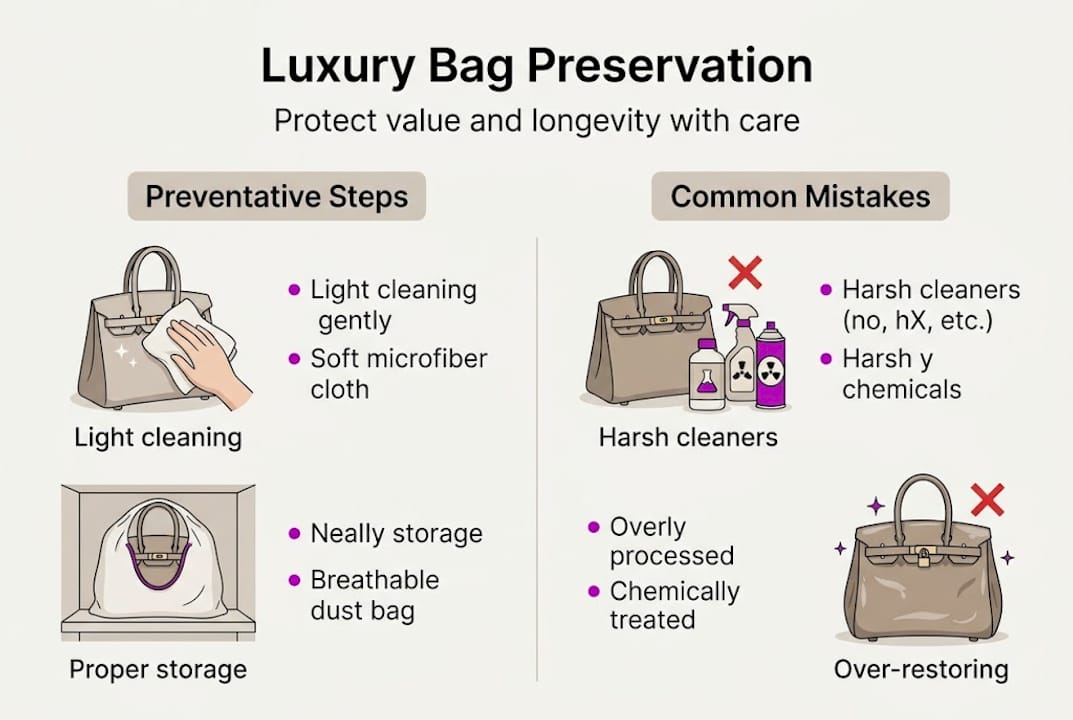
Pro Tip: Store restored bags in their original dust bags, stuffed lightly with acid-free tissue paper, in a cool and dry environment. Avoid plastic, which traps moisture and accelerates leather aging.
Preventative care is the most cost-effective form of preservation. Regular light cleaning, conditioning every three to six months, and prompt attention to minor damage all reduce the need for major restoration. Smart bag investment tips consistently emphasize that prevention outperforms cure in protecting long-term value.
When selecting rare handbags for your collection, always factor in the condition and any prior restoration history. Bags with documented, minimal professional care typically hold stronger value than those with unknown or heavy intervention histories. The benefits of pre-owned bags are well established, but only when condition and provenance are verified.
The hidden value in mindful restoration: A collector’s insight
Most collectors focus on what restoration adds visually. Fewer consider what it removes. A Hermès Birkin that has been fully refinished may photograph beautifully, but experienced buyers and auction specialists read leather surfaces the way a sommelier reads a wine. The original finish, the natural darkening of handles, the subtle wear at the corners, these details tell a story of authentic use and careful ownership that no restoration can replicate.
The market increasingly rewards restraint. Pieces with documented minimal intervention and preserved patina consistently outperform heavily restored counterparts at auction. This is not sentiment. It reflects a sophisticated understanding that rare handbag trends favor originality and provenance above cosmetic perfection.
The most valuable restoration philosophy is reversibility. Every intervention should be possible to undo without damaging the original material. This principle, borrowed from fine art conservation, protects future options and signals professional-grade care to any future buyer or appraiser. Collectors who understand patina-preserving restoration consistently make better decisions about when to act and, more importantly, when to leave well enough alone.
Discover expert support for your luxury restoration journey
If you want assurance that your next restoration elevates, rather than risks, your investment, consider working with trusted experts who understand the nuances of rare and collectible pieces.
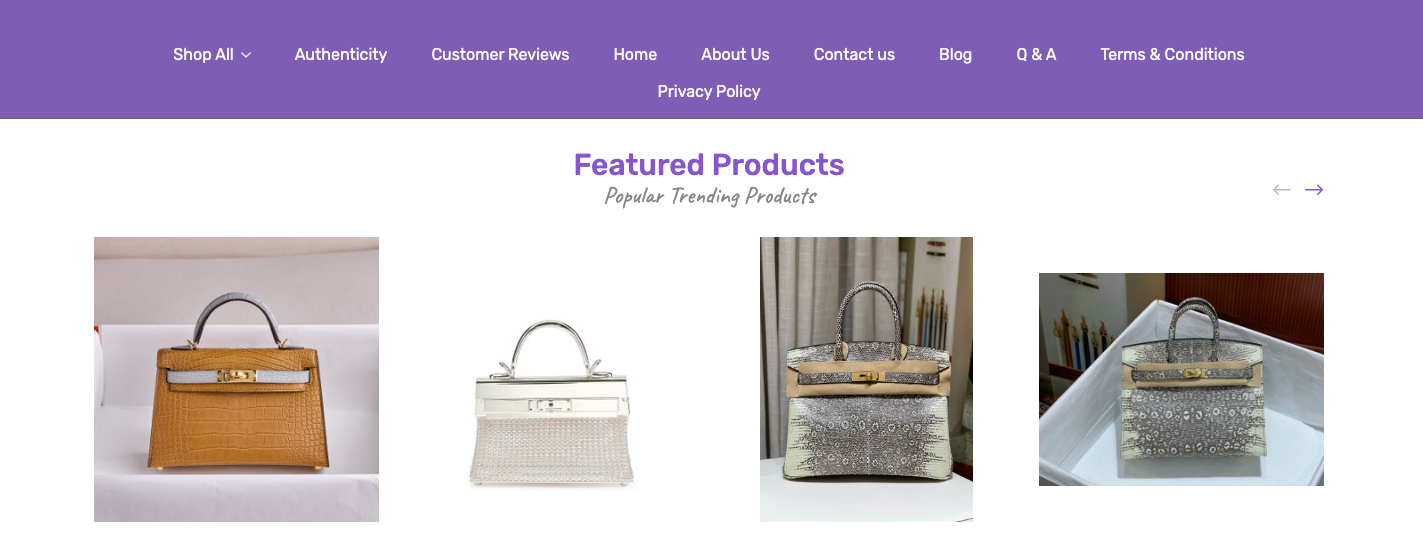
At BVPRIVE, we work with collectors who understand that every decision made around a rare bag, from acquisition to restoration, shapes its long-term value. Our team combines deep knowledge of luxury craftsmanship with an authentic passion for preservation. Whether you are preparing a piece for resale, adding to your collection, or simply seeking guidance on care, our experts are here to help. Explore our resources on professional caring for handbags and reach out to our VIP personal shopping team for tailored support that protects what matters most.
Frequently asked questions
How much does luxury handbag restoration typically cost?
Professional restoration costs range from $400 to $800 for Tier 2 brands like Louis Vuitton and Dior, and $800 to $1,500 for Tier 1 brands like Hermès and Chanel, depending on the extent of damage.
Does restoration always increase a bag’s resale value?
Not always. Professional restoration yields a 30 to 50 percent value increase for top-tier brands, but over-restoration can reduce value with purists and auction specialists who prize original condition.
What are the most common restoration mistakes to avoid?
Avoid household cleaners, full recoloring, and non-authentic hardware replacements. Over-restoring and household products can cause irreversible damage that permanently reduces a bag’s market value.
Can restoration fix all types of damage, like mold and dry rot?
Not all damage is recoverable. Points of no return include dry rot, severe dye transfer, and advanced mold, which may compromise the leather beyond what any restoration can reverse.
Is DIY restoration recommended for high-value bags?
It is not. DIY and household cleaners should be avoided for rare pieces, as professionals bring color-matching expertise, diagnostic precision, and material knowledge that protect both the bag and its investment value.