


Sourcing rare Louis Vuitton exceptional collections in 2026
BVPRIVE Editorial Team on 18th Apr 2026
Louis Vuitton produces 8 to 10 million items per year, yet the pieces that truly define a serious collection represent only a fraction of that output. Most collectors assume exclusivity is simply a matter of budget. The reality is far more nuanced. Exceptional Louis Vuitton collections emerge from bespoke ateliers, private orders, curated collaborations, and a sourcing ecosystem that rewards knowledge over spending power alone. This guide walks you through what separates a genuinely rare piece from a widely available one, where privileged collectors actually source these items, how to protect your investment through rigorous authenticity checks, and how to evaluate long-term value with confidence.
What defines an exceptional Louis Vuitton collection
With the scene set, let’s break down exactly what sets an exceptional Louis Vuitton collection apart from the brand’s standard offerings.
Not every Louis Vuitton piece qualifies as exceptional. The maison’s main line, while beautifully crafted, is produced at scale and widely accessible through retail boutiques worldwide. Exceptional collections occupy a different tier entirely. They are defined by a combination of rarity, provenance, limited production runs, and often a singular creative vision that elevates them beyond the brand’s standard catalog.
Understanding the limited edition handbag criteria is the first step. A piece qualifies as exceptional when it meets at least one of the following conditions:
- Limited production run: Fewer units produced than standard models, often tied to a seasonal collaboration or a specific cultural moment
- Bespoke or special order origin: Pieces commissioned directly through the Asnières atelier, Louis Vuitton’s historic workshop, which caters to celebrities and royalty for handcrafted trunks and one-of-a-kind creations
- Collaboration pedigree: Items produced in partnership with artists like Yayoi Kusama, Virgil Abloh, or Takashi Murakami carry inherent scarcity and cultural weight
- Exotic or rare materials: Crocodile, ostrich, or python leathers in uncommon colorways dramatically reduce production volume
- Documented provenance: Items with verifiable histories, including designer signatures, celebrity ownership, or exhibition records
The Asnières atelier, established in 1859, remains the spiritual and practical heart of Louis Vuitton’s most exclusive work. Special orders placed there are not simply customized bags. They are meticulously crafted objects that can take months to complete and are never replicated.
“The most collectible Louis Vuitton pieces are not found on shelves. They are commissioned, collaborated, and carefully documented before they ever change hands.”
| Feature | Main line | Exceptional collection |
|---|---|---|
| Production volume | High | Very limited |
| Retail availability | Global boutiques | Private order or auction |
| Resale premium | Moderate | 200% to 500%+ |
| Provenance documentation | Basic | Extensive |
| Collaboration or bespoke | Rare | Common |
Provenance is perhaps the most underestimated factor. An item’s story, who owned it, where it was made, and what creative process brought it to life, adds layers of value that no amount of retail markup can replicate.
Key avenues for sourcing rare Louis Vuitton items
Having established what counts as exceptional, learn which sourcing routes privileged collectors actually use to acquire these pieces.
The secondary market for rare Louis Vuitton items has matured significantly. Collectors today have access to a range of channels, each with its own advantages, price dynamics, and level of exclusivity. Knowing where to look, and how to evaluate each source, is what separates a strategic acquisition from an expensive mistake.
Primary sourcing channels:
- Prestigious auction houses: Christie’s and Sotheby’s regularly achieve record prices on rare Louis Vuitton trunks and limited editions, making them the gold standard for provenance-verified acquisitions
- Direct maison special orders: Placing a bespoke order through Louis Vuitton’s private client services offers the highest level of exclusivity, though wait times and access requirements vary
- High-trust resale platforms: Curated resellers with in-house authentication teams provide access to pieces that never surface at auction
- Private collector networks: Word-of-mouth introductions within collector communities often yield the most remarkable finds at negotiated prices
- Estate sales and private consignments: Underutilized by many collectors, these channels occasionally surface pieces with exceptional provenance at competitive valuations
The designer bags collectors favor most consistently appear across auction and curated resale channels. When evaluating any secondary market source, use this checklist:
- Confirm the platform’s authentication methodology in writing
- Request full provenance documentation before any financial commitment
- Verify the seller’s transaction history and reputation within the collector community
- Cross-reference listed prices against recent auction results for comparable pieces
- Explore collector-friendly platforms that specialize in verified luxury goods
| Channel | Price range | Exclusivity level | Provenance quality |
|---|---|---|---|
| Auction houses | $5,000 to $500,000+ | Very high | Excellent |
| Maison special order | $10,000 to $200,000+ | Highest | Perfect |
| Curated resellers | $2,000 to $80,000 | High | Good to excellent |
| Private networks | Negotiated | Very high | Variable |
One important note: price alone does not guarantee authenticity or long-term value. The sourcing channel and the documentation behind a piece matter as much as the item itself.
Authenticity and risk management: Avoiding costly pitfalls
Once you’ve found a potential treasure, the next step is ensuring it’s the real deal.
The secondary market for luxury goods carries real risk. Sophisticated fakes have become increasingly difficult to distinguish from genuine pieces without expert scrutiny. For high-value Louis Vuitton acquisitions, a structured approach to authenticity verification is not optional. It is essential.
Key red flags to watch for:
- Inconsistent date codes: Louis Vuitton uses factory codes that correspond to specific production locations and time periods. Temporal consistency in factory codes is one of the most reliable indicators of authenticity
- Misaligned monogram patterns: On genuine pieces, the LV monogram aligns precisely at seams and handles
- Irregular stitching: Authentic Louis Vuitton items feature uniform, tight stitching in a specific shade of linen thread
- Incorrect hardware weight and finish: Genuine brass hardware has a distinct weight and patina that quality fakes rarely replicate convincingly
- Missing or altered serial numbers: Any alteration to a date code or serial number is an immediate disqualifier
Reputable platforms and auction houses employ in-house authenticators who cross-reference physical characteristics against historical production records. Always request the following before completing a purchase:
- Original receipt or purchase documentation
- High-resolution photographs of all hardware, stitching, date codes, and lining
- Written authentication certificate from a recognized expert
- Condition report prepared by the seller
Pro Tip: For pieces valued above $20,000, commission an independent appraisal from a certified luxury goods authenticator before finalizing any transaction. The cost is minimal relative to the protection it provides.
For deeper handbag sourcing insights, understanding how authentication protocols differ across channels is critical to building a collection you can trust.
Evaluating value: Resale benchmarks and investment potential
Knowing how to source and verify only goes so far. Now, see how value is calculated and capitalized.
The investment case for exceptional Louis Vuitton pieces has never been stronger. Limited edition resale premiums reach 200% to 500% above retail, with specific collaboration models and bespoke trunks outpacing those figures significantly. Understanding what drives these premiums positions you to make acquisitions that appreciate rather than depreciate.
Factors that push a piece into record-breaking territory:
- Collaboration pedigree: Artist partnerships with global cultural relevance command the highest premiums
- Documented celebrity provenance: Items with verifiable high-profile ownership histories attract competitive bidding
- Production volume under 500 units: Extreme scarcity creates sustained demand in secondary markets
- Condition grade: Near-mint or unworn pieces with original packaging consistently outperform worn examples by 30% to 60%
- Cultural moment alignment: Pieces tied to significant fashion or cultural events appreciate faster than general limited editions
To identify future blue-chip collectibles, watch for limited editions as investments that combine two or more of the above factors. The interplay between exclusivity and value is not accidental. It is engineered by the maison and amplified by collector demand.
Pro Tip: Hold pieces from major collaborations for a minimum of three to five years post-release. Initial resale markets often undervalue them as the cultural significance of the collaboration becomes clearer over time.
For a forward-looking view, the best 2026 collectible handbags reflect current market momentum and offer a useful benchmark for evaluating new acquisitions against established collector preferences.
Knowing when to sell is as important as knowing what to buy. Items tied to recently deceased artists or collaborators often see a sharp appreciation window. Timing an exit within 12 to 24 months of such events can yield returns that far exceed a longer hold strategy.
A collector’s lens: How true exclusivity is earned, not bought
After the practical breakdown, it’s time for a more personal look at what sets the journey apart for true connoisseurs.
There is a persistent myth in collector circles that exclusivity is simply a function of price. Spend enough, and access follows. The reality is more layered. Louis Vuitton’s tiered access model means that story and network carry as much weight as purchasing power. The collectors who consistently acquire the most remarkable pieces are not necessarily the wealthiest. They are the most informed, the most patient, and the most relationship-driven.
Chasing hype is the most common and costly mistake we observe. A piece that generates social media attention at launch rarely holds the same premium five years later unless it has genuine artistic or historical merit. True provenance, the kind that tells a story of tradition and creative vision, is what sustains value across market cycles.
The collectors who focus on artistry over labels, who seek out pieces that retain value over time because of what they represent rather than what they cost, are the ones building collections that endure. Relationships with trusted advisors, auction specialists, and curated platforms are not luxuries in this space. They are necessities.
Level up your collection with trusted expertise
To support your next acquisition, discover how expert guidance makes the difference.
Building a collection of exceptional Louis Vuitton pieces requires more than capital. It requires access, knowledge, and a sourcing partner who understands both the market and your vision. BVPRIVE specializes in exactly that: connecting discerning collectors with authenticated, rare, and limited-edition Louis Vuitton pieces through a curated network built on trust and expertise.
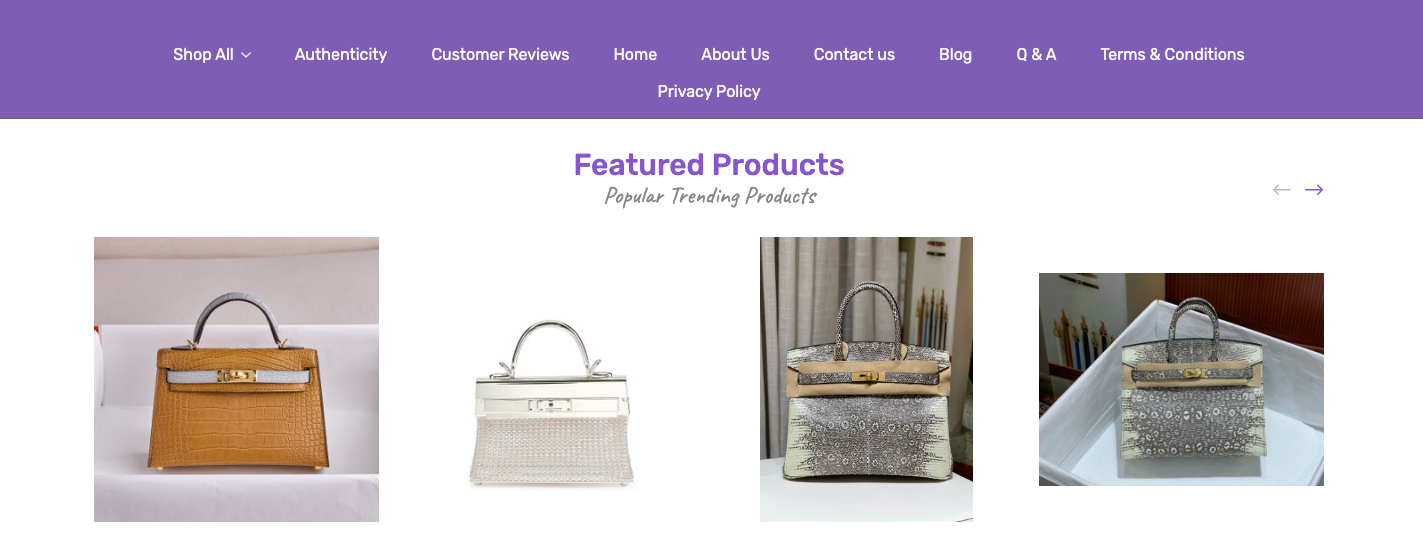
From rigorous in-house authentication to discreet acquisition support, the platform handles every step of the sourcing process with precision. Whether you are seeking a bespoke trunk, a collaboration piece, or a top collectible designer bag to anchor your collection, BVPRIVE offers VIP personal shopping services and tax-free worldwide delivery. Your next exceptional piece is closer than you think.
Frequently asked questions
Where can collectors source the rarest Louis Vuitton collections?
The most exceptional Louis Vuitton pieces are found through private brand orders, prestigious auction houses, and select high-trust resellers. Christie’s and Sotheby’s are key channels for provenance-verified acquisitions at the highest level.
How do you verify the authenticity of a rare Louis Vuitton item?
Check factory codes, request full provenance documentation, and use only verified platforms with in-house authenticators. Temporal consistency in codes is one of the most reliable authenticity indicators available to collectors.
What factors drive high resale premiums for limited edition pieces?
Scarcity, collaboration pedigree, unique design elements, and high-profile provenance fuel resale premiums. Limited edition premiums regularly reach 200% to 500% above original retail pricing.
How does Louis Vuitton’s approach differ from competitors like Hermès?
Louis Vuitton uses tiered access and special orders to create scarcity, whereas Hermès relies on quota systems tied to purchase history. LV’s tiered access model means relationships and narrative play a significant role in determining who receives the most exclusive pieces.