



6 Signs of Genuine Designer Handbags Every Collector Needs
BVPRIVE Editorial Team on 22nd Feb 2026
6 Signs of Genuine Designer Handbags Every Collector Needs
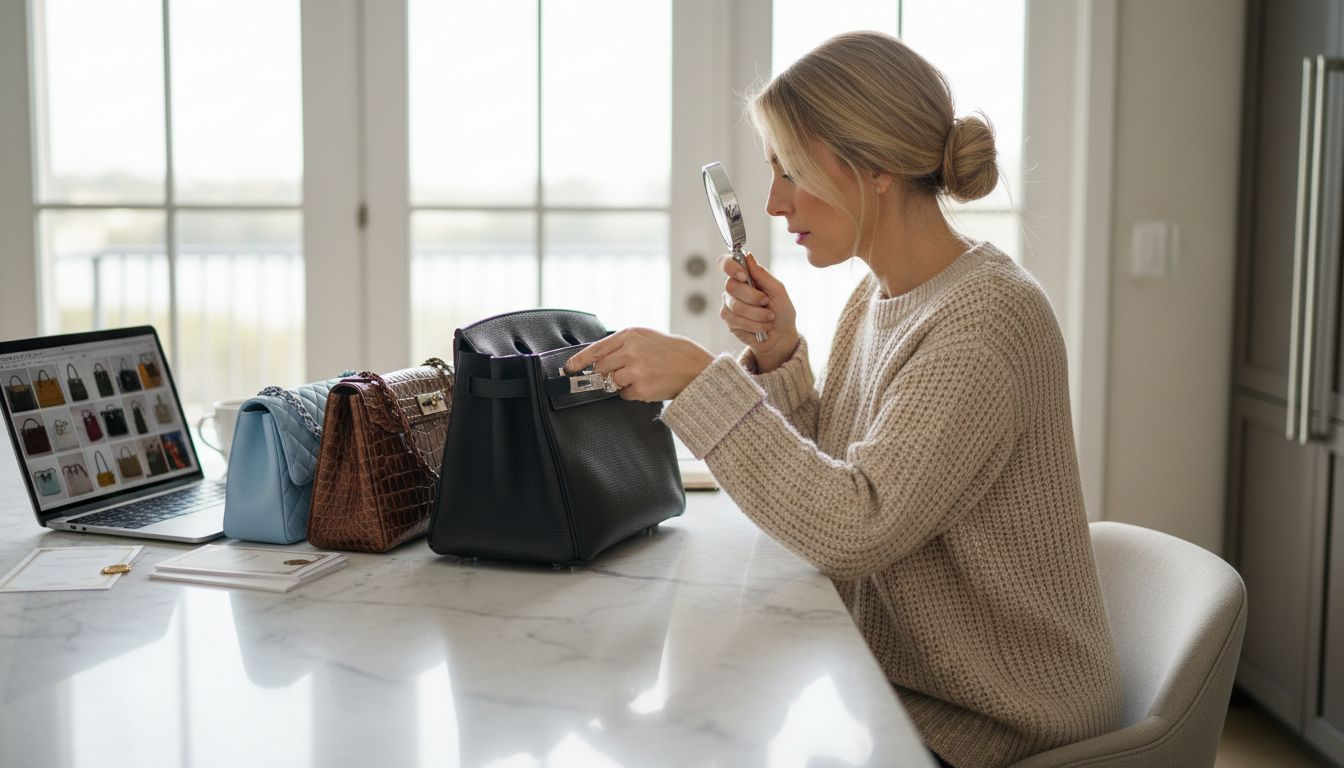
Spotting a fake designer handbag can leave you second guessing your every move. With counterfeits getting more convincing, even experienced shoppers find it tough to separate genuine luxury from an imitation. The last thing you want is to invest your money, only to learn later your bag isn’t the real thing.
Good news—there are proven ways to check for authenticity before you commit. Real designer bags reveal their true identity through details like flawless stitching, official logos, and documented proof. These key checks will give you confidence, so you never have to make a purchase you regret. As you read on, you’ll discover the clear, practical steps experts use to spot authentic luxury and protect your investment every time.
Table of Contents
- 1. Check Stitching And Craftsmanship Details
- 2. Look For Authentic Brand Stamps And Logos
- 3. Verify Serial Numbers And Date Codes
- 4. Examine High-Quality Hardware
- 5. Assess Premium Leather Smell And Feel
- 6. Request Proof Of Authenticity Or Receipts
Quick Summary
| Takeaway | Explanation |
|---|---|
| 1. Inspect Stitching for Quality | Authentic bags exhibit uniform stitching that showcases artisan craftsmanship; uneven or irregular stitches indicate a counterfeit. |
| 2. Examine Brand Logos Closely | Logos should be precisely engraved and match official standards; imperfections reveal counterfeits. |
| 3. Verify Serial Numbers and Date Codes | Unique serial numbers confirm a bag’s authenticity and origin; mismatched codes are a red flag. |
| 4. Assess Hardware Durability | Genuine bags have substantial, high-quality hardware that operates smoothly; counterfeit hardware feels cheap and flimsy. |
| 5. Request Original Documentation | Proof of authenticity such as receipts is crucial to validate a purchase and ensure it’s not counterfeit. |
1. Check Stitching and Craftsmanship Details
Authenticity begins with what your fingers can feel before your eyes even focus. The stitching on a genuine designer handbag tells the story of skilled artisans who have spent decades perfecting their craft.
Geniune luxury bags display meticulous, even stitching that reflects human expertise rather than machine precision. Each stitch should sit at consistent angles, maintaining uniform spacing throughout the seams. This level of precision signals genuine craftsmanship.
Why stitching matters so much:
- Genuine designer bags are handmade by skilled artisans, ensuring flawless stitching
- Counterfeit bags often show irregular stitch lengths, uneven tension, or crooked seams
- Thread color matches the leather and design intentionally, never as an afterthought
- Stitching consistency proves the bag spent time in expert hands
When examining your potential purchase, run your finger along the seams slowly. Feel for any bumps, loose threads, or areas where tension fluctuates. Authentic handbags from brands like Hermès and Chanel demonstrate meticulous handmade craftsmanship with precision that mass production simply cannot replicate.
Look at the corners and curved areas especially. These challenging sections reveal whether a bag was made by someone who understands leather movement or by an assembly line rushing through quotas. Genuine designer pieces show reinforced stitching in stress points because the maker anticipated real-world use.
The thread itself matters too. Luxury brands use premium waxed or nylon thread that resists fraying and maintains color over decades. Counterfeit bags often use cheap polyester thread that dulls, unravels, or discolors quickly.
Authentic designer handbags showcase stitching precision that reflects decades of artisan expertise, never machine-like uniformity.
Interior stitching deserves equal attention. Flip your bag inside out and examine the pocket seams, lining attachment points, and any interior structure. Genuine bags maintain the same quality standards inside and out because true craftspeople care about every detail.
At BVPRIVE, every item undergoes multi-point physical inspection by in-house experts who verify the DNA of every stitch and skin. This guarantees that craftsmanship meets museum-grade standards, giving you absolute confidence in your investment.
Pro tip: Use natural lighting and a magnifying glass to examine stitching patterns, and compare the bag’s seams to official brand reference photos online—authentic pieces show remarkable consistency that counterfeiters struggle to replicate.
2. Look for Authentic Brand Stamps and Logos
Brand stamps and logos are the signature of a designer handbag, and counterfeiters obsess over getting them right. Yet subtle imperfections in these marks reveal whether you’re holding genuine luxury or a clever fake.
Authentic designer logos are precisely engraved or embossed with crisp, clean edges. The letters sit perfectly aligned, and the depth of the impression remains consistent throughout. Counterfeit logos often show wavering lines, uneven pressure, or blurry edges that betray rushed production.
Geniune brands register their logos as official trademarks with authorities like the USPTO. You can verify official registered trademarks through trademark databases to confirm the exact design specifications your bag should match.
What to examine on authentic stamps:
- Logo placement must match official brand specifications exactly
- Font weight and spacing remain consistent across all letters
- Engraving depth appears uniform without shallow spots or thick sections
- Serial numbers or date codes integrate seamlessly with the design
- Mirror image logos on interior pockets align perfectly with exterior stamps
Take time to compare your bag’s logo against official brand references from retailer websites or the manufacturer’s site. Genuine Hermès bags show crisp “HERMÈS” stamps with proper letter spacing, while counterfeits often compress letters too tightly or spread them too far apart.
Look closely at the background texture where logos appear. Authentic bags maintain the leather’s natural grain pattern even after stamping. Counterfeits sometimes show flattened or distorted leather around the logo area, suggesting the stamping process damaged the material.
Authentic logos display professional precision and perfect alignment, reflecting the brand’s commitment to quality that extends beyond visible design.
The date code or serial number hidden inside tells another important story. Genuine designer bags include coded information that traces production year, location, and batch. Counterfeiters rarely replicate these codes accurately because they lack access to official brand records.
At BVPRIVE, our authentication process verifies every stamp and logo detail against official brand specifications. Each item undergoes multi-point inspection to ensure your investment meets museum-grade authenticity standards.
Pro tip: Photograph the logo from multiple angles and lighting conditions, then compare high-resolution images against official brand photos online—authentic stamps show identical characteristics under close examination that counterfeits cannot reliably replicate.
3. Verify Serial Numbers and Date Codes
Every genuine designer handbag carries hidden identification codes that function like a fingerprint. These serial numbers and date codes unlock the bag’s origin story and prove authenticity beyond doubt.
Designer brands embed unique serial numbers inside each bag, typically on a leather patch, metal plaque, or embossed directly into the interior. This code reveals the production year, manufacturing location, and batch number. Counterfeiters struggle to replicate these codes because they lack access to official brand records.
Date codes work like a timeline. A Chanel bag from 2019 should display specific codes matching that year’s format, while a Louis Vuitton from 2015 uses a completely different system. Each brand maintains its own coding structure that changes periodically to prevent duplication.
How to verify serial codes:
- Locate the serial number inside your bag, usually near the lining or on a leather label
- Cross-reference the code format against official brand specifications online
- Check that the date code matches the bag’s style and construction details
- Verify production location aligns with the brand’s manufacturing practices
- Ensure the code formatting shows professional engraving or printing quality
You can validate authentic product codes through certification databases that confirm genuine origin and prevent counterfeiting. Some brands offer online verification tools where you input the serial number to confirm authenticity directly.
The formatting and quality of the code itself reveals much. Genuine codes appear clear, precisely stamped, and easy to read. Counterfeits often show blurry numbers, inconsistent spacing, or codes that fade easily when rubbed.
Mismatched codes tell an important story too. If a bag’s style number doesn’t align with its date code, something is wrong. Professional collectors cross-reference multiple databases to confirm all codes tell the same story.
Authentic serial numbers and date codes serve as verifiable proof of origin, creating an unbreakable chain of custody from factory to your hands.
At BVPRIVE, our authentication experts verify every serial number and date code against official brand databases. This multi-point verification ensures your investment comes with complete confidence and full provenance documentation.
Pro tip: Keep a photograph of your bag’s serial number in a secure digital file separate from the bag itself, so you have permanent documentation of authenticity even if the physical code ever becomes unclear.
4. Examine High-Quality Hardware
Hardware transforms a handbag from functional to extraordinary. The zippers, locks, clasps, and metal details reveal whether you’re holding genuine luxury craftsmanship or a carefully constructed fake.
Authentic designer handbags feature premium hardware made from durable metals that resist tarnishing and corrosion over decades. Each piece feels substantial in your hand, operates smoothly, and displays consistent finishing across all metal components. Counterfeit bags use cheap plating that flakes, discolors, or breaks within months.
The weight tells a story immediately. Genuine hardware carries noticeable heft because it uses quality metal composition. Fake hardware often feels light and hollow, a red flag that corners were cut during production.
What to inspect on authentic hardware:
- Zippers glide smoothly without catching or sticking
- Engraved locks display crisp, readable text with consistent depth
- Metal finishes show uniform coloring without patchy discoloration
- Custom metal details match the brand’s signature design perfectly
- All hardware connects securely without loose pieces or poor welding
Run your finger along zipper teeth slowly. Genuine Hermès and Chanel zippers feature perfectly aligned teeth that catch smoothly every single time. Counterfeit zippers often stick, skip, or feel rough because the metal casting lacks precision.
Lock mechanisms deserve special attention. Authentic designer locks operate with deliberate resistance, requiring proper positioning to open and close. The engraving on real locks appears professionally done with sharp, readable lettering. Fake locks often feature blurry engraving or loose mechanisms that rattle inside.
Color consistency matters significantly too. Premium hardware maintains durable metal finishes that complement genuine leather craftsmanship and enhance the handbag’s long-term functionality. Gold-tone hardware should show consistent warmth across all pieces, while silver should display uniform brightness.
Authentic hardware reflects a designer’s commitment to quality that extends beyond visible beauty into functional reliability that lasts generations.
Observe how hardware connects to the bag. Quality craftsmanship shows reinforced attachment points, secure riveting, and seamless integration with the leather. Counterfeit bags often have hardware that pulls away from seams or connects with cheap adhesive instead of proper riveting.
At BVPRIVE, every item’s hardware undergoes thorough inspection as part of our multi-point authentication process. We verify that all metal components meet the brand’s exacting standards for durability and design precision.
Pro tip: Take close-up photographs of all hardware details under bright lighting, then compare them against official brand images online—authentic hardware shows consistent finish quality and perfectly executed engraving that counterfeits struggle to replicate.
5. Assess Premium Leather Smell and Feel
Your senses are powerful authentication tools. The moment you hold a genuine designer handbag, the leather communicates authenticity through distinctive smell and tactile qualities that no counterfeit can truly replicate.
Authentic leather produces a distinctive, pleasant aroma from tanning processes used to transform hides into luxury material. This natural leather scent comes from specific chemical compounds that develop during production. Synthetic or fake leather either lacks this aroma entirely or smells of harsh chemicals and plastics.
Geniune designer leather feels supple yet firm with natural grain textures and slight variations across the surface. Your fingers should detect subtle irregularities that prove the leather came from actual animals, not factories producing uniformity.
What authentic leather reveals:
- Pleasant, recognizable leather aroma without overwhelming chemical odor
- Supple texture that softens with hand pressure but maintains structure
- Natural grain patterns showing unique variations across the surface
- Warm, living feel that responds to temperature changes
- Subtle imperfections like minor creases or color variations that prove authenticity
Counterfeit bags often smell synthetic, plastic-like, or chemical-heavy because manufacturers use polyurethane or PVC instead of genuine leather. These materials may feel waxy, stiff, or artificially slick rather than naturally supple.
Press the leather gently with your thumb. Real leather yields slightly to pressure, then bounces back to its original shape. Fake leather often feels rigid, cracks easily, or develops permanent indentations.
Smell the interior leather too. Authentic designer bags maintain consistent leather aroma throughout, including interior linings and pockets. Counterfeits often show mismatched smells where different cheap materials create conflicting odors.
Time enhances genuine leather’s character. Real leather develops a beautiful patina over years of use, becoming richer and more supple. Premium leather improves with proper care, while counterfeit materials deteriorate, crack, or peel.
Authentic leather speaks through its natural aroma and responsive feel, qualities rooted in genuine material that synthetic alternatives cannot convincingly fake.
Temperature sensitivity matters too. Hold a genuine leather bag in your hands for a minute. The leather warms up naturally, responding to your body heat like living material. Fake leather stays cold and plastic-feeling.
At BVPRIVE, our authentication experts evaluate leather quality through sensory assessment combined with material analysis. We verify that every bag features genuine, premium leather that meets museum-grade standards.
Pro tip: Visit a luxury boutique and hold authentic designer bags to develop your sensory memory of genuine leather smell and feel, then compare that experience to bags you’re considering for purchase online.
6. Request Proof of Authenticity or Receipts
Documentation transforms intuition into certainty. When acquiring a luxury designer handbag, insisting on proof of authenticity and original receipts creates an unbreakable paper trail that protects your investment and confirms genuine provenance.
Authentic designer bags come with official receipts from authorized retailers. These documents show the purchase date, location, price, and item details that match your specific bag. A seller unable or unwilling to provide receipts raises immediate red flags about the bag’s origins.
Original boutique receipts matter enormously because they prove the bag passed through official channels. Counterfeit bags rarely come with documentation because sellers know receipts would expose inconsistencies. Genuine collectors always request and examine receipts before completing purchases.
What legitimate documentation includes:
- Official retailer name and location matching authorized brand dealers
- Purchase date and price reflecting retail market standards
- Item description including style name, color, and material specifications
- Serial number matching the bag’s internal identification
- Authenticity guarantee or warranty from the original retailer
Authentication certificates add another layer of verification. Professional authentication services issue detailed reports documenting physical characteristics they examined. These certificates become valuable records proving you purchased a verified genuine item.
Verifying authenticity involves checking physical characteristics and legal proof such as receipts or certificates to ensure the handbag is genuine. Original proof of authenticity documents help trace ownership history and confirm the bag’s legitimate journey from factory to your collection.
Be cautious with sellers claiming receipts were lost or discarded. This common excuse often masks counterfeit origins. Legitimate resellers maintain detailed records because documentation increases resale value and buyer confidence.
Request copies of all paperwork before completing your purchase. Examine receipt formatting, printing quality, and details carefully. Counterfeit receipts sometimes contain spelling errors, incorrect branding, or mismatched pricing that reveals their fake origin.
Documentation serves as your legal protection and investment proof, transforming a purchase into a verified acquisition with complete provenance history.
At BVPRIVE, we provide complete authentication documentation with every purchase. Our Full Set standard includes original boutique receipts and all original packaging, distinguishing our offerings from mass-market resale platforms. Every item undergoes multi-point physical inspection, verified against official brand records and supported by comprehensive paperwork that proves museum-grade authenticity.
Keep receipts and authentication certificates in a secure location separate from your bag. These documents represent your proof of ownership and investment value.
Pro tip: Request sellers provide high-resolution photographs of all original receipts and documentation before purchasing, then verify receipt details independently by contacting the retailer directly if you have concerns about authenticity.
Below is a comprehensive table summarizing the methods and insights presented in the article to authenticate a designer handbag effectively.
| Authenticity Check | Details | Key Takeaways |
|---|---|---|
| Stitching and Craftsmanship | Examine for meticulous and even stitching, consistent tension, and premium threads. | Genuine professional work is evident, while counterfeits often have flaws. |
| Brand Stamps and Logos | Inspect crisp engraving, consistent alignment, and proper logo placement. | Genuine stamps display precision; verify against official brand references. |
| Serial Numbers and Date Codes | Validate production details through unique identifiers specific to the manufacturer. | Mismatched or unclear codes are common markers of counterfeit pieces. |
| Hardware Quality | Assess the durability, weight, and seamless integration of metal components. | Authentic hardware demonstrates precision machining and uniform finishes. |
| Leather Smell and Feel | Distinguish genuine leather by its pleasant aroma and supple texture. | Counterfeit materials often exhibit chemical odors and unnatural consistency. |
| Proof of Authenticity | Request original receipts and provenance documents from sellers. | Official documentation ensures full traceability and confidence in authenticity. |
Elevate Your Collection With Verified Authentic Luxury Handbags
Authenticating designer handbags requires attention to detail on stitching, logos, serial numbers, hardware, leather quality, and documentation. These are the very challenges every collector faces when seeking genuine luxury pieces that hold lasting value and prestige. At BVPRIVE, we understand these pain points and deliver only meticulously vetted handbags from Hermès, Chanel, Louis Vuitton, and other elite brands through a multi-point physical inspection process assuring museum-grade authenticity.
Don’t risk your investment with uncertainty or counterfeit replicas. Explore our curated selection of rare and limited-edition handbags featuring authentic craftsmanship and complete provenance. Take advantage of our VIP personal shopping and tax-free worldwide delivery to secure your next collector piece confidently. Begin your journey to trusted luxury now by visiting BVPRIVE and discover what true authenticity feels like.
Frequently Asked Questions
What are the key signs of genuine designer handbags?
Authentic designer handbags exhibit several clear indicators, including meticulous stitching, accurate brand logos, unique serial numbers, high-quality hardware, premium leather feel, and proper documentation. Inspect each of these areas carefully to confirm legitimacy.
How can I check the stitching on a handbag to determine its authenticity?
To assess the stitching, feel for consistent spacing and even tension along seams. Authentic handbags have precise, uniform stitches, while fakes often show irregularities.
Why are brand stamps and logos important for handbag authenticity?
Brand stamps and logos signify the identity and quality of a handbag. Examine the alignment, engraving depth, and clarity of the logo; any discrepancies may indicate a counterfeit product.
What should I look for regarding serial numbers and date codes?
Check that the serial number is clear and aligns with the official coding style of the brand. It should include details like the production year and location, which can help confirm authenticity.
How can I assess the quality of hardware on a designer handbag?
Examine the weight, smooth operation, and finish of all metal components. Authentic hardware should feel substantial and exhibit consistent coloring without tarnish or corrosion.
What kind of documentation should I request when buying a designer handbag?
Request original receipts that show the purchase date, price, and item specifics. Documentation validating authenticity strengthens your investment and can enhance resale value later.