


Decoding luxury retail trends: handbags & accessories 2026
BVPRIVE Editorial Team on 1st Apr 2026
Decoding luxury retail trends: handbags & accessories 2026
Gen Z and Millennials are projected to account for 45-75% of the luxury market by 2026, and that single figure rewrites decades of assumptions about who buys Hermès and why. The traditional luxury buyer profile, older, brand-loyal, and motivated by status alone, is giving way to a generation that expects personalization, digital fluency, and meaningful experiences. For collectors and high-net-worth buyers, this is not a disruption to fear. It is a signal to read carefully. This article breaks down the forces reshaping the high-end handbag and accessories market, from AI-driven clienteling to market growth data, so you can position your collection with confidence.
Table of Contents
- Demographics and drivers shaping luxury in 2026
- AI-powered personalization and clienteling
- Market dynamics: Growth, volatility, and the K-shaped recovery
- Experiences, tech, and the rise of lifestyle luxury
- Strategies for collectors and investors: Value in the new luxury order
- Perspective: Why the next luxury wave demands new collector strategies
- Discover your next statement piece with BVPRIVE
- Frequently asked questions
Key Takeaways
| Point | Details |
|---|---|
| Gen Z leads change | Younger buyers want personalized, unique luxury experiences and drive market adaptation. |
| Personalization boom | AI and custom clienteling set new standards for exclusivity in luxury retail. |
| Market split offers opportunity | Entry-luxury and emerging markets offer greater growth potential for savvy collectors. |
| Experience equals value | Physical stores enhance value by blending technology, wellness, and lifestyle experiences. |
| Collectors must adapt | Success in 2026 requires investing in new strategies, not old rules. |
Demographics and drivers shaping luxury in 2026
With the market’s landscape set, it is critical to decode how these new preferences are reshaping luxury retail’s core playbook. The single most important shift is generational. Younger affluent buyers are not simply replacing older ones. They are expanding the definition of what luxury means and what it should deliver.
Demographics driving luxury show that Gen Z and Millennials now demand personalization and experiences as baseline expectations, not premium add-ons. They want pieces that tell their story, not just a brand’s story. Social commerce, where discovery and purchase happen within platforms like Instagram and WeChat, is now a primary channel for luxury acquisition.
Key drivers reshaping the 2026 luxury handbag market include:
- Personalization at scale: Buyers expect monogramming, bespoke color options, and made-to-order services as standard.
- Experience over transaction: The purchase moment matters less than the journey surrounding it, from discovery to unboxing.
- Social proof and community: Collectors increasingly validate purchases through peer networks and digital communities.
- Authenticity and provenance: Younger buyers scrutinize supply chains and demand verified authenticity more rigorously than any prior generation.
Market insight: Gen Z and Millennials are projected to hold 45-75% of luxury market share by 2026, making them the dominant force in shaping what brands produce and how they sell it.
For collectors, this means the pieces most likely to appreciate in value are those that align with these values. Explore exclusive designs for 2026 to understand which silhouettes and collaborations are already capturing this audience’s attention.
AI-powered personalization and clienteling
Understanding what drives today’s luxury buyer, let’s examine how leading houses are building one-to-one relationships through technology. Artificial intelligence is no longer a back-office tool. It is now the engine behind some of the most intimate luxury experiences in the world.
Hyper-personalization through AI and one-to-one client relationships have become a defining trend for 2026. Gucci Live, for example, connects clients with in-store specialists via video, replicating the feel of a private appointment from anywhere in the world. AI systems analyze purchase history, browsing behavior, and even social media signals to anticipate what a client wants before they ask.
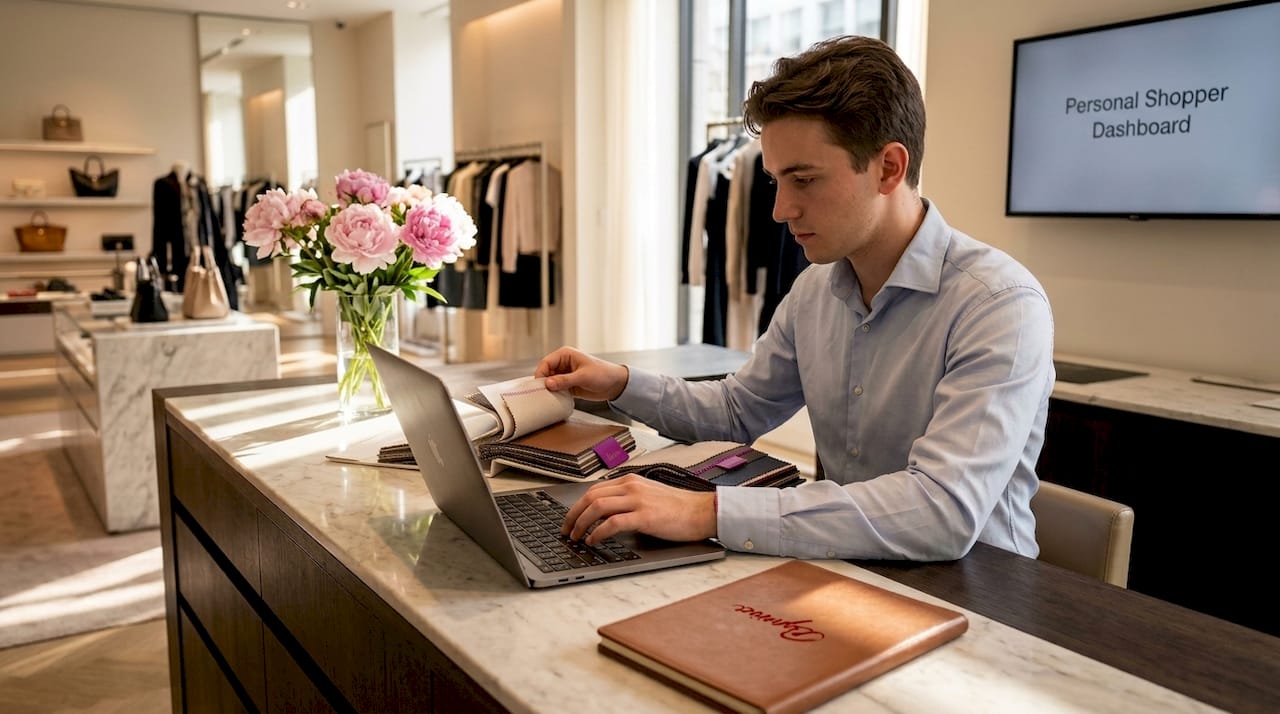
Clienteling refers to the practice of building deep, ongoing relationships between a sales associate and a specific client, using data to make every interaction feel personal and relevant. In luxury, this is not new. What is new is the scale and precision that AI enables.
| Feature | Traditional clienteling | AI-powered clienteling |
|---|---|---|
| Data sources | Purchase history, notes | Behavioral data, social signals, predictive analytics |
| Personalization depth | General preferences | Hyper-specific recommendations |
| Reach | In-store only | Omnichannel, global |
| Speed of insight | Days or weeks | Real time |
For collectors, AI-driven personalization opens access to bespoke engraving, custom leather selections, and early access to limited releases. The personal shopping benefits in 2026 are especially relevant here, as curated advisory services now use these tools to surface pieces that match your collection’s specific gaps and goals.
Pro Tip: When engaging with a luxury retailer’s personal shopping service, share your collection history openly. The more context an AI-assisted advisor has, the more precisely they can match you with pieces that will appreciate and complement what you already own.
Market dynamics: Growth, volatility, and the K-shaped recovery
As personalization changes the experience, market data tells another part of the story: where is the real growth and risk today? The numbers are striking. The handbag market reached $57.8B in 2026, growing 9.3% year over year, even as overall luxury growth remained modest. Entry-luxury segments grew 14.7%, while ultra-luxury expanded just 2.1%.
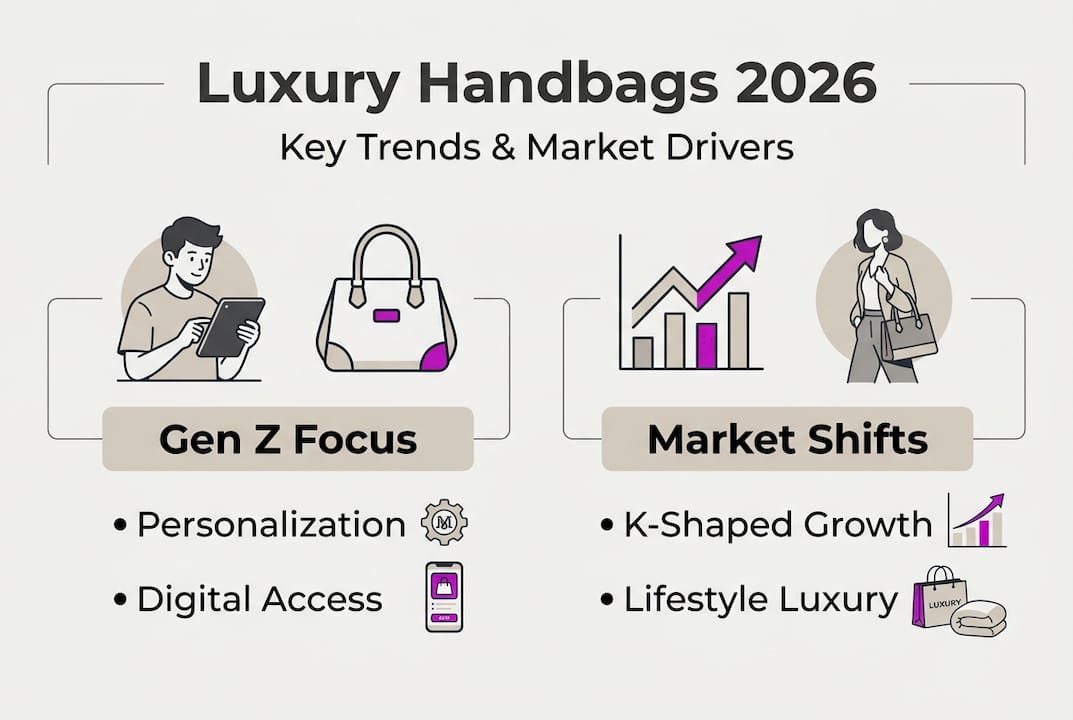
This divergence reflects what economists call a K-shaped recovery, where different tiers of the market move in opposite directions simultaneously. According to Deloitte’s 2026 luxury insights, ultra-luxury and very important client (VIC) segments remain resilient, while mid-tier luxury faces real headwinds from inflation and shifting consumer priorities.
| Segment | 2026 growth rate | Collector implication |
|---|---|---|
| Entry-luxury | +14.7% | High volume, lower retention risk |
| Mid-tier luxury | Flat to negative | Increased volatility, selective buying advised |
| Ultra-luxury | +2.1% | Stable, strong long-term value retention |
| Emerging markets | High single digits | Brand investment driving new demand |
For collectors building a portfolio with an eye toward the investment guide for 2026, the K-shaped dynamic creates a clear strategic signal. Ultra-luxury pieces from Hermès, Chanel, and Louis Vuitton continue to hold value with precision. Meanwhile, exclusivity in 2026 is becoming an even more powerful price driver as brands deliberately restrict supply to protect brand equity.
Experiences, tech, and the rise of lifestyle luxury
Beyond stats, luxury means feeling, and that is where experience and design step in. Physical retail is not dying. It is transforming into something far more compelling than a simple point of sale.
75% of luxury consumers now prioritize real-world experiences, while 70% expect augmented reality or virtual reality elements in their shopping journey. Wellness and longevity themes are actively shaping store design, with flagship locations incorporating spa services, private dining, and curated cultural events.
Three retail formats that matter most for collectors in 2026:
- Lifestyle flagships: Stores designed as destination experiences, blending retail with art, wellness, and hospitality to create emotional connection with the brand.
- Private client suites: Invitation-only spaces within flagship stores where VIC clients receive bespoke consultations, early access to new arrivals, and exclusive customization services.
- Digital-physical hybrid pop-ups: Limited-time events that combine AR-driven product exploration with physical handling of rare pieces, often tied to collection launches.
Pro Tip: Attend brand events and private client previews whenever possible. These are not just social occasions. They are intelligence-gathering opportunities where you can assess upcoming releases, gauge collector demand, and build relationships with advisors who can secure allocation for you.
For collectors seeking the must-have bags for 2026, understanding which brands are investing most heavily in experiential retail is itself a signal of brand health and long-term value. The benefits of rare bags extend well beyond aesthetics when the brand behind them is actively cultivating desire through world-class experiences.
Strategies for collectors and investors: Value in the new luxury order
With experience and market data in mind, how can savvy collectors create real value in a shifting scene? The answer lies in combining traditional connoisseurship with new data signals.
Resale success in 2026 is increasingly measured by retention rates, point-of-sale heatmaps, and Instagram engagement volume. These metrics reveal which pieces are generating genuine desire versus which are simply available. Smart collectors track these signals the same way investors track earnings reports.
A practical checklist for smart acquisitions in 2026:
- Brand exclusivity: Is the piece from a house that actively limits supply? Hermès, Chanel, and select Dior lines consistently outperform on this measure.
- Material rarity: Exotic leathers, limited colorways, and hardware variations add measurable scarcity premium.
- Provenance and authentication: Full documentation, including original receipts and authenticity certificates, is non-negotiable for resale value.
- Digital footprint: High organic social media volume around a specific model signals sustained collector demand.
- Condition and completeness: Full sets with original packaging, dust bags, and accessories command a significant premium over incomplete examples.
For those investing in designer handbags, the best luxury handbags of 2026 share a common thread: they are pieces where craftsmanship, brand narrative, and scarcity converge. Understanding value beyond style means treating each acquisition as both an aesthetic choice and a financial decision.
Perspective: Why the next luxury wave demands new collector strategies
After considering how to act, let us challenge what even veteran collectors may assume about the new luxury retail order. The old playbook, buy iconic models, hold indefinitely, sell when the market peaks, is becoming less reliable. Not because the pieces have lost their power, but because the context around them has changed fundamentally.
Emotional ROI, the satisfaction, identity, and community belonging a piece provides, now influences resale demand as much as physical rarity does. A bag that resonates with a younger generation of buyers will outperform one that does not, regardless of its age or heritage. The biggest risk for experienced collectors is not market volatility. It is rigidity: holding onto acquisition frameworks built for a market that no longer exists.
The collectors who will thrive are those who treat exclusive design insights as seriously as they treat auction results. Hybrid strategies, combining physical rarity with digital cultural relevance, are where the real upside lives. Patience remains essential, but it must be paired with genuine curiosity about where desire is moving next.
Discover your next statement piece with BVPRIVE
For those ready to step into 2026’s luxury landscape with confidence, the right partner can make all the difference. The insights in this article point to one clear truth: the collectors who act on informed, curated guidance will be best positioned to acquire pieces that hold and grow in value.
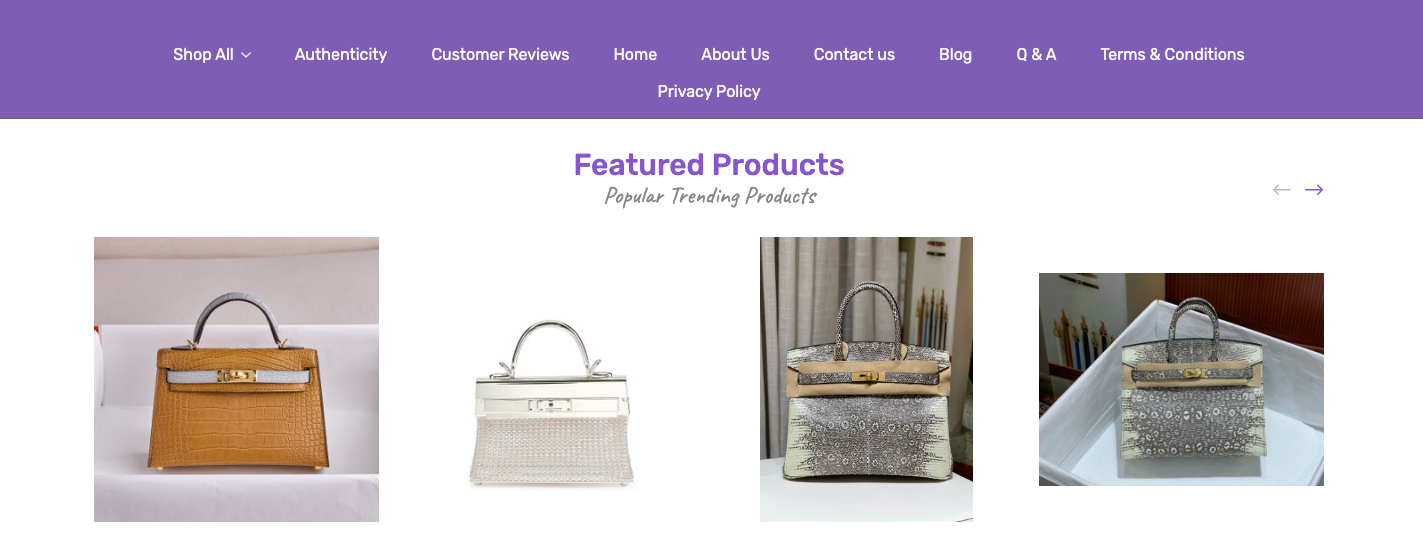
At BVPRIVE, we offer exclusive access to 2026’s most coveted handbags and accessories, from rare Hermès Birkins in exotic leathers to limited-edition Chanel 2.55 configurations. Our VIP personal shopping service connects you with advisors who understand both the emotional and financial dimensions of collecting. Browse our curated selection or reach out to speak with a specialist who can help you identify the pieces that belong in your collection.
Frequently asked questions
What is the biggest shift in luxury retail for 2026?
AI and hyper-personalization are redefining the luxury shopping experience in 2026, with brands building one-to-one client relationships at scale through technology and immersive brand experiences.
How are Gen Z and Millennials changing high-end handbags?
They demand unique customizations and value brands that deliver memorable, shareable experiences both online and offline, pushing houses to rethink everything from product design to retail format. Gen Z and Millennials are now the dominant force shaping what luxury produces.
Will high-end handbags hold their value in 2026?
Selective pieces with brand exclusivity, exotic materials, and strong digital engagement are best positioned for value retention. Resale success metrics now include social media volume alongside traditional condition and provenance factors.
What role do physical stores play with so much digital focus?
Top flagship stores now function as lifestyle destinations, blending AR/VR and wellness with private client services to keep buyers deeply engaged beyond the transaction itself.
Where is the growth in the 2026 handbag market?
Entry-luxury grows 14.7% versus ultra-luxury at 2.1%, with emerging markets driving new brand investment and the fastest volume expansion in the sector.