


Luxury Handbag Investment Guide 2026: Maximize Your Returns
BVPRIVE Editorial Team on 7th Feb 2026
Luxury Handbag Investment Guide 2026: Maximize Your Returns
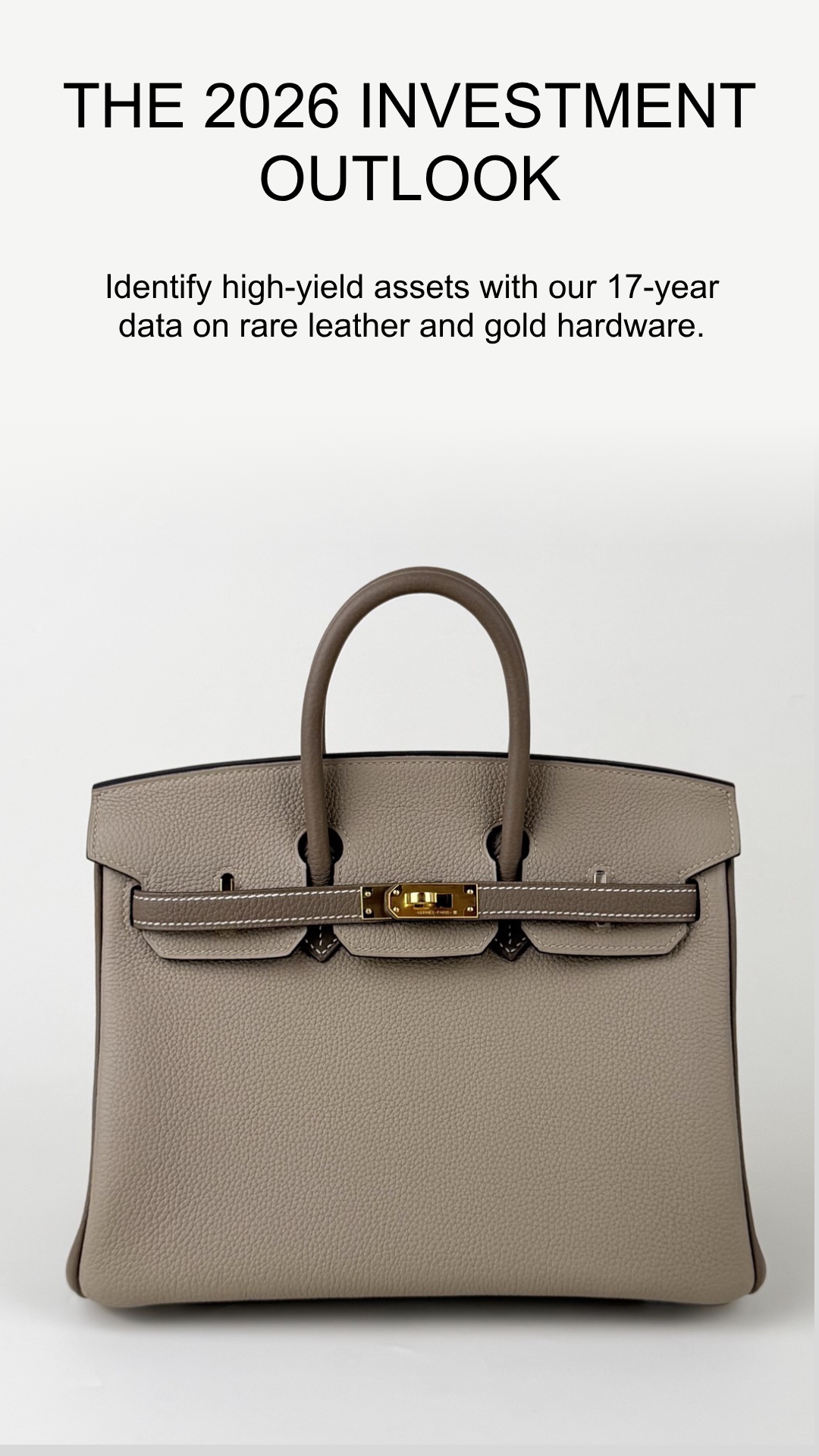
Selecting rare designer handbags with true investment potential can feel like navigating a world filled with endless options and unpredictable trends. As interest in premium accessories climbs among American and European collectors, understanding what drives lasting value is more important than ever. This guide uncovers essential strategies supported by research, including the fact that the global luxury handbag market is expected to grow from USD 23.15 billion in 2022 to USD 43.02 billion by 2030, ensuring you make informed, future-focused acquisition decisions.
Table of Contents
- Step 1: Assess Market Trends And Demand
- Step 2: Identify High-Value Designer Models
- Step 3: Evaluate Authenticity And Condition
- Step 4: Acquire Investment-Grade Handbags
- Step 5: Verify Long-Term Value And Performance
Quick Summary
| Key Insight | Explanation |
|---|---|
| 1. Research Market Trends | Analyze global luxury handbag market data to understand growth, demand, and regional preferences. |
| 2. Identify High-Value Models | Focus on designer bags with rarity, strong brand reputation, and proven resale value for investment. |
| 3. Assess Authenticity | Verify authenticity through materials, original components, and craftsmanship to ensure value retention. |
| 4. Acquire Investment-Worthy Bags | Build relationships with dealers and prioritize limited editions from leading luxury brands. |
| 5. Monitor Long-Term Performance | Continuously track market trends and resale values to evaluate investment growth and market positioning. |
Step 1: Assess Market Trends and Demand
Successfully investing in luxury handbags requires understanding complex market dynamics that drive value and collector interest. In this section, we’ll explore how to analyze current market trends and evaluate demand for premium designer accessories.
To begin your research, focus on examining global luxury handbag market projections. These reports reveal critical insights into market growth, regional preferences, and emerging consumer behaviors. Key areas to investigate include:
- Market Size: Current total market valuation
- Growth Rate: Projected annual expansion percentage
- Regional Variations: Performance across North America, Europe, and Asia Pacific
- Consumer Demographics: Age groups and spending patterns
The luxury handbag investment landscape is remarkably dynamic. Market research indicates the global market is expected to expand from USD 23.15 billion in 2022 to USD 43.02 billion by 2030, representing a robust 8.06% compound annual growth rate.
Understanding market trends isn’t just about numbers—it’s about recognizing the story behind collector preferences and investment potential.
Specifically track these critical trend indicators:
- Digital Platform Influence: Online retail’s impact on market accessibility
- Sustainability Factors: Growing preference for ethically produced luxury items
- Personalization Trends: Custom and limited-edition pieces driving collector interest
- Economic Indicators: Disposable income levels in target markets
Pro tip: Subscribe to multiple market research platforms and cross-reference data to develop a nuanced understanding of luxury handbag investment trends.
Step 2: Identify High-Value Designer Models
Successful luxury handbag investing hinges on identifying designer models that demonstrate exceptional value retention and potential appreciation. This step requires strategic research and a nuanced understanding of collector market dynamics.
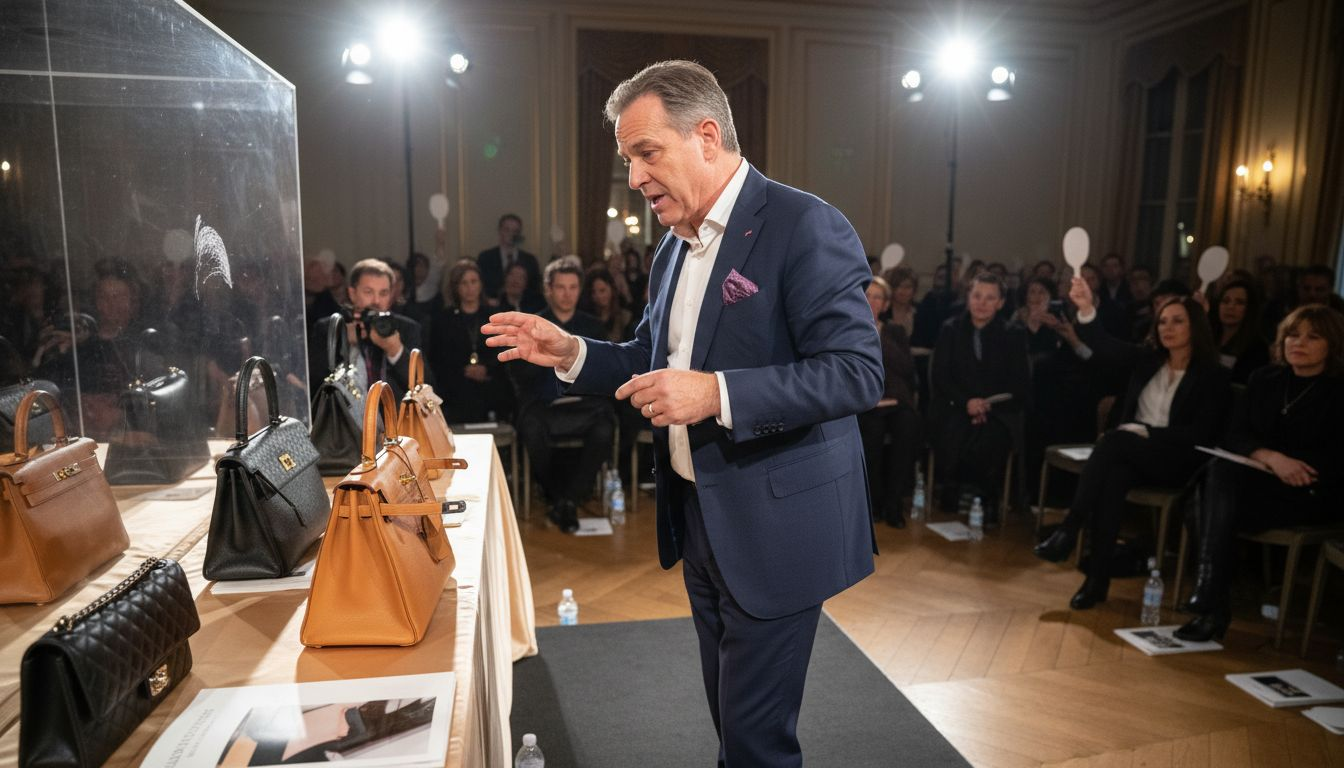
Academic research analyzing luxury handbag investments reveals critical insights into which designer models consistently outperform market expectations. Specifically, certain iconic bags from premier brands like Hermès, Chanel, and Louis Vuitton have proven to be remarkable financial instruments.
When identifying high-value designer models, focus on these key characteristics:
- Rarity: Limited edition or hard-to-acquire pieces
- Brand Reputation: Established luxury houses with consistent market performance
- Historical Value: Models with proven appreciation trajectory
- Condition: Pristine or near-mint items
Not all designer bags are created equal—some are genuine investment-grade assets, while others are merely fashionable accessories.
Your target models should meet several critical criteria. Research indicates that top-performing designer bags like the Hermès Birkin can generate an average annual value increase of 14.2%, significantly surpassing standard market returns.
Key brands and models to investigate include:
- Hermès: Birkin and Kelly lines
- Chanel: Classic 2.55 and Boy Bag models
- Louis Vuitton: Limited edition and collaboration pieces
- Dior: Rare vintage and runway collections
Pro tip: Develop relationships with authorized dealers and attend luxury auction events to gain insider access to truly exceptional and investment-worthy designer handbags.
Here’s a quick comparison of the top luxury handbag brands for investment potential:
| Brand | Iconic Models | Average Annual Appreciation | Collector Demand Level |
|---|---|---|---|
| Hermès | Birkin, Kelly | 14.2% | Very High |
| Chanel | Classic 2.55, Boy Bag | 7-10% | High |
| Louis Vuitton | Limited Editions | 6-8% | Consistently Strong |
| Dior | Vintage, Runway Pieces | 5-7% | Growing |
Step 3: Evaluate Authenticity and Condition
Successful luxury handbag investment requires a meticulous approach to assessing both authenticity and condition, as these factors directly impact potential value and marketability. Your ability to discern genuine, well-preserved pieces will separate strategic investments from mere fashion purchases.
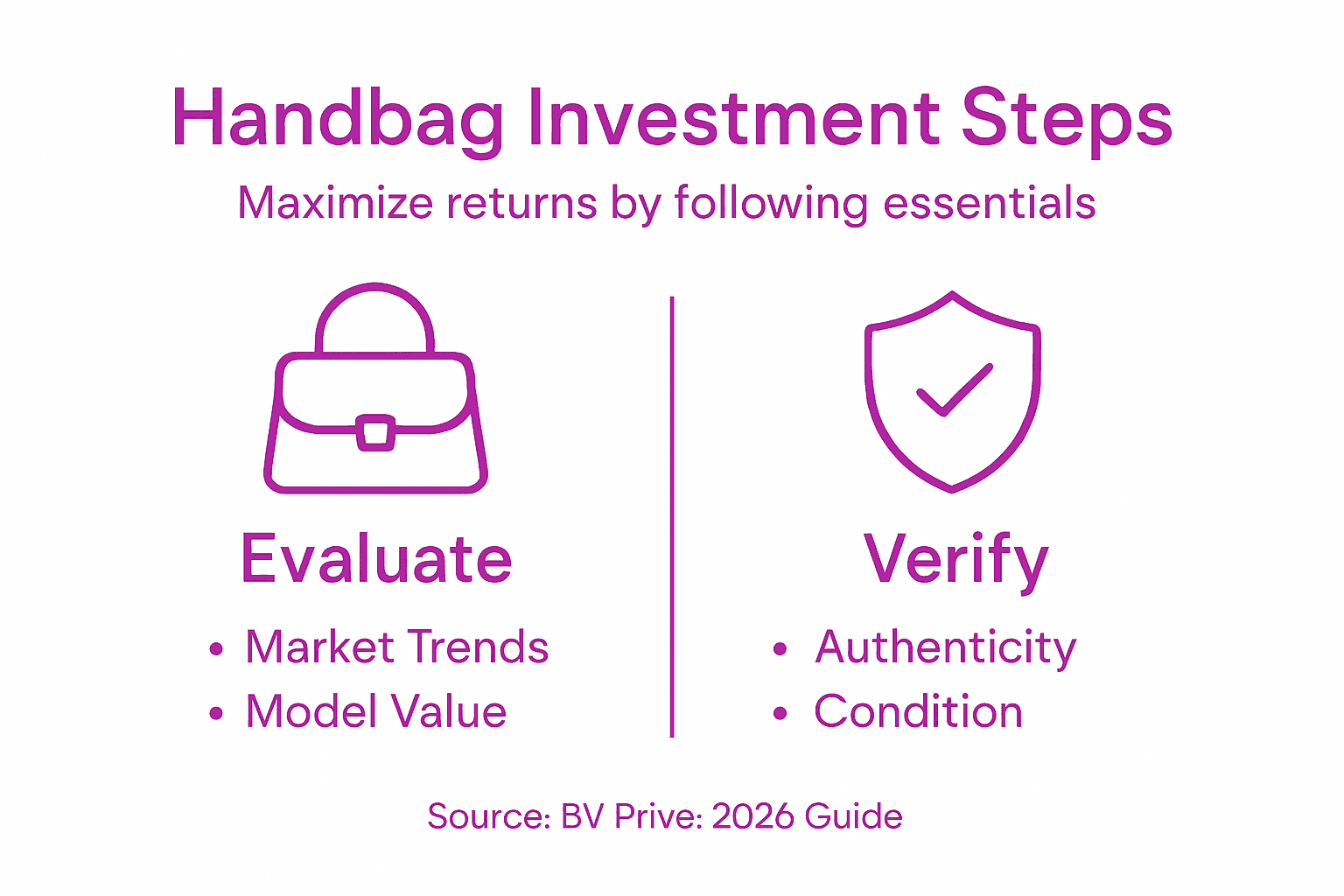
Authenticity experts emphasize critical evaluation criteria for determining a handbag’s investment potential. Understanding these nuanced factors is crucial for making informed purchasing decisions.
Key evaluation criteria include:
- Material Integrity: Examining leather quality, stitching, and hardware
- Original Components: Verifying all original tags, dust bags, and packaging
- Craftsmanship Details: Checking precise manufacturing techniques
- Wear and Restoration: Assessing existing damage or professional repairs
Not all imperfections devalue a bag—some tell a story of authenticity and careful use.
Pre-owned luxury handbag assessments reveal several critical inspection points:
- Verify Brand Authenticity
- Document Condition Thoroughly
- Examine Hardware and Stitching
- Check Serial Numbers and Authenticity Cards
- Assess Overall Structural Integrity
Specific red flags that signal potential counterfeits include:
- Inconsistent logo placement
- Low-quality hardware
- Incorrect font or stitching patterns
- Misaligned patterns or prints
Pro tip: Invest in professional authentication services and always request comprehensive condition reports before finalizing any luxury handbag purchase.
Use this summary to guide your authenticity checks:
| Inspection Focus | Why It Matters | Common Red Flag |
|---|---|---|
| Brand Markings | Confirms genuine origin | Inconsistent logo placement |
| Craftsmanship Quality | Indicates luxury standards | Uneven or poor stitching |
| Original Accessories | Supports provenance | Missing authenticity cards |
| Serial Numbers | Verifies limited production | Incorrect numbering format |
Step 4: Acquire Investment-Grade Handbags
Navigating the complex world of luxury handbag investments requires strategic sourcing and a discerning eye for truly exceptional pieces. Your goal is to build a collection that not only reflects exquisite taste but also promises robust financial potential.
Luxury handbag investment strategies emphasize the critical importance of selecting brands with proven heritage and exceptional craftsmanship. Understanding the nuanced landscape of designer collectibles will set you apart as a sophisticated investor.
Key considerations when acquiring investment-grade handbags include:
- Brand Reputation: Focus on renowned luxury houses
- Production Scarcity: Prioritize limited edition models
- Condition Quality: Seek pristine or near-mint pieces
- Provenance Documentation: Ensure complete original paperwork
Not all luxury bags are created equal—true investment pieces tell a story of craftsmanship and exclusivity.
Prioritize these premier brands known for investment reliability:
- Hermès: Top-tier investment potential
- Chanel: Classic designs with consistent value
- Louis Vuitton: Strong secondary market performance
- Dior: Emerging collector favorite
Strategic acquisition methods include:
- Attending exclusive auction events
- Building relationships with authorized dealers
- Monitoring limited edition releases
- Studying collector market trends
Pro tip: Develop a network of trusted authentication experts and cultivate relationships with specialized luxury resellers to access rare, investment-worthy handbags before they hit mainstream markets.
Step 5: Verify Long-Term Value and Performance
Successful luxury handbag investment extends far beyond initial acquisition—it requires sophisticated ongoing evaluation of market performance and potential appreciation. Your strategy must transcend aesthetic appeal and delve into nuanced financial analysis.
Longitudinal studies of designer handbag investments reveal critical insights into sustained value creation. Understanding these complex market dynamics separates casual collectors from serious investors.
Key performance verification metrics include:
- Price Appreciation Rate: Historical value growth trajectory
- Market Demand Indicators: Global collector interest
- Rarity Factor: Limited production volume
- Brand Resilience: Consistent market positioning
Not all luxury bags appreciate equally—true investment pieces demonstrate measurable financial sophistication.
Luxury handbag market research highlights essential evaluation strategies:
- Track Comprehensive Market Data
- Monitor Global Resale Platforms
- Analyze Brand Heritage Trends
- Evaluate Scarcity Metrics
Critical performance indicators to assess:
- Secondary market transaction volumes
- Average resale price trends
- Auction house valuation patterns
- International collector sentiment
Pro tip: Develop a systematic tracking methodology using specialized luxury asset management tools to continuously monitor your handbag collection’s financial performance and market positioning.
Elevate Your Luxury Handbag Investment Journey Today
Navigating the complex world of luxury handbag investments requires access to authentic, rare, and limited-edition pieces from the most reputable designers. This article highlights the challenges of identifying investment-grade handbags like Hermès Birkin, Chanel 2.55, and exclusive Louis Vuitton editions that retain and appreciate in value over time. You deserve a trusted platform that not only offers unparalleled exclusivity but also ensures authenticity and pristine condition for your collection.
At BV Prive, we specialize in providing exactly what serious collectors and luxury enthusiasts seek. Our curated selection features investment-worthy handbags with verified provenance and exquisite craftsmanship. Whether you are looking for iconic classics or emerging collectible favorites, our global service offers tax-free delivery and VIP personal shopping tailored for your refined taste.
Start maximizing your returns by exploring a portfolio built on exclusivity and authenticity. Visit the BV Prive landing page now to browse exceptional handbags and gain access to rare finds. Secure your next investment piece with confidence and elevate your luxury lifestyle through trusted expertise and premier service.
Frequently Asked Questions
What are key market trends to consider before investing in luxury handbags?
Understanding key market trends is essential for successful investment. Focus on market size, growth rates, and consumer demographics to gauge demand. Track indicators like online retail influence and sustainability preferences to refine your investment strategy.
How do I identify high-value designer handbags for investment?
To identify high-value designer handbags, focus on rarity, brand reputation, and historical value. Look for limited edition models in pristine condition to maximize potential appreciation. Set criteria based on recent market research to guide your selections.
What are the main factors to evaluate when checking authenticity and condition?
Evaluate authenticity and condition by inspecting material quality, original components, and craftsmanship details. Thoroughly document the overall condition and watch for specific red flags like inconsistent logo placements and poor stitching. Always prioritize handbags that show minimal wear and have complete documentation.
How can I acquire investment-grade handbags effectively?
Focus on acquiring investment-grade handbags through trusted sources and exclusive auctions. Build relationships with authorized dealers and monitor limited edition releases to identify pieces with high investment potential. This targeted approach will help you build a valuable collection.
What metrics should I use to verify a luxury handbag’s long-term value?
To verify long-term value, track price appreciation rates and market demand indicators. Analyze historical value growth and monitor transaction volumes on resale platforms. Establish a tracking method to evaluate your handbag collection’s performance periodically.
How can I stay updated on luxury handbag market trends?
Subscribe to multiple market research platforms and follow luxury handbag auctions and sales. Regularly analyze market reports to understand evolving consumer preferences and investment potential. This proactive approach will help keep your investment strategy relevant and informed.