


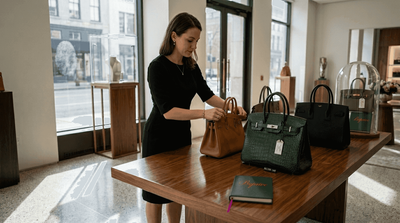
Exclusive handbag leathers: selection and luxury value
BVPRIVE Editorial Team on 11th Mar 2026
Exclusive handbag leathers: selection and luxury value
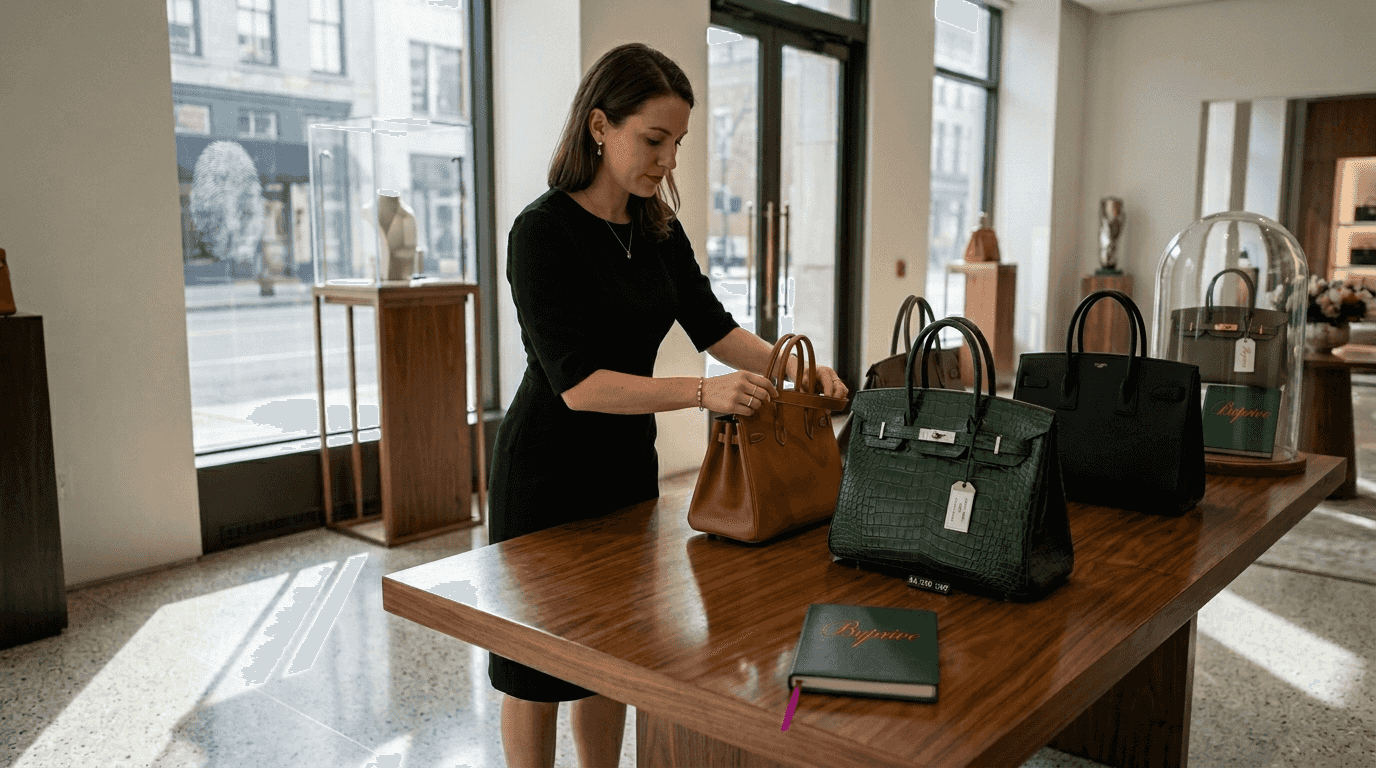
Selecting the right leather for a luxury handbag is far more complex than many buyers realize. The material defines not just the bag’s appearance but its durability, aging characteristics, and ultimate resale value. From traditional calfskin to rare exotic skins, each leather type brings distinct qualities shaped by tanning methods, finishing techniques, and brand heritage. Understanding these differences empowers collectors to make informed decisions that balance aesthetics, investment potential, and personal preferences.
Table of Contents
- How To Evaluate Exclusive Handbag Leathers: Selection Criteria And Tanning Methods
- Iconic Exclusive Handbag Leathers: Key Examples And Their Luxury Appeal
- Rare Exotic Leathers And Their Impact On Handbag Value And Exclusivity
- Comparing Exclusive Handbag Leathers: Durability, Aesthetics, And Investment Value
- Discover Exclusive Luxury Handbags Tailored For Discerning Collectors
Key takeaways
| Point | Details |
|---|---|
| Tanning methods determine leather characteristics | Vegetable tanning results in firmer leather with natural scent, while chrome tanning produces softer, water-resistant materials. |
| Hermès Togo leather dominates collector markets | Togo is the most preferred Hermès leather for its scratch resistance, texture, and durability. |
| Exotic skins command premium prices | Himalayan crocodile Birkins sold for over $300,000 at auction, demonstrating rarity’s dramatic impact on value. |
| Regulations govern exotic leather trade | CITES and tagging programs ensure legal, sustainable sourcing of exotic skins internationally. |
| Leather choice affects investment potential | Material selection influences durability, shape retention, and resale desirability in secondary markets. |
How to evaluate exclusive handbag leathers: selection criteria and tanning methods
Understanding tanning processes is essential for evaluating exclusive handbag leathers. Two primary methods dominate luxury production: vegetable tanning and chrome tanning. Vegetable tanning results in firmer leather with a natural scent and distinctive hand feel. This ancient technique uses plant-based tannins, creating materials that develop rich patinas over time.
Chrome tanning, by contrast, produces softer and more water-resistant leather. The process is faster and less expensive than vegetable tanning but yields different aesthetic outcomes. Chrome-tanned leathers maintain color consistency better and resist moisture more effectively. However, they lack the warm aging characteristics that many collectors prize in vegetable-tanned alternatives.
The tanning method directly impacts several critical factors. Firmness affects how well a bag holds its shape over years of use. Color stability determines whether the leather maintains its original hue or develops desirable patina. Water resistance influences care requirements and everyday usability. Smell provides subtle sensory cues that discerning buyers appreciate.
Vegetable tanning is an ancient and expensive process producing distinct texture unavailable through modern chemical methods. The extended timeline allows tannins to penetrate deeply, creating structural integrity. This foundation supports the craftsmanship in luxury bags that defines heritage brands.
When evaluating leathers, assess the hand, meaning how the material feels when touched and manipulated. Quality leathers should feel supple yet substantial, never papery or overly stiff. Check for uniform grain patterns without excessive corrections or embossing that might hide imperfections. Examine color depth and consistency across the hide.
Pro Tip: Smell the leather before purchasing. Authentic vegetable-tanned materials emit an earthy, slightly sweet aroma, while chrome-tanned leathers have minimal scent. Chemical odors suggest lower quality or synthetic treatments.
Durability considerations extend beyond simple wear resistance. Premium leathers should age gracefully, developing character rather than simply deteriorating. Texture evolution, color deepening, and subtle sheen development all contribute to long-term aesthetic appeal. Environmental factors like humidity and sunlight exposure affect different leathers uniquely, influencing maintenance routines and storage requirements.
Iconic exclusive handbag leathers: key examples and their luxury appeal
Several leathers have achieved iconic status within luxury handbag markets. Togo leather is the most preferred Hermès leather, valued by collectors for its pebbled texture and exceptional resistance to scratches and water. This calfskin material maintains shape beautifully while developing subtle patina that enhances rather than diminishes appearance.
Togo’s slightly raised grain provides textural interest without appearing overly casual. The material works equally well in structured bags like the Birkin and softer designs like the Evelyne. Weight falls in a moderate range, making bags substantial without becoming burdensome. Collectors appreciate how Togo maintains fresh appearance even after years of regular use.
Buttero represents the pinnacle of vegetable-tanned luxury leather. This Italian calfskin arrives firm and waxy, requiring break-in time that many enthusiasts enjoy. The natural aging process produces warm honey tones and distinctive cracking patterns that authenticate use and care. Buttero vegetable-tanned leather features distinct feels and aging characteristics that appeal to purists.
Alran Samoa chèvre brings goat leather into the luxury conversation. This French material offers incredibly fine grain paired with surprising durability. The hand feels softer than calfskin while maintaining structural integrity. Lightweight properties make Samoa ideal for larger bags where weight becomes a consideration. The material resists scratching impressively despite its delicate appearance.
Other notable leathers include:
- Epsom: embossed calfskin with rigid structure and excellent shape retention
- Clemence: natural-grain calfskin softer than Togo with relaxed drape
- Ostrich: exotic skin with distinctive quill patterns and buttery texture
- Lambskin: supremely soft but requiring careful handling to avoid scratches
Each leather’s properties create different ownership experiences. Epsom bags maintain crisp lines indefinitely but lack the warm patina of vegetable-tanned alternatives. Clemence offers casual elegance but may slouch in larger formats. Ostrich provides exotic luxury with easier care than crocodile. Lambskin delivers unmatched softness at the cost of vigilant maintenance.
Understanding these distinctions helps buyers align material choices with lifestyle needs. A daily-carry bag benefits from Togo’s durability, while special-occasion pieces might showcase ostrich or lambskin. Top exclusive designer bags demonstrate how strategic leather selection enhances both function and prestige.
Rare exotic leathers and their impact on handbag value and exclusivity
Exotic leathers occupy the apex of luxury handbag materials. Crocodile skins, particularly Porosus and Niloticus varieties, command extraordinary prices due to limited availability and labor-intensive processing. Hermès Birkin bags from Himalayan crocodile sold for over $300,000, demonstrating how rarity transforms functional items into investment assets.
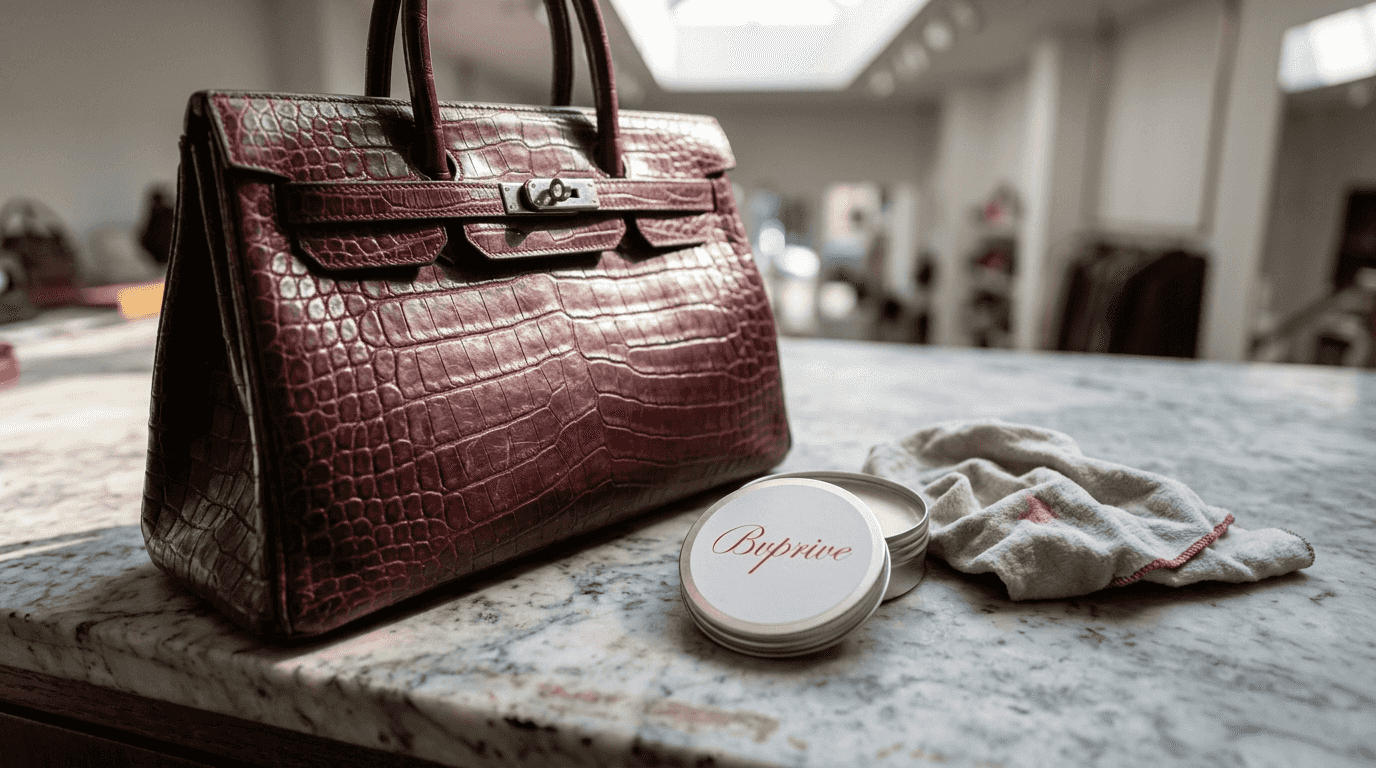
Crocodile Porosus represents the highest tier of exotic skins. Sourced from Australian saltwater crocodiles, this material features smaller, more symmetrical scales than other varieties. The belly skin provides optimal surface area for handbag panels. Hermès Crocodile Porosus is the highest valued crocodile leather among collectors and auction houses.
Niloticus crocodile, harvested from African Nile crocodiles, offers slightly larger scales with comparable luxury appeal. Price differences between Porosus and Niloticus reflect supply dynamics rather than quality disparities. Both require expert craftsmanship to transform rough hides into supple handbag materials. The tanning and finishing process for exotic skins demands specialized knowledge unavailable in standard leather workshops.
Alligator presents an alternative to crocodile with distinct visual characteristics. The scale patterns feature more uniformity and less variation than crocodile counterparts. Mississippi alligator farms provide most luxury-grade skins, ensuring consistent quality and legal sourcing. Alligator generally costs less than crocodile while maintaining exotic luxury status.
International regulations significantly impact exotic leather markets. CITES regulations and tagging ensure legal trade of exotic skins internationally, preventing endangered species exploitation. Each skin receives unique documentation tracking its origin and processing chain. Buyers should verify CITES compliance before purchasing to ensure ethical and legal acquisition.
Finishing techniques dramatically alter exotic leather appearance:
- Lisse: high-gloss finish achieved through extensive polishing
- Matte: natural appearance with minimal surface treatment
- Shiny versus matte impacts formality and versatility in styling
- Glazing affects water resistance and maintenance requirements
Pro Tip: Matte exotic finishes often command higher prices than shiny versions because they showcase natural scale beauty without artificial enhancement.
Conservation ethics intersect with luxury markets in complex ways. Regulated farming provides economic incentives for species preservation while raising animal welfare questions. Ethical debates weigh conservation benefits against welfare concerns in exotic skin production. Responsible buyers research sourcing practices and support transparent supply chains.
The investment potential of exotic leather bags stems from multiple factors. Limited production runs create artificial scarcity. Heritage brand provenance adds premium value. Condition preservation becomes easier with exotic skins that resist everyday wear better than conventional leathers. Auction results consistently demonstrate strong appreciation for well-maintained exotic pieces, particularly rare Hermès bags for collectors.
Market dynamics favor specific exotic materials over others. Himalayan crocodile, despite being regular Niloticus treated to achieve gradient coloring, achieves astronomical prices due to aesthetic appeal and production difficulty. Ostrich, while exotic, remains more accessible due to farming efficiency. Understanding these market hierarchies helps collectors make strategic acquisition decisions that balance personal preference with handbag collectibility and rarity considerations.
Comparing exclusive handbag leathers: durability, aesthetics, and investment value
Direct comparisons reveal how leather choices impact ownership experiences. The following table summarizes key distinctions:
| Leather Type | Durability | Scratch Resistance | Water Resistance | Aging Character | Investment Appeal |
|---|---|---|---|---|---|
| Togo | Excellent | High | Moderate | Subtle patina | Very High |
| Epsom | Excellent | Very High | High | Minimal change | High |
| Buttero | Very Good | Moderate | Low | Rich patina | Moderate |
| Clemence | Good | Moderate | Moderate | Soft patina | Moderate |
| Crocodile | Outstanding | Very High | High | Lustrous aging | Exceptional |
| Ostrich | Very Good | High | Moderate | Minimal change | High |
Leather choice influences durability and value across multiple dimensions beyond simple wear resistance. Shape retention affects whether bags maintain architectural integrity or develop relaxed silhouettes over time. Togo and Epsom excel at preserving crisp lines, making them ideal for structured designs. Clemence naturally softens, creating casual elegance suitable for slouchy styles.
Scratch resistance varies dramatically between materials. Exotic skins generally outperform calfskin due to natural scale armor and specialized finishing. Among conventional leathers, Epsom’s embossed texture hides minor damage effectively while Togo’s grain naturally disguises light scratches. Buttero and lambskin show every mark, which some collectors view as authentic patina development rather than damage.
Water resistance correlates with tanning method and surface treatment. Chrome-tanned leathers like Epsom resist moisture better than vegetable-tanned alternatives. Exotic skins typically receive protective finishes enhancing water resistance. Buttero requires immediate attention if exposed to rain, while treated crocodile sheds water readily.
Aesthetic evolution separates materials into distinct categories:
- Patina developers: Buttero, vegetable-tanned calfskin, matte exotics
- Stable appearance: Epsom, chrome-tanned materials, glazed exotics
- Subtle evolution: Togo, Clemence, Samoa chèvre
- Minimal change: Ostrich, heavily finished leathers
Collectors who appreciate visible aging prefer patina-developing leathers that tell usage stories. Those valuing consistent appearance favor stable materials maintaining original condition indefinitely. Neither approach is superior; alignment with personal aesthetic philosophy determines optimal choice.
Togo and Epsom dominate resale markets for Birkins and Kellys due to proven durability and broad appeal. Buyers seeking designer bags value retention should prioritize these established favorites. Exotic leathers command premium resale prices when properly maintained, particularly limited colors and rare skins.
Care requirements scale with material delicacy:
- Low maintenance: Togo, Epsom, treated exotics
- Moderate care: Clemence, Samoa, ostrich
- High attention: Buttero, lambskin, matte exotics
Understanding maintenance commitments before purchase prevents buyer’s remorse. Daily-use bags benefit from forgiving materials requiring minimal intervention. Special pieces might justify intensive care routines that preserve pristine condition. Selecting rare handbags involves balancing material preferences with realistic lifestyle compatibility.
Investment value extends beyond simple resale potential. Emotional satisfaction, usage pleasure, and aesthetic alignment all contribute to ownership returns. A bag that remains unused due to impractical material choice delivers poor value regardless of market price. Conversely, well-loved pieces in durable leathers provide daily joy while maintaining financial worth.
Discover exclusive luxury handbags tailored for discerning collectors
Now that you understand leather selection fundamentals, explore how these principles apply to actual acquisition decisions. BVPRIVE specializes in authenticating and curating exceptional luxury handbags featuring the exclusive leathers discussed throughout this guide. Our collection showcases pieces in Togo, exotic skins, and rare materials that exemplify the craftsmanship and investment potential you’ve learned to recognize.
Every bag in our luxury handbag collection undergoes rigorous authentication ensuring genuine materials and construction. We provide detailed leather specifications, provenance documentation, and care guidance to support informed purchasing. Whether you seek a daily-carry Birkin in durable Togo or a collector-grade exotic piece, our expertise helps match material properties with your specific needs.
Explore our craftsmanship insights to deepen understanding of how heritage brands transform raw leathers into timeless accessories. Learn why certain materials and constructions justify premium pricing while others represent better value propositions. Discover strategies for investment in rare handbags that balance personal enjoyment with financial appreciation potential.
Frequently asked questions
What makes a leather exclusive for luxury handbags?
Exclusive leathers combine rarity, superior quality, and specialized processing unavailable in mass-market materials. They often originate from heritage tanneries using proprietary techniques perfected over generations. Brand partnerships and limited production quantities create scarcity that enhances desirability and value among collectors.
How does tanning affect handbag leather feel and durability?
Vegetable tanning produces firmer leather with waxy hand and natural aging characteristics but lower water resistance. Chrome tanning creates softer, more pliable materials with better moisture protection. The choice fundamentally determines bag character, maintenance needs, and long-term appearance evolution.
Are exotic leather handbags ethically sourced?
Reputable brands comply with CITES and tagging programs tracking exotic skins from farm to finished product. International regulations govern trade, ensuring legal harvesting and preventing endangered species exploitation. However, ethical debates continue regarding animal welfare versus conservation benefits of regulated farming. Buyers should verify documentation and research brand sourcing practices before purchasing limited edition bags.
Which leather offers the best investment potential?
Togo and exotic skins consistently demonstrate strong resale performance due to durability and collector demand. Hermès bags in these materials often appreciate rather than depreciate when properly maintained. However, investment success requires authentic pieces, desirable colors, and excellent condition. Market trends shift, so diversification across materials and brands reduces risk.
How do I care for different luxury handbag leathers?
Care varies by material. Togo and Epsom tolerate regular use with occasional conditioning. Vegetable-tanned leathers need more frequent treatment to prevent drying. Exotic skins require specialized products and gentle handling. Always use color-appropriate conditioners, store bags in dust covers away from sunlight, and address stains immediately. Professional cleaning services handle major issues better than DIY attempts.
Does leather choice affect handbag shape retention?
Absolutely. Firm leathers like Epsom and exotic skins maintain architectural lines indefinitely. Softer materials like Clemence naturally slouch, creating relaxed silhouettes. Togo offers middle ground with moderate structure. Understanding these tendencies helps predict how bags age and whether they suit your aesthetic preferences for crisp versus casual appearances.