


Role of Craftsmanship in Luxury Bags: Why Quality Matters
BVPRIVE Editorial Team on 29th Jan 2026
Role of Craftsmanship in Luxury Bags: Why Quality Matters

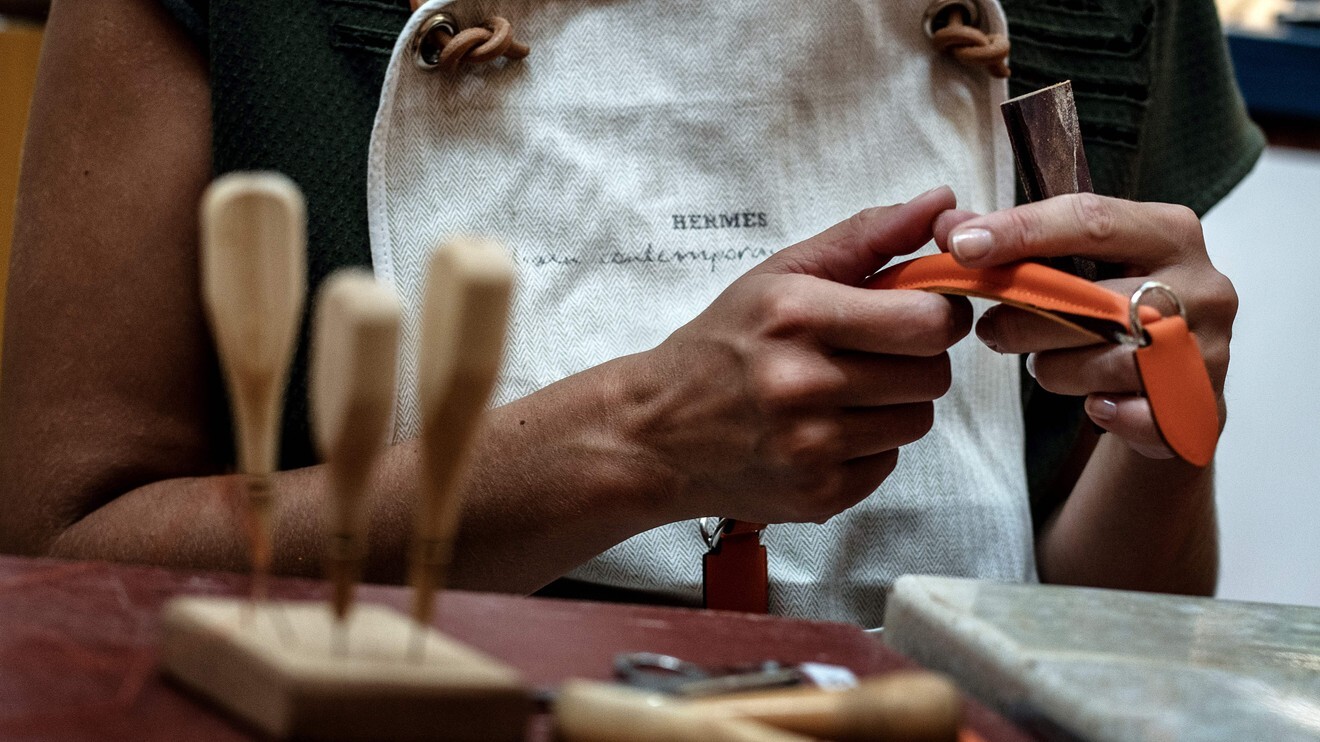
Choosing a true luxury handbag often means distinguishing fleeting trends from pieces shaped by generations of expertise. For collectors and investors, the difference lies in genuine craftsmanship—a quality that blends tradition, artistry, and innovation into every stitch and surface. Luxury craftsmanship involves a complex blend of traditional techniques and modern creativity, setting renowned brands like Hermès and Chanel apart. Understanding these nuances reveals the hidden value behind collector pieces and offers deeper insight into what makes a handbag exceptional.
Table of Contents
- Craftsmanship Defined in Luxury Handbags
- Variations in Artisan Techniques and Materials
- Key Features Distinguishing High-End Bags
- Authenticity, Value, and Investment Potential
- Risks of Poor Craftsmanship and How to Avoid
Key Takeaways
| Point | Details |
|---|---|
| Craftsmanship is Central to Value | Luxury handbags are more than accessories; they embody artisan skills and cultural significance, making craftsmanship a key indicator of value. |
| Assessment of Quality | Evaluate luxury handbags by examining stitching precision, material quality, and interior detailing to determine true craftsmanship. |
| Authenticity Matters | Provenance and original documentation significantly enhance a handbag’s investment potential; always retain original packaging and receipts. |
| Awareness of Risks | Poor craftsmanship can lead to diminished value and brand reputation, so prioritize quality checks and material sourcing to mitigate risks. |
Craftsmanship Defined in Luxury Handbags
Craftsmanship in luxury handbags transcends mere manufacturing - it represents an intricate art form where tradition, skill, and innovation converge. Luxury craftsmanship involves a complex blend of traditional techniques and modern creativity, creating products that are far more than simple accessories.
At its core, luxury handbag craftsmanship represents a meticulous process where artisan expertise transforms raw materials into extraordinary pieces. Each handbag becomes a testament to generations of specialized skills, with artisans dedicating years to perfecting techniques passed down through generations. These craftspeople understand that true luxury isn’t just about appearance, but about the nuanced details that elevate a product from ordinary to exceptional.
Key characteristics of exceptional luxury handbag craftsmanship include:
- Handmade precision with minimal machine intervention
- Use of premium, carefully selected materials
- Intricate detailing that requires specialized training
- Preservation of traditional manufacturing techniques
- Commitment to sustainability and ethical production methods
Understanding craftsmanship means recognizing that each luxury handbag tells a unique story. Cultural heritage intertwines with commercial innovation to create objects that are simultaneously functional, artistic, and deeply meaningful. The value extends beyond mere aesthetic appeal - these pieces represent investment-grade items that capture cultural significance and personal expression.
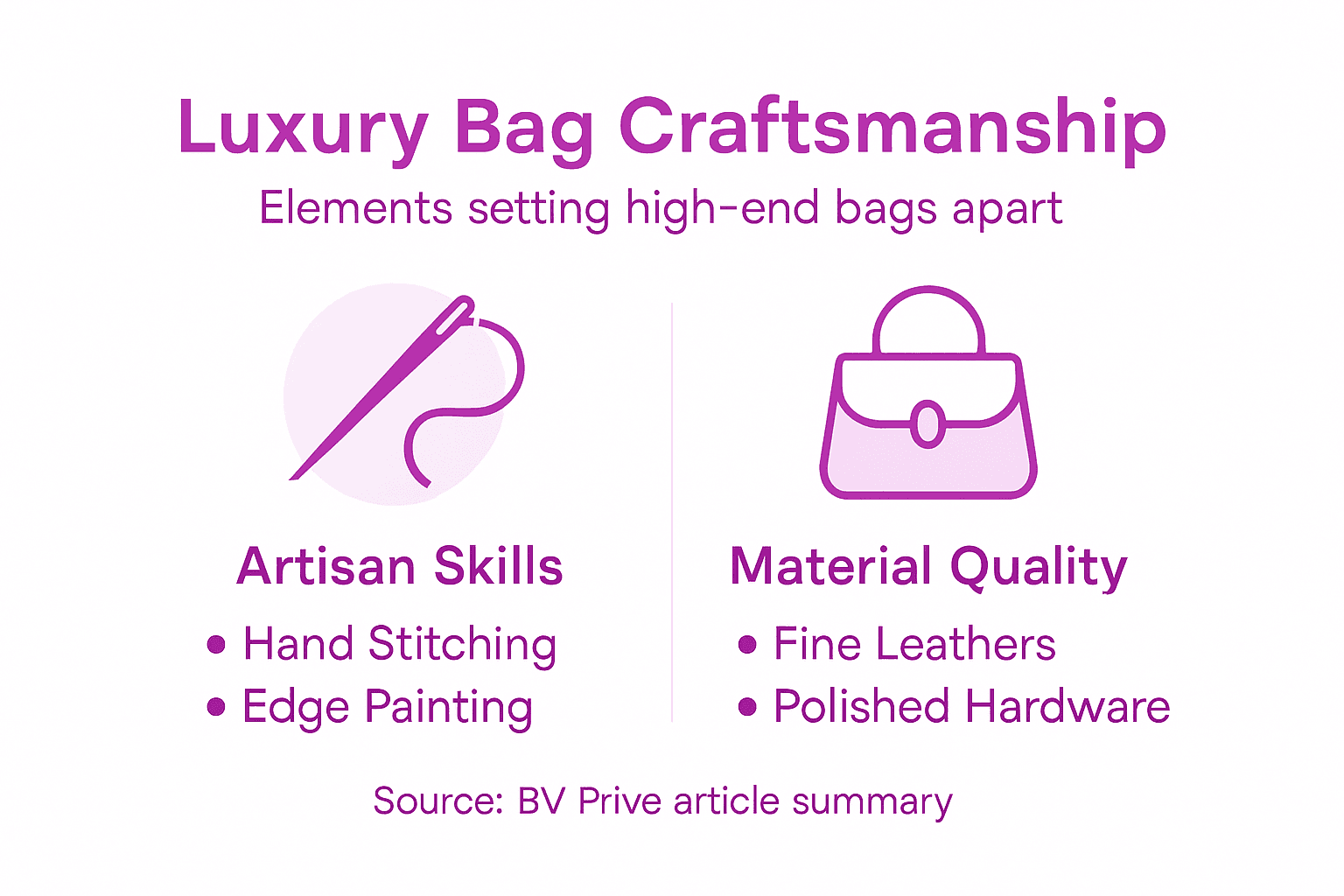
Pro tip: When evaluating a luxury handbag’s craftsmanship, examine the precision of stitching, symmetry of design, and quality of materials as indicators of true artisan skill.
Variations in Artisan Techniques and Materials
Artisan techniques in luxury handbag creation represent a sophisticated dance between traditional craftsmanship and contemporary innovation. Diverse design collaborations blend cultural heritage with modern aesthetic values, transforming each handbag into a unique artistic expression.
The landscape of luxury handbag materials is remarkably complex, involving intricate selection processes that go far beyond conventional leather work. High-end brands utilize innovative materials like advanced textiles and resilient synthetic fabrics, expanding the traditional boundaries of luxury accessory design. Modern artisans skillfully integrate computerized cutting techniques with hand-embroidered details, creating pieces that honor historical craft while embracing technological precision.
Key variations in artisan techniques include:
- Traditional hand-stitching methods from different cultural regions
- Computer-assisted design and pattern cutting
- Specialized leather treatments and surface embellishments
- Experimental material combinations
- Sustainable and eco-friendly production approaches
These techniques reflect not just manufacturing processes, but profound cultural narratives. Each handbag becomes a canvas where technological innovation meets generational skill, representing complex global design philosophies that transcend simple functionality.
Here’s a comparison of traditional vs. modern artisan techniques in luxury handbag production:
| Aspect | Traditional Techniques | Modern Innovations |
|---|---|---|
| Core Process | Hand-stitching, manual cutting | Computerized pattern cutting |
| Material Selection | Premium natural leathers | Advanced synthetics, eco textiles |
| Detailing Approach | Intricate hand embroidery | Precision digital finishes |
| Cultural Influence | Preserves heritage and legacy | Fuses global contemporary design |
Pro tip: When examining a luxury handbag’s craftsmanship, look beyond surface aesthetics and appreciate the nuanced techniques that distinguish truly exceptional pieces.
Key Features Distinguishing High-End Bags
Luxury handbags represent far more than simple accessories - they are intricate design statements where every detail matters. High-end bags are distinguished by meticulous quality indicators that elevate them beyond ordinary accessories, creating objects of exceptional craftsmanship and enduring value.
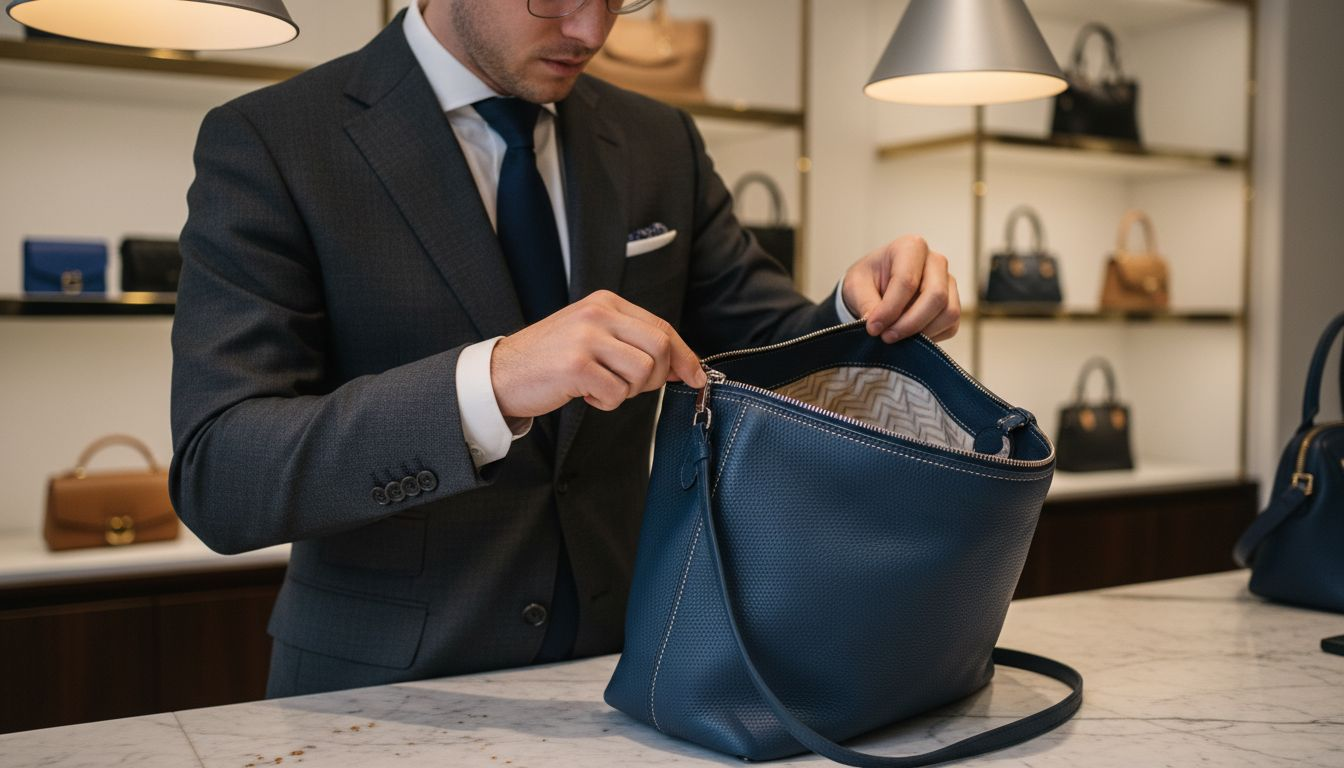
The hallmark of luxury craftsmanship lies in its extraordinary attention to detail. Premium handbags demonstrate superior construction through precise elements that casual observers might overlook. These nuanced features include flawless stitching with uniform thread tension, carefully matched pattern alignments, and hardware that functions with smooth, deliberate precision.
Key distinguishing features of high-end bags include:
- Impeccable stitching with consistent thread density
- Premium leather with minimal surface imperfections
- Expertly balanced weight distribution
- Seamless pattern matching across panels
- High-grade metal hardware with precise mechanisms
- Interior finishing as immaculate as exterior presentation
Beyond visual aesthetics, these features collectively ensure longevity and performance. A truly exceptional handbag doesn’t just look beautiful - it becomes a functional companion that maintains its integrity through years of use, reflecting the artisan’s commitment to uncompromising quality.
Pro tip: Examine a luxury handbag’s interior construction as carefully as its exterior - true craftsmanship reveals itself in hidden details.
Authenticity, Value, and Investment Potential
Luxury handbags have transcended their traditional role as fashion accessories, emerging as sophisticated financial assets with remarkable investment potential. Iconic designs now represent significant investment opportunities that often outperform traditional assets, challenging conventional perspectives on collectible investments.
The cornerstone of a luxury handbag’s investment value lies in its absolute authenticity. Authenticity verification plays a critical role in safeguarding the bag’s market value, with counterfeit products dramatically diminishing potential returns. Serious collectors and investors understand that provenance, original documentation, and pristine condition are paramount in maintaining and potentially appreciating a handbag’s worth.
Key factors influencing a luxury handbag’s investment potential include:
- Limited production runs
- Brand heritage and reputation
- Condition and preservation of original components
- Rarity of specific design or material
- Historical significance of the model
- Consistent demand in secondary markets
- Originality of accompanying documentation
While not every luxury handbag will appreciate in value, certain iconic designs have demonstrated remarkable financial performance. Collectors who approach handbag acquisition with an investor’s mindset - prioritizing authenticity, rarity, and preservation - can potentially transform a fashion piece into a valuable long-term asset.
Pro tip: Always retain original packaging, certificates, and purchase receipts, as these dramatically enhance a luxury handbag’s future investment potential.
Risks of Poor Craftsmanship and How to Avoid
Luxury handbag craftsmanship represents a delicate balance between artistic vision and technical precision. Poor manufacturing practices can create significant risks that compromise both aesthetic and functional quality, potentially destroying a brand’s reputation and consumer trust.
The landscape of luxury handbag production has become increasingly complex, with accelerated production and cost-cutting pressures creating unprecedented quality challenges. Consumers now face a market where inconsistent craftsmanship can dramatically undermine the perceived value of their investment, making careful selection more critical than ever.
Primary risks associated with poor craftsmanship include:
- Uneven or loose stitching
- Substandard material selection
- Hardware misalignment and potential failure
- Inaccurate pattern cutting
- Compromised structural integrity
- Rapid aesthetic degradation
- Reduced functional lifespan
Navigating these risks requires a strategic approach that prioritizes quality over expedience. Sophisticated collectors and investors must develop a discerning eye, examining each potential purchase with forensic attention to detail and understanding the nuanced indicators of superior craftsmanship.
Below is an overview of major risk factors in handbag craftsmanship and their business consequences:
| Risk Factor | Business Impact | Suggested Mitigation |
|---|---|---|
| Loose Stitching | Customer dissatisfaction | Implement stringent quality checks |
| Inferior Materials | Negative brand reputation | Source certified premium suppliers |
| Hardware Failures | Increased returns/repairs | Use trusted hardware manufacturers |
| Poor Structural Design | Reduced product lifespan | Optimize design and prototyping |
Pro tip: Always inspect a handbag’s interior construction as meticulously as its exterior - true quality reveals itself in the unseen details.
Discover True Luxury Through Exceptional Craftsmanship
The article highlights how luxury handbag craftsmanship is much more than appearance through intricate artisan techniques, premium materials, and timeless quality. If you value authenticity, impeccable stitching, and enduring design, finding a genuine luxury bag that meets these high standards can be challenging. Many shoppers struggle with distinguishing true artisan skill from poor manufacturing, risking investment in bags that do not deliver lasting value.
At BVPrive, we specialize in authentic, rare luxury handbags from iconic brands such as Hermès, Chanel, and Louis Vuitton. Each piece in our curated collection showcases the finest craftsmanship and exclusive designs including the coveted Birkin, Kelly, and 2.55 models. Our commitment to authenticity verification and exceptional quality ensures you receive a collectible handbag that holds both cultural and investment significance.
Experience the beauty and integrity of true luxury craftsmanship by exploring our selection today. Visit BV Prive now to secure an exclusive handbag that not only elevates your style but stands the test of time. Take advantage of our VIP personal shopping and tax-free worldwide delivery to acquire a timeless masterpiece with confidence.
Frequently Asked Questions
What defines craftsmanship in luxury handbags?
Craftsmanship in luxury handbags refers to the intricate art form where artisan expertise transforms raw materials into exceptional pieces, blending traditional techniques with modern creativity.
Why is quality important in luxury bags?
Quality ensures the durability, aesthetics, and functionality of luxury handbags. High-quality craftsmanship results in impeccable stitching, superior materials, and intricate detailing that maintain the handbag’s integrity over time.
How can I evaluate the craftsmanship of a luxury handbag?
To evaluate craftsmanship, examine the precision of stitching, symmetry of design, the quality of materials, and hidden details in the interior construction. Look for signs of handwork and adherence to traditional techniques.
What are the risks of poor craftsmanship in luxury handbags?
Poor craftsmanship can lead to issues such as uneven stitching, substandard materials, and structural failures, ultimately compromising the aesthetic and functional quality of the handbag and damaging its value.