


Boutique-allocated handbag sourcing service explained
BVPRIVE Editorial Team on 23rd Apr 2026
Boutique-allocated handbags represent the pinnacle of luxury collecting. These are pieces that never appear on open shelves, never get listed on standard retail sites, and rarely surface without the right connections. As limited edition handbags appreciate in value due to their rarity and exclusivity, the demand for trusted sourcing services has grown sharply among serious collectors. This article breaks down exactly how boutique-allocated handbag sourcing services work, what separates them from ordinary resale channels, how authentication is handled, and what you can do to maximize your investment once the piece is in your hands.
What is a boutique-allocated handbag sourcing service?
Boutique allocation is a practice used by elite fashion houses like Hermès, Chanel, and Louis Vuitton to reserve their rarest pieces for a carefully selected group of clients. These bags never reach the general public through standard retail. Instead, they are offered privately to VIP customers who have cultivated long-standing relationships with boutique staff and brand representatives.
A boutique-allocated handbag sourcing service acts as a bridge between those exclusive networks and collectors who have not yet built those direct relationships. These services use established contacts within boutiques, private sales networks, and trusted intermediaries to access pieces that would otherwise be impossible to find.
Understanding luxury handbag exclusivity is essential here. As boutique allocation restricts rare designer bags to select customers and collectors, the value of having a sourcing specialist in your corner becomes immediately clear.
Here is what distinguishes boutique-allocated sourcing from standard channels:
- Boutique allocation: Reserved for VIP clients, limited quantities, private transactions, full provenance documentation
- Standard retail: Open to any customer, publicly available inventory, no exclusivity guarantee
- Resale market: Secondary pricing, variable provenance, authenticity risks, no boutique relationship required
- Sourcing service: Combines boutique access with expert authentication and personalized client support
“When a Hermès Birkin or Chanel 2.55 is boutique-allocated, it carries a story that standard retail simply cannot replicate. The provenance, the relationship, and the rarity together create a piece whose value transcends its price tag.”
For collectors, this distinction matters enormously. Boutique-allocated pieces carry a documented chain of custody from the maison itself, which strengthens both their prestige and their long-term investment case. A sourcing service that genuinely operates within these networks offers something money alone cannot buy: access built on trust and reputation.
How sourcing services secure authentic, limited-edition designer bags
The process behind a reputable boutique-allocated handbag sourcing service is more rigorous than most collectors realize. It is not simply a matter of placing an order. It requires cultivated relationships, expert knowledge, and a structured verification process at every stage.
As handbag sourcing insights confirm, expert sourcing relies on insider relationships and rigorous authentication processes. Here is how the best services operate:
- Client consultation: The sourcing specialist meets with the collector to understand their specific requirements, including model, leather, hardware, color, and budget.
- Network activation: The specialist reaches out to trusted boutique contacts, private sellers, and vetted intermediaries who have access to boutique-allocated inventory.
- Provenance verification: Before any piece is presented to the client, its full history is traced, including original purchase receipts, boutique records, and any prior ownership documentation.
- Physical authentication: Specialists apply designer bag authentication tips to examine stitching, hardware stamps, date codes, leather quality, and lining details.
- Client presentation: Only pieces that pass every verification step are presented to the collector, along with full documentation.
- Secure delivery: The bag is packaged and delivered with all original materials, including dust bags, boxes, and receipts.
Pro Tip: Always request a full provenance file before committing to any sourcing arrangement. A reputable service will provide this without hesitation. If a service cannot produce documentation, treat that as a serious warning sign.
The pitfalls in this space are real. Counterfeit pieces have become increasingly sophisticated, and incomplete provenance is more common than collectors expect. Hidden fees at the final stage of a transaction are another risk. Choosing a sourcing service with a transparent fee structure and a verifiable track record protects your investment from the start.
Comparing boutique-allocated sourcing vs. resale and retail
Not every acquisition channel delivers the same result. Understanding the differences helps you make a confident, informed decision about where and how to acquire your next piece.
| Feature | Boutique-allocated sourcing | Resale market | Standard retail |
|---|---|---|---|
| Exclusivity | Very high | Variable | Low |
| Provenance documentation | Complete | Often incomplete | Full (if available) |
| Authenticity guarantee | Expert-verified | Buyer’s risk | Brand-guaranteed |
| Price | Premium | Inflated or variable | Retail (rarely available) |
| Value retention | Strong | Moderate | Moderate |
| After-sales support | Personalized | Minimal | Brand-dependent |
As limited edition handbag value research shows, boutique-allocated bags typically retain or increase their value more reliably than standard retail or resale purchases. This is not accidental. It reflects the combination of documented provenance, genuine rarity, and the prestige attached to boutique-allocated status.
The resale market has its place, particularly for discontinued models or pieces from past seasons. However, the risks are significant. Authenticity cannot always be guaranteed, provenance is frequently missing, and prices are often inflated beyond what the piece would command through a trusted sourcing service.
Standard retail is the safest channel in terms of brand authenticity, but it is rarely a realistic option for the most sought-after pieces. Waitlists for Hermès Birkin bags, for example, are not publicly available and depend entirely on boutique relationships.
Key advantages of boutique-allocated sourcing for serious collectors:
- Verified authenticity with full documentation
- Access to pieces that never appear on the open market
- Personalized service tailored to your specific requirements
- Stronger long-term value retention compared to resale
- Transparent transaction process with expert support throughout
For collectors who approach handbags as both a passion and an investment, understanding exclusivity and investment dynamics is what separates a good acquisition from a great one.
Expert tips: Maximizing the value of a boutique-allocated handbag acquisition
Acquiring a boutique-allocated piece is only the beginning. How you care for, present, and manage that piece determines its long-term value and the satisfaction it brings.
As research on styling rare handbags confirms, styling and preservation methods significantly affect the long-term value and appeal of rare handbags. Here is what expert collectors prioritize:
Preservation essentials:
- Store the bag in its original dust bag, stuffed lightly to maintain its shape
- Keep it away from direct sunlight, humidity, and extreme temperatures
- Use leather conditioner appropriate to the specific skin type, whether calfskin, lambskin, or exotic leather
- Rotate use to prevent stress on handles and hardware
Documentation and provenance:
| Document type | Why it matters |
|---|---|
| Original receipt | Confirms boutique origin and purchase price |
| Authenticity card | Validates brand verification |
| Provenance file | Strengthens resale and insurance value |
| Original packaging | Adds collector appeal and protects resale price |
Never discard original packaging. Collectors and auction houses consistently place higher value on pieces that arrive with their complete original materials.
Insurance: High-value collections require specialized coverage. Standard home insurance policies rarely cover luxury handbags at their true market value. Work with an insurer who understands handbag rarity and value and can provide agreed-value coverage rather than depreciated replacement.
Pro Tip: When negotiating with a sourcing service, ask specifically about post-purchase support, including assistance with insurance documentation and resale guidance. The best services treat the relationship as ongoing, not transactional.
Styling for impact: Wearing a boutique-allocated piece thoughtfully reinforces its status. Pair a Hermès Kelly with clean, minimalist outfits that allow the bag to speak for itself. A Chanel 2.55 in a rare colorway deserves context that honors its craftsmanship rather than competing with it.
The truth most collectors miss about boutique-allocated handbag sourcing
There is a persistent myth in the collector community that sufficient financial means can unlock any boutique-allocated piece. The reality is more nuanced, and understanding it separates experienced collectors from those who learn the hard way.
True boutique allocation requires discretion, patience, and relationship-building rather than simply financial means. Money is necessary, but it is not sufficient. The maisons that produce the most coveted pieces are extraordinarily protective of their allocation networks. They value long-term relationships, consistent purchasing histories, and a collector’s genuine appreciation for the craft.
Rushing the process is one of the most common mistakes. Collectors who pressure sourcing services for immediate results often end up with pieces of questionable provenance or pay significantly inflated prices for the urgency. Patience is not just a virtue in this space. It is a strategy.
Trust and reputation matter more than any single transaction. A sourcing service that has cultivated genuine boutique relationships over years offers something that cannot be replicated quickly. When you work with such a service, you are benefiting from years of relationship capital that took considerable time and discretion to build.
For collectors who want to develop their own eye for what is genuine and what is not, learning how to spot rare designer bags is an investment in your own expertise. The more you know, the better positioned you are to evaluate the sourcing services you choose to work with.
Sourcing at this level is as much an art as it is a process. The most successful collectors approach it with curiosity, patience, and a genuine respect for the craftsmanship behind every piece.
Enjoy exclusive access with professional boutique-allocated handbag sourcing
For collectors who are ready to move beyond the uncertainty of the open market, professional sourcing changes everything. At BVPRIVE, we connect you to authenticated, boutique-allocated handbags from Hermès, Chanel, Louis Vuitton, Fendi, and Christian Dior, including rare models and exotic leathers that simply do not appear elsewhere.
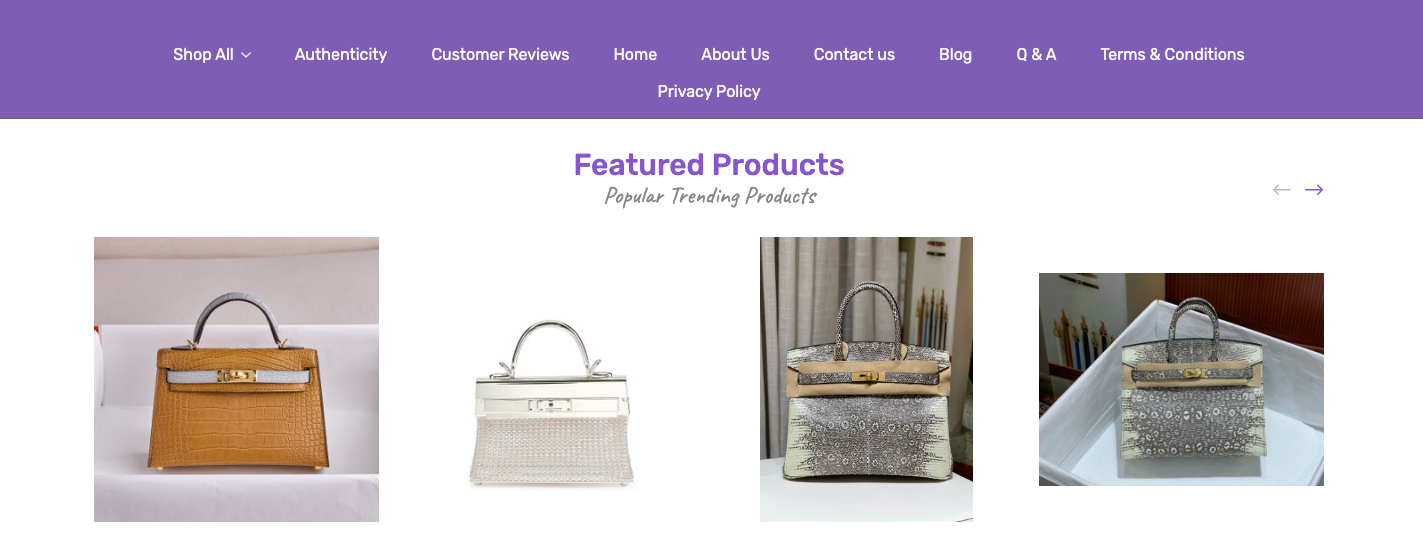
Our handbag sourcing service is built on verified boutique relationships, rigorous authentication, and personalized client support from first inquiry through delivery. Every piece comes with complete provenance documentation and the confidence that comes from working with a team that has earned its reputation in this space. Reach out for a private consultation or browse our curated selection to find your next exceptional acquisition.
Frequently asked questions
How do boutique-allocated handbag sourcing services ensure authenticity?
They use expert authentication processes, insider boutique relationships, and complete provenance documentation to verify every piece before it reaches the collector. Reputable services apply rigorous authentication processes at every stage of the sourcing journey.
Are boutique-allocated handbags a better investment than retail or resale bags?
Yes, in most cases. Boutique-allocated bags retain or increase value more reliably than retail or resale purchases because of their verified provenance, documented rarity, and the prestige attached to their allocation status.
What risks should collectors watch for when using a sourcing service?
The primary risks include counterfeit pieces, incomplete provenance documentation, hidden transaction fees, and services that lack genuine boutique access. Working with a service that has a transparent fee structure and a verifiable track record minimizes these risks significantly.
How can collectors maximize the value of a boutique-allocated bag?
Preserve the bag with proper storage and appropriate leather care, retain all original packaging and documentation, and apply styling methods that honor the piece’s craftsmanship. Specialized insurance coverage is also essential for high-value collections.