


Authenticate designer bags: collector's checklist & expert tips
BVPRIVE Editorial Team on 13th Apr 2026
Authenticate designer bags: collector’s checklist & expert tips
TL;DR:
- A thorough, multi-point inspection is essential for authenticating luxury handbags accurately.
- Brand-specific knowledge and era distinctions are critical to avoid costly mistakes.
- Combining manual inspection with platform authentication offers the best protection for high-value purchases.
Counterfeit designer handbags have reached a level of sophistication that can fool even seasoned collectors. A single misidentified purchase can cost tens of thousands of dollars and compromise the integrity of a carefully built collection. For those who treat luxury bags as both personal treasures and financial assets, the stakes are simply too high to rely on instinct alone. A methodical, multi-point inspection focused on construction, hardware, and brand-specific markings is the foundation of every reliable authentication. This guide delivers exactly that: a structured, expert-backed checklist designed to protect your investment at every stage of the buying process.
Table of Contents
- Understand the authentication process: What matters most
- Collector’s checklist: Key steps for authenticating a designer bag
- Comparing authentication methods: Manual inspection vs. platform workflows
- Common pitfalls: What collectors often miss
- Expert perspective: Why brand-specific knowledge is your best defense
- Take your next step: Secure your designer bag investment
- Frequently asked questions
Key Takeaways
| Point | Details |
|---|---|
| Multi-point inspection | Authenticating designer bags begins with checking stitching, materials, hardware, and brand markings. |
| Serial/date code verification | Always cross-check serial and date codes with trusted guides and paperwork, as formats differ by model and era. |
| Expertise matters | Brand-specific knowledge and specialized training are critical for spotting subtle differences and avoiding errors. |
| Platform authentication | Resale platforms use digital tools and human experts to minimize fraud and guarantee authenticity for high-value bags. |
| Avoid common pitfalls | Collectors often miss code inconsistencies and micro-detail variations, so use a checklist to prevent costly mistakes. |
Understand the authentication process: What matters most
Authentication is not a single glance at a logo. It is a layered process that moves from broad construction quality down to the finest brand-specific details. Understanding this structure helps you approach every inspection with confidence rather than guesswork.
The most reliable authentication follows a clear sequence:
- Stitching uniformity: Count the stitches per inch. Authentic pieces from Hermès, Chanel, and Louis Vuitton maintain precise, consistent stitch counts that counterfeiters rarely replicate perfectly.
- Material quality and feel: Genuine luxury leathers have a distinct texture, weight, and scent. Canvas bags carry a specific rigidity and finish that cheap imitations cannot match.
- Hardware quality and engraving: Authentic hardware is weighty, precisely engraved, and resists tarnishing. Lightweight or loosely stamped hardware is a red flag.
- Logo placement and font: Logos must align symmetrically with seams and follow exact font specifications for the model and production era.
- Serial and date codes: These alphanumeric codes confirm production details and must match the bag’s model, era, and country of origin.
One factor that separates professional authenticators from casual collectors is experience with specific brands and eras. Professional authenticators describe long training pipelines because the same bag style can vary significantly by production period. A Chanel 2.55 from the 1980s has different hardware finishes and stitching patterns than one produced in 2015. Knowing these distinctions is what makes authentication reliable.
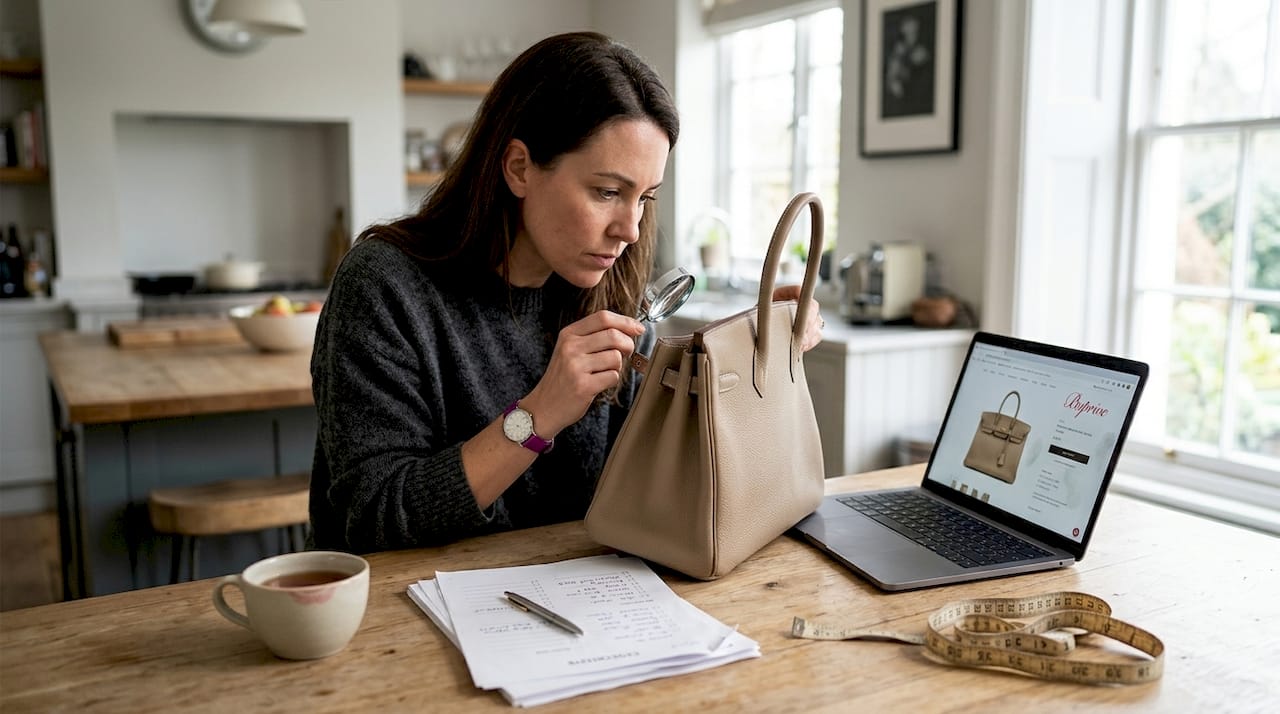
For luxury bag authentication steps that go deeper, high-resolution photography is an essential tool when in-person inspection is not possible. Request photos in natural light, close-ups of hardware engravings, interior stamps, and stitching lines.
Statistic callout: Studies suggest that over 60% of counterfeit luxury goods entering the market are sophisticated enough to pass a casual visual inspection, making structured, detail-focused checks essential.
Pro Tip: Always inspect the bag under natural daylight. Artificial lighting can mask color inconsistencies in leather and hide uneven stitching that would otherwise be visible.
Collector’s checklist: Key steps for authenticating a designer bag
Now that the criteria are clear, here is the actionable checklist that luxury collectors rely on. Whether you are purchasing in person at a boutique, through a private seller, or via a resale platform, these steps apply universally.
- Confirm the listing and production era. Cross-reference the model name, colorway, and hardware finish against official brand archives or trusted collector databases. Verify that the listed production year aligns with the bag’s known specifications.
- Inspect stitching closely. Look for consistent stitch count, uniform thread color, and tight, even tension throughout. Loose threads, skipped stitches, or color variation are immediate concerns.
- Assess material quality by touch and appearance. Genuine leather should feel supple yet structured. Canvas should have a clean, sealed finish. Lining materials in authentic bags are always precisely cut and sewn.
- Examine all hardware in detail. Check weight, engraving depth, and finish consistency. Zippers should glide smoothly. Clasps should close with a firm, satisfying click.
- Verify the serial or date code. Locate the code in the correct position for that specific model and era, then validate the format against trusted references. A misplaced or incorrectly formatted code is a serious red flag.
- Review all paperwork and accessories. Authenticate the dust bag, box, care booklet, and receipt if available. Inconsistent fonts, poor print quality, or missing items can indicate a counterfeit.
- Compare micro-details with trusted references. Use collector forums, brand-specific authentication guides, and high-resolution reference images to compare logo fonts, hardware shapes, and lining patterns.
- Add platform authentication or an independent lab service when risk is high. For purchases above a certain value threshold, a secondhand authentication steps service or independent expert adds a critical layer of protection.
Using a expert authentication checklist alongside this guide ensures you cover every angle. Collectors who also review signs of genuine handbags before purchasing report significantly higher confidence in their acquisitions.
Pro Tip: Keep a personal reference folder with authenticated photos of the exact model you collect. Comparing a potential purchase side by side with a confirmed authentic piece reveals discrepancies that checklists alone might miss.
Comparing authentication methods: Manual inspection vs. platform workflows
Beyond the individual checklist, your authentication method depends on where and how you’re buying. Here is how each approach stacks up.
| Factor | Manual inspection | Platform workflow |
|---|---|---|
| Depth of tactile check | High | Limited to photos/scans |
| Speed | Slower, thorough | Faster for standard items |
| Brand-specific expertise | Depends on inspector | Varies by platform |
| Cost | Variable | Often included in fee |
| Best for | High-value, in-person buys | Online and secondhand purchases |
| Documentation | Self-managed | Platform-provided certificate |
Manual inspection remains the gold standard for high-value acquisitions. You can assess leather texture, hardware weight, and stitching tension in ways that photographs simply cannot capture. The limitation is that it requires genuine expertise or access to a trusted authenticator.
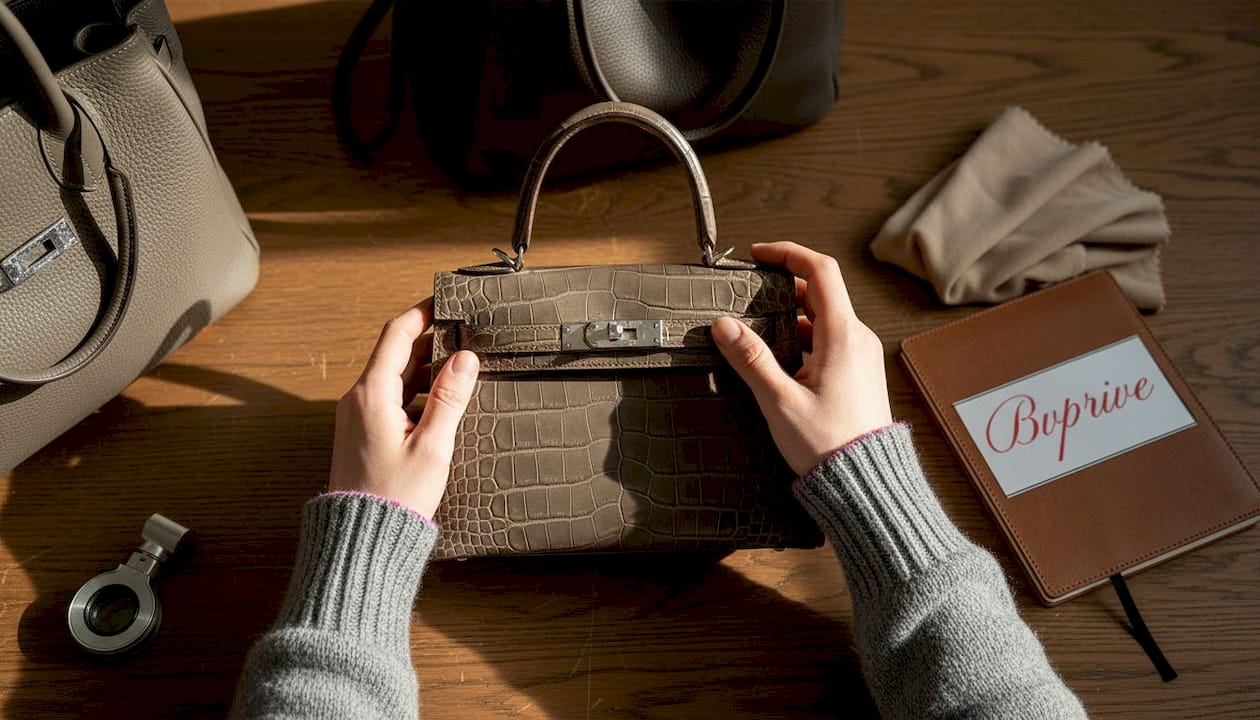
Platform workflows have improved significantly. When buying online or secondhand, transparent authentication workflows combining human experts with digital tools offer a reliable safety net. These platforms use AI-assisted image analysis followed by physical inspection for items above certain value thresholds.
Key considerations when choosing your method:
- Use manual inspection for any purchase above $5,000 or for rare, limited-edition models where era-specific knowledge is critical.
- Use platform workflows as a baseline for secondhand purchases, but supplement with independent authentication for Hermès Birkin, Kelly, or Chanel 2.55 acquisitions.
- Always request the authentication certificate or report, regardless of method.
For guidance on spotting rare bags specifically, the combination of both methods provides the strongest protection.
“The best collectors treat authentication as a non-negotiable step, not an optional add-on. Every layer of verification you add reduces your risk exposure.”
Common pitfalls: What collectors often miss
Even experienced collectors can slip up. Here are mistakes to avoid during your authentication routine.
- Misreading serial and date codes. Serial and date-code formats vary by model and era, and using the wrong reference guide for the wrong production period leads to false confidence. Always confirm which format applies to the exact model year you are examining.
- Ignoring model and era variations. A Louis Vuitton Speedy from 2005 has different hardware and canvas characteristics than one from 2018. Assuming uniformity across production years is one of the most common errors collectors make.
- Assuming all hardware is identical. Hardware finishes, engraving depths, and clasp mechanisms evolved over time for most luxury brands. A gold-tone clasp that looks correct for one era may be entirely wrong for another.
- Overlooking paperwork inconsistencies. Many collectors focus entirely on the bag and ignore the accompanying materials. Counterfeiters often invest heavily in the bag itself but cut corners on dust bags, authenticity cards, and booklets.
- Missing platform workflow details. Not all resale platforms offer the same level of authentication rigor. Some rely solely on seller-provided photos, while others conduct physical inspections. Reading the platform’s authentication policy before purchasing is essential.
Statistic callout: Authentication errors related to incorrect serial code interpretation account for a significant share of disputes on luxury resale platforms, underscoring the need for era-specific reference guides.
For a deeper look at red flags, the guide on spotting fake bags covers brand-wide warning signs, while Hermès authentication tips addresses the nuances specific to the most counterfeited luxury house in the world.
Pro Tip: Build a brand-specific reference library before you start collecting a new label. Investing a few hours in learning era-specific details will save you from costly mistakes that no checklist can fully prevent.
Expert perspective: Why brand-specific knowledge is your best defense
Generic checklists are a starting point, not a finish line. The collectors who consistently make sound acquisitions are those who invest in deep, brand-specific expertise that goes far beyond what any universal guide can offer.
Most authentication mistakes happen when collectors assume that all luxury brands, or even all models within a single brand, follow the same rules. They do not. A collector once avoided a $22,000 error by noticing a subtle discrepancy in the blind stamp placement on a Hermès Kelly. The bag passed every standard checklist check. It was the knowledge of a specific production year’s stamp positioning that revealed the problem.
This is why we believe the benefits of authentic designer bags extend well beyond ownership. The process of learning to authenticate builds a collector’s eye that protects every future purchase. Understanding designer bag value also means understanding why the details matter so much. An authentic Birkin in pristine condition holds and often grows its value. A convincing fake is worth nothing.
Invest in era-specific knowledge for every brand you collect. It is the one tool that scales with your collection.
Take your next step: Secure your designer bag investment
Knowing how to authenticate a designer bag is only the beginning. Applying that knowledge consistently, across every purchase, is what separates collectors who protect their investments from those who learn costly lessons.
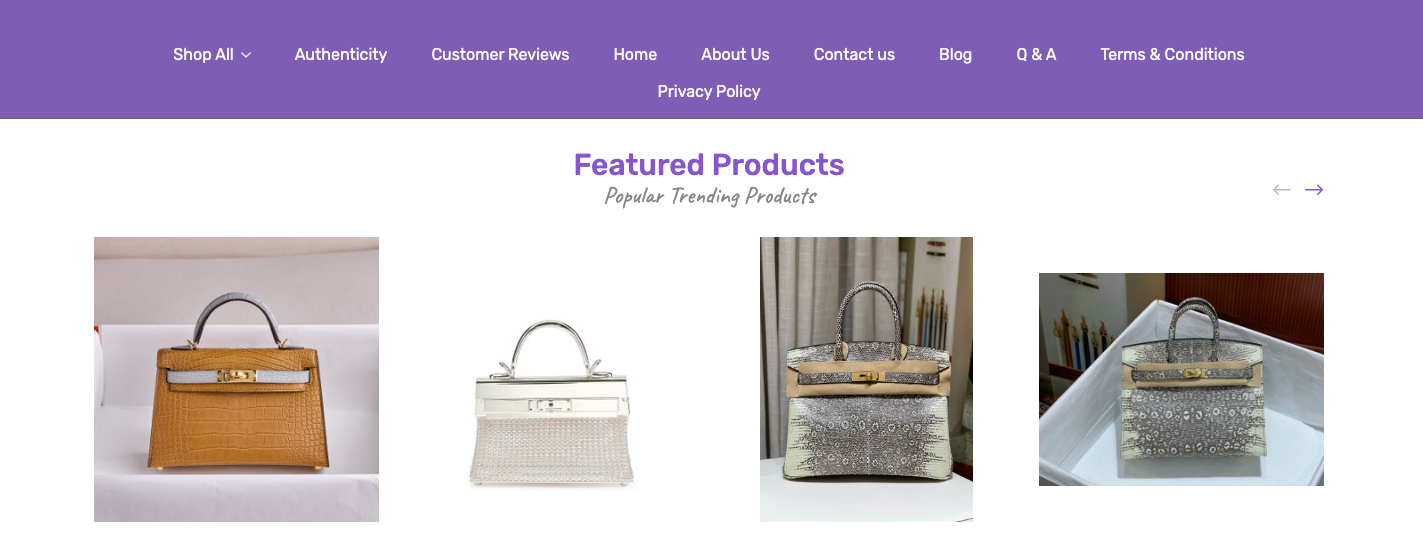
At BVPRIVE, every piece in our curated collection has been verified for authenticity, so you can acquire with complete confidence. Our team of luxury specialists is here to support your collecting journey, from answering detailed authentication questions to sourcing rare and limited-edition pieces. Explore our designer bag buying guide for deeper insight into building a collection that holds its value. Your next acquisition deserves nothing less than absolute certainty.
Frequently asked questions
What are the most counterfeited designer bag brands?
Hermès, Chanel, and Louis Vuitton are among the most counterfeited due to their global popularity and resale value. Brand-specific expertise is essential because authentication requirements differ significantly between labels.
How can I check a serial or date code for authenticity?
Use trusted reference guides or direct brand sources, and always verify the format and location against the exact model and production era. Serial and date-code formats vary by model and era, so using the wrong guide can lead to false conclusions.
Are online resale platforms trustworthy for authentic bags?
Top platforms like Vestiaire Collective offer transparent authentication workflows combining AI-assisted digital verification with physical inspection by human experts for items above certain value thresholds.
What should I do if I suspect my designer bag is fake?
Consult an independent authenticator immediately and compare micro-details against trusted references. Platform authentication services or independent lab verification can provide a definitive answer and protect your position if a dispute arises.