


7 benefits of owning rare designer bags in 2026
BVPRIVE Editorial Team on 25th Mar 2026
7 benefits of owning rare designer bags in 2026
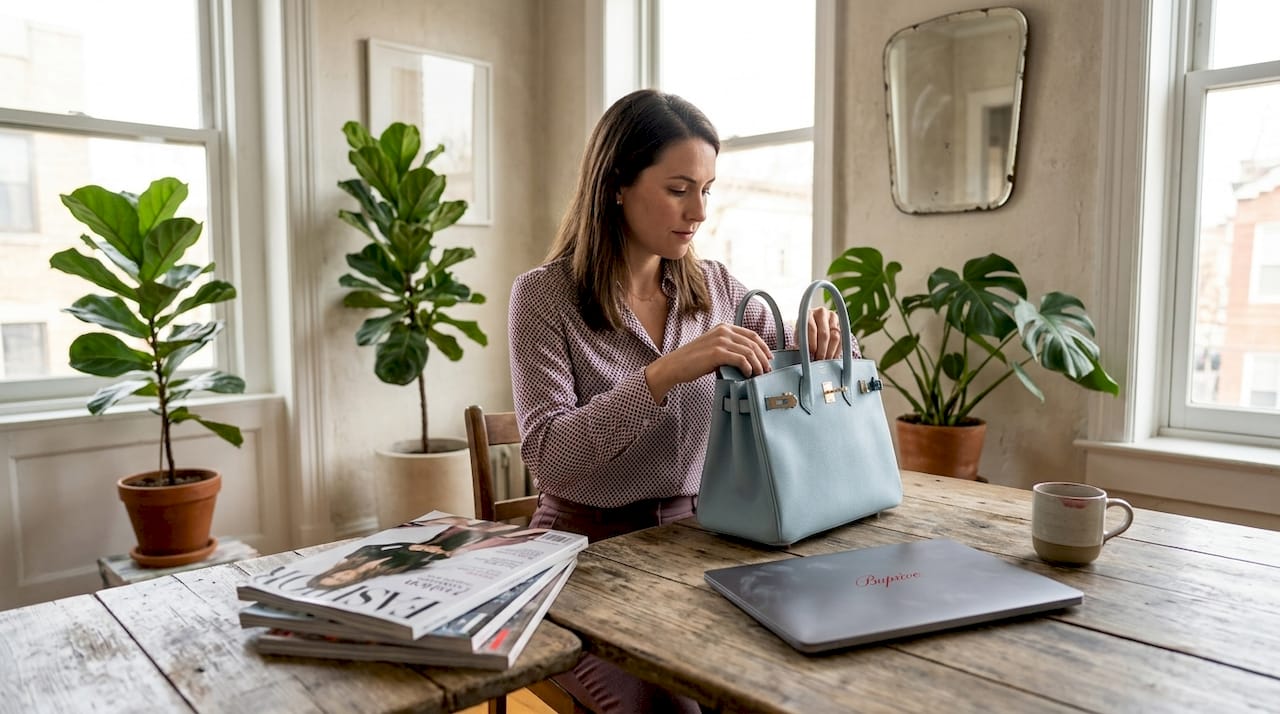
Selecting a rare designer handbag is more than a fashion choice. It’s a decision that balances exclusivity, financial return, and lifestyle prestige. Hermès Birkin and Kelly bags, Chanel Classic Flaps, and limited-edition Louis Vuitton pieces offer collectors tangible value that extends beyond the boutique. These handbags appreciate faster than many traditional assets, confer social cachet, and provide VIP access to exclusive releases. Understanding the seven core benefits helps affluent buyers make informed choices that align investment goals with personal style. This guide explores how scarcity, craftsmanship, and strategic ownership transform rare bags into wearable wealth.
Table of Contents
- Key takeaways
- 1. Strong financial return and portfolio diversification
- 2. Scarcity, craftsmanship, and enduring style that drive value
- 3. Exclusive lifestyle benefits beyond investment value
- 4. Managing risks: condition, authenticity, and market volatility
- 5. Expert strategies to maximize value and enjoyment
- Discover exclusive rare handbags with BVPRIVE
- Frequently asked questions
Key Takeaways
| Point | Details |
|---|---|
| Financial returns and diversification | Rare handbags have outperformed traditional assets over decades, with Birkin CAGR around 14.2 percent from 1980 to 2015 and low correlation to equities, making them a viable long term diversification. |
| Scarcity and craftsmanship | Limited production and hand crafted details sustain demand and premiums, with Hermès Birkin production around 70,000 pieces annually and 18 to 40 hours of hand crafting per bag. |
| Long term ownership strategy | Treat rare handbags as long term holdings rather than quick flips, buy store fresh pieces, hold for years, and sell through reputable platforms to maximize returns. |
| Lifestyle prestige value | Owning rare bags provides social cachet and exclusive access that complements financial gains. |
| Risks and liquidity | Be aware of illiquidity and value fluctuations and manage risk by maintaining condition and provenance. |
1. Strong financial return and portfolio diversification
Rare designer handbags have outperformed traditional investments over decades. Hermès Birkin bags yielded 14.2% CAGR from 1980 to 2015, surpassing the S&P 500’s 8.7% and gold’s negative 1.5% return. The luxury handbag market expanded 15% in 2024, with Hermès driving growth through scarcity and brand strength. These figures position rare bags as alternative assets that combine passion with profit.
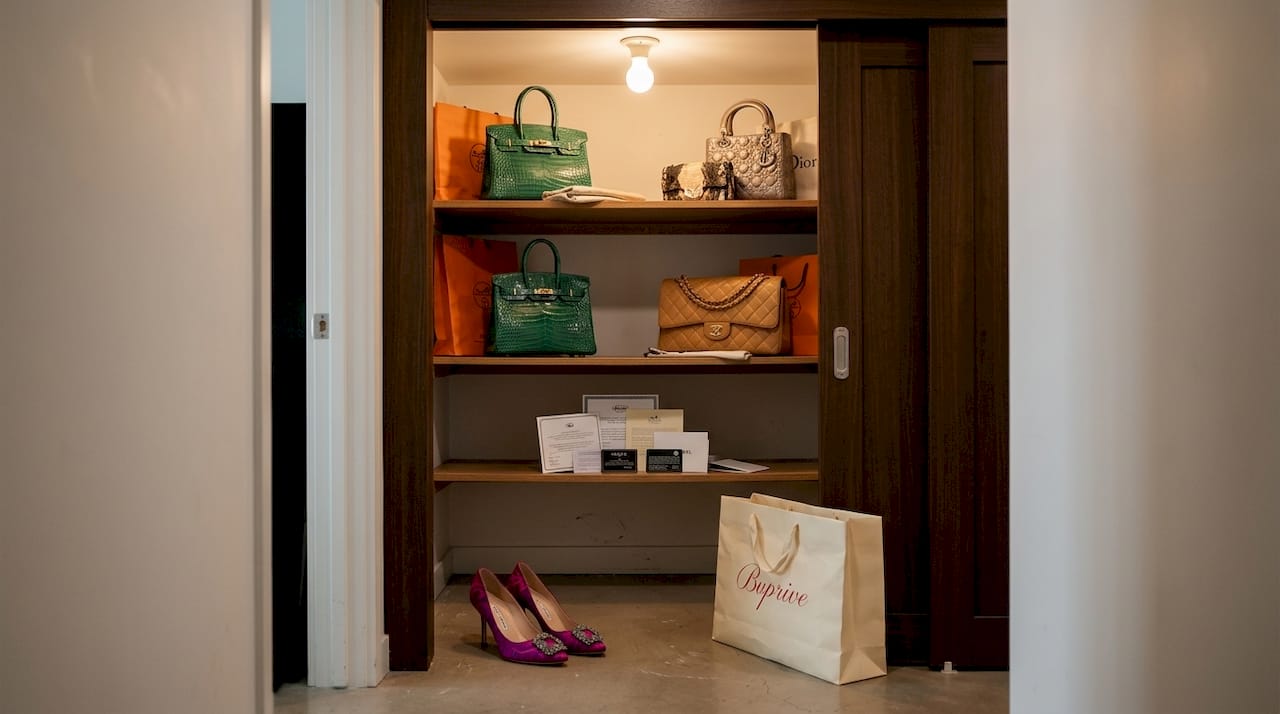
Handbags behave differently from stocks and bonds. Designer bags show low correlation to equity markets, making them effective diversification tools for wealthy portfolios. When traditional markets decline, luxury collectibles often hold value or appreciate as affluent buyers seek tangible assets. This non-correlation provides a hedge against inflation and market downturns, particularly for collectors who maintain pristine condition and provenance.
Financial advisors recommend allocating 5-10% of investable assets to passion investments like rare handbags. This allocation acknowledges the niche risks, including illiquidity and market fluctuation, while capturing upside potential. Collectors who invest in rare handbags treat them as long-term holdings, not quick flips. The luxury handbag investment guide emphasizes buying store-fresh pieces from iconic lines, holding for years, and selling through reputable platforms to maximize returns.
“Rare handbags function as portable wealth that appreciates while you enjoy them. Unlike stocks, you can carry your investment to dinner.”
Key financial advantages include:
- Appreciation rates exceeding traditional assets over multi-decade periods
- Portfolio diversification through low correlation with equities and bonds
- Inflation hedge as luxury prices rise with currency devaluation
- Tangible asset ownership that provides utility and emotional satisfaction
- Tax-efficient gains in jurisdictions treating collectibles favorably
Designer handbags as investments deliver returns when buyers focus on timeless classics, maintain condition, and hold through market cycles. The combination of scarcity, brand prestige, and collector demand creates a robust secondary market that supports long-term value.
2. Scarcity, craftsmanship, and enduring style that drive value
Limited production underpins the investment case for rare handbags. Hermès produces only 70,000 Birkins annually, with each bag requiring 18 to 40 hours of artisan work. This deliberate scarcity ensures demand perpetually exceeds supply, creating waitlists that stretch years. Collectors pay premiums for immediate access, driving secondary market prices well above retail.
Craftsmanship quality separates investment-grade bags from mass-market pieces. Hermès artisans hand-stitch every seam using traditional saddle-stitch techniques that ensure durability across generations. Exotic leathers like crocodile, alligator, and ostrich add rarity and visual appeal. Chanel’s meticulous quilting and hardware finishing, Louis Vuitton’s canvas treatments, and Dior’s architectural construction all contribute to lasting desirability. These details justify premium pricing and support resale values that often exceed original retail.
Timeless design ensures bags remain stylish decades after purchase. The Birkin silhouette has remained unchanged since 1984, the Kelly since 1935, and the Chanel 2.55 since 1955. This design permanence means collectors avoid the value erosion that plagues trendy pieces. Neutral colors like black, gold, and etoupe appeal to the broadest buyer base, while rare hues and limited editions attract niche collectors willing to pay substantial premiums.
Condition dramatically impacts resale value. Store-fresh bags command 2-3x retail prices, while used pieces sell for 30-40% less. Smaller sizes like Birkin 25/30 and Mini Kelly generate the highest premiums due to scarcity and versatility. Collectors who store bags properly, avoid wear, and maintain original packaging maximize future returns.
Pro Tip: Buy the smallest size you’ll actually use. Mini and 25cm bags appreciate fastest because production is lowest and demand is highest among collectors seeking rare pieces.
| Factor | Impact on value | Example |
|---|---|---|
| Size | Smaller = higher premium | Mini Kelly 2-3x retail |
| Condition | Store-fresh = maximum price | Unused Birkin 25 |
| Color | Neutral = broader demand | Black, gold, etoupe |
| Leather | Exotic = rarity premium | Crocodile, alligator |
| Hardware | Gold/palladium standard | Rose gold limited |
Understanding how exclusivity shapes luxury handbags helps collectors identify which pieces will appreciate. The Kelly bag overview details the history and variations that drive collector interest and resale premiums.
3. Exclusive lifestyle benefits beyond investment value
Rare designer handbags elevate lifestyle through social signaling and emotional fulfillment. These bags function as Veblen goods, where higher prices increase desirability by broadcasting wealth and taste. Carrying a Birkin or Kelly signals membership in an exclusive club, opening doors to social networks and professional opportunities. Affluent circles recognize these status markers instantly, conferring prestige that extends beyond the accessory itself.
Collector ownership provides access to VIP programs that amplify lifestyle benefits. Hermès VIP clients spending $25,000 annually gain priority access to quota bags like Birkin and Kelly, which are otherwise unavailable to casual shoppers. These programs include private shopping appointments, first looks at limited editions, and invitations to exclusive brand events. Building relationships with boutique staff unlocks opportunities to purchase the rarest pieces before they reach secondary markets.
Emotional satisfaction from owning wearable art enhances quality of life. Rare bags serve as passion assets that combine aesthetic beauty with heritage craftsmanship. Collectors derive joy from using pieces that represent decades of artisan tradition and design excellence. Unlike stocks or bonds, handbags provide daily utility and visual pleasure, making them investments you experience rather than simply hold.
Pro Tip: Document your boutique purchases and maintain relationships with sales associates. Consistent buying history increases your chances of accessing quota bags and limited releases that drive the highest resale premiums.
Lifestyle advantages include:
- Social recognition and networking opportunities within affluent communities
- VIP access to limited editions and exclusive boutique events
- Personal shopping services and priority treatment at flagship stores
- Emotional fulfillment from owning heritage craftsmanship and design
- Conversation starters that signal cultural knowledge and refined taste
“A Birkin isn’t just a bag. It’s a key that unlocks rooms most people never enter.”
The benefits of investing in designer bags extend beyond financial returns to encompass social capital and personal satisfaction. Understanding these value and lifestyle benefits helps collectors appreciate the full spectrum of advantages that come with ownership.
4. Managing risks: condition, authenticity, and market volatility
Rare handbags carry risks that require active management. Wear and personalization substantially reduce resale values, with personalized bags losing 40-60% value and used pieces commanding 30% less than store-fresh condition. Collectors must balance using bags for lifestyle enjoyment against preserving condition for future resale. Proper storage in dust bags, climate-controlled environments, and away from sunlight minimizes degradation.
Counterfeit threats pose serious risks in the luxury handbag market. Sophisticated fakes replicate hardware, stitching, and materials so convincingly that even experienced collectors struggle to identify them. Professional authentication services provide essential protection, verifying provenance through serial numbers, craftsmanship details, and material analysis. Buying from reputable platforms with authentication guarantees reduces counterfeit exposure and protects investment value.
Market volatility affects luxury handbag prices, particularly following economic disruptions. The post-pandemic period saw softening demand for certain models as travel restrictions eased and consumer priorities shifted. While iconic pieces like Birkin and Kelly maintained strong values, trendier styles experienced price corrections. Collectors must recognize that handbags are collectibles, not income-generating assets, and should plan for potential value fluctuations.
Illiquidity presents practical challenges when selling. Unlike stocks that trade instantly, handbags require finding qualified buyers willing to pay premium prices. Consignment platforms charge 20-40% commissions, and private sales demand time and negotiation. Market volatility and illiquidity mean collectors should view handbags as long-term holdings rather than liquid assets accessible for quick cash needs.
Risk mitigation strategies:
- Store bags properly in dust bags and climate-controlled spaces
- Avoid personalization that permanently reduces resale value
- Authenticate all purchases through professional services
- Maintain complete provenance documentation and original receipts
- Buy from reputable dealers with authentication guarantees
- Hold bags for 5-10+ years to ride out market cycles
- Diversify holdings across brands and styles to spread risk
“Condition is everything. A pristine Birkin appreciates while a worn one depreciates. Treat your bags like the investments they are.”
The luxury bags authentication guide provides detailed steps to verify authenticity and avoid counterfeits. Understanding collectibility and risk factors helps collectors make informed decisions that protect investment value.
5. Expert strategies to maximize value and enjoyment
Buying timeless classics over trendy pieces ensures long-term value retention. Chanel Classic Flap and Louis Vuitton Neverfull show 16%+ annual gains because their designs remain relevant across decades. Neutral colors like black, beige, and navy appeal to the broadest resale market, while bold hues and seasonal patterns attract narrower buyer pools. Prioritizing iconic silhouettes from heritage brands provides the strongest appreciation potential.
Size selection dramatically impacts resale premiums. Smaller bags like Birkin 25, Mini Kelly, and Chanel Mini Flap command the highest multiples because production is limited and demand is concentrated. These pieces offer versatility for evening events and daily use, making them attractive to collectors and end users alike. Larger sizes like Birkin 40 or Kelly 35 serve specific needs but appreciate more slowly due to lower scarcity.
Authentication protects investment value at purchase and sale. Professional services examine stitching quality, hardware stamps, material consistency, and serial number placement to verify authenticity. Maintaining original receipts, authenticity cards, and boutique packaging strengthens provenance and buyer confidence. Collectors who authenticate bags professionally avoid costly mistakes and maximize resale prices.
Pro Tip: Hold bags for at least five years to capture meaningful appreciation. Short-term flipping rarely covers transaction costs and authentication fees, while long-term holding allows scarcity and brand strength to drive value growth.
Maximization strategies:
- Focus on timeless classics from Hermès, Chanel, and Louis Vuitton
- Prioritize smaller sizes and store-fresh condition for highest premiums
- Choose neutral colors that appeal to the broadest buyer base
- Authenticate all purchases and maintain complete documentation
- Store bags properly to preserve condition and prevent degradation
- Build boutique relationships to access quota bags and limited releases
- Diversify holdings with a mix of classic and selective trend pieces
| Strategy | Benefit | Implementation |
|---|---|---|
| Buy classics | Stable demand | Birkin, Kelly, 2.55 |
| Small sizes | Highest premiums | 25cm, Mini, 20cm |
| Store-fresh | Maximum value | Unused condition |
| Neutral colors | Broad appeal | Black, gold, beige |
| Long holding | Best appreciation | 5-10+ years |
Understanding how to select rare handbags and assess luxury handbags collectibility empowers collectors to make strategic purchases that deliver financial and emotional returns. Combining investment discipline with personal passion creates a portfolio that appreciates while enhancing lifestyle.
Discover exclusive rare handbags with BVPRIVE
Navigating the rare handbag market requires expertise and access that most collectors lack. BVPRIVE specializes in curating authenticated, investment-grade pieces from Hermès, Chanel, Louis Vuitton, and other heritage brands. Our platform connects affluent buyers with rare designer handbags that combine financial appreciation potential with lifestyle prestige. Every piece undergoes rigorous authentication to ensure provenance and condition meet collector standards.
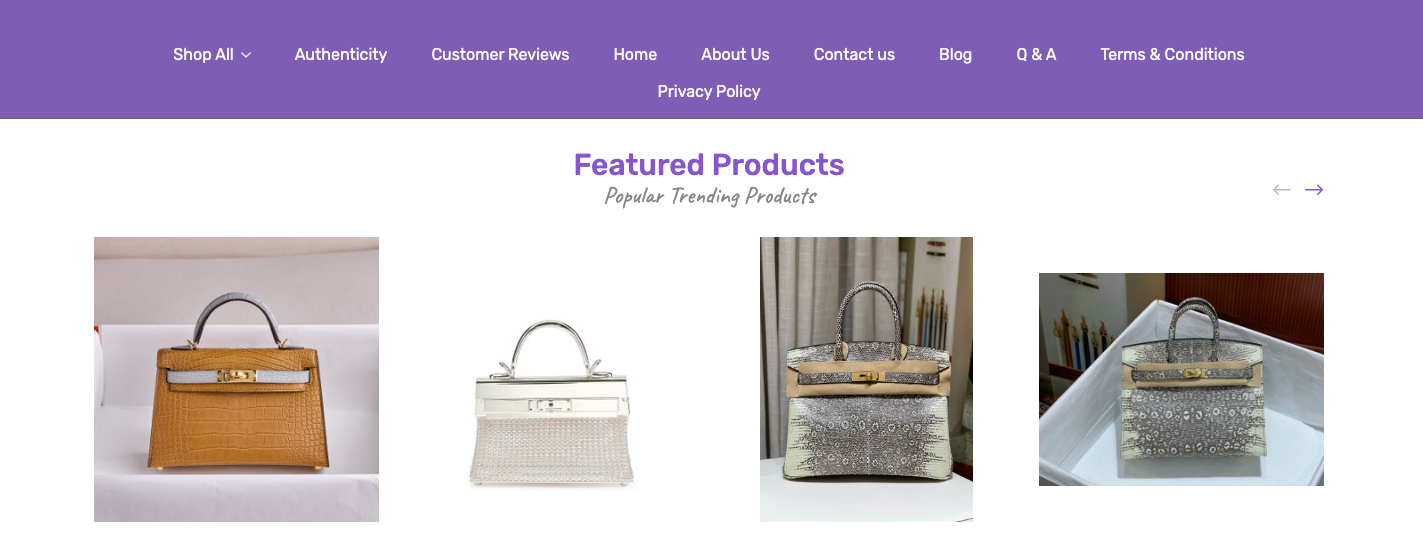
Whether you’re building a collection or seeking a signature piece, BVPRIVE provides the guidance and selection to make confident decisions. Our team understands the nuances that drive value, from size and color selection to condition assessment and market timing. Explore our luxury bags authentication guide to protect your investments, and review our handbag investment guide to maximize returns. Discover how rare handbags can diversify your portfolio while elevating your lifestyle.
Frequently asked questions
What makes a designer handbag rare?
Rarity stems from limited production, exclusive materials, and iconic brand status. Hermès produces only 70,000 Birkins annually, with exotic leather versions numbering in the hundreds. Special editions, discontinued colors, and collaborations with artists create additional scarcity. Bags that combine small sizes, exotic leathers, and neutral colors achieve the highest rarity premiums.
Are rare designer bags a good financial investment?
Rare bags have historically outperformed many traditional assets, with Birkin bags achieving 14.2% CAGR over 35 years. However, they don’t generate income and should represent only 5-10% of investable assets due to illiquidity and market risks. Strong past returns don’t guarantee future performance, and collectors should view bags as long-term passion investments rather than short-term trades. Review why invest in rare handbags for detailed analysis.
How can I ensure the authenticity of a rare handbag?
Authentication requires professional inspection of stitching, hardware, materials, and serial numbers. Reputable platforms provide authentication guarantees and detailed provenance documentation. Maintaining original receipts, authenticity cards, and boutique packaging strengthens verification. Counterfeit risks are highest in private sales and unverified marketplaces, making professional services essential. Consult our luxury bags authentication guide for comprehensive verification steps.
What lifestyle perks come with owning rare designer handbags?
Ownership provides VIP access to exclusive releases, private shopping appointments, and brand events. Hermès clients who spend $25,000 annually gain priority for quota bags unavailable to general shoppers. Rare bags function as social status symbols that open networking opportunities and signal refined taste. The emotional satisfaction of owning wearable art and heritage craftsmanship enhances daily life beyond financial returns. Explore the full benefits of investing in designer bags to understand lifestyle advantages.