


Why Rare Birkins Offer 40% Higher Resale Value in 2026
BVPRIVE Editorial Team on 28th Feb 2026
Why Rare Birkins Offer 40% Higher Resale Value in 2026
Hermès Birkin bags have appreciated approximately 14.2% annually over the last 15 years, outperforming gold and the S&P 500. This exceptional return stems from rarity factors far beyond brand prestige. Understanding what makes certain Birkins truly rare transforms how collectors and investors approach luxury assets. This guide reveals the precise elements that drive up exclusivity and resale premiums.
Table of Contents
- Introduction To The Birkin Bag’s Legacy And Rarity
- Craftsmanship And Material Exclusivity
- Limited Editions And Provenance Impact
- Investment Potential Compared To Other Luxury Assets
- Common Misconceptions About Birkin Rarity And Value
- Authentication And Rarity Verification Processes
- Practical Buying Guidance For Collectors And Investors
- Conclusion: Making An Informed Choice On Rare Birkins
- Explore Our Curated Collection Of Rare And Authentic Birkins
- Frequently Asked Questions
Key Takeaways
| Point | Details |
|---|---|
| Rarity drives exclusivity | Limited production, exotic materials, and provenance create investment-grade scarcity. |
| Craftsmanship matters | Each Birkin requires 18-24 hours of hand-stitching by a single artisan. |
| Provenance adds value | Documented history and celebrity ownership can boost resale prices by up to 40%. |
| Investment performance | Rare Birkins outperform gold and stocks with superior annual appreciation rates. |
| Authentication is essential | Expert verification across 20+ features protects against counterfeit risks. |
Introduction to the Birkin Bag’s Legacy and Rarity
The Birkin bag originated from a 1984 collaboration between Hermès and actress Jane Birkin during a chance airplane encounter. Chief Executive Jean-Louis Dumas listened to Birkin describe her ideal handbag, sparking creation of what would become the luxury world’s most coveted accessory. This personal origin story adds romantic appeal to an already exclusive product.
Hermès deliberately limits Birkin production to maintain scarcity and cultivate desire. The brand refuses to mass-produce these bags, instead treating each as a work of art. You cannot simply walk into a boutique and purchase a Birkin on demand. Waiting lists stretch years, and retail access depends heavily on purchase history and relationships with sales associates.
This manufactured scarcity transformed Birkins into cultural symbols of wealth and status. Celebrities, collectors, and investors compete for access to these bags, driving secondary market prices well above retail. The combination of limited availability and extraordinary demand creates the perfect conditions for rarity.
Key factors establishing Birkin rarity include:
- Strictly controlled production volumes limiting annual output
- Boutique allocation systems favoring VIP clients
- Artisan training requirements taking years to master
- Material sourcing challenges for exotic leathers
- Brand positioning emphasizing heritage over profit maximization
Craftsmanship and Material Exclusivity
Every Birkin bag is hand-stitched by a single artisan over 18 to 24 hours using traditional saddle-stitching techniques. This method creates exceptional durability compared to machine stitching. The artisan’s stamp inside each bag serves as their personal signature, adding accountability and prestige to the creation process.
Hermès maintains rigorous training programs for craftspeople, requiring several years before an artisan qualifies to produce Birkin bags independently. This human capital constraint naturally limits production capacity. The brand prioritizes quality over quantity, refusing to accelerate output at the expense of craftsmanship standards.
Exotic leathers represent the pinnacle of material rarity in Birkin production. Crocodile, alligator, ostrich, and lizard skins command premium prices due to sourcing challenges and ethical considerations. Niloticus crocodile leather, particularly from specialized tanneries, can cost tens of thousands of dollars for materials alone before crafting begins.
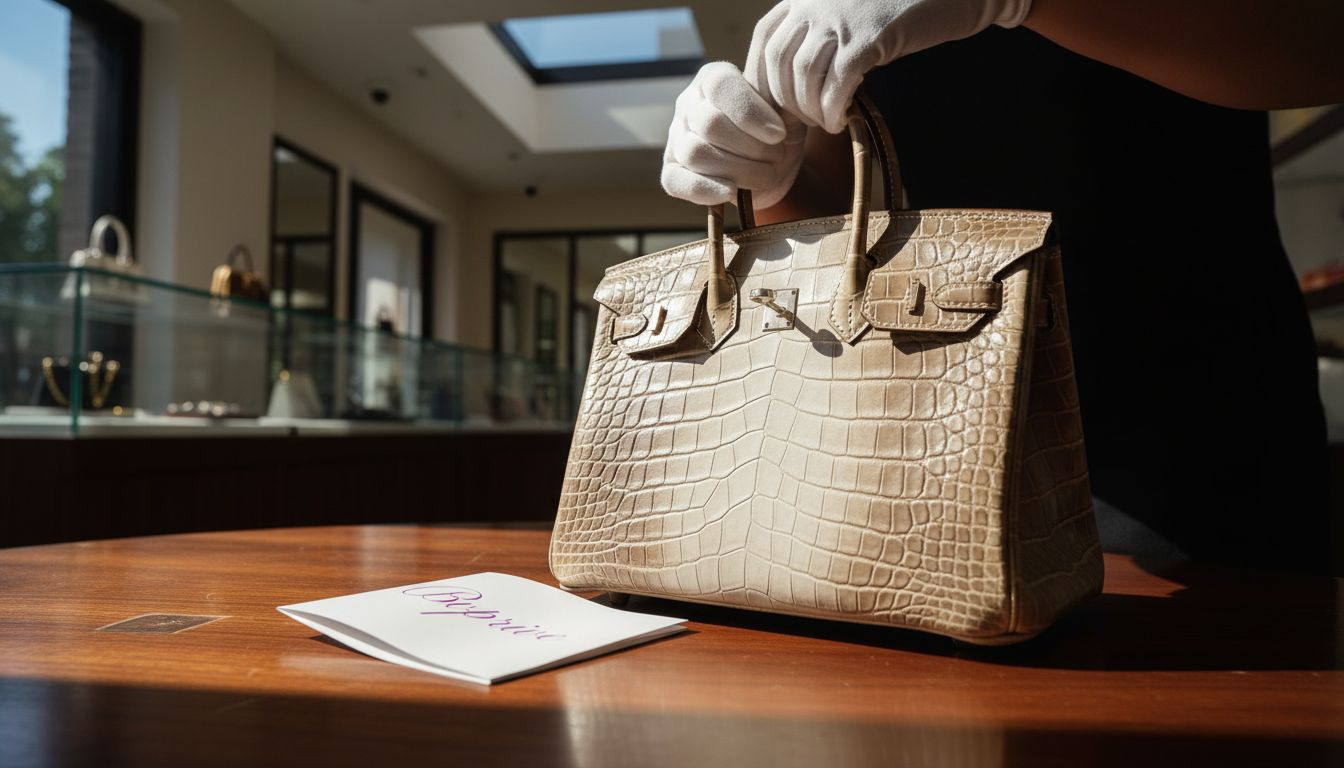
Examples of exotic leather Birkins include the Himalaya Niloticus Crocodile Birkin, featuring gradient coloring that mimics snow-capped mountains. This particular variation sells for $200,000 to $500,000 at auction. The material scarcity directly impacts both primary retail pricing and secondary market valuations.
Pro Tip: When evaluating exotic leather Birkins, verify the skin type through official Hermès stamps and documentation. Crocodile scales have a central follicle dot distinguishing them from embossed imitations, while alligator features a distinct umbilical scar pattern.
Material exclusivity extends beyond exotic skins to include:
- Limited color releases available only during specific seasons
- Discontinued leather finishes creating vintage appeal
- Hardware variations in gold, palladium, or rare rose gold
- Special order capabilities restricted to top-tier clients
Limited Editions and Provenance Impact
Hermès occasionally releases limited edition Birkin collections in numbered runs, dramatically increasing exclusivity. These special editions might feature unique color combinations, seasonal themes, or collaborations with artists. Production quantities range from 50 to 200 pieces globally, making acquisition extremely competitive.
Limited editions typically command 30% to 70% higher prices than standard models at initial release. This premium grows over time as collectors recognize the finite supply. The Kelly Doll Birkin and Cargo Birkin serve as recent examples where novel design elements created instant collector demand.
Documented provenance significantly enhances Birkin value, particularly when linked to notable owners. Bags with verifiable provenance can increase resale value by up to 40% compared to identical models lacking ownership history. Celebrity connections add cachet that transcends the bag’s physical attributes.
Auction houses like Christie’s and Sotheby’s meticulously document bag histories, creating certificates of authenticity that travel with the item. These records detail:
- Original purchase date and boutique location
- Ownership chain including any celebrity or notable collectors
- Appearances in media, films, or significant events
- Condition reports from expert authenticators
- Rarity indicators such as limited edition numbers
Pro Tip: Always request complete provenance documentation when purchasing pre-owned Birkins. Original receipts, boutique paperwork, and photographic evidence of celebrity ownership should be verifiable through independent sources before paying provenance premiums.
The following table illustrates typical resale premium variations based on provenance factors:
| Provenance Type | Typical Premium | Example |
|---|---|---|
| Standard bag, no history | Baseline | Basic Togo leather, common color |
| Limited edition, numbered | 30-50% | Seasonal release, 100 pieces |
| Celebrity owned, documented | 40-60% | Owned by A-list actress with photos |
| Auction house certified | 25-35% | Christie’s authenticated with full record |
| Historic significance | 50-100% | Worn at major cultural event |
Investment Potential Compared to Other Luxury Assets
Rare Birkins have appreciated about 14.2% annually over the past 15 years, establishing them as formidable alternative investments. This performance significantly outpaces traditional safe havens like gold, which averaged approximately 9.5% annual returns during the same period. The tangible nature of Birkins appeals to collectors seeking portfolio diversification beyond financial instruments.
Stock market indices provide another comparison point. The S&P 500 delivered roughly 6.7% annualized returns over comparable timeframes, less than half the appreciation rate of investment-grade Birkins. This gap highlights how rarity factors, limited supply, and growing global wealth concentration create sustained demand pressure.
Several factors explain this superior investment performance. Global luxury consumer populations expanded dramatically, particularly in Asia and the Middle East. Meanwhile, Hermès maintained strict production discipline, refusing to flood markets despite surging demand. The resulting supply-demand imbalance pushed prices steadily upward.
The following comparison illustrates relative performance across asset classes:
| Asset Class | 15-Year Annual Return | Liquidity | Tangibility | Storage Cost |
|---|---|---|---|---|
| Rare Birkin Bags | 14.2% | Moderate | High | Low |
| Gold | 9.5% | High | High | Moderate |
| S&P 500 Index | 6.7% | Very High | None | None |
| Real Estate | 8.3% | Low | High | High |
| Fine Art | 10.1% | Low | High | High |
Rarity drives this performance advantage. Unlike stocks that can issue new shares or gold miners that can increase production, Hermès cannot rapidly scale Birkin output without compromising brand positioning. This inelastic supply creates pricing power unavailable in most asset categories.
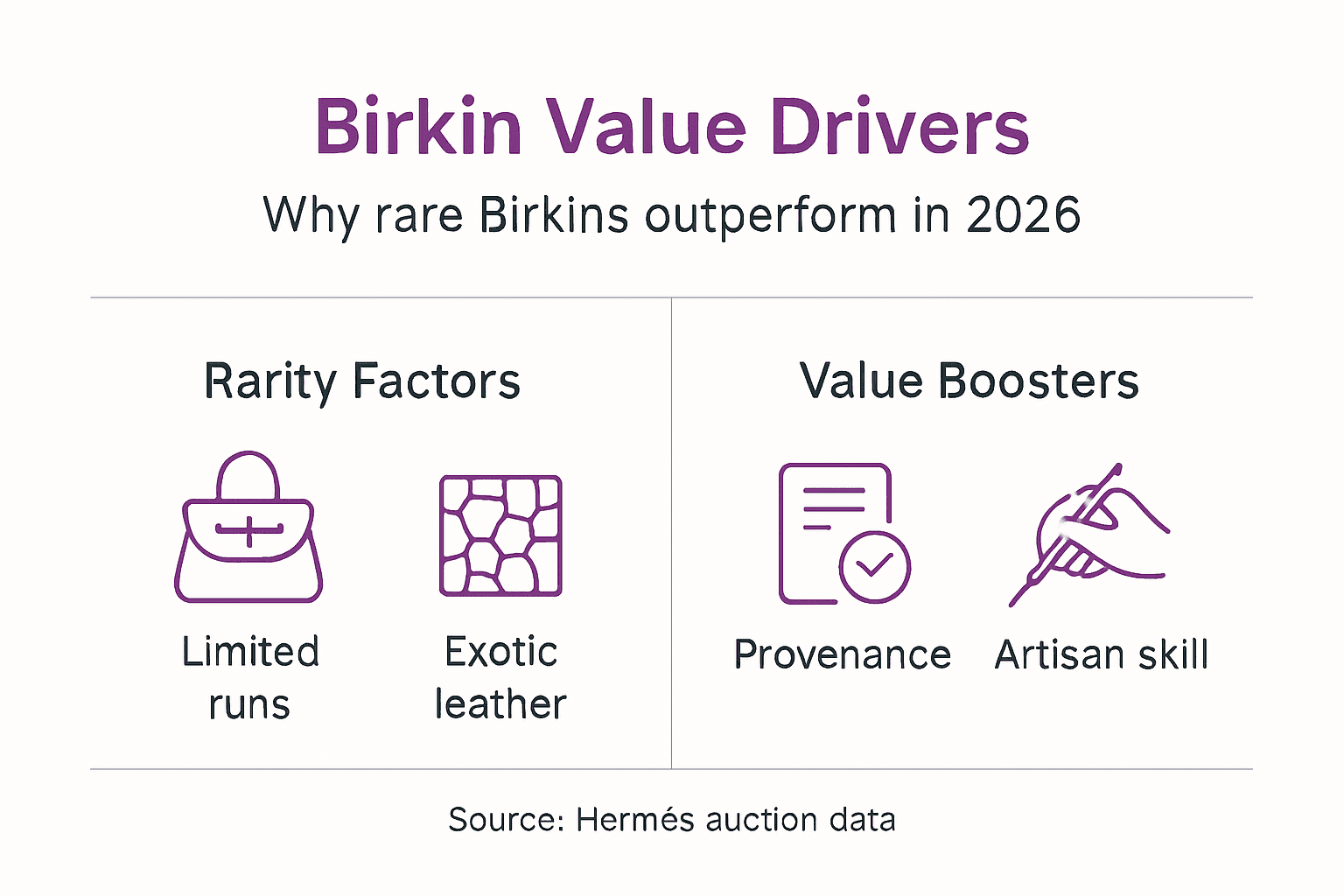
You should recognize that past performance doesn’t guarantee future returns. However, the structural factors supporting Birkin valuations remain intact in 2026. Wealth creation continues globally while production constraints persist, suggesting favorable long-term dynamics for rare pieces.
Common Misconceptions about Birkin Rarity and Value
Many collectors mistakenly assume all Birkins appreciate equally, leading to poor investment decisions. Standard black or brown Togo leather Birkins in common sizes do hold value, but they lack the exponential growth potential of genuinely rare pieces. Size 25cm and 30cm bags in neutral colors saturate the secondary market, limiting price appreciation.
Another widespread myth suggests exotic materials alone guarantee maximum value. While crocodile and ostrich command premiums, condition, color, and hardware significantly impact final pricing. A poorly maintained exotic leather Birkin may sell for less than a pristine standard leather bag with desirable characteristics.
Authentication complexity is frequently underestimated by new collectors. Counterfeiters have become sophisticated, replicating many surface-level features that casual observers check. Heat stamps, stitching patterns, and hardware can appear convincing without expert examination of leather quality, construction methods, and subtle brand-specific details.
Common misconceptions include:
- Assuming boutique waitlists are the only acquisition method for authentic bags
- Believing all exotic leathers appreciate at identical rates regardless of skin type
- Thinking hardware choice is purely aesthetic without value implications
- Overlooking condition grading’s massive impact on resale pricing
- Expecting immediate liquidity similar to stocks or bonds
Collectors should focus on proven rarity indicators rather than assumptions. Limited editions with documented scarcity, exotic materials from verified sources, and bags with authenticated celebrity provenance consistently outperform generic models. The secondary market rewards true rarity, not merely the Hermès name.
Authentication and Rarity Verification Processes
Expert authentication examines over 20 distinct bag features including stitching consistency, leather grain patterns, hardware weight and finish, and internal stamp characteristics. Genuine Birkins display precise saddle stitching with uniform tension and exact stitch counts per inch. Thread color matches leather tone according to Hermès specifications that vary by production year.
Heat stamps inside Birkin bags encode production information that authenticators cross-reference against known Hermès practices. Letter codes indicate the craftsperson and production year, following patterns that counterfeiters frequently misinterpret. The stamp’s depth, font clarity, and positioning relative to seams reveal authenticity when examined under magnification.
Provenance documentation supports both authentication and rarity verification. Original purchase receipts from Hermès boutiques include specific details like boutique location codes and sales associate information. These receipts can be verified through Hermès customer service, though the brand maintains strict privacy policies around ownership inquiries.
Counterfeit risks remain significant without professional verification. Sophisticated fakes now include convincing dust bags, boxes, and fabricated receipts. Only purchasing through verified luxury platforms dramatically reduces fraud exposure compared to private sales or unregulated marketplaces.
Authentication steps include:
- Comprehensive exterior examination of leather grain and stitching quality
- Hardware analysis including clasp mechanism function and metal composition testing
- Interior stamp verification cross-referenced against production year databases
- Comparison of bag measurements against Hermès specifications by size
- Ultraviolet light examination revealing certain adhesives or treatments
- Provenance document verification through official channels when available
Pro Tip: Request authentication certificates from recognized luxury authenticators like Entrupy or authenticate through established auction houses before completing high-value purchases. Third-party verification costs are negligible compared to potential losses from counterfeit bags.
Practical Buying Guidance for Collectors and Investors
Research rarity factors thoroughly before committing to purchases. Study current auction results for comparable bags, noting how specific attributes like color, size, and leather type affect final hammer prices. Online databases track Birkin sales histories, providing valuable benchmarks for evaluating asking prices.
Verify authenticity through multiple expert sources rather than relying on seller assurances alone. Reputable luxury resale platforms guarantee authentication, but independent verification adds confidence for six-figure purchases. Professional authentication services typically charge 3% to 5% of estimated bag value, representing essential due diligence.
Focus acquisition efforts on categories demonstrating strongest historical appreciation. Limited edition releases, exotic leathers in rare colors, and bags with documented celebrity provenance consistently command premiums. Size considerations matter too, as 25cm and 30cm bags offer broader resale appeal than extreme sizes.
Practical buying steps include:
- Define your collecting focus based on personal taste and investment objectives
- Establish authentication relationships with recognized experts before purchasing
- Compare asking prices against recent auction results and verified private sales
- Demand complete provenance documentation including original receipts when available
- Inspect bags personally when possible, examining stitching and hardware closely
- Use verified luxury platforms offering authentication guarantees and buyer protection
Pro Tip: Timing purchases strategically can yield savings. Auction houses often see softer bidding during summer months and year-end holidays when wealthy collectors travel. Monitor multiple platforms simultaneously to identify undervalued opportunities that meet your rarity criteria.
Consider storage and insurance immediately after acquisition. Proper climate-controlled storage preserves leather condition, directly impacting future resale value. Specialized insurance policies cover luxury handbags against theft, damage, and loss, with premiums typically ranging from 1% to 2% of appraised value annually.
Conclusion: Making an Informed Choice on Rare Birkins
Rare Birkins represent the intersection of artistic craftsmanship and investment-grade scarcity. The factors explored throughout this guide, from exotic materials to documented provenance, work synergistically to create exceptional value propositions. Collectors who look beyond surface-level prestige to authentic rarity drivers position themselves for superior returns.
Investment success requires moving past common myths toward evidence-based evaluation. Not every Birkin appreciates equally, and exotic materials alone don’t guarantee optimal performance. Careful verification through expert authentication and provenance documentation protects your capital while improving investment confidence.
The 14.2% annual appreciation over 15 years demonstrates how genuine rarity translates into financial performance. As you build your collection, prioritize limited editions, exotic leathers with verified sourcing, and bags carrying authenticated ownership histories. These characteristics consistently command premiums in secondary markets.
Choosing rare Birkins supports both luxury lifestyle enjoyment and portfolio diversification objectives. Unlike purely financial assets, these bags provide tangible beauty while potentially appreciating. The key lies in informed selection based on the comprehensive rarity factors detailed here.
Explore Our Curated Collection of Rare and Authentic Birkins
You’ve learned what makes Birkins truly rare and investment worthy. Now explore verified opportunities through platforms specializing in authenticated luxury.
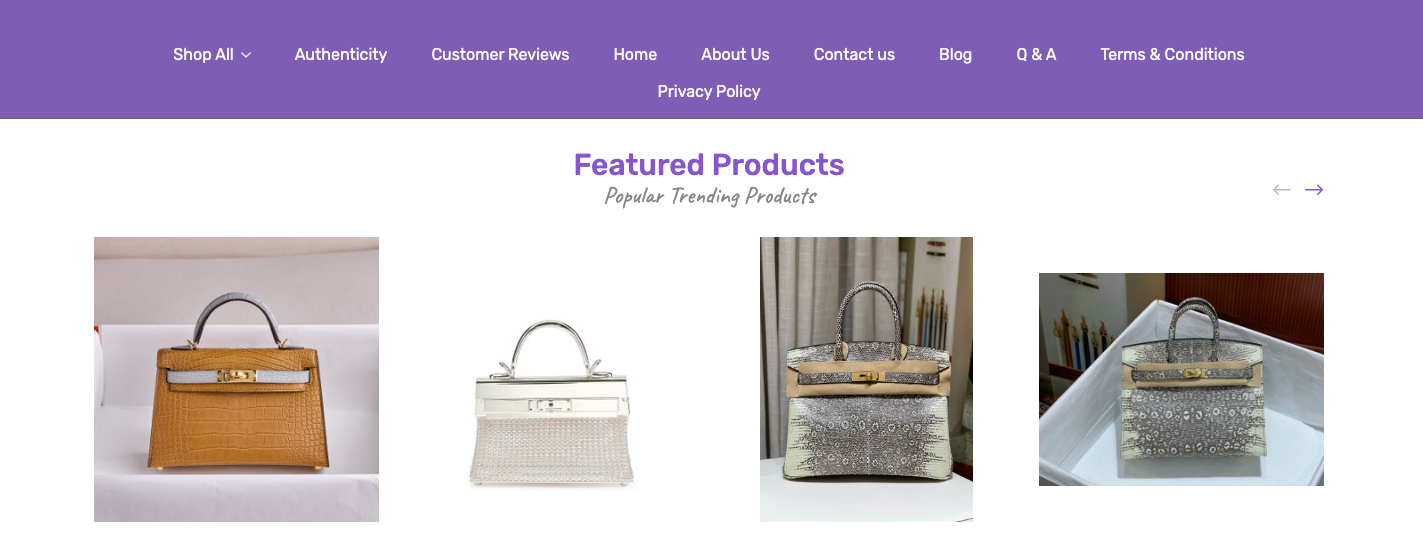
BVPRIVE offers curated selections of rare Birkin handbags backed by expert authentication guarantees. Every bag undergoes comprehensive verification across the 20+ features discussed in this guide. Our team sources limited editions, exotic leathers, and provenance-documented pieces matching the exclusivity criteria that drive appreciation. Whether you’re building an investment portfolio or acquiring personal luxury, our expert buying guidance and investment resources support confident decisions. Browse authenticated inventory at BVPRIVE today.
Frequently Asked Questions
What makes a Birkin bag truly rare?
Rarity stems from limited production numbers, exotic material sourcing, and documented provenance rather than brand name alone. Hermès restricts annual output while using scarce leathers like crocodile and ostrich that require specialized tanneries. Spotting genuinely rare pieces requires understanding these production constraints and material availability. Authentication complexity adds another rarity layer, as expert knowledge is necessary to verify genuine bags from sophisticated counterfeits.
How does provenance affect the value of a Birkin bag?
Provenance documents a bag’s ownership history, adding desirability beyond physical attributes. Celebrity ownership particularly elevates market appeal, with collectors paying premiums for bags carried by notable figures. Provenance can add up to a 40% premium on Birkin resale prices when properly documented. Auction houses provide authentication certificates that verify ownership chains, creating permanent value enhancements for future sales.
What steps ensure authentic rare Birkin purchases?
Purchase only through verified luxury platforms offering authentication guarantees and buyer protection policies. Request complete provenance documentation including original receipts, boutique paperwork, and any celebrity connection evidence. Seek independent expert opinions examining the authentication checklist of stitching, stamps, hardware, and leather characteristics before finalizing transactions. Third-party authentication services provide additional confidence for high-value acquisitions.
Are exotic materials the sole factor in Birkin investment value?
Exotic materials significantly increase value but represent only one component of investment potential. Limited edition status, documented provenance, and condition grading equally impact appreciation rates. A holistic approach considering all rarity factors yields better investment outcomes than focusing exclusively on leather type. Standard leathers in rare colors with celebrity provenance can outperform common exotic leather bags lacking distinctive characteristics.
How liquid are rare Birkin bags as investments?
Rare Birkins offer moderate liquidity compared to stocks but superior liquidity versus real estate or fine art. Established auction houses and luxury resale platforms provide ready markets for authenticated pieces. Sale timelines typically range from several weeks to a few months depending on pricing and rarity level. The strongest liquidity exists for highly desirable combinations of exotic leathers, popular sizes, and neutral colors that appeal to broad collector bases.
Recommended
- Why Invest in Rare Handbags: Value, Trends, and Risks - BVPRIVE
- 7 Must-Have Luxury Bags 2026 for Savvy Collectors - BVPRIVE
- What Is a Birkin Bag and Why It’s Coveted - BVPRIVE
- Luxury Handbag Investment Guide 2026: Maximize Your Returns - BVPRIVE
- AI Trends in Financial Management for 2026 - Blog Contabify