



Why luxury brands retain value: collector insights
BVPRIVE Editorial Team on 21st Mar 2026
Why luxury brands retain value: collector insights

Contrary to popular belief, many luxury handbags don’t lose value after purchase. Instead, iconic pieces from brands like Hermès and Chanel often appreciate significantly, outperforming traditional investments through controlled scarcity, robust secondary markets, and enduring brand heritage. This guide examines the mechanisms driving luxury value retention, presents empirical benchmarks comparing handbag appreciation to stock market returns, explores nuances like democratization risks and repair strategies, and offers practical advice for collectors seeking to maximize their investment potential in the exclusive world of designer accessories.
Table of Contents
- Key takeaways
- How controlled scarcity powers luxury value retention
- Empirical benchmarks: luxury value vs traditional investments
- Nuances and challenges: democratization, repair, and market dynamics
- Practical strategies for collectors to maximize value retention
- Explore luxury handbag investment opportunities with BVPRIVE
- FAQ
Key Takeaways
| Point | Details |
|---|---|
| Controlled scarcity drives value | Scarcity is the foundation of luxury value preservation, with waitlists, limited editions, and distribution controls pushing resale prices above MSRP. |
| Brand heritage retention | Iconic houses like Hermès and Chanel maintain strong value through enduring heritage and steady demand across market cycles. |
| Repair services extend value | Repair and restoration options help preserve condition and lengthen resale potential. |
| Secondary market potential | Active resale markets provide diverse investment potential and ongoing price discovery beyond original purchase prices. |
How controlled scarcity powers luxury value retention
Luxury brands deliberately restrict supply to maintain exclusivity and drive demand. Waitlists for coveted models like the Hermès Birkin or Chanel Classic Flap create artificial scarcity that elevates perceived value. When immediate availability is limited, collectors compete for access, pushing secondary market prices well above manufacturer’s suggested retail price (MSRP).
Invitation-only sales and limited production runs amplify this effect. Brands release special editions in small quantities, often tied to seasonal collections or collaborations, ensuring that only select clients can acquire them. This strategy transforms handbags from functional accessories into investment assets, as scarcity and resale premiums create measurable value appreciation over time.
Data reveals striking results. The Louis Vuitton Neverfull, subject to waitlists in key markets, commands resale premiums up to 158% above original retail during peak demand periods. Hermès Birkin bags, with production intentionally capped and distribution tightly controlled, maintain consistent secondary market premiums regardless of economic conditions. This resilience stems from fundamental supply constraints that insulate iconic pieces from broader market volatility.
Several distinct mechanisms reinforce scarcity-driven value:
- Waitlists that extend months or years, creating pent-up demand
- Invitation-only purchase opportunities reserved for VIP clients
- Limited edition releases tied to specific events or anniversaries
- Regional allocation strategies that vary supply by market
- Craftsmanship constraints limiting production capacity
These tactics buffer luxury brands during economic slowdowns. While discretionary spending may decline broadly, scarcity-protected models retain value because supply remains fixed while collector demand persists. Understanding how exclusivity shapes luxury handbags helps investors identify which pieces will maintain premiums over time.
“Scarcity is not just a marketing tactic; it’s the foundation of luxury value preservation. When supply is genuinely constrained, secondary markets respond with sustained price premiums that reward patient collectors.”
For investors, this means focusing on brands and models with proven scarcity mechanisms. The role of limited edition bags becomes critical when evaluating long-term appreciation potential, as these pieces combine restricted supply with heightened desirability among collectors seeking unique additions to their portfolios.
Empirical benchmarks: luxury value vs traditional investments
Hard data demonstrates luxury handbags’ investment performance. The Hermès Birkin experienced a 500% value increase over 35 years, significantly outpacing the S&P 500’s compound annual growth rate of 14.2% during the same period. The Chanel Classic Flap showed 132% appreciation over a decade, delivering returns that rival many equity portfolios.
Value retention measures resale price as a percentage of current MSRP, accounting for both original purchase price appreciation and the brand’s pricing power over time. This metric captures how well a handbag holds value relative to what a new version costs today, providing a more accurate picture than simple resale-to-purchase comparisons.
| Brand/Model | Value Retention (% of MSRP) | Average Days to Sell | 10-Year Appreciation |
|---|---|---|---|
| Hermès Birkin 30 | 125-180% | 18-25 days | 380% |
| Chanel Classic Flap Medium | 95-115% | 22-30 days | 132% |
| Louis Vuitton Neverfull MM | 75-85% | 28-35 days | 58% |
| Dior Lady Dior Medium | 65-75% | 35-45 days | 42% |
Liquidity matters as much as appreciation. Days-to-sell metrics from platforms like Rebag CLAIR and The RealReal reveal that top-tier models move quickly in secondary markets. Hermès Birkin bags typically sell within three weeks, offering investors both strong returns and reasonable exit flexibility. This combination of appreciation and liquidity distinguishes luxury handbags from less liquid alternative investments like fine art or vintage cars.
The long-term investment appeal stems from multiple factors. Luxury brands regularly increase retail prices, often 8-12% annually, which lifts the baseline against which resale values are measured. A Chanel Classic Flap purchased in 2015 for $4,900 competes in today’s market against a $10,200 retail price, meaning even a $7,500 resale represents only 74% retention by current standards while delivering a 53% gain over original purchase price.
For collectors evaluating why invest in luxury bags, these benchmarks provide concrete evidence of wealth preservation potential. The Birkin resale value consistently demonstrates that scarcity-protected icons can deliver returns exceeding traditional asset classes while offering tangible enjoyment during ownership.
Pro Tip: Track retail price increases alongside resale values to identify models where brand pricing power creates hidden appreciation. A bag holding steady at 80% of MSRP while retail prices climb 50% represents significant real gains for early buyers.
Nuances and challenges: democratization, repair, and market dynamics
Democratization presents a double-edged sword for luxury value retention. As brands expand accessibility through broader distribution or entry-level product lines, exclusivity can erode. When more consumers access a brand, the cachet that drives premium pricing may diminish. However, scarcity-protected icons decouple from macro slowdowns, maintaining value even as parent brands pursue growth strategies.
The secondhand market has grown substantially, with geographic variations creating arbitrage opportunities. European collectors may find better pricing than American buyers for certain models, while Asian markets command premiums for rare colorways. This geographic complexity adds layers to investment strategy, as savvy collectors can leverage regional price differences to optimize both acquisition and liquidation.
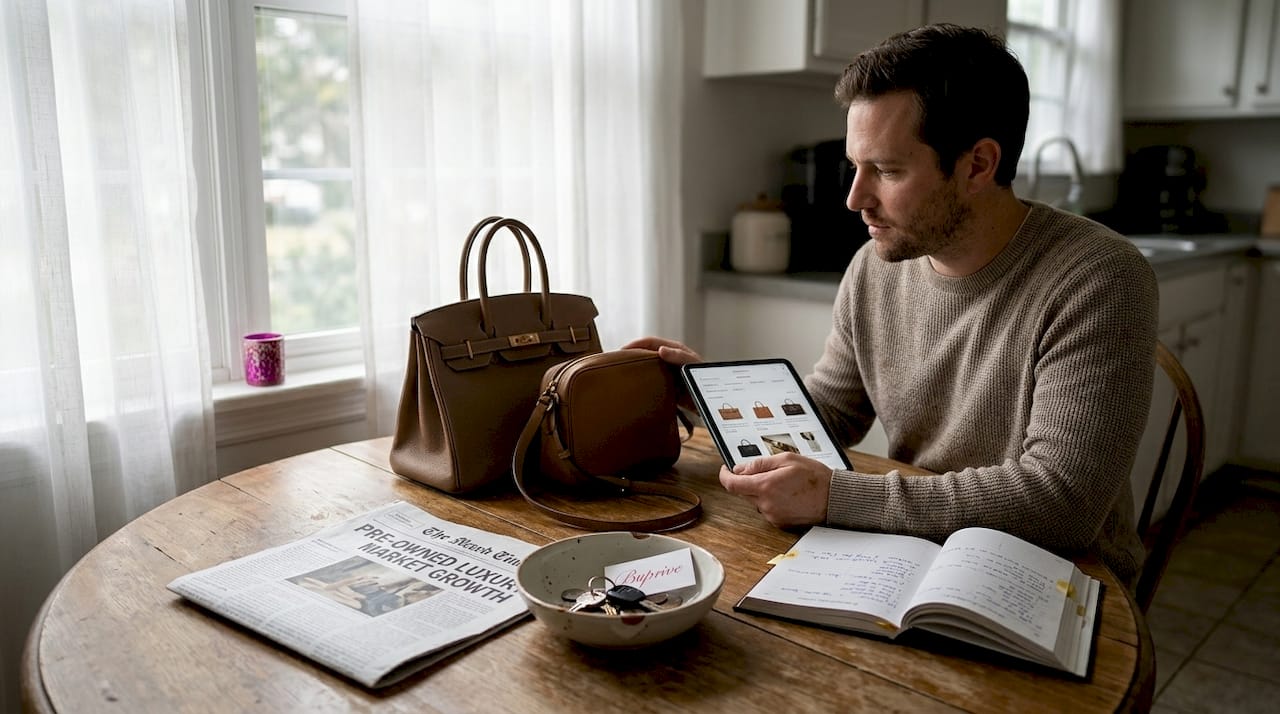
Repair services play a crucial role in value preservation. Professional restoration maintains aesthetic appeal and extends functional lifespan, both essential for commanding strong resale prices. Authorized brand repair acts as a slowing loop strategy, preserving investment value despite practical barriers like time requirements and service costs. A well-maintained Hermès Kelly with documented repair history often outperforms neglected examples by 15-20% at resale.
Collectors face several repair barriers:
- Long wait times at authorized service centers, sometimes exceeding six months
- High costs for exotic leather restoration or hardware replacement
- Limited access to brand-authorized repair for discontinued models
- Geographic constraints requiring shipping to specific service locations
- Risk of value loss if repairs are performed by unauthorized third parties
These challenges create opportunities for collectors who invest in proper maintenance. Understanding why luxury brands matter includes recognizing how brand-authorized care preserves authentication and value. Third-party repairs, while potentially faster or cheaper, can compromise resale prospects as buyers increasingly demand proof of authorized service history.
The emotional dimension of repair extends beyond financial calculation. Many collectors view luxury handbags as heirlooms, pieces to pass to future generations. Professional restoration preserves both monetary and sentimental value, ensuring that bags remain functional and beautiful across decades. This inheritance mindset aligns with why buy limited edition bags, as rare pieces gain significance through family history alongside market appreciation.
Market dynamics continue evolving. Younger collectors increasingly view luxury handbags as investment vehicles rather than purely personal accessories, driving demand for data-driven acquisition strategies. This shift has professionalized the secondary market, with platforms providing detailed analytics on value retention, liquidity, and market trends. Collectors who treat purchases as portfolio decisions, balancing aesthetic preferences with investment fundamentals, position themselves for optimal long-term outcomes.
Pro Tip: Maintain detailed records of all repairs, including receipts, condition reports, and photographs. This documentation significantly enhances resale value by providing buyers with confidence in the bag’s care history and authenticity.
Practical strategies for collectors to maximize value retention
Successful luxury handbag investment requires systematic evaluation at acquisition. Collectors should assess scarcity indicators, brand pricing trends, and secondary market liquidity before purchasing. Models with established waitlists, limited production runs, or strong resale track records offer the best appreciation potential. Researching luxury resale metrics provides baseline data for comparing investment candidates.
Maintenance practices directly impact resale value. Store bags in dust covers within climate-controlled environments, avoiding direct sunlight and humidity extremes. Rotate usage to prevent excessive wear on any single piece. Address minor issues promptly through authorized repair channels before they escalate into major condition problems. Preserve all original packaging, authentication cards, and purchase receipts, as complete documentation commands premium pricing.
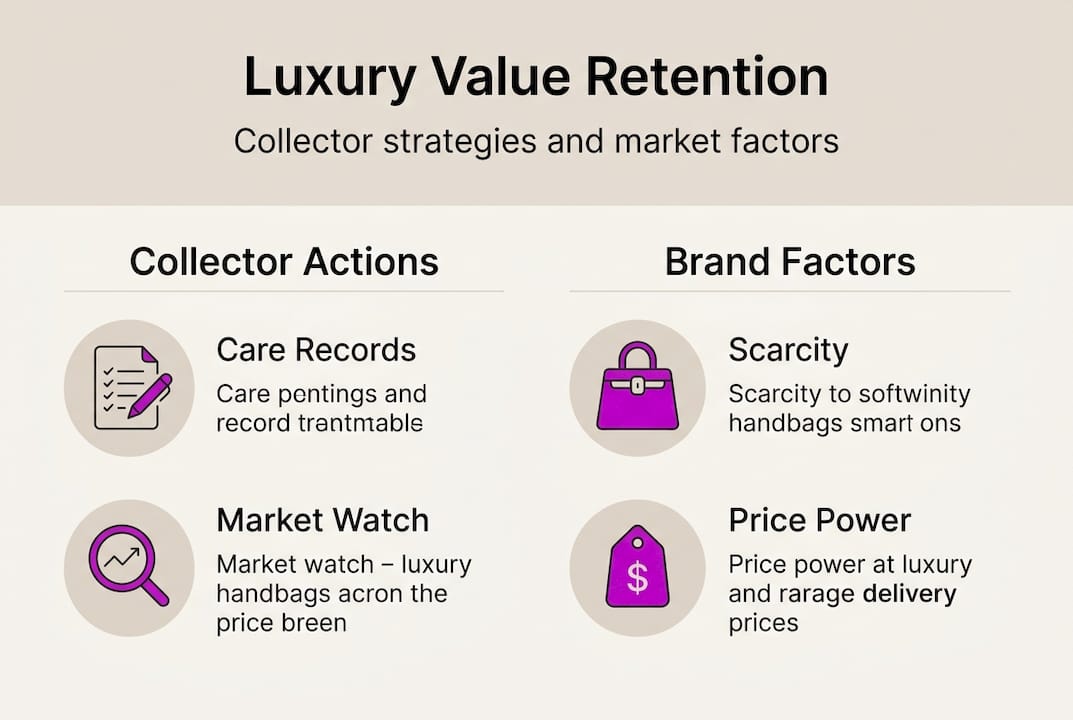
Timing resale maximizes returns. Monitor market trends through platforms tracking days-to-sell and average sale prices. Seasonal patterns affect demand, with certain models performing better during specific times of year. Limited editions often peak in value 2-3 years post-release, after initial supply is absorbed but before the model becomes dated. Understanding these cycles helps collectors identify optimal exit windows.
| Strategy Component | Value Retention Impact | Liquidity Impact |
|---|---|---|
| Buy scarcity-protected models | High (20-50% premium) | High (faster sales) |
| Maintain complete documentation | Medium (10-15% premium) | Medium (buyer confidence) |
| Use authorized repair services | High (15-25% premium) | High (authentication assurance) |
| Store in optimal conditions | Medium (5-10% premium) | Medium (condition preservation) |
| Time sales strategically | Medium (10-20% premium) | Variable (market dependent) |
A numbered approach to collection management:
- Research brand pricing history and secondary market performance before purchasing
- Prioritize models with documented scarcity mechanisms and strong resale track records
- Maintain meticulous condition through proper storage and prompt authorized repairs
- Document all maintenance, repairs, and provenance with photographs and receipts
- Monitor secondary market trends through platforms like Rebag, The RealReal, and Vestiaire Collective
- Time sales to coincide with peak seasonal demand or market cycles
- Leverage professional authentication services to provide buyer confidence
- Consider geographic arbitrage opportunities when both buying and selling
Platform selection affects both sale price and speed. Consignment through established luxury resellers offers authentication credibility and access to serious buyers, though fees typically range 20-30%. Direct peer-to-peer sales may yield higher net proceeds but require more effort in marketing, authentication, and transaction management. Evaluating top designer bag resellers helps collectors choose channels aligned with their priorities.
Diversification within a luxury handbag portfolio balances risk and return. Combining high-appreciation potential pieces like Hermès Birkins with more liquid models like Chanel Classic Flaps creates flexibility. Including best luxury handbags across multiple brands hedges against individual brand strategy shifts that might affect value retention.
Pro Tip: Set price alerts on secondary market platforms for models you own or want to acquire. Tracking real-time market movements reveals trends before they become obvious, giving you first-mover advantage in both buying and selling decisions. Regular monitoring takes minimal time but provides valuable intelligence for optimizing collection value.
Explore luxury handbag investment opportunities with BVPRIVE
Navigating the luxury handbag investment landscape requires expertise and access to authenticated inventory. BVPRIVE specializes in rare, limited-edition designer pieces from Hermès, Chanel, Louis Vuitton, and other premium brands, offering collectors curated selections backed by rigorous authentication processes. Whether you’re building an investment portfolio or seeking a specific iconic piece, BVPRIVE provides personalized consultancy to match your goals with market opportunities.
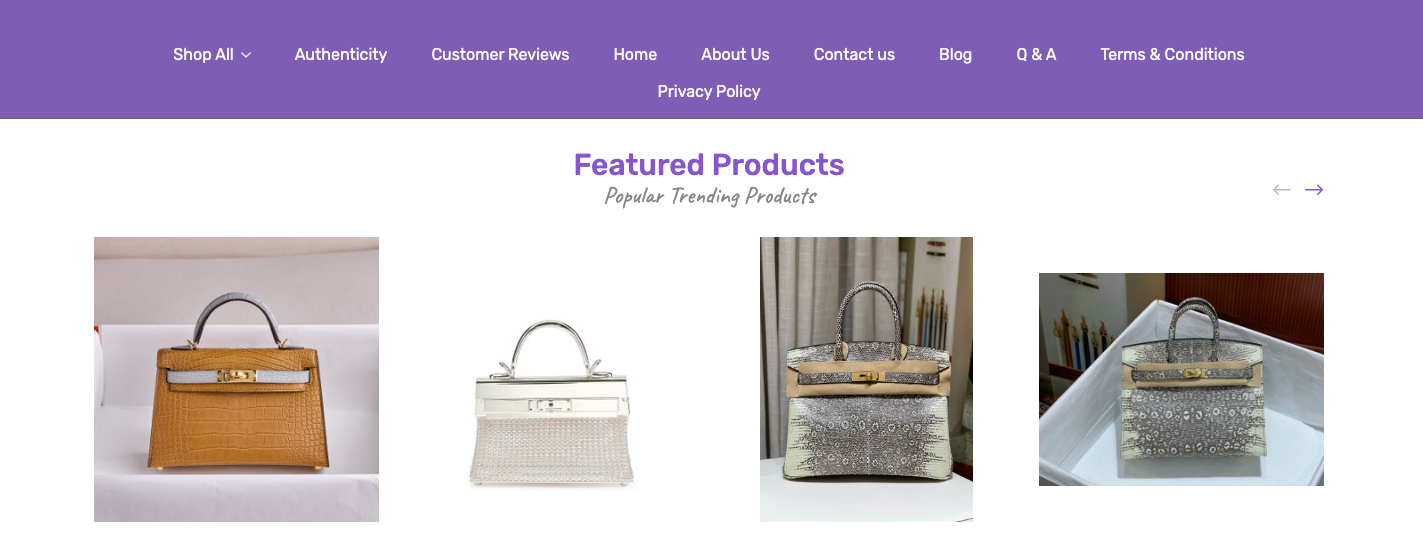
The platform’s global reach and VIP personal shopping services connect serious collectors with exclusive inventory, including exotic leathers and discontinued models that command significant premiums. Tax-free worldwide delivery and detailed provenance documentation ensure seamless transactions for international buyers. Explore current collections and gain market insights that inform smarter acquisition decisions at BVPRIVE.
Pro Tip: Leverage professional platforms like BVPRIVE to access pre-authenticated inventory and expert guidance. This approach saves time, reduces authentication risk, and often provides access to rare pieces not available through traditional retail channels, maximizing both collection quality and investment potential.
FAQ
How do waitlists influence luxury handbag value?
Waitlists artificially restrict immediate supply, creating pent-up demand that elevates perceived exclusivity. This scarcity mechanism drives secondary market prices above retail, as collectors unable or unwilling to wait pay premiums for immediate access. The Louis Vuitton Neverfull demonstrates this effect, with waitlist-driven resale premiums reaching 158% during peak demand periods. Brands strategically manage waitlists to maintain pricing power and protect long-term value retention across their product lines.
What makes Hermès Birkin bags exceptional investments?
Birkin bags combine extreme scarcity with unparalleled craftsmanship and iconic brand heritage. Production is intentionally limited, with each bag requiring 18-24 hours of hand assembly by a single artisan. This genuine supply constraint, coupled with global collector demand, creates sustained appreciation. The 500% value increase over 35 years outperforms most traditional investments while offering tangible ownership benefits. Strong secondary market liquidity, with typical sale times under three weeks, provides exit flexibility rare among alternative assets.
How does handbag repair contribute to value preservation?
Professional repair maintains both aesthetic appeal and functional integrity, essential factors in commanding strong resale prices. Authorized brand service ensures repairs meet original quality standards, preserving authentication and buyer confidence. Repair functions as a slowing loop strategy, extending product lifespan and maintaining investment value despite practical barriers like service wait times and costs. Well-maintained bags with documented repair history consistently outperform neglected examples by 15-20% at resale, making proper care a crucial component of value retention strategy.
Which luxury brands offer the best value retention?
Hermès leads value retention metrics, with Birkin and Kelly models routinely selling above original retail prices. Chanel Classic Flaps maintain 95-115% of current MSRP, delivering strong appreciation as the brand increases retail pricing annually. Louis Vuitton’s iconic models like the Neverfull and Speedy retain 75-85% of MSRP with good liquidity. Brand-specific factors like production constraints, pricing power, and secondary market demand determine retention rates. Scarcity-protected models from heritage brands consistently outperform more accessible lines, making brand and model selection critical to investment success.
How can collectors identify undervalued luxury handbags?
Monitor retail price increases relative to secondary market movements. Models where resale prices haven’t kept pace with retail hikes may offer appreciation potential as the market adjusts. Track days-to-sell metrics to identify liquid models with strong demand. Research discontinued styles from heritage brands, as scarcity often increases post-production. Limited editions from collaborations or special collections frequently appreciate after initial supply is absorbed. Comparing current resale data across multiple platforms reveals pricing inefficiencies that savvy collectors can exploit for both acquisition and liquidation advantages.
Recommended
- Why Luxury Brands Matter for Collectors’ Investments - BVPRIVE
- Why Authentic Designer Bags Retain 80%+ Value in 2026 - BVPRIVE
- Why Invest in Luxury Bags: Value Beyond Style - BVPRIVE
- 7 Benefits of Investing in Designer Bags for Collectors - BVPRIVE
- What makes a premium beverage display for luxury events