


Why invest in designer accessories: a valuable guide
BVPRIVE Editorial Team on 24th Mar 2026
Why invest in designer accessories: a valuable guide
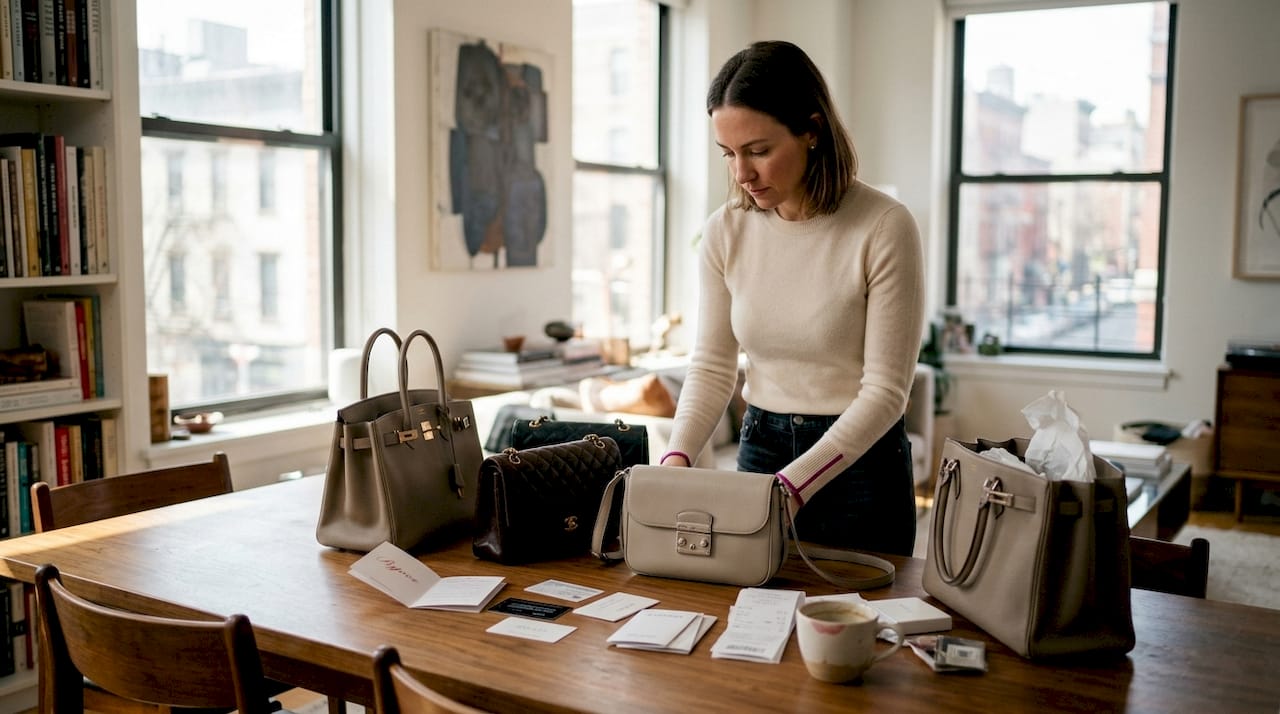
Many people view designer accessories as expensive indulgences, status symbols that drain bank accounts without offering tangible returns. This perspective misses a crucial reality: certain rare and authentic designer pieces function as alternative investments with impressive value retention and appreciation potential. Iconic handbags from brands like Hermès and Chanel have consistently outperformed traditional asset classes over the past decade. This guide reveals why investing in designer accessories can be financially strategic, exploring brand strength, market dynamics, authentication essentials, and practical buying strategies that help you build a collection that grows in value while you enjoy owning these timeless pieces.
Table of Contents
- Key takeaways
- Understanding the investment value of designer accessories
- How market trends and brand reputation influence investment potential
- Practical tips for investing in designer accessories
- Comparing designer accessories to other luxury investments
- Discover exclusive designer accessories investment opportunities
- FAQ
Key Takeaways
| Point | Details |
|---|---|
| Value retention | Designer accessories can retain or appreciate value over time, making them a viable alternative investment alongside traditional assets. |
| Brand heritage matters | Heritage brands with limited production and enduring demand tend to deliver stronger investment returns. |
| Authentication essential | Verified provenance and official authentication protect resale potential and maintain buyer confidence. |
| Market trends influence value | Understanding market dynamics and how brand reputation shifts can maximize investment outcomes and portfolio diversification. |
Understanding the investment value of designer accessories
Designer accessories derive their investment value from three interconnected factors: brand prestige, limited production, and exceptional craftsmanship. Unlike mass-market products, luxury houses carefully control supply while maintaining exacting quality standards. This scarcity combined with enduring demand creates conditions where certain pieces appreciate rather than depreciate.
The numbers tell a compelling story. Chanel Classic Flap bags show 95-115% value retention and have appreciated 132% over 10 years, outpacing many traditional investments. Hermès Birkin bags command even stronger returns, with some models doubling or tripling their original retail prices on the secondary market. These aren’t isolated examples but patterns repeated across authenticated rare pieces from heritage brands.
What separates investment-grade accessories from ordinary luxury goods? Timeless design plays a crucial role. Fashion trends cycle rapidly, but iconic silhouettes like the Kelly bag or Chanel 2.55 transcend temporary fads. Their designs remain relevant across generations, ensuring consistent collector interest. Quality construction matters equally. Hand-stitched leather, precious metal hardware, and meticulous finishing mean these pieces physically endure decades of use while maintaining their aesthetic appeal.
“Luxury accessories represent tangible assets you can enjoy while they appreciate, unlike stocks or bonds that exist only as numbers on a screen.”
Collectors increasingly recognize authenticated rare pieces as portfolio diversifiers. When stock markets fluctuate, luxury accessories maintain unique value independent of broader economic cycles. Their worth stems from cultural cachet and material scarcity rather than corporate earnings or interest rates. This alternative asset class offers both financial upside and personal enjoyment, a combination traditional investments cannot match.
Several factors determine which accessories achieve investment status:
- Limited production runs create immediate scarcity that drives future demand
- Heritage brand reputation ensures long-term desirability across collector generations
- Exceptional materials like exotic leathers or precious metals enhance intrinsic value
- Documented provenance and authentication certificates protect resale potential
- Condition preservation through proper storage maintains market value
The investment case strengthens when you consider maintenance costs. Unlike real estate requiring taxes and upkeep, or cars needing insurance and repairs, designer accessories demand minimal ongoing expenses. Proper storage and occasional professional cleaning represent the primary costs, making them relatively low-maintenance assets.
How market trends and brand reputation influence investment potential
Brand reputation provides the foundation for long-term investment stability. Houses like Hermès, Chanel, and Louis Vuitton have cultivated prestige over decades or centuries, creating brand equity that translates directly into resale value. Their consistent quality standards and carefully managed brand images ensure that authenticated pieces from these makers command premium prices regardless of broader market conditions.
Market trends determine which specific styles and brands gain investment momentum at any given time. Social media influence, celebrity endorsements, and fashion week presentations can rapidly elevate certain models into must-have status. Savvy investors monitor these signals while focusing on pieces with proven long-term appeal rather than chasing temporary hype.
The performance gap between top-tier brands reveals important investment insights. Birkin bags retain 125-180% of original value, generally outperforming other designer accessories in both value retention and appreciation rates. This exceptional performance stems from Hermès’s strict production limits and the bags’ iconic status among collectors worldwide.
| Investment Metric | Chanel Classic Flap | Hermès Birkin 30 |
|---|---|---|
| Value retention | 95-115% | 125-180% |
| 10-year appreciation | 132% | 150-200% |
| Market liquidity | High | Very high |
| Authentication complexity | Moderate | High |
| Entry price point | $8,000-$12,000 | $12,000-$25,000 |
Understanding how trends impact designer bags helps you distinguish between fleeting fashions and enduring classics. Micro-trends like specific colors or embellishments may spike prices temporarily, but investment-grade pieces typically feature neutral colors, classic silhouettes, and timeless hardware. These characteristics ensure broad appeal across different eras and style preferences.
Brand strategy directly affects investment potential. Some luxury houses expand production to meet demand, diluting exclusivity and potentially weakening resale values. Others maintain strict scarcity, even turning away customers, which preserves the aspirational quality that drives appreciation. Hermès famously limits Birkin production and implements waiting lists, creating artificial scarcity that sustains premium pricing.
Pro Tip: Focus on brands with documented histories of price increases and limited production. Annual retail price hikes from houses like Chanel and Hermès automatically boost the value of pieces purchased at earlier price points, creating instant appreciation before considering secondary market premiums.
Geographic markets influence investment dynamics differently. Asian collectors particularly prize certain brands and styles, driving prices higher in those regions. European and American markets show distinct preferences. Understanding these regional variations helps you identify arbitrage opportunities where pieces trade at different premiums across markets.
The secondary market ecosystem matters significantly. Established resale platforms, auction houses, and specialized dealers create liquidity that makes designer accessories viable investments. Without robust resale channels, even rare pieces would struggle to find buyers at premium prices. The growth of authenticated online marketplaces has democratized access while maintaining value through verification services.
Practical tips for investing in designer accessories
Successful designer accessory investment starts with strategic selection. Prioritize classic models with proven appreciation records over trendy pieces that may lose appeal. The Hermès Birkin, Chanel Classic Flap, and Louis Vuitton Neverfull represent examples of styles that have maintained or increased value across multiple decades. Limited editions from these established lines often command even higher premiums due to their additional rarity.
Authenticity verification stands as the single most critical factor protecting your investment. Authentic designer bags retain over 80% of value when purchased from authorized retailers, while counterfeits hold zero legitimate resale value. Counterfeit quality has improved dramatically, making professional authentication essential even when buying from seemingly reputable sources.
Follow this systematic approach to build your investment collection:
- Research historical price trends and appreciation rates for specific models you’re considering
- Verify seller credentials and request authentication certificates from recognized experts
- Purchase from authorized boutiques, established auction houses, or verified luxury resale platforms
- Document your purchase with receipts, certificates, and photographs for future resale
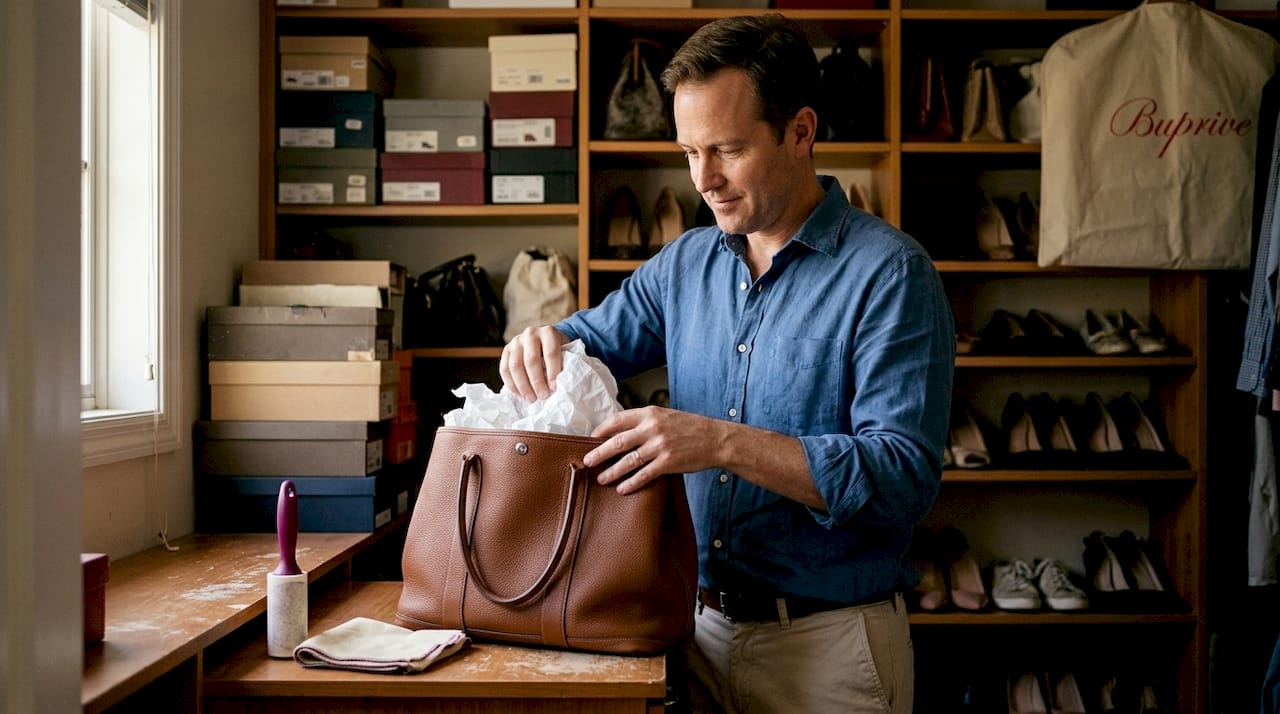
- Store pieces in climate-controlled environments using dust bags and proper support structures
- Monitor market conditions to identify optimal resale timing when demand peaks
Condition preservation directly impacts resale value. Store bags stuffed with acid-free tissue to maintain shape. Keep them in breathable dust bags rather than plastic, which can trap moisture and damage leather. Avoid direct sunlight and extreme temperatures that fade colors and dry out materials. Handle pieces with clean hands and rotate usage if you own multiple items to prevent excessive wear on any single piece.
Pro Tip: Watch for common authentication pitfalls that devastate resale value. Mismatched serial numbers, incorrect font styles on logos, poor stitching quality, and non-original hardware immediately flag pieces as counterfeit. Even subtle discrepancies in leather grain, stamp depth, or interior lining can indicate fakes that sophisticated buyers will reject.
Timing your purchases strategically can enhance returns. Buying directly from boutiques at retail price points, while requiring patience and relationship building with sales associates, eliminates authentication concerns and provides original documentation. However, secondary market purchases sometimes offer rare discontinued models or limited editions unavailable at retail, potentially justifying premium prices if appreciation potential exceeds the markup.
Building relationships with luxury boutique staff can provide access to highly sought pieces before they reach broader markets. Sales associates often maintain client lists for popular models, offering first opportunities to established customers. This insider access can mean acquiring investment-grade pieces at retail rather than paying secondary market premiums.
Consider insurance for high-value pieces. Specialized fine art and collectibles insurance policies cover luxury accessories against theft, damage, and loss. Premium costs typically run 1-2% of insured value annually, a reasonable expense for pieces worth tens of thousands of dollars. Standard homeowners insurance often provides inadequate coverage limits for luxury goods.
Comparing designer accessories to other luxury investments
Designer accessories offer distinct advantages compared to other luxury asset classes. Unlike fine art requiring specialized storage and insurance, or classic cars demanding garage space and maintenance, handbags and accessories occupy minimal space while requiring little ongoing care. This practical advantage makes them accessible to collectors without dedicated storage facilities or substantial maintenance budgets.
Liquidity represents another key differentiator. Selling a designer handbag through established resale platforms can happen within days or weeks, while disposing of fine jewelry, watches, or art often requires months to find qualified buyers willing to pay fair market value. The robust secondary market for authenticated luxury accessories provides exit options that preserve value rather than forcing distressed sales.
| Asset Class | 10-Year Value Growth | Market Liquidity | Volatility Risk | Enjoyment Factor |
|---|---|---|---|---|
| Designer bags | 100-150% | High | Moderate | High |
| Luxury watches | 80-200% | Moderate | High | Moderate |
| Fine jewelry | 50-120% | Low | Low | High |
| Contemporary art | 60-300% | Low | Very high | Moderate |
Chanel Classic Flap bags appreciate 132% over 10 years, performance competitive with luxury watches while offering superior liquidity. Watches from heritage brands like Rolex or Patek Philippe can deliver exceptional returns, but their market shows greater volatility. Limited edition timepieces may spike dramatically then correct, while established designer bag models demonstrate steadier appreciation curves.
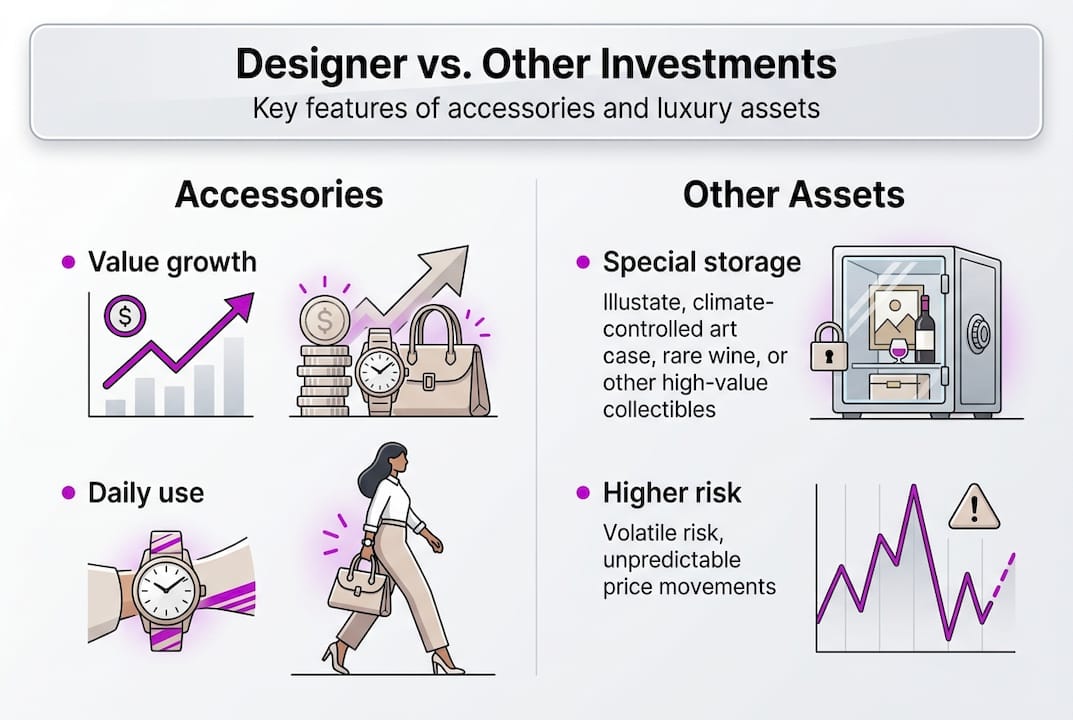
Fine jewelry faces challenges from fluctuating precious metal and gemstone markets. A piece’s value depends heavily on material composition, meaning gold price drops can erase gains from craftsmanship premiums. Designer accessories derive value primarily from brand equity and rarity rather than material costs, insulating them somewhat from commodity price swings.
Contemporary art offers the highest potential returns but also the greatest risk. Emerging artists may achieve meteoric appreciation or fade into obscurity. Established artists command stable prices, but their works often require five or six-figure investments beyond most collectors’ reach. Designer accessories provide entry points from several thousand dollars while still offering meaningful appreciation potential.
Risk considerations for designer accessory investments include:
- Market demand fluctuations as fashion preferences evolve over time
- Brand reputation damage from quality issues or negative publicity
- Authentication challenges as counterfeit quality improves
- Storage and condition maintenance requirements to preserve value
- Liquidity constraints for extremely rare or niche pieces
Balancing a luxury investment portfolio means recognizing that designer accessories complement rather than replace traditional investments. They provide tangible enjoyment while appreciating, diversify holdings beyond financial instruments, and offer inflation hedging through their connection to luxury spending power. However, they should represent only a portion of overall wealth allocated to alternative assets.
The enjoyment factor distinguishes designer accessories from purely financial investments. You can carry and use these pieces while they appreciate, deriving utility and pleasure impossible with stocks or bonds. This dual purpose makes them particularly appealing to collectors who value both financial returns and personal satisfaction from ownership.
Discover exclusive designer accessories investment opportunities
Now that you understand the investment potential of authenticated designer accessories, it’s time to explore curated collections specifically selected for their appreciation prospects. BVPRIVE specializes in rare and limited-edition pieces from Hermès, Chanel, Louis Vuitton, and other heritage brands, each verified for authenticity and investment quality. Our platform connects serious collectors with exceptional luxury accessories that combine timeless style with proven value retention.
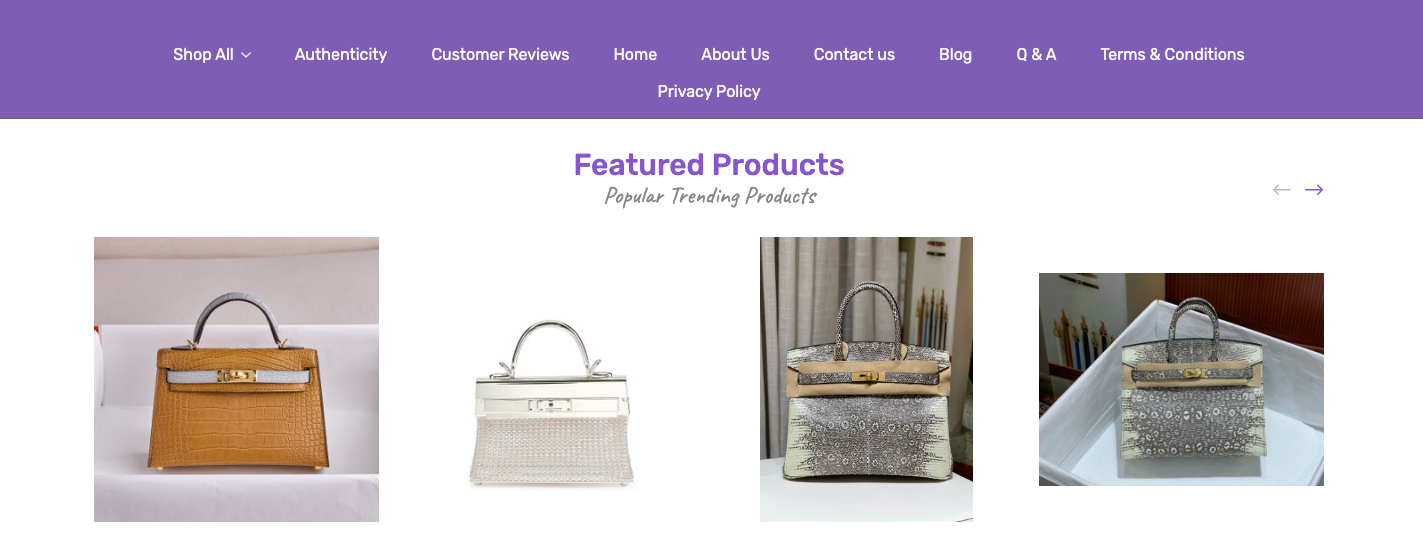
Our expert team provides personalized advisory services to help you identify pieces with the strongest growth potential based on current market dynamics and historical performance data. Whether you’re building your first investment collection or expanding an existing portfolio, we offer the authentication guarantees and market insights you need to invest confidently. Browse our current inventory to discover rare finds that meet both your aesthetic preferences and financial objectives.
FAQ
What should I consider before investing in designer accessories?
Prioritize authenticity verification, brand reputation, and documented rarity before making any purchase. Research historical appreciation rates for specific models you’re considering and only buy from authorized retailers or verified resale platforms. Condition matters significantly, so inspect pieces carefully or rely on professional authentication services that guarantee quality.
How do limited editions affect the investment value of designer accessories?
Limited editions typically command higher appreciation rates due to their inherent scarcity and collector appeal. Brands intentionally restrict production to create exclusivity, driving demand among collectors who prize rare pieces. However, verify that limited status is genuine rather than marketing language, as some “limited” releases are produced in quantities too large to sustain premium pricing.
Can designer accessories provide better returns than traditional investments?
Certain designer accessories appreciate 132% over 10 years, showcasing performance competitive with many traditional asset classes. Their tangible nature allows you to enjoy ownership while pieces appreciate, unlike stocks or bonds that provide only financial returns. However, they should complement rather than replace diversified investment portfolios, as they carry different risk profiles than securities.
How long should I hold designer accessories to maximize investment returns?
Holding periods of five to ten years typically allow sufficient time for appreciation to outpace purchase premiums and transaction costs. Some rare pieces appreciate immediately, but most investment-grade accessories require patience as brand value compounds and scarcity increases over time. Monitor market conditions and consider selling when demand peaks for your specific model, which may occur during fashion revivals or following celebrity endorsements.
What maintenance do designer accessories require to preserve investment value?
Store pieces in climate-controlled environments using dust bags and acid-free tissue to maintain shape. Avoid direct sunlight, extreme temperatures, and humidity that damage leather and hardware. Handle bags with clean hands and rotate usage if you own multiple pieces to prevent excessive wear. Consider professional cleaning and conditioning every few years to preserve materials and appearance, as condition directly impacts resale value.