


Why buy rare designer accessories in 2026: investment guide
BVPRIVE Editorial Team on 15th Mar 2026
Why buy rare designer accessories in 2026: investment guide
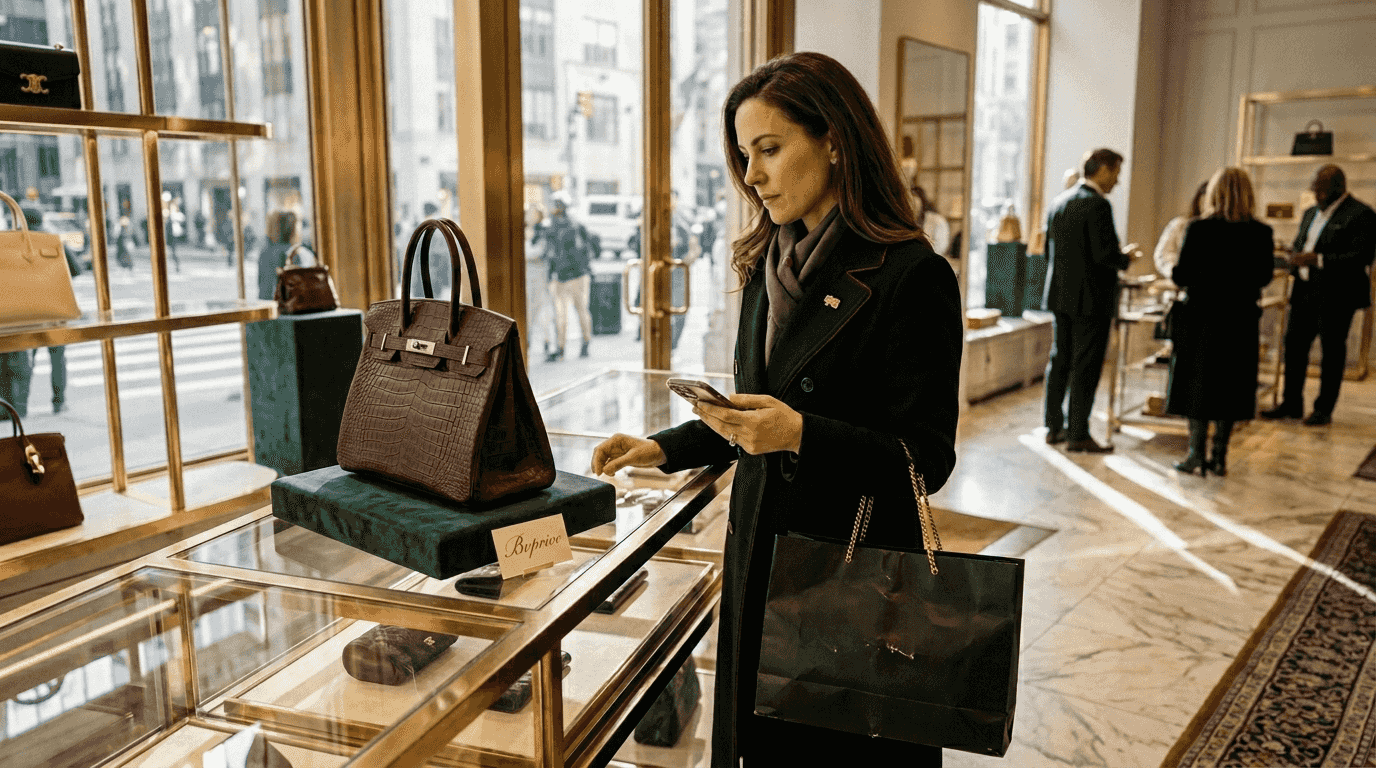
A rare Hermès Himalaya Birkin sold for over $380,000 at auction, shattering expectations for what a handbag could command. This astonishing price reflects a fundamental shift in how affluent collectors view luxury accessories, moving beyond fashion statements to recognize them as legitimate investment assets. Rare designer pieces from Hermès, Chanel, and Louis Vuitton now compete with traditional portfolios, offering exclusivity, cultural capital, and impressive financial returns. This guide reveals why purchasing rare designer accessories benefits your lifestyle and wealth strategy, covering market dynamics, rarity factors, and actionable acquisition steps for 2026.
Table of Contents
- The Allure Of Rarity: Understanding Exclusivity In Designer Accessories
- Investment Potential Of Rare Designer Accessories Versus Traditional Assets
- Nostalgia And Brand Legacy: Drivers Of Long-Term Value
- How To Select And Buy Rare Designer Accessories For Lifestyle And Investment
- Explore Exclusive Rare Designer Accessories At BVPRIVE
- Frequently Asked Questions
Key takeaways
| Point | Details |
|---|---|
| Exceptional resale performance | Hermès accessories achieved 138% value retention in 2025, with Birkin resale values surging 92% since 2015. |
| Dual lifestyle and investment value | Rare accessories provide exclusive status symbols while serving as alternative assets with 7-10% annual appreciation potential. |
| Portfolio diversification benefits | Designer collectibles show low correlation to stocks and bonds, enhancing overall portfolio stability and risk management. |
| Scarcity drives demand | Limited production and brand allocation policies create waitlists and secondary market premiums that sustain long-term value. |
| Emotional and cultural significance | Brand legacy and nostalgia amplify desirability, with collaborations achieving resale values 123-142% above retail prices. |
The allure of rarity: understanding exclusivity in designer accessories
Scarcity forms the bedrock of value in luxury markets. When brands intentionally limit production, they transform functional items into coveted symbols of status and taste. Hermès constrained Birkin production to roughly 120,000 bags annually globally, fostering exclusivity that money alone cannot guarantee. This deliberate restriction creates multi-year waitlists and drives secondary market premiums that far exceed retail prices.
The psychology behind this phenomenon runs deeper than simple supply and demand. Owning a rare accessory signals membership in an elite circle, communicating cultural capital and discernment to those who recognize its significance. A Birkin or Kelly bag represents not just craftsmanship but access to networks and opportunities unavailable to most consumers. This symbolic dimension elevates these pieces beyond mere possessions into identity markers.
Brand strategies amplify scarcity through allocation policies that favor established clients and restrict new buyer access. Hermès boutiques require purchase histories before offering coveted models, while Chanel limits quantities per customer to prevent resale speculation. These tactics maintain mystique and prevent market saturation that could erode prestige. Collectors understand that rarity today predicts value tomorrow, making limited edition bags particularly attractive for both lifestyle enjoyment and financial appreciation.
Exclusivity also fosters emotional attachment that transcends rational calculation. Acquiring a rare piece after years of pursuit creates personal narratives and memories tied to the item. This emotional dimension explains why collectors hold pieces long term rather than flipping them immediately, contributing to sustained scarcity in secondary markets. The combination of restricted supply, symbolic status, and emotional resonance creates a powerful value proposition.
Pro Tip: Research production limits and brand allocation policies before investing in rare accessories. Understanding how brands control supply helps you identify pieces with genuine scarcity versus marketing hype, ensuring your purchases hold long-term value and exclusivity.
Key factors driving accessory rarity and value:
- Annual production caps that create structural scarcity
- Selective client allocation favoring established relationships
- Exotic materials with limited availability
- Discontinuation of iconic designs creating vintage appeal
- Collaboration releases with finite production runs
Investment potential of rare designer accessories versus traditional assets
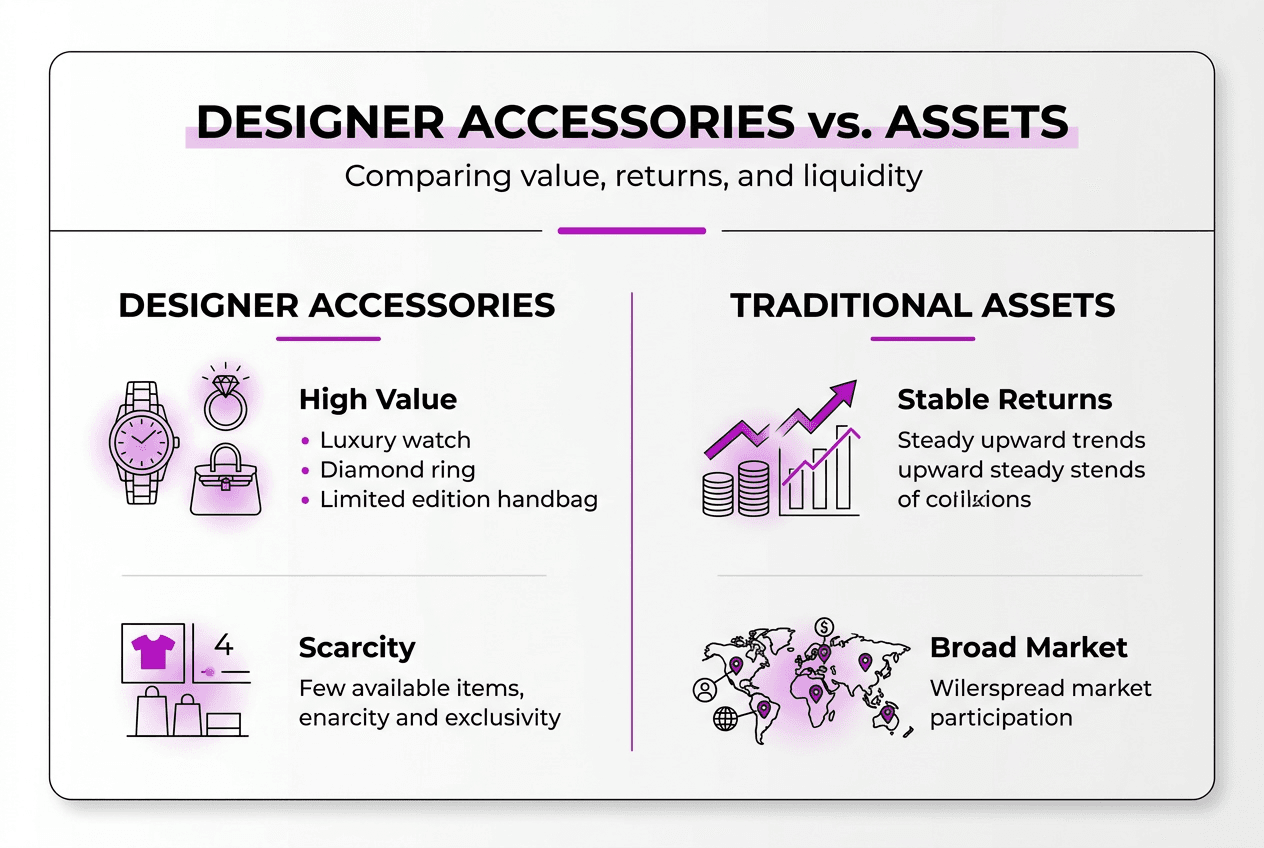
Rare designer accessories have emerged as serious alternative investments, delivering returns that challenge conventional wisdom about luxury purchases. Hermès average value retention reached 138% in 2025, representing a 38% year over year increase, while Birkin resale values surged 92% since 2015. These figures demonstrate appreciation that outpaces many traditional assets, positioning luxury accessories as viable portfolio components rather than frivolous expenses.

The financial case strengthens when examining correlation patterns. Unlike stocks or bonds, collectible value handbags respond to different market forces, including brand prestige, cultural trends, and collector demand rather than interest rates or corporate earnings. This low correlation provides genuine diversification benefits, reducing overall portfolio volatility while maintaining growth potential. When equity markets stumble, rare accessories often hold value or appreciate independently.
Comparative data reveals impressive performance across luxury segments. Top tier collectibles and designer accessories have appreciated roughly 7-10% annually over the past decade, matching or exceeding long-term equity returns without the same volatility exposure. Fine art, rare coins, and vintage watches show similar patterns, validating luxury goods as legitimate asset classes. For affluent investors seeking alternatives beyond traditional markets, rare handbags offer compelling risk-adjusted returns.
| Asset Class | 10-Year Annualized Return | Correlation to Equities | Liquidity Profile |
|---|---|---|---|
| Hermès Birkin Bags | 8-12% | Low | Moderate to High |
| S&P 500 Index | 10-11% | N/A | Very High |
| Fine Art (Top Tier) | 7-9% | Low | Low to Moderate |
| Rare Coins | 6-8% | Very Low | Moderate |
| Investment Grade Bonds | 3-5% | Negative | High |
Liquidity considerations matter when evaluating luxury investments. While not as instantly tradable as public equities, rare accessories from established brands enjoy robust secondary markets through auction houses, consignment platforms, and private dealers. A Birkin bag in excellent condition typically sells within weeks when priced appropriately, offering reasonable exit options compared to real estate or private equity. This balance of appreciation potential and liquidity makes designer accessories particularly attractive for high net worth individuals.
Pro Tip: Treat rare accessories as part of a diversified investment portfolio for alternative asset exposure. Allocate 5-15% of investable assets to luxury collectibles, balancing growth potential with your overall risk tolerance and liquidity needs for optimal portfolio construction.
Investment advantages of rare designer accessories:
- Tangible assets with intrinsic craftsmanship value
- Low correlation reducing portfolio volatility
- Inflation hedging through luxury goods pricing power
- Cultural relevance sustaining long-term demand
- Enjoyment value during ownership period
Nostalgia and brand legacy: drivers of long-term value
Brand heritage creates what scholars call temporal capital, a form of accumulated cultural authority that sustains value across generations. Hermès, founded in 1837, and Louis Vuitton, established in 1854, leverage centuries of craftsmanship tradition to command premium prices that newer luxury brands cannot match. This legacy functions as a moat protecting against market disruptions, as collectors trust established houses to maintain quality and prestige over decades.
Limited edition collaborations tap into nostalgia particularly effectively, creating emotional connections that transcend rational valuation. Louis Vuitton x Murakami accessories achieved resale values exceeding retail by 123% to 142%, fueled by nostalgia for early 2000s fashion and the artist’s iconic multicolor designs. These pieces trigger memories of specific cultural moments, making them more than accessories but artifacts of personal and collective history.
The interplay between scarcity and legacy amplifies long-term value retention. Hermès products achieve higher resale prices than retail, maintaining brand timelessness and cultural value through careful production management and consistent quality standards. This phenomenon demonstrates how temporal capital translates into financial performance, as buyers pay premiums for pieces connected to storied brand narratives. The symbolic status derived from heritage creates demand that persists regardless of fashion cycles.
Emotional connections drive collector behavior beyond pure investment calculus. Acquiring a vintage Chanel 2.55 connects owners to Coco Chanel’s revolutionary vision, while a Kelly bag evokes Grace Kelly’s timeless elegance. These narratives create meaning that enhances ownership satisfaction and reduces likelihood of sale during market downturns. Collectors become stewards of cultural artifacts rather than mere speculators, supporting price stability.
“Luxury brands with deep heritage possess temporal capital that newer entrants cannot replicate, creating sustainable competitive advantages in resale markets. This accumulated cultural authority translates directly into pricing power and value retention, making legacy pieces particularly attractive for long-term collectors and investors seeking stability.”
Understanding designer bag trends requires recognizing how nostalgia cycles influence demand. Styles popular 20-30 years ago often resurge as new generations discover them, creating appreciation opportunities for prescient collectors. The must-have luxury bags for 2026 reflect this pattern, blending classic silhouettes with contemporary interpretations that honor brand DNA while appealing to current tastes.
Brand legacy factors enhancing accessory value:
- Founding heritage spanning multiple generations
- Consistent craftsmanship standards over decades
- Iconic designs with cultural recognition
- Celebrity associations creating aspirational appeal
- Limited collaborations with renowned artists or designers
How to select and buy rare designer accessories for lifestyle and investment
Successful acquisition requires systematic evaluation balancing aesthetic appeal with market fundamentals. Start by researching which brands and models demonstrate consistent resale strength, focusing on houses with established secondary markets and transparent pricing data. Hermès, Chanel, and Louis Vuitton dominate resale platforms, offering liquidity advantages over niche labels. Within these brands, identify core styles with multi-decade track records rather than trendy pieces vulnerable to fashion shifts.
Authenticity verification stands as the critical first step before any purchase. Work exclusively with sellers providing third-party authentication certificates from recognized experts or platforms with rigorous vetting processes. Examine hardware quality, stitching precision, material authenticity, and date codes against brand standards. Counterfeit sophistication has increased dramatically, making professional verification essential for protecting your investment. Never rely solely on seller representations without independent confirmation.
Buying rare accessories requires attention to authenticity, condition, provenance, and market trends to maximize enjoyment and investment. Condition assessment determines value within model categories, as pristine examples command substantial premiums over pieces showing wear. Inspect leather for scratches, hardware for tarnishing, and interiors for staining or odors. Original packaging, dust bags, and receipts enhance resale value by confirming provenance and completeness.
Step-by-step rare accessory acquisition checklist:
- Research target brands and models with proven resale performance and cultural staying power.
- Verify seller reputation through reviews, platform guarantees, and industry standing before engaging.
- Obtain professional authentication from recognized experts or certified platforms for every purchase.
- Assess condition meticulously, documenting any flaws and adjusting valuation expectations accordingly.
- Confirm provenance through original receipts, boutique documentation, or credible ownership history.
- Compare pricing across multiple sources to ensure fair market value and identify negotiation opportunities.
- Consider storage and insurance requirements to protect your investment from damage or loss.
- Plan exit strategy understanding resale channels, timing considerations, and potential transaction costs.
| Accessory Category | Investment Characteristics | Lifestyle Appeal | Market Liquidity |
|---|---|---|---|
| Classic Icons (Birkin, Kelly, 2.55) | Highest value retention, stable demand, proven appreciation | Timeless versatility, universal recognition | Very High |
| Limited Editions | Moderate to high appreciation, nostalgia driven | Unique aesthetic, conversation pieces | Moderate to High |
| Collaboration Pieces | Variable returns, trend dependent | Cultural relevance, artistic value | Moderate |
| Exotic Leathers | Premium pricing, supply constrained | Luxury differentiation, rarity appeal | Moderate |
| Vintage Classics | Strong appreciation potential, condition critical | Heritage authenticity, sustainability | Moderate |
Market timing influences acquisition strategy, though long-term holders worry less about short-term fluctuations. Monitor auction results, resale platform pricing, and brand retail adjustments to identify favorable entry points. Economic downturns sometimes create buying opportunities as sellers liquidate, while luxury market booms inflate prices beyond sustainable levels. Patience and discipline prevent overpaying during hype cycles.
Pro Tip: Prioritize accessories with verified provenance and stable resale demand for best returns. Select rare handbags that balance personal style preferences with investment fundamentals, ensuring you enjoy wearing pieces while building wealth. The ideal acquisition delivers both lifestyle satisfaction and financial appreciation.
Consider lifestyle fit alongside investment potential for maximal value extraction. An accessory you never use provides no enjoyment value regardless of appreciation, while pieces integrated into your wardrobe deliver utility throughout ownership. Limited edition bags offer exclusivity that enhances social capital and personal satisfaction beyond mere financial metrics. The best purchases align with your aesthetic sensibility while meeting investment criteria.
Explore exclusive rare designer accessories at BVPRIVE
Transitioning from knowledge to action requires a trusted partner specializing in authenticated luxury pieces. BVPRIVE curates exclusive rare designer accessories from Hermès, Chanel, Louis Vuitton, and other prestigious houses, offering collectors investment grade options with verified authenticity and provenance. Each piece undergoes rigorous evaluation ensuring condition accuracy and market appropriate pricing.
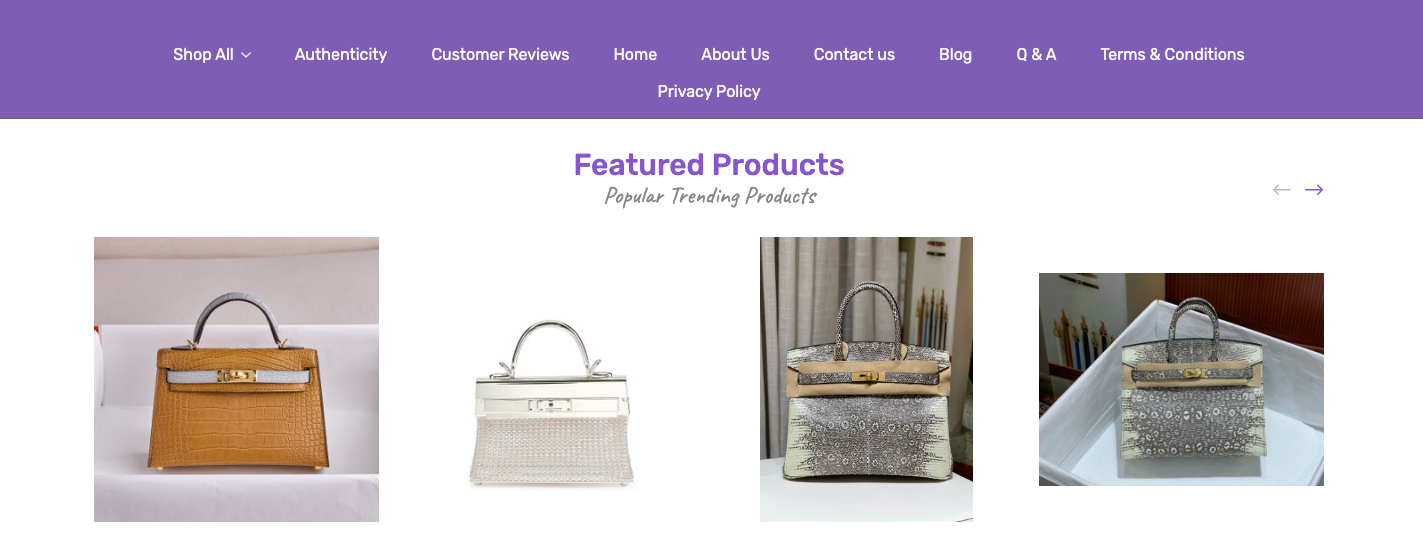
Our platform combines the exclusivity affluent collectors demand with the transparency modern investors require. Browse current inventory featuring Birkin bags, Kelly classics, limited edition collaborations, and exotic leather rarities that elevate both lifestyle and portfolio. Expert curation eliminates guesswork, presenting only pieces meeting strict quality and investment potential standards. Tax-free worldwide delivery and VIP personal shopping services ensure seamless acquisition experiences.
Whether building a collection or making your first rare accessory purchase, BVPRIVE provides resources and inventory supporting informed decisions. Explore our guides on investing in rare handbags and selecting rare handbags to deepen your expertise, then discover pieces that transform your wardrobe and wealth strategy simultaneously.
Frequently asked questions
Are rare designer accessories a safe investment in 2026?
Rare designer accessories have demonstrated strong long-term value retention and appreciation, particularly from established houses like Hermès and Chanel, but market volatility and authenticity risks exist. Diversify your luxury investments across multiple brands and styles while seeking expert authentication to mitigate counterfeiting exposure. Treat these purchases as alternative assets within a broader portfolio rather than concentrating wealth exclusively in collectibles, ensuring balanced risk management.
How do I verify the authenticity of rare designer accessories?
Authenticate through expert appraisals from certified professionals, platform guarantees from reputable resale sites, and detailed examination of materials, hardware, stitching, and brand markings. Trusted resale platforms employ trained authenticators who inspect every detail against brand standards before listing items. Check provenance documentation including original receipts, boutique purchase records, and ownership history to confirm legitimacy and enhance resale value when you eventually sell.
What role does nostalgia play in the value of rare accessories?
Nostalgia enhances desirability by connecting collectors emotionally to brand heritage, iconic designs, and cultural moments associated with specific pieces. Limited edition collaborations like Louis Vuitton x Murakami leverage nostalgia for early 2000s aesthetics, achieving resale premiums exceeding 140% above original retail prices. This emotional dimension creates demand beyond functional utility, supporting price stability and appreciation as pieces age into vintage status with accumulated cultural significance.
Can rare designer accessories diversify my investment portfolio?
Luxury accessories offer uncorrelated returns compared to stocks and bonds, responding to brand prestige and collector demand rather than interest rates or corporate earnings. They add tangible assets with intrinsic craftsmanship value and cultural relevance, providing inflation hedging through luxury goods pricing power. Allocating 5-15% of investable assets to rare accessories enhances portfolio diversification while offering liquidity options through robust secondary markets, balancing growth potential with reasonable exit flexibility for high net worth investors.