


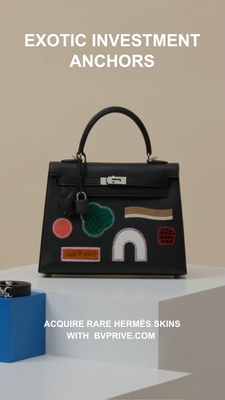
Why buy limited edition bags: exclusivity and investment
BVPRIVE Editorial Team on 6th Mar 2026
Why buy limited edition bags: exclusivity and investment
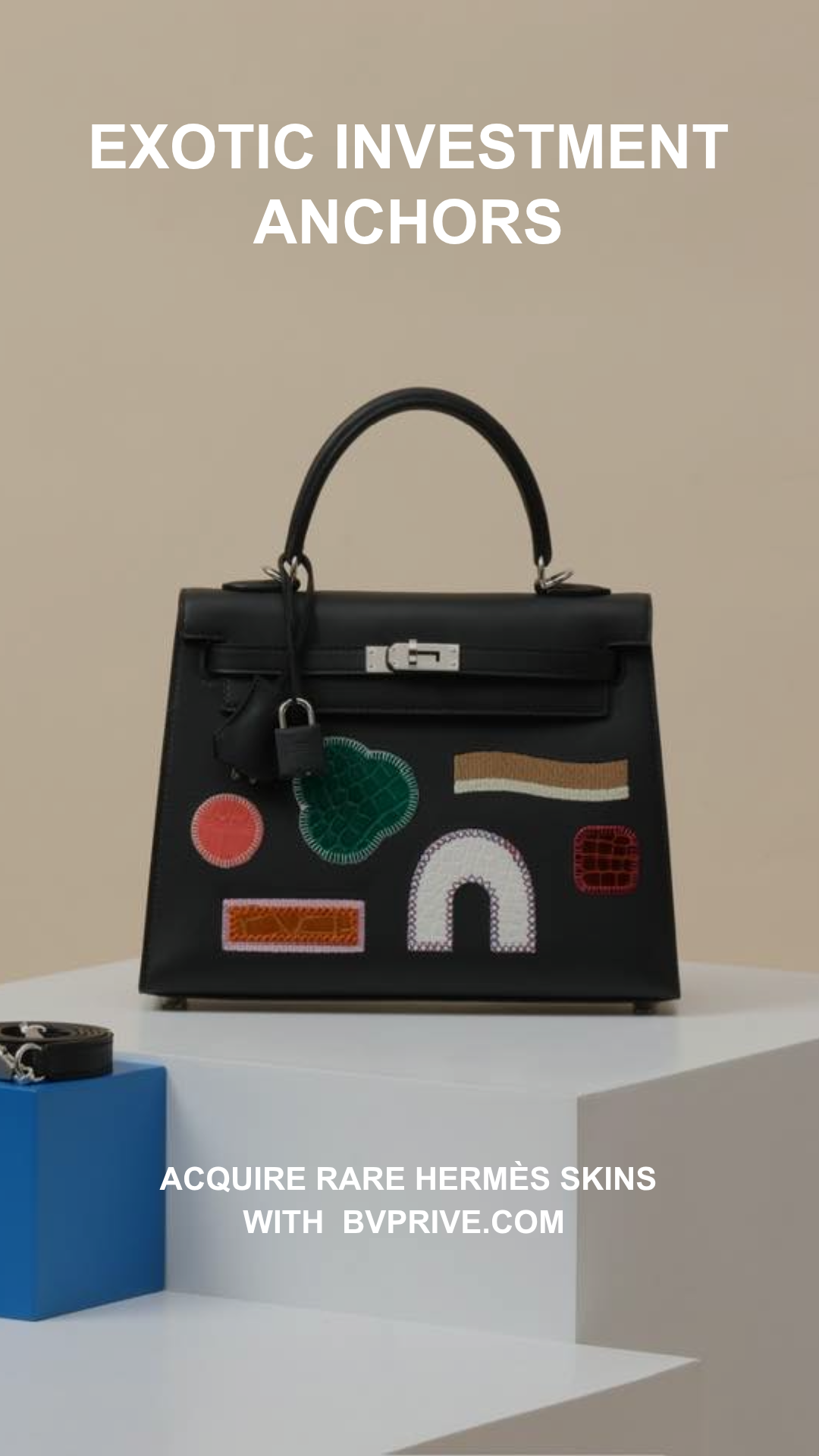
Limited edition handbags command resale premiums reaching 40% above retail, transforming luxury accessories into tangible investments. These bags merge fashion with financial opportunity through scarcity, craftsmanship, and brand prestige. This guide reveals how exclusivity, artisan quality, market dynamics, and authentication practices differentiate limited editions from standard luxury pieces, empowering collectors to make informed acquisition decisions.
Table of Contents
- Understanding Limited Edition Handbags: Exclusivity And Rarity
- Investment Potential And Resale Market Dynamics
- Craftsmanship And Unique Design Elements
- Common Misconceptions About Limited Edition Handbags
- Authentication And Verification Methods For Limited Editions
- Brand Strategies And Collaborations Creating Collector Demand
- Bridging Understanding To Practical Collection Enhancement
- Explore Exclusive Limited Edition Handbags At BV PRIVE
Key takeaways
| Point | Details |
|---|---|
| Scarcity drives demand | Limited edition bags have production limits creating exclusivity that fuels collector interest and market value. |
| Resale premiums matter | Limited editions achieve 20-40% above retail when rarity aligns with brand prestige and timeless design. |
| Craftsmanship adds value | Superior artisan work requiring 20+ hours elevates aesthetic appeal and collectible status. |
| Not all appreciate | Only bags with strong brand heritage, quality design, and proper authentication maintain or increase value over time. |
| Authentication protects investment | Provenance documents, blockchain tracking, and expert verification ensure genuine pieces and safeguard your collection’s worth. |
Understanding limited edition handbags: exclusivity and rarity
Limited edition bags are defined by strict production caps, often numbering fewer than 500 units globally. This controlled scarcity creates exclusivity that standard collections cannot match. Collectors prize these pieces because owning something rare elevates personal status and distinguishes their wardrobes from mass luxury.
Scarcity drives emotional and financial value. When a brand like Hermès produces only 200 Birkin bags in a specific exotic leather, demand far exceeds supply. Chanel’s numbered 2.55 reissues and Louis Vuitton’s collaboration capsules similarly generate urgency. These production limits transform bags into collectible assets rather than mere accessories.
Typical limited edition runs include:
- Hermès Birkin exotic leathers: 100 to 300 pieces per release
- Chanel seasonal limited 2.55 models: 200 to 500 units
- Louis Vuitton artist collaborations: 300 to 1,000 pieces worldwide
- Fendi special baguettes: 150 to 400 units per design
Rarity thresholds matter. Bags produced under 500 units typically achieve stronger resale performance than those exceeding 1,000. Exclusivity becomes both emotional reward and market advantage. When you acquire a limited edition, you join a small circle of owners, enhancing the bag’s allure and your collection’s prestige.
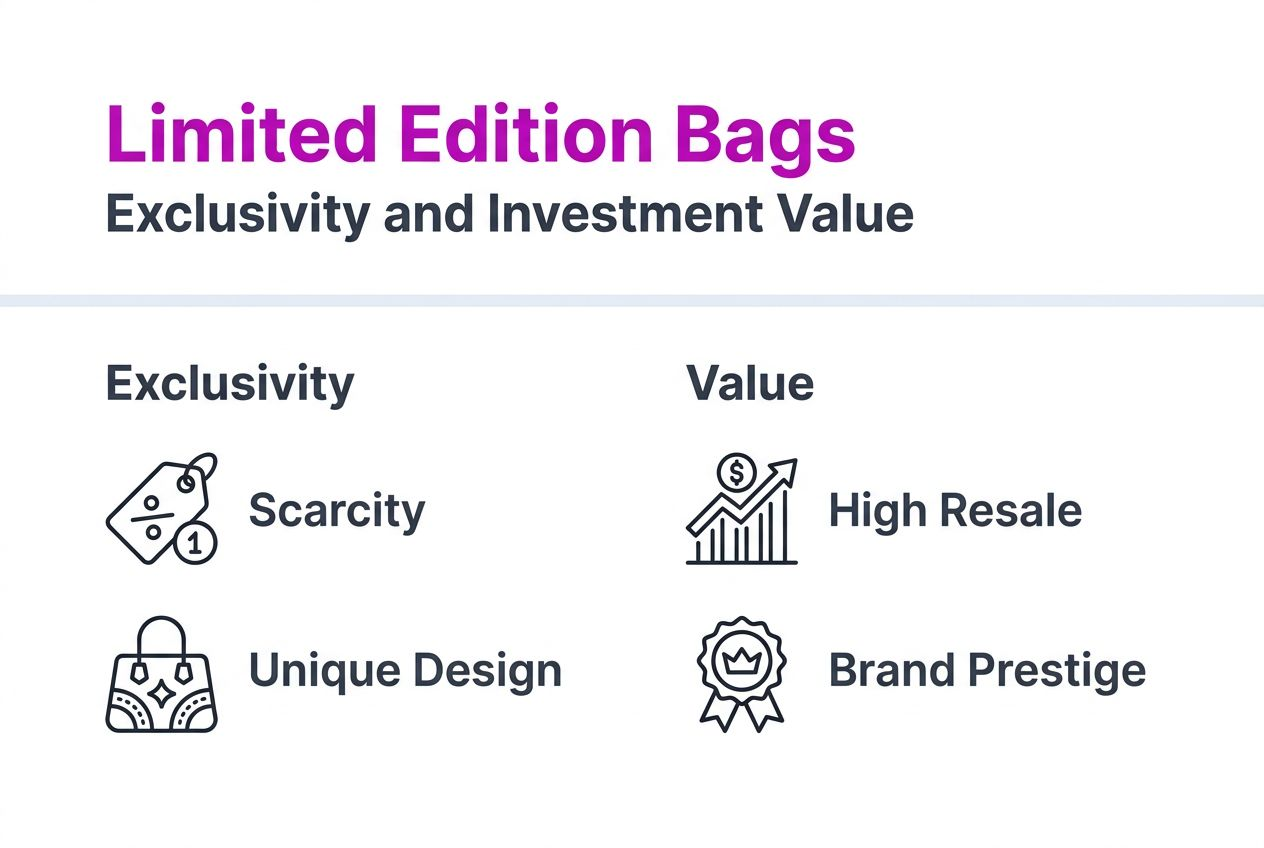
Defining limited edition handbags involves understanding how brands balance desirability with controlled availability. Unique craftsmanship in limited editions further separates these pieces from regular luxury inventory.
Investment potential and resale market dynamics
Limited edition handbags frequently outperform traditional investments. Resale premiums of 20-40% above retail reflect market demand for rarity and brand cachet. The global luxury handbag market exceeded $100 billion USD in 2026, with limited editions capturing disproportionate resale growth.
Value retention depends on several factors. Timeless design ensures longevity beyond seasonal trends. Brand prestige amplifies desirability; Hermès and Chanel consistently command premiums. Rarity creates supply constraints that boost prices. Iconic models like the Hermès Kelly and Chanel 2.55 sustain or increase value decades after release.
Hermès brand value rose 25% in 2022 driven partly by exclusive bag models, demonstrating how limited editions fuel brand equity and secondary market strength. Collectors benefit from both personal enjoyment and financial appreciation.
| Feature | Limited Edition Bags | Regular Luxury Bags |
|---|---|---|
| Production volume | Under 500 units | Thousands annually |
| Resale premium | 20-40% above retail | 0-15% above retail |
| Brand prestige impact | Very high | Moderate |
| Craftsmanship level | Exceptional artisan work | Standard luxury quality |
| Market demand volatility | Lower for iconic models | Higher due to oversupply |
| Authentication importance | Critical | Important |
Market projections favor limited editions with strong provenance. Bags from established collaborations or heritage lines attract consistent buyer interest. However, not every limited edition appreciates. Design appeal, brand narrative, and authentication determine whether a bag becomes an investment winner or market underperformer.
“Investing in limited edition handbags requires understanding brand heritage, design timelessness, and market demand trends to identify pieces with genuine appreciation potential.”
Luxury handbag investment tips help collectors navigate market complexities and select bags poised for value growth.
Craftsmanship and unique design elements
Limited edition bags showcase artisan techniques rarely seen in standard luxury collections. Hand embroidery, exotic leathers like alligator or ostrich, and intricate metalwork require 20 or more additional hours per piece. These elements transform handbags into wearable art, justifying premium prices and enhancing collectible appeal.
Artisan techniques elevating exclusivity include:
- Hand-painted designs requiring multiple drying and sealing stages
- Multi-layer leather appliqué creating dimensional patterns
- Custom hardware forged and finished by metalwork specialists
- Intricate beading or crystal placement following traditional couture methods
- Exotic skin preparation and stitching demanding master-level skill
Craftsmanship affects both aesthetic beauty and investment value. Collectors recognize superior workmanship through details like even stitching, seamless leather transitions, and balanced hardware placement. These markers signal authenticity and quality, supporting higher resale prices.
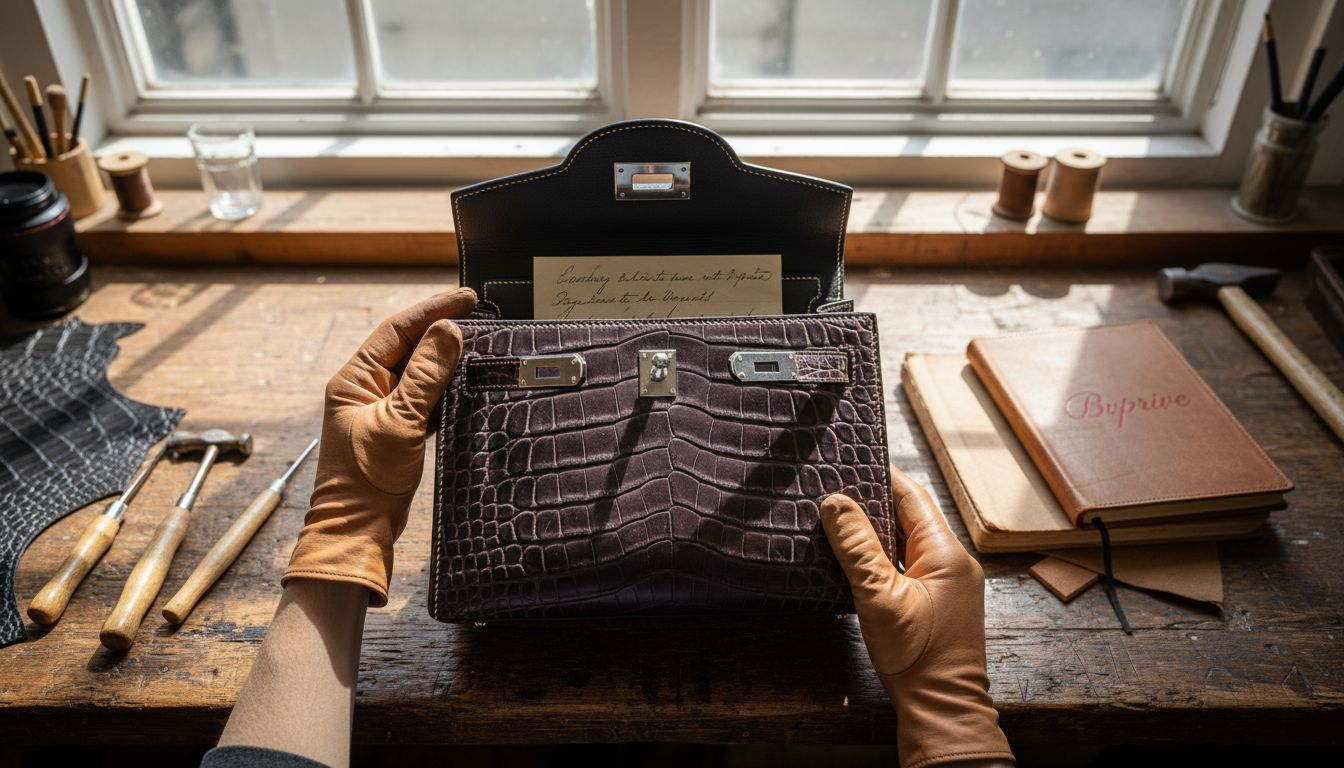
Signature craftsmanship elements often include brand-specific techniques. Hermès saddle stitching creates durability and visual appeal. Chanel’s quilting precision ensures consistency across decades. Louis Vuitton’s canvas treatments and edge painting demonstrate meticulous attention. Each brand’s artisan tradition contributes to limited edition desirability.
Pro Tip: When evaluating a limited edition bag, examine stitching consistency, hardware alignment, and leather finish under natural light. Authentic artisan work shows precision without irregularities, and handwork may display subtle variations that machine production cannot replicate.
Craftsmanship impact on collectibility extends beyond aesthetics, influencing long-term market performance. Artisan craftsmanship in limited editions represents the intersection of art, tradition, and luxury commerce.
Common misconceptions about limited edition handbags
Many collectors assume all limited editions automatically appreciate in value. Reality proves more nuanced. Only bags with timeless design and strong brand tend to maintain or increase worth. Trendy designs may peak quickly then decline as fashion shifts.
Exclusivity alone does not guarantee investment security. Consumer perception varies based on brand reputation, design appeal, and market timing. A limited edition from a lesser-known brand may remain unsold despite low production numbers. Brand prestige and design quality matter as much as rarity.
Craftsmanship significantly affects value, contrary to some beliefs. Superior artisan work commands higher prices and sustains demand. Bags lacking exceptional craftsmanship struggle in resale markets even when rare. Collectors increasingly prioritize quality over hype.
Oversupply and trend volatility create additional risks. Brands releasing too many “limited” editions dilute exclusivity. Seasonal trends that fade quickly leave formerly coveted bags with diminished appeal. Understanding these dynamics helps avoid costly mistakes.
Common misconceptions clarified:
- All limited editions increase in value: False. Only those with timeless design, strong brand, and quality craftsmanship appreciate.
- Exclusivity guarantees investment returns: False. Consumer perception and market demand determine value, not rarity alone.
- Craftsmanship does not matter much: False. Artisan quality significantly impacts collectible status and resale prices.
- Limited editions never depreciate: False. Poor design choices, brand missteps, or oversupply can reduce value.
- Authentication is optional for limited editions: False. Verification protects against counterfeits and ensures investment integrity.
Limited edition misconceptions often lead collectors to overpay for bags lacking genuine investment potential. Value myths of limited editions highlight the importance of research and informed decision making.
Authentication and verification methods for limited editions
Authenticity determines whether a limited edition bag retains or loses value. Provenance documents, including original purchase receipts, certificates of authenticity, and serial number records, establish a bag’s history. These papers verify legitimacy and enhance resale credibility.
Blockchain technology increasingly tracks luxury bag authenticity. Brands like LVMH implement digital certificates linked to physical products, creating tamper-proof records. Collectors benefit from transparent ownership histories and reduced counterfeit risk.
Expert authentication services provide professional verification. Companies specializing in luxury handbags examine stitching, materials, hardware, and serial numbers against brand standards. Fees typically range from $50 to $200 USD, offering peace of mind worth the investment.
Authentication process steps:
- Gather provenance documents and original packaging
- Photograph the bag from multiple angles, including serial numbers and hardware
- Submit materials to a reputable authentication service or expert
- Review the detailed report highlighting authenticity markers or concerns
- Cross-reference findings with brand-specific databases or resources
- Confirm blockchain registration if applicable
Pro Tip: Use multiple verification methods for high-value limited editions. Combine expert authentication with blockchain checks and provenance review to ensure comprehensive validation and protect your investment.
Authentication methods for limited editions provide detailed guidance on verification techniques. Spotting authentic limited editions helps collectors recognize genuine pieces and avoid counterfeits.
Brand strategies and collaborations creating collector demand
Collaborations between luxury brands and artists or designers generate cultural cachet that drives exclusivity. Louis Vuitton’s partnerships with Takashi Murakami and Yayoi Kusama produced iconic limited editions now commanding significant premiums. These collaborations merge fashion with art, appealing to collectors seeking unique cultural artifacts.
Capsule collections and limited runs amplify scarcity. Brands release small batches tied to seasonal themes, anniversaries, or special events. Each capsule tells a story, enhancing emotional connection and desirability. Chanel’s anniversary reissues and Hermès seasonal releases exemplify this strategy.
Notable collaborations increasing demand include:
- Louis Vuitton x Supreme: Streetwear meets luxury, attracting new collector segments
- Hermès x Apple: Technology-luxury crossover creating functional art pieces
- Fendi x FILA: Bold branding fusion appealing to fashion-forward buyers
- Dior x KAWS: Contemporary art integration elevating bag design
Brand strategies benefit both companies and collectors. Brands expand market reach and cultural relevance. Collectors acquire pieces with storytelling depth that transcends typical luxury goods. Limited editions from successful collaborations often appreciate faster than standard releases.
Storytelling behind limited editions enhances desirability. A bag commemorating a brand’s centennial or honoring a founder’s legacy carries emotional weight. Collectors value these narratives, viewing purchases as investments in brand history.
Brand collaborations and collector demand showcase how strategic partnerships elevate market positioning. Brand collaboration examples illustrate diverse approaches to creating collector interest through innovation and cultural fusion.
Bridging understanding to practical collection enhancement
Building a valuable limited edition collection requires systematic evaluation. Start by assessing exclusivity: production numbers under 500 units typically offer stronger appreciation potential. Evaluate craftsmanship through detailed inspection of stitching, materials, and hardware quality. Brand heritage matters; established names with decades of prestige sustain value better than emerging labels.
Authentication must be non-negotiable. Every purchase should include verification through provenance documents, expert services, or blockchain records. Market demand data guides smart acquisitions. Research recent resale prices, auction results, and collector interest trends before committing.
Balancing investment goals with personal taste creates satisfying collections. Choose bags you genuinely love while considering financial potential. A piece you enjoy wearing or displaying adds value beyond monetary returns. This dual perspective prevents impulsive purchases driven solely by hype.
Working with trusted platforms and experts reduces risk. Reputable dealers provide authentication guarantees, transparent pricing, and return policies. Specialists offer market insights and access to rare pieces not available through standard retail channels.
Collector action steps:
- Define collection goals blending investment targets with personal style preferences
- Research target brands, models, and collaboration histories to identify promising pieces
- Establish authentication protocols including expert verification and provenance checks
- Monitor market trends through auction results, resale platforms, and collector forums
- Build relationships with trusted dealers and platforms offering authenticated inventory
- Document acquisitions with photographs, receipts, and condition reports for future resale
Pro Tip: Combine provenance verification with market research before purchasing. Cross-reference asking prices against recent sales data to ensure fair pricing, and always secure authentication from multiple sources for bags exceeding $10,000 USD.
Collecting limited editions strategically transforms passion into profitable acquisition. Investment tips for collectors provide frameworks for making informed decisions that enhance collection value over time.
Explore exclusive limited edition handbags at BV PRIVE
BV PRIVE offers a curated selection of authenticated limited edition luxury handbags from iconic brands like Hermès, Chanel, Louis Vuitton, and Fendi. Every piece undergoes rigorous verification, ensuring collectors acquire genuine articles with complete provenance. Our platform connects you with rare models and exclusive releases that elevate your collection’s prestige and investment potential.
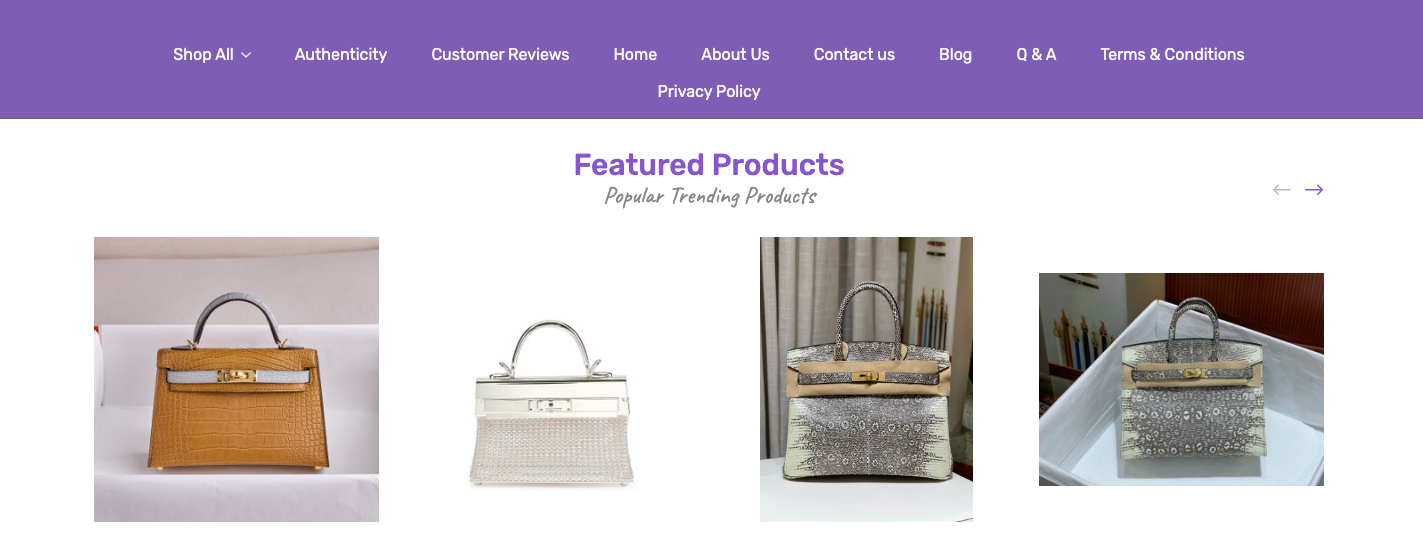
Expert authentication and provenance verification come standard with every purchase. We provide detailed documentation, including certificates of authenticity and blockchain records where applicable. Our secure buying experience serves collectors worldwide, offering tax-free international delivery and personalized VIP shopping assistance. Whether you seek a rare Birkin, numbered 2.55, or collaboration piece, BV PRIVE delivers access to the world’s most coveted limited editions.
Discover your next investment piece at BV PRIVE and join a global community of discerning collectors who trust our commitment to authenticity, exclusivity, and exceptional service.
FAQ
Why do limited edition handbags appreciate more than regular luxury bags?
Scarcity, brand prestige, and superior craftsmanship drive appreciation beyond standard luxury pieces. Limited editions benefit from constrained supply meeting high collector demand. Timeless design and verified authenticity further support value growth, while regular bags face oversupply and trend volatility.
How can I verify the authenticity of a limited edition handbag before purchase?
Use provenance paperwork, blockchain verification systems, and professional authentication services to confirm legitimacy. Cross-check design details, serial numbers, and artisan workmanship against trusted brand references. Multiple verification methods provide comprehensive protection against counterfeits and ensure investment security.
What mistakes should I avoid when buying limited edition handbags?
Avoid purchasing based solely on brand name or hype without verifying rarity and design quality. Never skip professional authentication or ignore market demand data and recent resale trends. Overlooking craftsmanship details or provenance documentation can result in overpaying for pieces lacking genuine investment potential.
Do all limited edition handbags increase in value over time?
No, only bags with timeless design, strong brand heritage, and exceptional craftsmanship tend to appreciate. Trendy pieces may peak quickly then decline as fashion shifts. Market demand, authentication, and brand reputation determine long-term value, making research essential before acquisition.
How do brand collaborations affect limited edition handbag value?
Collaborations with artists or designers create cultural cachet that enhances exclusivity and collector interest. Successful partnerships generate unique narratives and aesthetic appeal, often driving faster appreciation. However, collaboration value depends on execution quality and market reception, requiring careful evaluation.