


Why authenticity matters in luxury fashion: key facts
BVPRIVE Editorial Team on 2nd Apr 2026
Why authenticity matters in luxury fashion: key facts
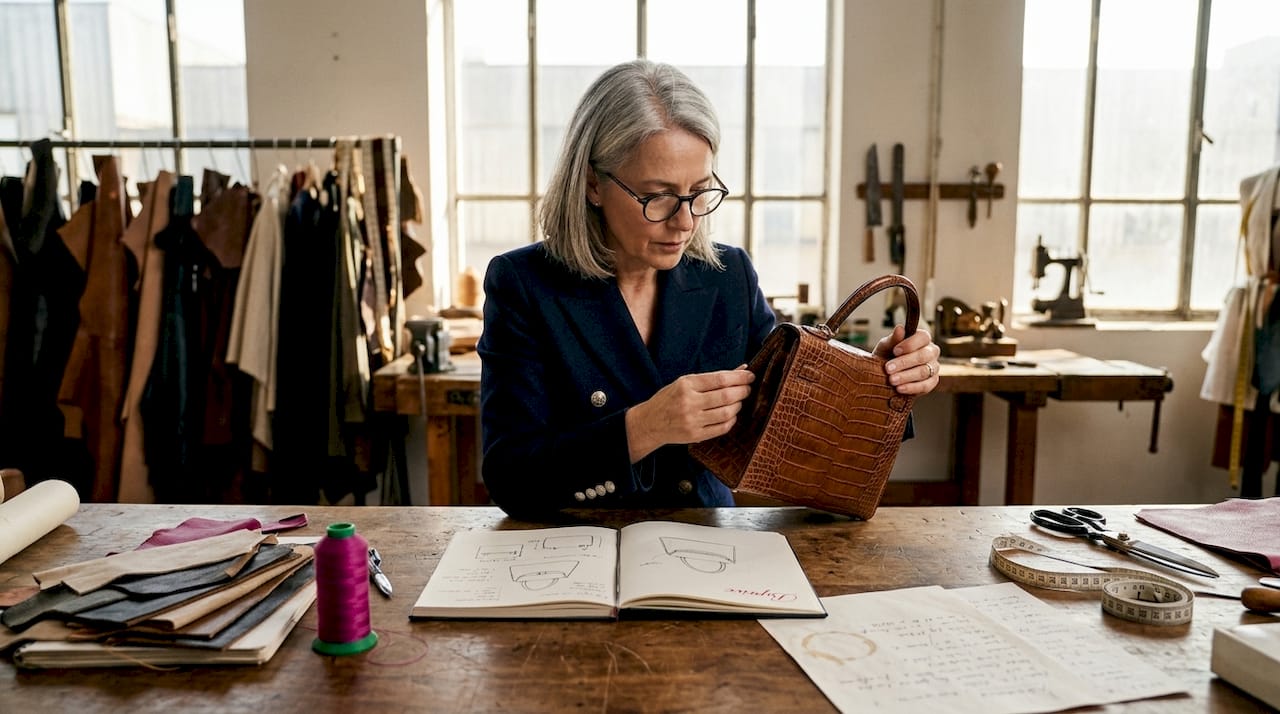
Imagine holding what appears to be a flawless Hermès Birkin. The stitching is immaculate. The hardware gleams. The leather feels supple and rich. Now imagine that even a seasoned collector with decades of experience cannot immediately confirm whether it is genuine. This is not a hypothetical scenario. It is the reality facing affluent buyers and collectors in 2026. Superfakes, produced in sophisticated factories using premium materials, have blurred the line between real and counterfeit to a degree that challenges every assumption. Authenticity in luxury fashion is no longer a simple checkbox. It is a layered discipline that shapes investment value, personal integrity, and the very meaning of owning something rare.
Table of Contents
- Why authenticity is the foundation of luxury
- Understanding today’s threats: Counterfeits and superfakes
- How luxury brands and collectors fight fakes
- Practical steps for collectors: Protecting your investments
- The inconvenient truth: Authenticity isn’t just about the bag
- Where to find trustworthy authentication and advice
- Frequently asked questions
Key Takeaways
| Point | Details |
|---|---|
| Authenticity builds trust | True luxury value and collector status are rooted in authenticity, not just labels. |
| Superfakes raise the stakes | Even experts can be fooled, requiring new tech and collector vigilance. |
| Technology enhances verification | AI, blockchain, and digital passports give both peace of mind and added resale value. |
| Education is essential | The best defense is staying informed through expert guides and community support. |
Why authenticity is the foundation of luxury
Authenticity is not a marketing buzzword in the luxury world. It is the structural core around which brand value, heritage, and status are built. When you purchase a Chanel 2.55 or a Louis Vuitton Neverfull, you are not simply acquiring a bag. You are acquiring a piece of a brand’s story, its craftsmanship traditions, and its position in cultural history. Remove authenticity from that equation, and the entire value proposition collapses.
Luxury brands require authenticity to maintain perceived legitimacy and appeal to affluent consumers, distinguishing them clearly from mass-market competitors. This is not just about logo placement. It is about the entire ecosystem of trust that surrounds a brand. Canada Goose built its identity on Canadian heritage and genuine cold-weather performance. When counterfeit versions flooded the market, the brand’s credibility took a measurable hit before aggressive authentication measures were introduced. Shinola Detroit took a different path, building its entire identity on transparent American manufacturing, making authenticity the product itself.
For collectors, the stakes are even higher. Authentic pieces from Hermès, Fendi, and Christian Dior are investment-grade assets. The value of authentic handbags as collectibles is tied directly to provenance, condition, and verified origin. A bag without clear authentication documentation loses a significant portion of its resale and auction value.
Consider what separates true luxury collecting from mass-market consumption:
- Provenance: Every authentic piece has a traceable origin, from the atelier to the point of sale.
- Craftsmanship: Authentic luxury items are made with meticulously selected materials and skilled artisans.
- Documentation: Receipts, certificates of authenticity, and brand records anchor a piece’s legitimacy.
- Heritage: Authentic pieces carry the weight of a brand’s history and cultural significance.
- Resale integrity: Only authenticated pieces hold and grow in value on the secondary market.
“An authentic luxury handbag is not simply a product. It is a testimony to a brand’s legacy, a story told through every stitch and material choice.”
High-knowledge collectors understand this instinctively. Research shows that buyers with deeper product knowledge are far more likely to reject counterfeits on ethical and investment grounds, while low-knowledge buyers are more susceptible to moral disengagement when evaluating fakes. For serious collectors, authenticity is non-negotiable.
Understanding today’s threats: Counterfeits and superfakes
With an understanding of authenticity’s value, let’s examine the persistent threats confronting modern collectors. The counterfeit market has evolved dramatically. Traditional fakes were relatively easy to identify: poor stitching, cheap hardware, incorrect fonts on labels. Today’s superfakes are a different challenge entirely.
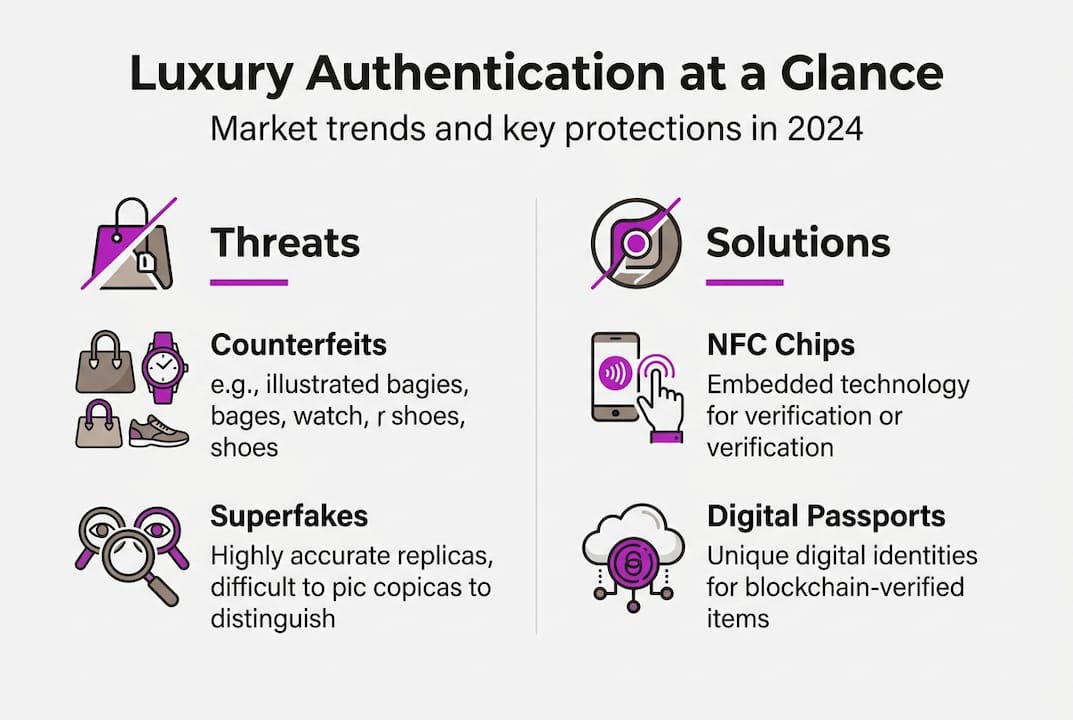
Superfakes are produced in sophisticated overseas factories, sometimes using the same raw materials as the original brands. They replicate serial numbers, dust bags, authenticity cards, and even the subtle aging patterns of genuine leather. Superfakes challenge authentication so effectively that advanced technologies like NFC chips, blockchain records, and Digital Product Passports are now required to distinguish them from originals.
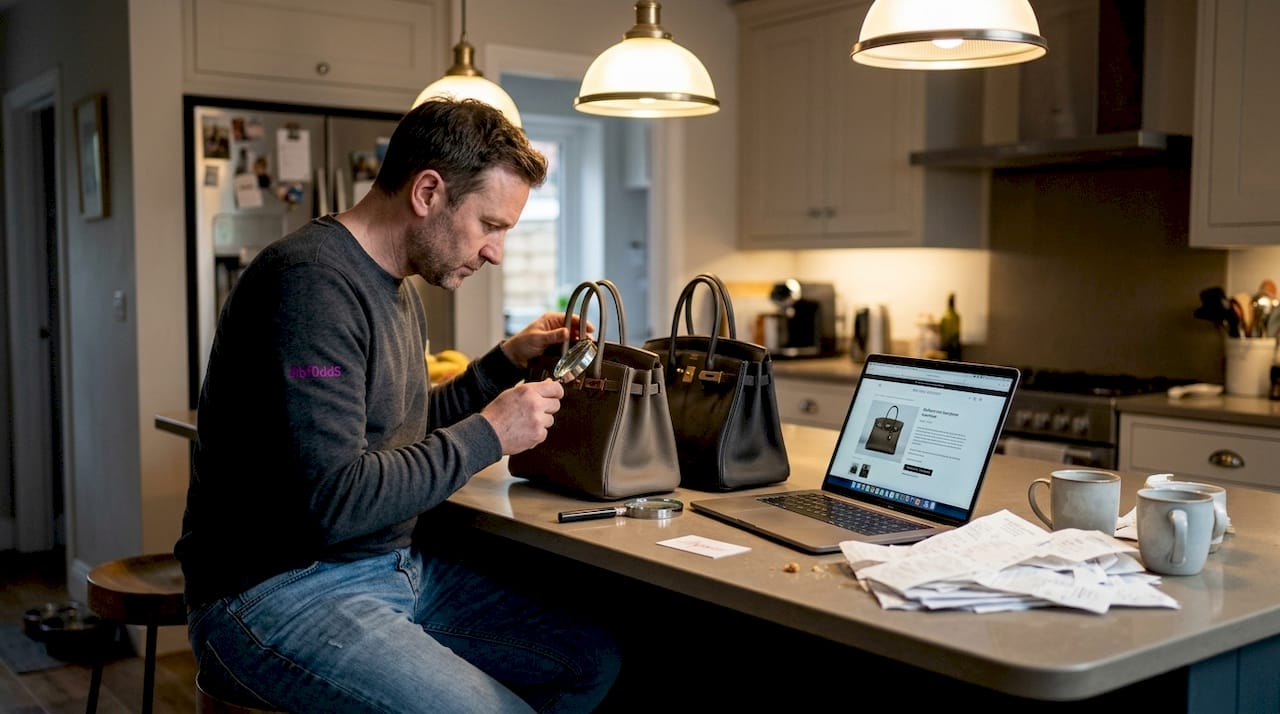
The financial scale of this problem is staggering. The global counterfeit market exceeds $467 billion annually, with the fashion sector alone losing an estimated $50 billion per year. These are not fringe operations. They are organized, well-funded enterprises targeting the exact pieces that collectors prize most.
| Feature | Traditional counterfeit | Superfake |
|---|---|---|
| Material quality | Low to medium | High, near-original |
| Hardware accuracy | Poor to moderate | Near-identical |
| Serial numbers | Often absent or wrong | Replicated accurately |
| Price range | $50 to $300 | $500 to $2,000+ |
| Detection difficulty | Moderate | Very high |
Research on buyer psychology adds another layer. High-knowledge consumers reject counterfeits due to stronger ethical frameworks, while low-knowledge buyers are more likely to rationalize purchasing fakes. This creates a market split: serious collectors who demand absolute authenticity, and a growing Gen Z dupe culture that views high-quality replicas as acceptable alternatives.
Pro Tip: Even experienced authenticators can be fooled by superfakes on visual inspection alone. Always demand full provenance documentation, purchase receipts, and digital traceability records before completing any transaction. Relying solely on logo placement or hardware color is no longer sufficient.
For practical guidance on distinguishing fake vs real handbags and understanding the signs of genuine designer handbags, detailed expert resources are essential reading for any serious collector.
How luxury brands and collectors fight fakes
Given these sophisticated threats, both brands and collectors need advanced defenses. The authentication industry has responded with a wave of technological innovation, and the numbers reflect just how serious the challenge has become.
The luxury handbag authentication market was valued at $3.12 billion in 2024 and is projected to reach $7.15 billion by 2033, growing at a compound annual growth rate of 9.7%. This growth is driven by the twin pressures of rising counterfeits and the explosive expansion of the luxury resale market.
| Authentication technology | How it works | Reliability level |
|---|---|---|
| NFC chips | Embedded in bag, scanned via smartphone | High |
| Blockchain records | Immutable digital ownership trail | Very high |
| Digital Product Passports | Full lifecycle documentation | Very high |
| AI visual inspection | Machine learning pattern recognition | High |
| Traditional expert review | Physical inspection by specialists | Moderate to high |
Brands like Richemont and LVMH have begun embedding NFC chips and blockchain-linked certificates into their products. However, a significant challenge remains: many brands keep their authentication methods confidential to prevent counterfeiters from reverse-engineering them. This secrecy, while understandable, creates friction in the secondary market, where resale platforms and buyers need consistent, verifiable standards.
Here are the key steps collectors should follow to authenticate any significant purchase:
- Request full provenance documentation including original purchase receipts and brand certificates.
- Verify digital records through the brand’s official authentication portal or a trusted third-party service.
- Use a certified authenticator who specializes in the specific brand and model you are purchasing.
- Cross-reference serial numbers with brand databases where available.
- Inspect hardware, stitching, and materials using a detailed designer bag authentication checklist.
For a thorough overview, a reliable handbag authentication guide can walk you through every stage of the process, from initial inspection to final verification.
Practical steps for collectors: Protecting your investments
Understanding the landscape allows collectors to take practical control. Here’s how to protect your investment and peace of mind.
The single most important shift in collector behavior is moving beyond surface-level checks. Stitching and logo inspection were once sufficient. In 2026, they are the starting point, not the finish line. 70% of consumers value digital product passports for handbags, recognizing that traceability technology offers a level of confidence that physical inspection alone cannot provide.
Here is a practical framework for protecting your collection:
- Buy from verified sources only. Reputable platforms and authorized resellers with clear authentication policies are your first line of defense.
- Insist on digital provenance. Any significant purchase should come with a verifiable digital record, whether a blockchain certificate or a Digital Product Passport.
- Layer your authentication. Combine physical inspection, expert review, and digital verification. No single method is foolproof on its own.
- Document everything. Maintain a personal record for each piece, including purchase receipts, authentication certificates, and condition photographs.
- Stay connected to collector communities. Forums, expert networks, and curated guides on spotting rare designer bags keep you informed about emerging threats and new authentication standards.
Pro Tip: When evaluating a pre-owned piece, request a video walkthrough from the seller showing all hardware, stitching, date codes, and interior stamps in natural light. This simple step eliminates a large percentage of fraudulent listings immediately.
For those building a collection with long-term investment intent, a thorough handbag buying guide tailored to serious collectors is an invaluable resource. Authentication is not a one-time event. It is an ongoing practice that protects both the financial and emotional value of your collection.
The inconvenient truth: Authenticity isn’t just about the bag
After exploring all the practical angles, it is worth considering what authenticity really means for you as a collector. The honest answer is that it goes far beyond the object itself.
Authenticity in luxury is emotional. It is the confidence of knowing that what you carry reflects genuine craftsmanship, real heritage, and a story worth telling. Technology helps. Blockchain records and NFC chips add layers of certainty. But no algorithm replaces the discernment that comes from education, experience, and trusted relationships within the collector community.
There is a growing split in the market. Investment-minded collectors understand that luxury product authenticity drives premium pricing and long-term resale value. Meanwhile, a separate segment, particularly younger buyers, increasingly views dupes as acceptable alternatives that offer value parity without the premium price. These two philosophies are fundamentally incompatible, and serious collectors need to understand that the dupe culture, however trendy, erodes the very market they are invested in.
Familiarity with luxury handbag terminology and ongoing education within trusted collector circles remain the most powerful tools available. Technology is a support system. Knowledge is the foundation.
Where to find trustworthy authentication and advice
If you want to go further or need direct support, here’s where you can get help.
Navigating the authentication landscape requires reliable resources, expert guidance, and a community that takes authenticity as seriously as you do.
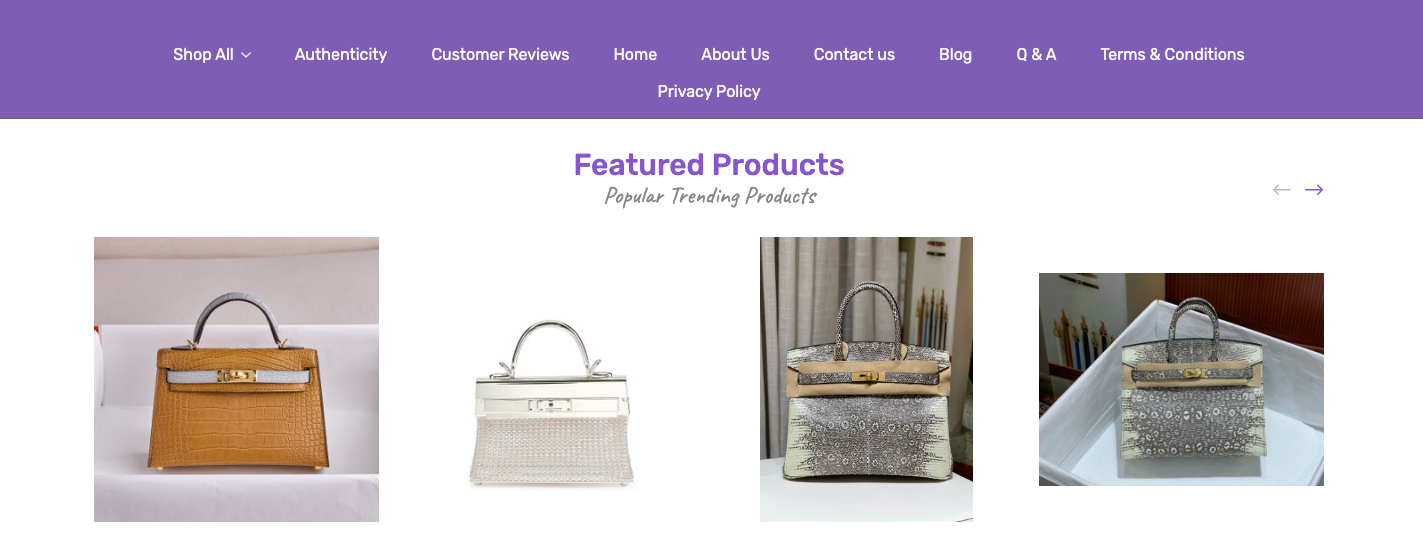
At BV Privé, you will find a curated library of expert guides covering authentication methods, collector best practices, and the latest trends in luxury handbag verification. Whether you are evaluating a first purchase or managing an established collection, the platform offers step-by-step resources and direct access to specialists who understand the nuances of Hermès, Chanel, Louis Vuitton, Fendi, and Christian Dior authentication. Staying informed is not optional for serious collectors. It is the foundation of every smart acquisition and every confident sale.
Frequently asked questions
What makes a luxury handbag authentic?
An authentic luxury handbag is produced by the original brand using verified materials, skilled craftsmanship, and supported by official documentation or traceable provenance. It carries the full weight of the brand’s heritage and manufacturing standards.
How do I spot a superfake designer bag?
Standard visual checks are often insufficient for superfakes. Rely on digital product passports, full provenance records, and certified authentication services, as superfakes routinely fool even experienced experts on visual inspection alone.
Why is authentication important in the secondary market?
Authentication protects your investment and ensures resale value in a pre-owned market projected to reach $350 billion by 2028, where counterfeits cost the fashion industry an estimated $50 billion annually.
Are digital solutions like blockchain reliable for authenticity?
Blockchain and Digital Product Passports provide tamper-proof ownership records and improved traceability, making them among the most reliable tools available for verifying authenticity in today’s market.
What is the role of the collector community in ensuring authenticity?
Collector communities provide education, early warnings about new fakes, and shared expertise that technology alone cannot replicate. Collector knowledge and community engagement remain a critical layer of protection for anyone serious about building and maintaining an authentic collection.