


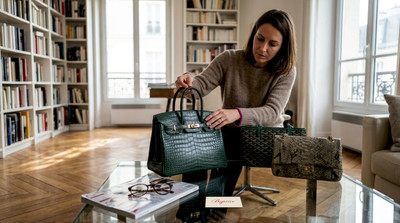
Top advantages of limited edition handbags for collectors
BVPRIVE Editorial Team on 27th Mar 2026
Top advantages of limited edition handbags for collectors
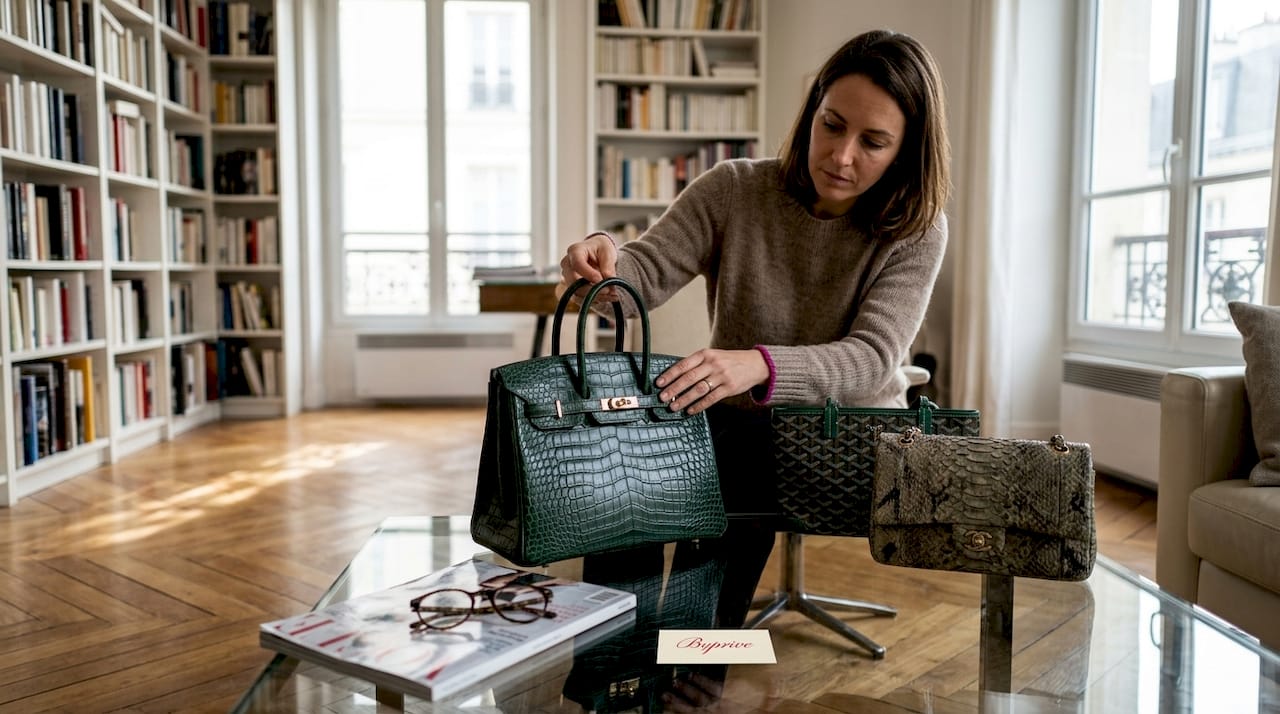
Sophisticated collectors understand that not every acquisition is created equal. Most accessories depreciate the moment they leave the boutique, yet certain luxury handbags defy that logic entirely. Limited edition handbags provide investment returns rivaling or outperforming gold and stocks, thanks to carefully engineered scarcity. This article walks you through the core advantages of limited edition handbags, from the exclusivity that makes them irresistible to the financial performance that makes them indispensable to a serious collection.
Table of Contents
- Why exclusivity sets limited edition handbags apart
- Investment performance: Outperforming gold and stocks
- Superior craftsmanship and timeless appeal
- Resale velocity and the art of timing
- Comparing limited editions to classic staples
- Explore exclusive limited edition handbags at BVPRIVE
- Frequently asked questions
Key Takeaways
| Point | Details |
|---|---|
| Engineered exclusivity | Limited supply and high demand drive desirability and portfolio prestige. |
| Superior investment | Top handbags often outperform traditional assets and retain long-term value. |
| Lasting craftsmanship | Artisan techniques and premium materials ensure enduring appeal. |
| Resale potential | Pristine, well-documented editions command premium prices on the secondary market. |
Why exclusivity sets limited edition handbags apart
Exclusivity is not a marketing buzzword in the world of luxury handbags. It is a structural feature built into the product itself. When a brand produces only a few hundred units of a specific design, the resulting scarcity creates a gravitational pull that standard production pieces simply cannot match.
Luxury houses use several mechanisms to engineer this scarcity. Hermès operates a well-documented quota system, limiting how many Birkin and Kelly bags any single client can purchase per year. Louis Vuitton has leveraged curated collaborations, such as the iconic LV x Murakami series, to produce pieces that feel culturally significant and numerically rare. These quota systems and limited production create artificial scarcity that directly increases resale prices.
The emotional dimension matters just as much as the financial one. Owning a piece that fewer than a thousand people in the world possess tells a story of discernment and access. It signals membership in a very small circle. That emotional resonance is a core reason why 68% of luxury buyers value exclusivity in their purchases.
Key benefits of exclusivity in limited edition handbags:
- Elevated social status through ownership of genuinely rare objects
- Stronger emotional connection to the piece and the brand’s heritage
- Collection prestige that grows as fewer pieces remain in circulation
- Higher resale demand driven by scarcity and desirability
Understanding exclusivity and investment as interconnected forces is the first step toward building a collection that performs. You can also explore how exclusivity shapes luxury handbags in greater depth to refine your acquisition strategy.
Investment performance: Outperforming gold and stocks
With exclusivity established as a core value driver, the next question is straightforward: does it translate into real financial returns? The data says yes, and the numbers are striking.
The Hermès Birkin has delivered 14.2 to 14.7% annual returns from 1980 to 2024, compared to the S&P 500’s 12.7% over the same period. The LV x Murakami limited editions have shown 123 to 142% value retention. These are not outliers. They reflect a pattern across the top tier of the market.
| Asset | Average annual return | Notes |
|---|---|---|
| Hermès Birkin | 14.2 to 14.7% | 1980 to 2024 data |
| S&P 500 | 12.7% | Same period |
| Gold | ~7 to 8% | Long-term average |
| Chanel limited editions | 150 to 200% resale | Above original retail |
Chanel limited editions consistently resell at 150 to 200% of their original retail price. The Hermès Porosus Birkin, crafted from one of the rarest crocodile leathers available, commands premiums that place it in a category of its own.
Three factors drive this performance:
- Scarcity: Fixed or declining supply against growing global demand
- Brand prestige: Decades of heritage that reinforce perceived and actual value
- Secondary market depth: Active resale platforms with global buyer pools
For a deeper look at the numbers, the limited edition investment value framework and a full handbag investment guide offer practical tools for evaluating specific pieces. If you are new to this asset class, reviewing the benefits of investing in designer bags provides essential context.
Superior craftsmanship and timeless appeal
Beyond financial return, the tangible quality of a limited edition handbag is what separates it from virtually every other collectible category. You are not buying a certificate or a digital asset. You are acquiring an object of extraordinary physical beauty.
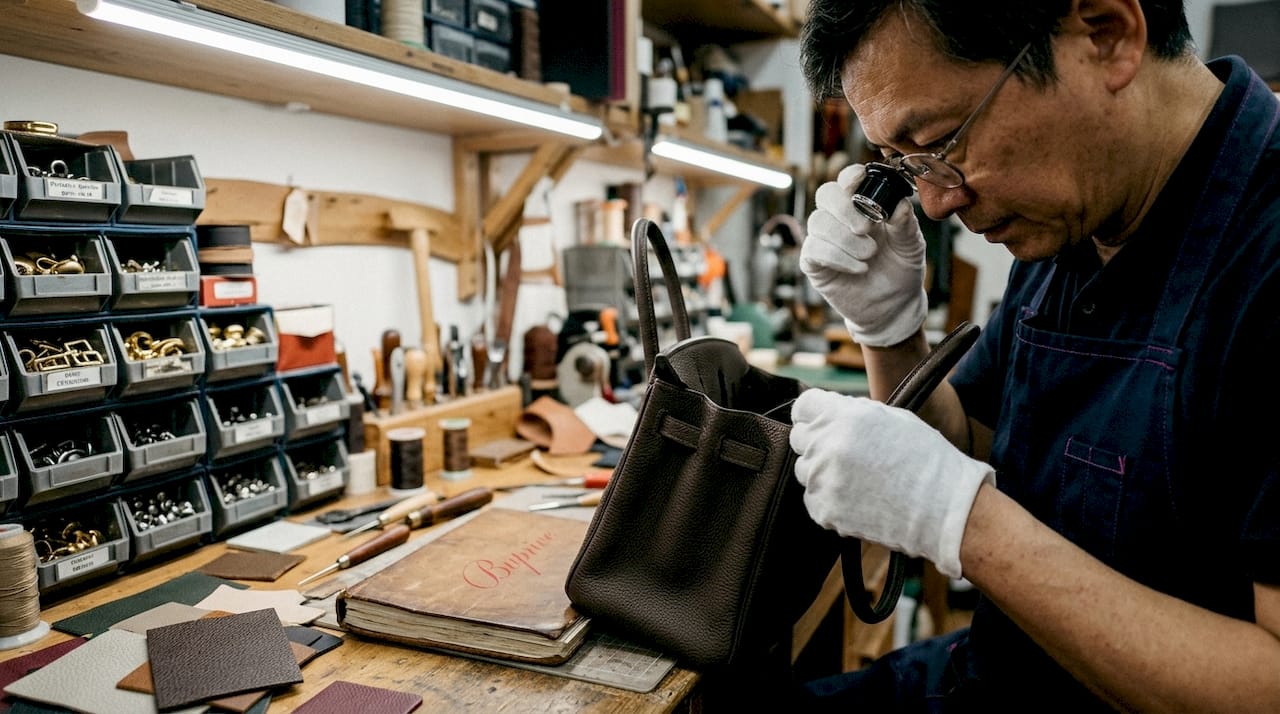
Limited editions can feature up to 40 hours of artisan work, exotic leathers, and custom hardware that enhance both durability and long-term value retention. A single Hermès saddle-stitched seam, for example, requires a technique that takes years to master. The stitching is done by hand with two needles and a single thread, ensuring that if one stitch breaks, the rest hold firm.
What distinguishes limited edition craftsmanship:
- Exotic materials: Porosus crocodile, ostrich, and lizard leathers sourced from controlled suppliers
- Custom hardware: Gold or palladium plated closures produced exclusively for specific editions
- Bold design innovation: Seasonal colorways and artist collaborations that make each piece visually distinct
- Structural integrity: Construction methods that preserve shape and function across decades of use
Pro Tip: When evaluating a limited edition piece, examine the interior stitching and hardware engravings under natural light. Authentic artisan work shows consistent tension and depth that machine production cannot replicate.
This level of craftsmanship means the bag retains its beauty and function for years, often improving in character as it ages. For brand craftsmanship insights that inform smarter buying decisions, understanding how each house approaches production quality is essential.
Resale velocity and the art of timing
Having explored the fundamentals, the focus now shifts to resale strategy, where timing and condition matter most. A limited edition bag acquired at the right moment can appreciate rapidly. The same bag acquired at peak hype and sold too late can underperform.
How to maximize your resale position:
- Acquire early: Pre-release or launch-day purchases capture the lowest entry price before secondary market premiums apply.
- Monitor cultural momentum: Collaborations tied to artists or cultural moments have finite hype windows. Selling within 12 to 24 months of release often captures peak premiums.
- Preserve condition obsessively: Store bags in their original dust bags, away from humidity and direct light.
- Retain all documentation: Original receipts, authenticity cards, and packaging significantly increase buyer confidence and final sale price.
- Choose the right platform: Auction houses and specialist resellers attract serious buyers willing to pay full market value.
Limited editions can spark bidding wars but require trends to persist. Classic models may be safer for ultra-long-term holds, but limited editions reward collectors who understand the cycle.
“Neutral colors, original packaging, and provenance matter most” when maximizing resale value, according to resale market analysis.
Pro Tip: Diversify your holdings between two or three limited editions and at least one classic staple. This balances short-term appreciation potential with long-term stability.
For a structured approach, the maximizing resale value workflow outlines expert steps for each stage of the resale process.
Comparing limited editions to classic staples
To finalize your buying strategy, a direct comparison between limited editions and classic models clarifies when each serves your collection goals best.
| Criteria | Limited editions | Classic staples |
|---|---|---|
| Return potential | High, especially in hype cycles | Moderate, steady long-term growth |
| Risk level | Higher, trend-dependent | Lower, demand is consistent |
| Emotional appeal | Strong, culturally significant | Enduring, universally recognized |
| Resale speed | Fast when timed correctly | Reliable across market conditions |
| Availability | Scarce by design | Controlled but more accessible |
Limited editions may outperform classics in hype cycles, but classics provide more stable long-term returns. The right choice depends on your risk tolerance and collection objectives.
When to prioritize limited editions:
- You have a medium-term horizon of two to five years
- You can acquire at or near retail price through established channels
- The piece is tied to a culturally significant collaboration or milestone
- You have the storage and documentation infrastructure to preserve condition
When to prioritize classics:
- You seek a long-term anchor piece with predictable appreciation
- You want a bag that functions as both a wearable item and an investment
- You prefer lower volatility in your portfolio
Exploring rarity value in limited editions and understanding the role of limited edition bags in a broader collection strategy will sharpen your decision-making framework considerably.
Explore exclusive limited edition handbags at BVPRIVE
The advantages outlined above are only as powerful as the source from which you acquire your pieces. Authenticity, provenance, and condition are non-negotiable when building a collection that performs.
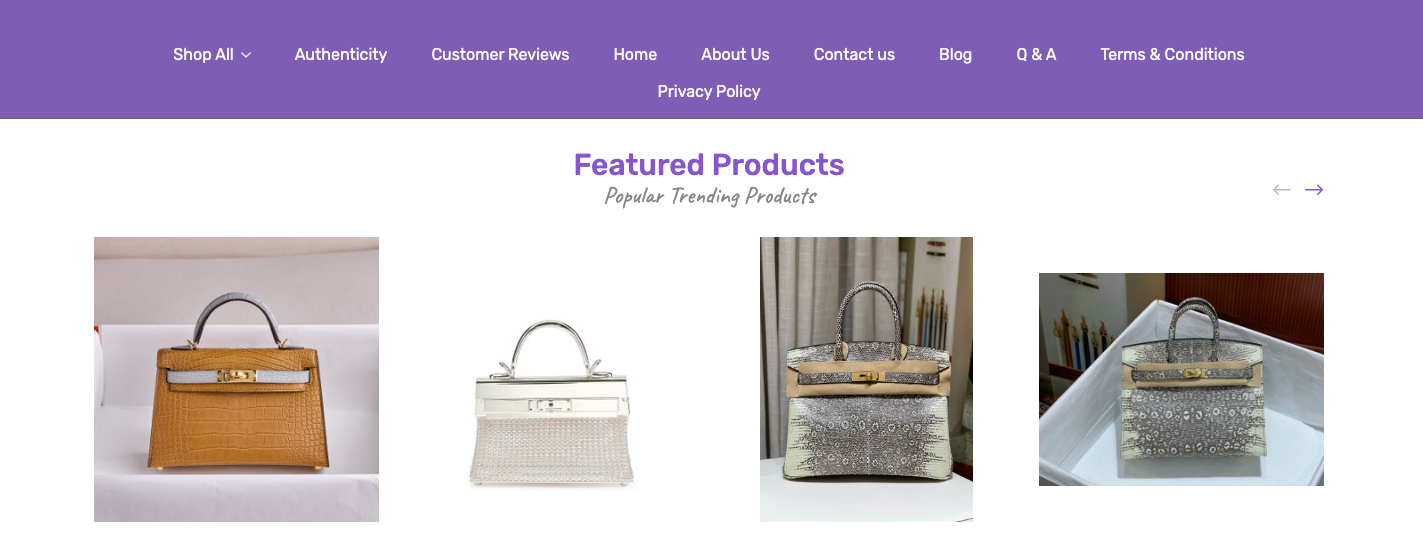
At BVPRIVE, every piece in our curated selection undergoes rigorous authenticity verification before it reaches you. We specialize in rare and limited edition handbags from Hermès, Chanel, Louis Vuitton, Fendi, and Christian Dior, with tax-free worldwide delivery and VIP personal shopping services designed for serious collectors. Whether you are seeking a specific Birkin configuration or a culturally significant collaboration piece, our team is equipped to guide your acquisition. Explore BVPRIVE’s exclusive selection and discover the benefits of owning rare designer bags that align with your collection vision.
Frequently asked questions
Do limited edition handbags really hold their value?
Yes. Top-tier limited editions consistently retain or exceed their original retail price. LV x Murakami and Hermès Birkin show value retention of 123 to 142% and over 14% year-over-year appreciation, respectively.
How can I verify a handbag’s authenticity and maximize its resale?
Purchase from reputable platforms with documented authentication processes, maintain pristine condition, and retain all original packaging. Provenance, packaging, and platform choice are the three most critical factors for achieving higher resale prices.
Are limited edition bags riskier than classic models?
They can be. Limited editions offer higher return potential but carry greater risk if market trends shift or the piece is not properly maintained. Trend cycles can harm resale if timing and condition are not carefully managed.
Which brands produce the best limited editions?
Hermès, Chanel, and Louis Vuitton consistently lead the market. Hermès, LV, and Chanel have demonstrated the strongest limited edition value retention across the 2020 to 2025 period and beyond.
Recommended
- Why buy limited edition bags: exclusivity and investment - BVPRIVE
- Role of Limited Edition Bags: Impact on Luxury Collectors - BVPRIVE
- What defines limited edition handbags: 150% higher investment value - BVPRIVE
- 7 Benefits of Investing in Designer Bags for Collectors - BVPRIVE
- When Designer Bags Lose Their Shine | Longevity Is the New Luxury – Longevity Travel