



Luxury resale: $42B market, authentication & value guide
BVPRIVE Editorial Team on 28th Mar 2026
Luxury resale: $42B market, authentication & value guide
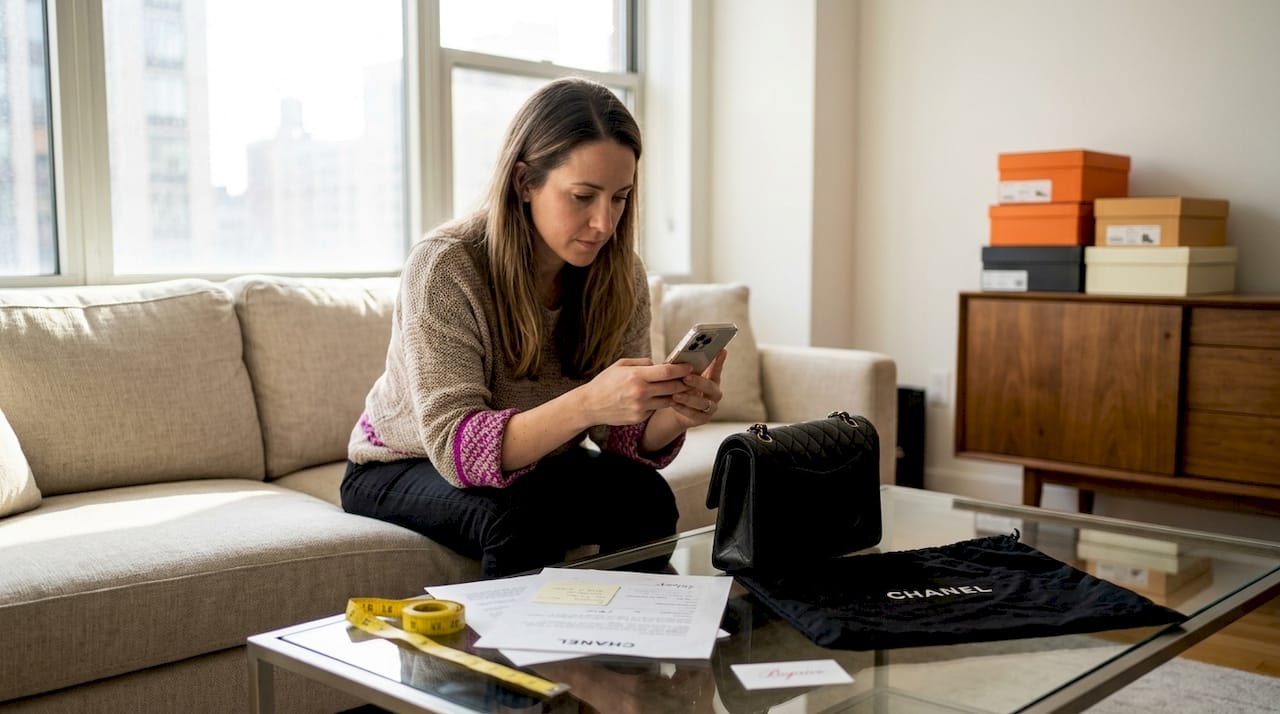
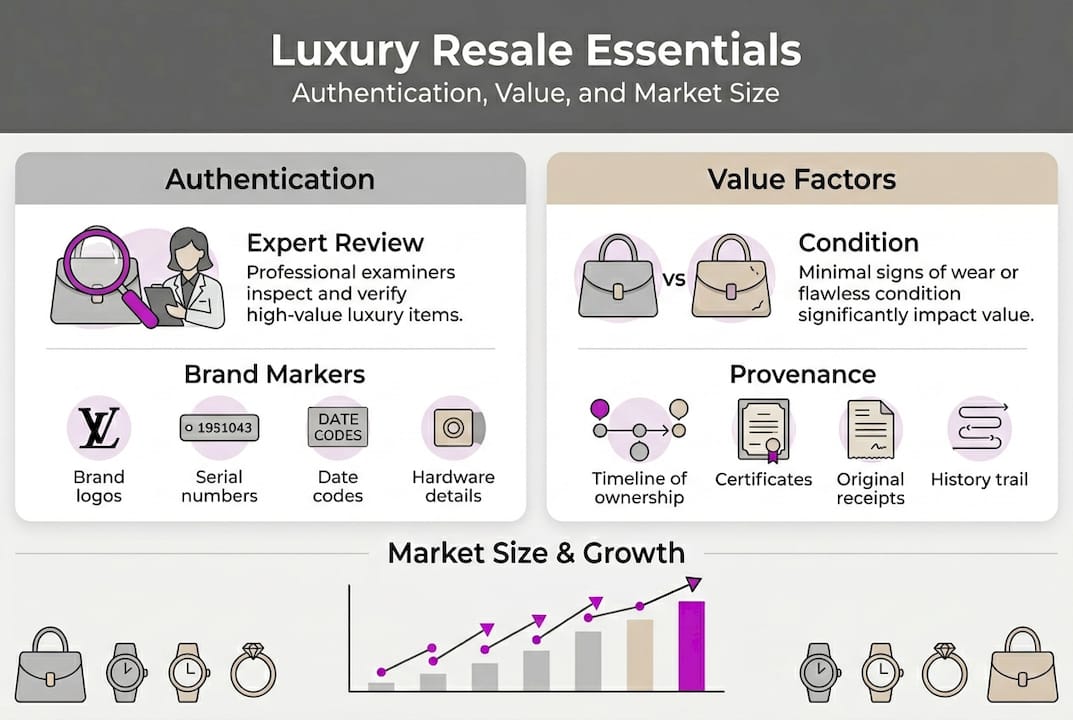
The luxury resale market is quietly rewriting the rules of high-end ownership. Far from being a niche corner of the fashion world, it has grown into a global $38-42 billion industry projected to reach $50-100 billion by the mid-2030s at a 7-10% annual growth rate. For collectors and affluent buyers, this is not simply a secondary market. It is a sophisticated ecosystem where authenticated, investment-grade pieces change hands, often appreciating in value rather than depreciating. Understanding how this market works gives you a decisive edge, whether you are acquiring your first pre-owned Birkin or expanding a curated collection.
Table of Contents
- What is luxury resale?
- How luxury resale works: Key mechanics and platforms
- Authentication and value retention: Why it matters
- Market size, trends, and collector advantages
- Risks, challenges, and legal nuances in luxury resale
- Explore luxury resale with confidence
- Frequently asked questions
Key Takeaways
| Point | Details |
|---|---|
| Authentication is essential | Proper authentication protects buyers and ensures investment-grade value retention for sellers. |
| Top brands retain value | Hermes and Chanel handbags can retain or even increase in value, especially iconic styles in pristine condition. |
| Sustainability drives growth | Luxury resale appeals to modern buyers and extends the life of precious goods. |
| Market is rapidly expanding | Luxury resale is forecasted to double by the mid-2030s, offering opportunities for investors and collectors. |
| Risks can be managed | Select reputable platforms and understand legal nuances to confidently navigate the luxury resale market. |
What is luxury resale?
At its core, luxury resale is the buying and selling of authenticated pre-owned high-end designer goods. The category spans a wide range of product types, each with its own valuation dynamics and collector communities.
The most common categories include:
- Handbags and accessories: Hermès, Chanel, Louis Vuitton, and Fendi pieces dominate this segment
- Watches and fine jewelry: Rolex, Cartier, and Patek Philippe timepieces hold strong resale demand
- Apparel and footwear: Rare or archival pieces from heritage houses attract serious collectors
- Small leather goods: Wallets, cardholders, and belts from top maisons carry consistent resale interest
Participants in this market include seasoned collectors, first-time buyers seeking value, investors treating bags as alternative assets, and sustainability-minded consumers who prefer extending a product’s life over purchasing new. The benefits of pre-owned luxury extend well beyond price. Access to discontinued styles, exotic leathers, and limited editions that never appear in retail boutiques makes the resale market uniquely compelling. Luxury resale also supports circular fashion by reducing demand for new raw materials, giving buyers both financial and ethical reasons to participate.
How luxury resale works: Key mechanics and platforms
With a grasp on what luxury resale encompasses, let’s examine how these transactions actually unfold and what makes each channel distinct.
Two primary models define how goods move through the resale market. The consignment model places the item with a platform or boutique that handles authentication, listing, marketing, and sale on the seller’s behalf. The direct-sale model involves the platform purchasing the item outright, offering immediate payment but typically at a lower price point.
Consignment models include expert authentication, valuation, and commissions that typically range from 30-50% of the final sale price. Here is how the two models compare:
| Feature | Consignment model | Direct-sale model |
|---|---|---|
| Payment timing | After item sells | Immediate |
| Seller payout | Higher (50-70% of sale) | Lower (instant offer) |
| Platform role | Full-service agent | Buyer and reseller |
| Risk to seller | Item may not sell quickly | Lower payout ceiling |
| Best for | Rare, high-value pieces | Sellers needing fast liquidity |
The step-by-step process for consignment typically follows this sequence:
- Submit your item: Provide photos, condition notes, and provenance documents
- Authentication review: Experts and AI tools verify the piece’s legitimacy
- Valuation and pricing: The platform sets a market-aligned asking price
- Listing and marketing: Your item is presented to a qualified buyer audience
- Sale and payout: Once sold, your commission is transferred according to the agreed terms
Pro Tip: Many first-time sellers focus only on the commission percentage and overlook additional fees such as shipping, insurance, and storage. Always request a full fee breakdown before signing a consignment agreement. Understanding the luxury resale workflow in detail helps you avoid surprises and negotiate better terms. Comparing leading resale platforms before committing is equally important, as services and payout structures vary significantly.
Authentication and value retention: Why it matters
Authentication stands out as both a seller’s assurance and the heart of luxury resale’s value proposition. Without it, the entire market collapses into uncertainty.
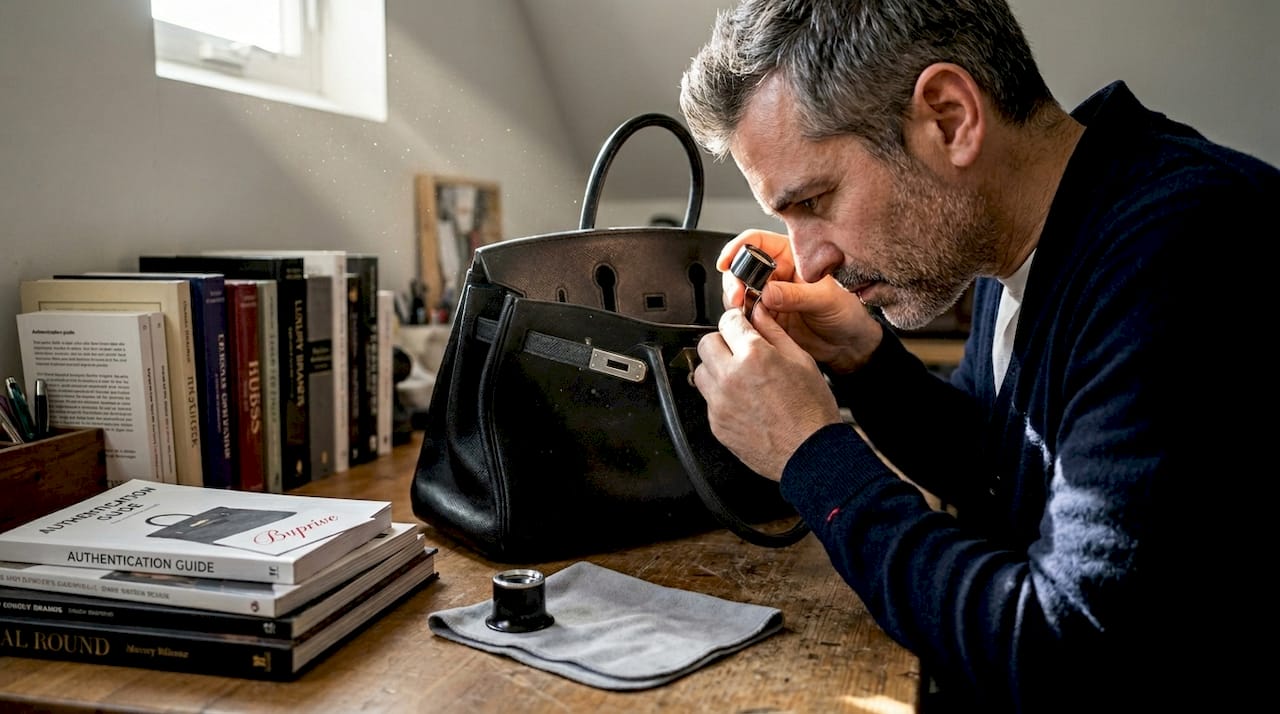
Authentication is multi-layered, and reputable platforms guarantee authenticity with full refunds if a counterfeit is detected post-sale. The process typically involves:
- Intake photography: High-resolution images capture hardware, stitching, date codes, and lining
- Expert human review: Trained specialists assess craftsmanship details specific to each brand
- AI-assisted verification: Machine learning tools cross-reference thousands of reference images
- Brand-specific tests: Serial numbers, heat stamps, and dust bag authenticity are all verified
For buyers, this layered process means your investment is protected. For sellers, it signals to buyers that your piece meets the highest standards, directly supporting its resale price. Learning more about authenticating luxury bags before you buy or sell is one of the most valuable steps you can take.
Value retention varies significantly by brand and model. Here is a snapshot of how top pieces perform:
| Bag | Avg. value retention | Peak appreciation |
|---|---|---|
| Hermès Birkin | ~138% of retail | Up to 282% (Kelly Mini II) |
| Chanel Classic Flap | 75-93% of retail | Higher in classic colors |
| Louis Vuitton Neverfull | 60-75% of retail | Limited editions higher |
| Fendi Baguette (vintage) | 80-110% of retail | Archival styles strongest |
Value retention benchmarks confirm that Hermès and Chanel consistently outperform other categories. Provenance, meaning documented ownership history and original receipts, adds measurable value. Condition is equally critical. A bag stored properly in its original dust bag with box and cards commands a meaningfully higher price than the same model showing wear. Understanding why authentic designer bags retain value helps you make smarter acquisition decisions from the start. If you are ever uncertain about a piece, a guide to spotting fake bags is an essential resource.
Market size, trends, and collector advantages
With authentication safeguarding value, let’s zoom out to see how market trends and collector strategies shape opportunities in luxury resale.
The numbers are striking. Handbags represent 32% of the market, making them the single largest category, and online platforms now account for 70% of all luxury resale transactions. Three major trends are accelerating growth:
- Generational shift: Gen Z and Millennials are the fastest-growing buyer segments, treating pre-owned luxury as both a style statement and a financial strategy
- Sustainability demand: Circular fashion is no longer a niche preference. It is a mainstream expectation among affluent consumers
- Digital platform maturity: Improved authentication technology and global logistics have made online resale as trustworthy as in-person boutique purchases
For collectors, the advantages are concrete. Resale channels provide access to vintage and discontinued pieces that retail stores simply cannot offer. Rare colorways, exotic leathers, and limited-edition collaborations surface regularly in the secondary market, often at prices that reflect their scarcity rather than their original retail cost.
Collectors should prioritize Hermès Birkin and Kelly or Chanel Classic Flap bags in mint condition for the strongest investment outcomes. These models have demonstrated consistent appreciation over time, driven by controlled supply and enduring demand.
Pro Tip: When buying for future resale value, prioritize neutral classic colors such as black, gold, and etoupe in Hermès, and black or beige in Chanel. Exotic leathers like crocodile and ostrich command premiums but require specialist buyers. Staying informed about trends in designer bags and using a detailed buying guide for collectors will sharpen your acquisition strategy considerably.
Risks, challenges, and legal nuances in luxury resale
With market value and investment potential established, it is crucial to recognize and navigate the inherent risks and legal considerations in luxury resale.
The most significant threat to buyers is counterfeits. Superfakes, personalization, and poor condition all impact resale value and buyer confidence. Modern superfakes are sophisticated enough to fool casual observers, making platform-level authentication non-negotiable.
Key risks to understand include:
- Counterfeits and superfakes: Even experienced collectors can be deceived without professional verification
- Personalization penalties: Monogramming, custom hardware, or alterations significantly reduce resale value and buyer pool
- Condition depreciation: Scratches, stains, missing hardware, and faded leather can reduce value by 20-40%
- Platform disputes: Misrepresented condition or delayed payouts can create friction in the transaction process
- Legal complexity: Brands such as Chanel have sued resale platforms over authentication claims and brand representation, creating an evolving legal landscape
Resale platforms increasingly intersect with primary market brands, sometimes competing and sometimes collaborating, which means platform policies can shift. Staying informed protects your interests.
Pro Tip: Before purchasing from any resale platform, verify their authentication guarantee in writing. Confirm whether refunds are offered if a piece is later found to be inauthentic, and check independent reviews of their dispute resolution process. Familiarizing yourself with the signs of genuine bags gives you an additional layer of personal protection that no platform policy can replace.
Explore luxury resale with confidence
Having explored the full landscape of luxury resale, the next step is finding a platform that matches your standards for authenticity, curation, and service.
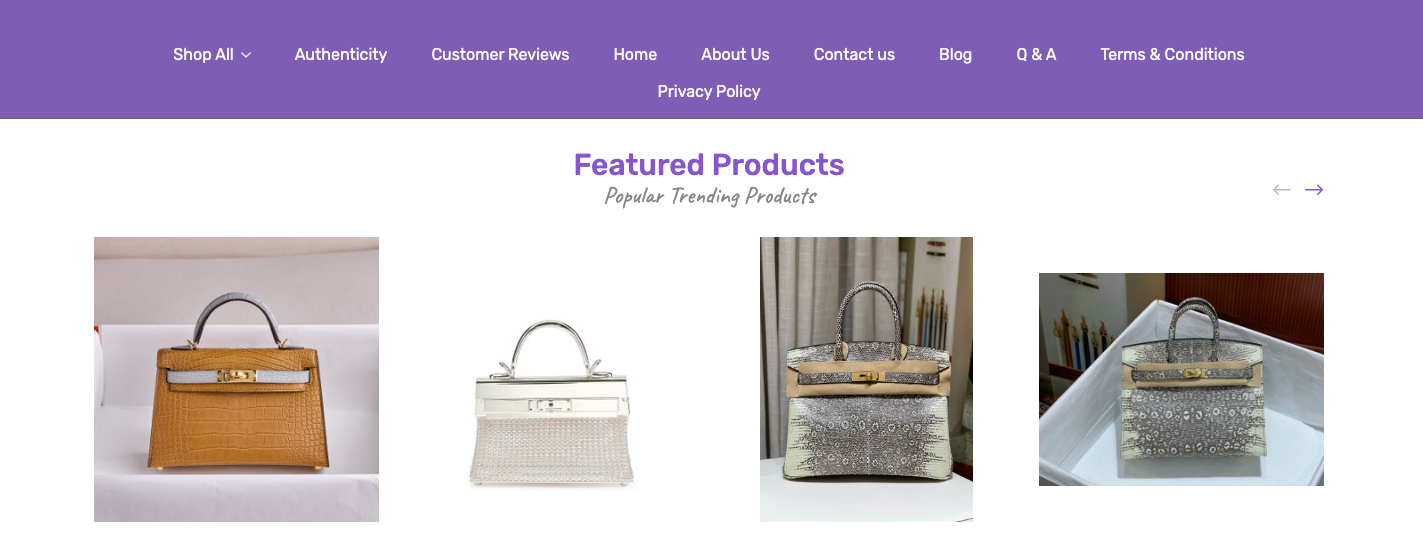
At BVPRIVE, every piece in the collection is rigorously authenticated before it reaches you. The platform specializes in rare and limited-edition pieces from Hermès, Chanel, Louis Vuitton, Fendi, and Christian Dior, including Birkin, Kelly, and 2.55 models in exotic leathers and classic configurations. With tax-free worldwide delivery and VIP personal shopping services, BVPRIVE is designed for collectors who expect more than a transaction. Whether you are exploring the pre-owned luxury advantages for the first time or adding a specific grail piece to your collection, the curated selection and expert support make every acquisition a confident one.
Frequently asked questions
How do luxury resale platforms ensure authenticity?
Platforms use multi-layered authentication combining expert inspection, AI verification tools, and brand-specific markers, backed by buyer protection policies that offer refunds if a counterfeit is detected after purchase.
Which designer bags retain or increase value after resale?
Hermès Birkin averages 138% of retail value with Kelly Mini II reaching up to 282%, while Chanel Classic Flap retains 75-93% of retail, making both strong choices for investment-focused collectors.
What are the main risks when buying pre-owned luxury items?
Counterfeits, superfakes, and depreciation factors such as poor condition or personalization are the primary risks, alongside platform policy disputes that can complicate the buying experience.
Is luxury resale more sustainable than buying new?
Luxury resale promotes sustainability by extending product lifespans and supporting circular fashion, reducing the demand for new raw materials and production resources.
What is the outlook for the luxury resale market?
The market is valued at $38-42 billion in 2025-2026 and is projected to reach $50-100 billion by the mid-2030s, driven by digital platform growth, generational buying shifts, and sustained demand for investment-grade pieces.