


Master the luxury handbag resale workflow: 7 expert steps
BVPRIVE Editorial Team on 23rd Mar 2026
Master the luxury handbag resale workflow: 7 expert steps
Reselling luxury handbags requires far more than listing an item online and waiting for buyers. Collectors face complex challenges around authentication verification, condition assessment, pricing strategy, and selecting optimal sales channels to preserve value and attract serious buyers. This comprehensive guide walks you through the proven expert workflow, from initial preparation through final sale execution, ensuring you maximize returns while maintaining the integrity and desirability of your authentic designer pieces.
Table of Contents
- Key takeaways
- Preparing for resale: authentication and inspection
- Quality assurance: care workflow and grading condition
- Pricing strategy: how to evaluate and set competitive prices
- Executing the sale: listing, channels, and buyer engagement
- Explore BVPRIVE’s expert luxury handbag services
- FAQ
Key Takeaways
| Point | Details |
|---|---|
| Authenticate before listing | Proof of authenticity and professional verification protect sale value and buyer trust. |
| Document condition thoroughly | Create a detailed photo inventory and notes covering exterior, interior, hardware, and accessories to support listings. |
| Care and prep matter | Follow a material specific care workflow to maximize condition before listing. |
| Pricing reflects authenticity | Price based on authenticity, rarity, and current market trends to attract serious buyers. |
Preparing for resale: authentication and inspection
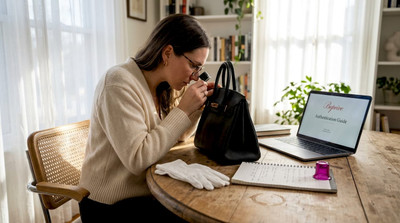
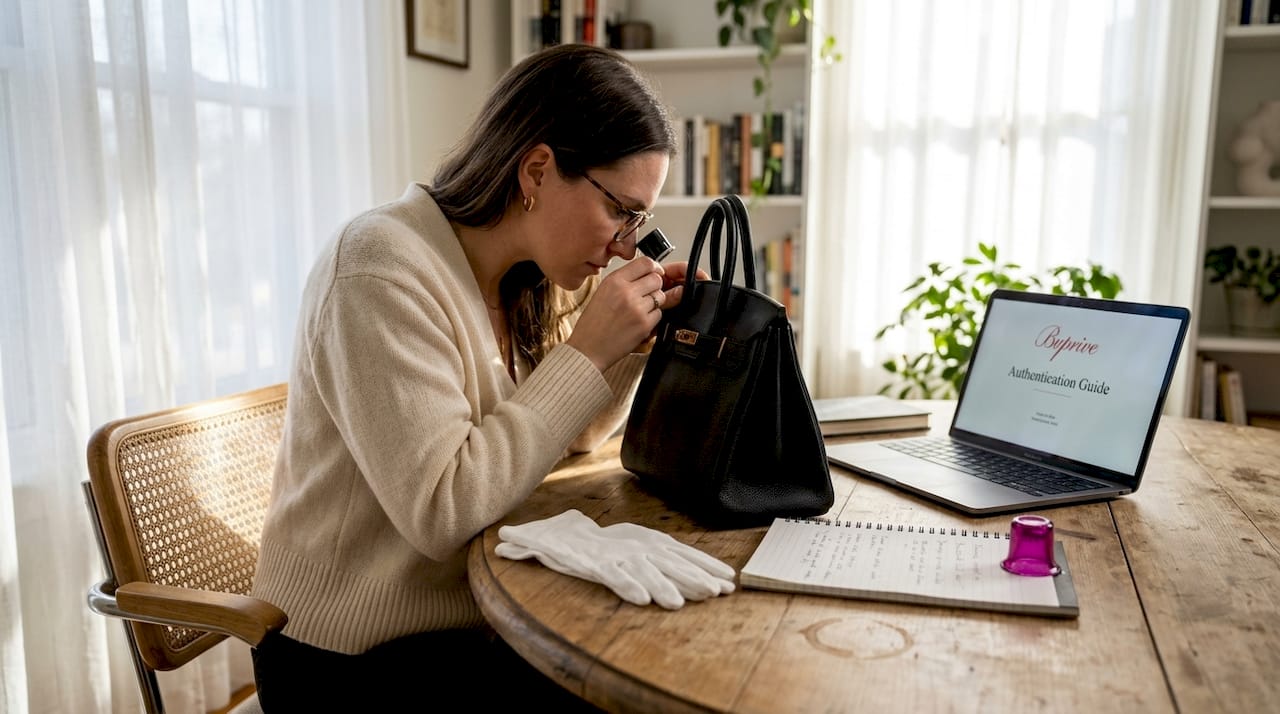
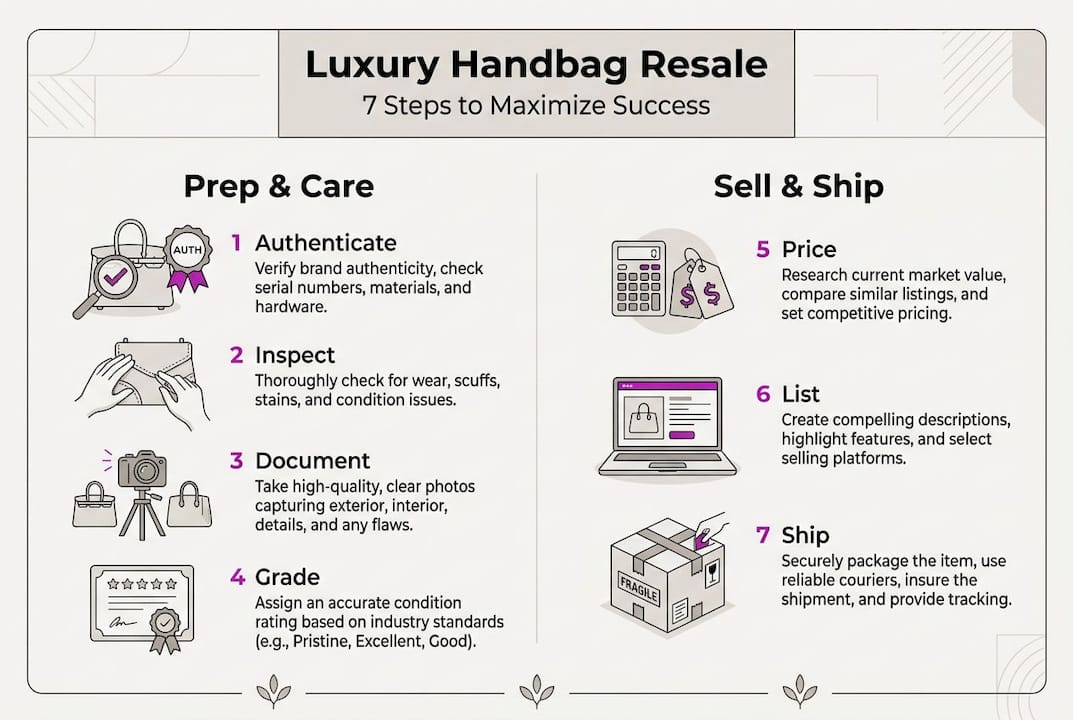
Before listing any luxury handbag, you must establish its authenticity beyond doubt. Buyers in the luxury resale market demand proof, and authentication procedures are necessary before listing to protect both your reputation and sale value. Start by examining serial numbers, date codes, and brand stamps using magnification tools to verify formatting matches factory standards for your specific model and production year.
Authentic luxury bags reveal their legitimacy through material quality and construction details. Examine stitching for consistency, evenness, and thread quality. Hermès pieces feature saddle stitching with precise spacing, while Chanel bags display specific stitch counts per inch depending on the model. Hardware should feel substantial, with engravings sharp and clear rather than shallow or blurred. Leather grain patterns, lining fabrics, and zipper brands all serve as authentication markers when compared against verified examples.
For high-value pieces or when uncertainty exists, professional authentication services provide expert verification. These specialists use databases of authentic examples, factory records, and advanced examination techniques to issue certificates of authenticity that significantly boost buyer confidence. Consider this investment essential for bags valued above $3,000 or rare limited editions where authentication errors prove costly.
Pro Tip: Create a detailed photo inventory during inspection, capturing serial numbers, hardware closeups, interior stamps, and any condition issues. This documentation serves multiple purposes: authentication reference, condition records, and listing materials.
After confirming authenticity, perform a meticulous condition inspection:
- Check all exterior surfaces for scratches, scuffs, color transfer, or staining
- Test hardware functionality including clasps, locks, zippers, and chain links
- Examine interior lining for tears, odors, pen marks, or adhesive residue
- Assess corners and edges for wear patterns or leather cracking
- Verify original accessories like dust bags, authentication cards, boxes, and receipts
Document every finding with clear photos and written notes. Transparency about condition builds trust with sophisticated buyers who appreciate honesty over surprises. Understanding your luxury bag authentication guide helps identify signs of genuine designer handbags that reassure buyers.
Quality assurance: care workflow and grading condition
Once authentication and inspection conclude, implement a strategic care workflow to optimize your handbag’s presentation. Different materials demand specific cleaning approaches. Smooth leathers respond well to gentle conditioning with pH-neutral products, while exotic skins like alligator or python require specialized treatments to avoid damage. Canvas materials need careful spot cleaning without excessive moisture that could affect adhesives or cause water stains.
Follow these essential care steps in order:
- Remove all contents and shake out interior debris
- Vacuum interior compartments using soft brush attachments
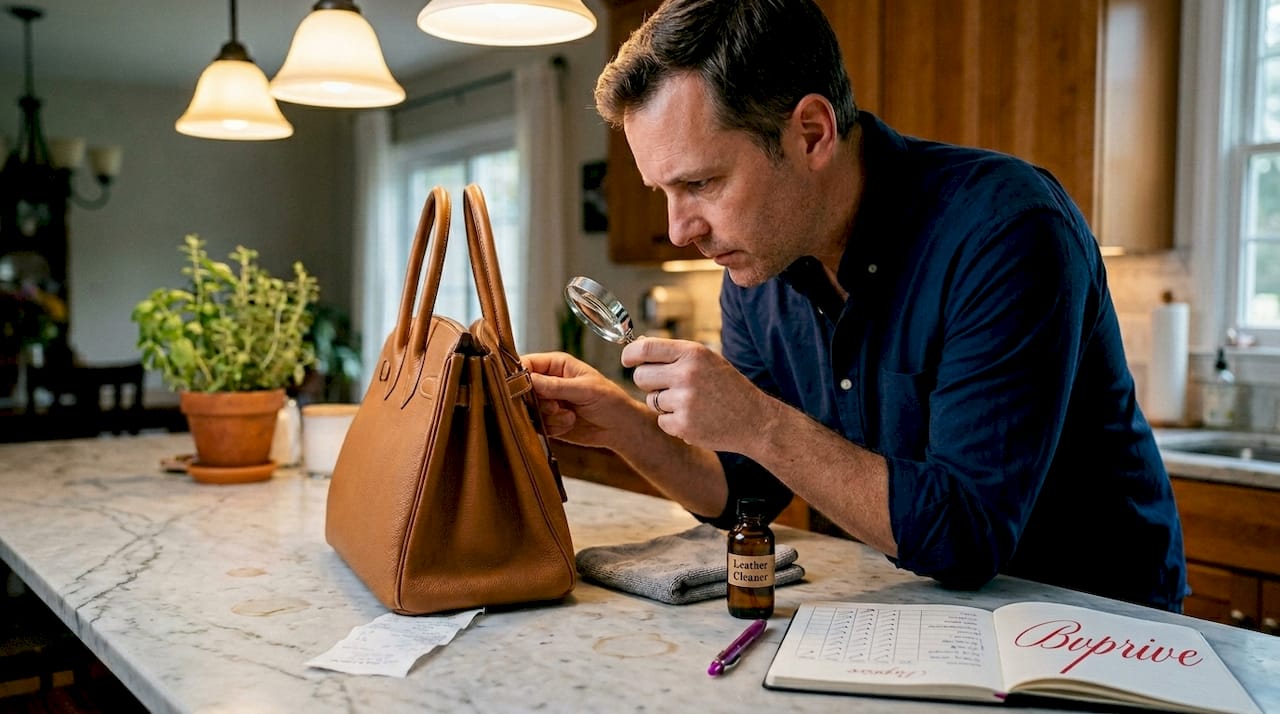
- Spot clean exterior with appropriate leather cleaner or gentle soap solution
- Condition leather surfaces with brand-appropriate products
- Polish hardware with non-abrasive metal cleaner
- Allow complete drying in well-ventilated space away from direct heat
- Stuff with acid-free tissue to maintain shape during storage
Implementing quality assurance measures for inspecting and grading ensures your piece meets market expectations. The luxury handbag care workflow guide provides detailed material-specific protocols.
Pro Tip: Never attempt DIY repairs on luxury handbags. Professional restoration services preserve authenticity and value, while amateur fixes often reduce resale prices significantly.
Grading condition accurately sets realistic buyer expectations and justifies your pricing. Use this standardized scale:
| Grade | Condition Description | Typical Characteristics |
|---|---|---|
| Mint/New | Unused with tags | No wear, pristine surfaces, all accessories |
| Excellent | Minimal use signs | Barely visible wear, fully functional, near-perfect |
| Very Good | Light use evident | Minor surface marks, slight corner wear, excellent structure |
| Good | Moderate use visible | Noticeable wear, possible minor stains, functional hardware |
| Fair | Heavy use apparent | Significant wear, may need professional cleaning or repair |
Be honest in your grading. Sophisticated buyers recognize inflated condition claims immediately, and disappointment upon receipt guarantees negative reviews or return requests. Detailed photos showing any imperfections demonstrate transparency that builds confidence.
Pricing strategy: how to evaluate and set competitive prices
Determining optimal resale pricing requires analyzing multiple value factors simultaneously. Brand prestige establishes baseline value, but model rarity, condition grade, and current market demand create significant price variations. A pristine Hermès Birkin 25 in noir with palladium hardware commands premium pricing due to waitlist scarcity, while more common Louis Vuitton Neverfull models require competitive pricing against abundant supply.
Key pricing factors include:
- Brand hierarchy and current market positioning
- Model rarity and production quantities
- Condition grade based on standardized assessment
- Original retail price and current retail availability
- Material type, especially exotic leathers commanding premiums
- Color desirability and seasonal trends
- Completeness of original packaging and accessories
Retailers determine competitive pricing by analyzing recent comparable sales across multiple platforms. Research completed transactions rather than asking prices, as listings often remain unsold at unrealistic valuations. The luxury handbag investment guide offers data-driven valuation frameworks.
Market dynamics shift constantly based on brand campaigns, celebrity endorsements, and collector preferences. Exclusivity shapes luxury handbags pricing power, with limited editions and discontinued models appreciating while mass-produced styles depreciate. Monitor auction results, resale platform pricing, and luxury market reports to understand current trends affecting your specific piece.
| Pricing Approach | Best For | Advantages | Considerations |
|---|---|---|---|
| Fixed price listing | Common models, quick sales | Predictable timeline, simple process | May leave money on table |
| Auction format | Rare pieces, high demand | Competitive bidding drives prices up | Risk of underselling, timing dependent |
| Consignment | High-value items, expert marketing | Professional presentation, broader reach | Commission fees, longer process |
Set your initial price 10-15% above your minimum acceptable sale price, allowing negotiation room while protecting your bottom line. Serious buyers expect some flexibility, but dramatic price drops signal desperation and invite lowball offers. Understanding how exclusivity influences luxury handbag pricing helps position your piece appropriately within current market conditions.
Executing the sale: listing, channels, and buyer engagement
Creating compelling listings requires professional photography that accurately represents your handbag while highlighting its desirability. Use natural lighting, neutral backgrounds, and multiple angles showing front, back, sides, bottom, interior, and closeups of hardware, stamps, and any condition issues. Include photos of authentication cards, receipts, dust bags, and original packaging to demonstrate completeness.
Your listing description must balance enthusiasm with factual accuracy:
- Lead with brand, model name, size, color, and material
- State condition grade clearly with supporting details
- List all included accessories and documentation
- Provide measurements for reference
- Mention any unique features or limited edition status
- Disclose any flaws or wear honestly
- Specify your return policy and shipping terms
Selecting appropriate sales channels significantly impacts your success. Effective sales strategies maximize resale outcomes by matching your piece with the right buyer audience. Luxury-specific platforms attract serious collectors willing to pay premium prices, while general marketplaces offer broader exposure but more price-sensitive buyers. The top designer bag resellers provide vetted audiences actively seeking authenticated luxury pieces.
When engaging potential buyers, respond promptly and professionally to inquiries. Answer questions thoroughly, provide additional photos upon request, and maintain firm but polite boundaries around pricing. Serious buyers ask detailed authentication questions and request specific photos, distinguishing themselves from casual browsers or scammers.
Pro Tip: Verify buyer payment methods before shipping. Accept only secure, traceable payment platforms that offer seller protection. Never ship before payment clears completely, and always use insured, signature-required shipping with full tracking.
Negotiation tactics for luxury resale:
- Establish your minimum acceptable price privately before listing
- Respond to offers within 24 hours to maintain buyer interest
- Counter low offers with factual justification for your pricing
- Offer to meet halfway on reasonable offers near your asking price
- Stand firm on pricing for rare or mint condition pieces
- Bundle accessories or provide upgraded shipping for buyers at asking price
Protect yourself during transactions by clearly documenting the handbag’s condition before shipping. Take detailed photos and videos showing the item being packaged, creating evidence if disputes arise. Include tracking information immediately and follow up to confirm delivery. Professional, attentive service encourages positive reviews that boost your credibility for future sales.
Explore BVPRIVE’s expert luxury handbag services
Navigating the luxury handbag resale workflow becomes significantly simpler with expert support throughout the process. BVPRIVE offers comprehensive authentication services that verify legitimacy through meticulous examination by certified specialists, providing the documentation serious buyers demand. Professional grading and condition assessment ensure accurate representation, while access to a curated marketplace connects you with qualified collectors actively seeking authenticated luxury pieces.
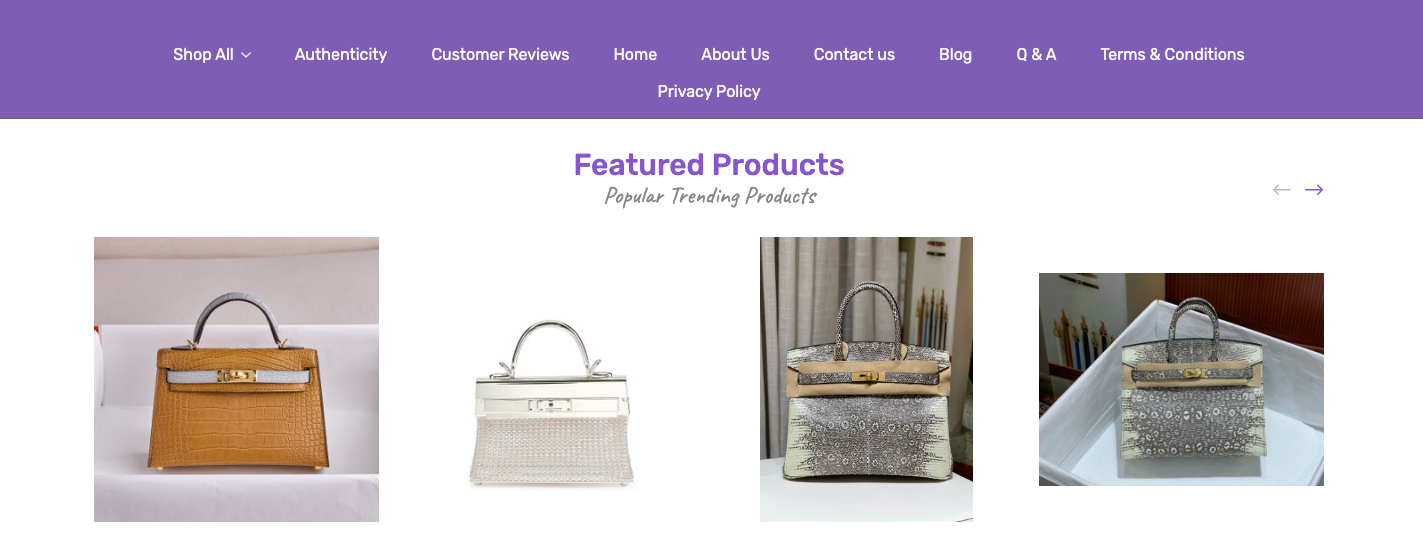
Whether you need authentication verification, expert pricing guidance, or a trusted platform to reach discerning buyers, BVPRIVE luxury handbag services streamline every step from preparation through successful sale completion. The platform’s focus on authenticity, transparency, and luxury market expertise creates the ideal environment for maximizing your resale returns while maintaining the integrity that luxury collectors expect.
FAQ
What does the authentication process for luxury handbags involve?
Authentication examines serial numbers, date codes, material quality, stitching patterns, hardware engravings, and construction details against verified factory standards. Professional authenticators use reference databases and advanced techniques to issue certificates confirming legitimacy. This authentication process guide ensures buyers trust your piece’s authenticity, directly protecting resale value.
How should I care for my handbag before resale to maintain its value?
Gentle cleaning with material-appropriate products, proper storage in dust bags away from direct sunlight, and careful handling preserve appearance and structure. Grade condition honestly using standardized scales, documenting any wear or imperfections transparently. Following a detailed handbag care workflow maximizes presentation appeal while maintaining authenticity.
What sales channels yield the best returns for luxury handbag resale?
Luxury-specific resale marketplaces and exclusive private sales provide access to serious collectors willing to pay premium prices for authenticated pieces. Auction formats can achieve exceptional values for rare or highly desirable models but carry timing and reserve price risks. Selecting the best sales channels for designer bags matches your piece with qualified buyers.
How do I price my luxury handbag competitively while maximizing profit?
Research recent comparable sales for your specific brand, model, condition, and material across multiple platforms. Factor in rarity, completeness of accessories, current market trends, and seasonal demand shifts. Set initial pricing 10-15% above your minimum acceptable price, allowing negotiation room while protecting your bottom line and demonstrating confidence in your piece’s value.
What documentation should I provide to buyers during resale?
Include clear photos of serial numbers, date codes, authentication cards, original receipts, dust bags, boxes, and any certificates of authenticity. Provide detailed condition disclosures with supporting images showing any wear or imperfections. Comprehensive documentation builds buyer confidence, justifies pricing, and reduces dispute risks after sale completion.