


How to Select Rare Handbags: 14% Annual Value Gain
BVPRIVE Editorial Team on 26th Feb 2026
How to Select Rare Handbags: 14% Annual Value Gain
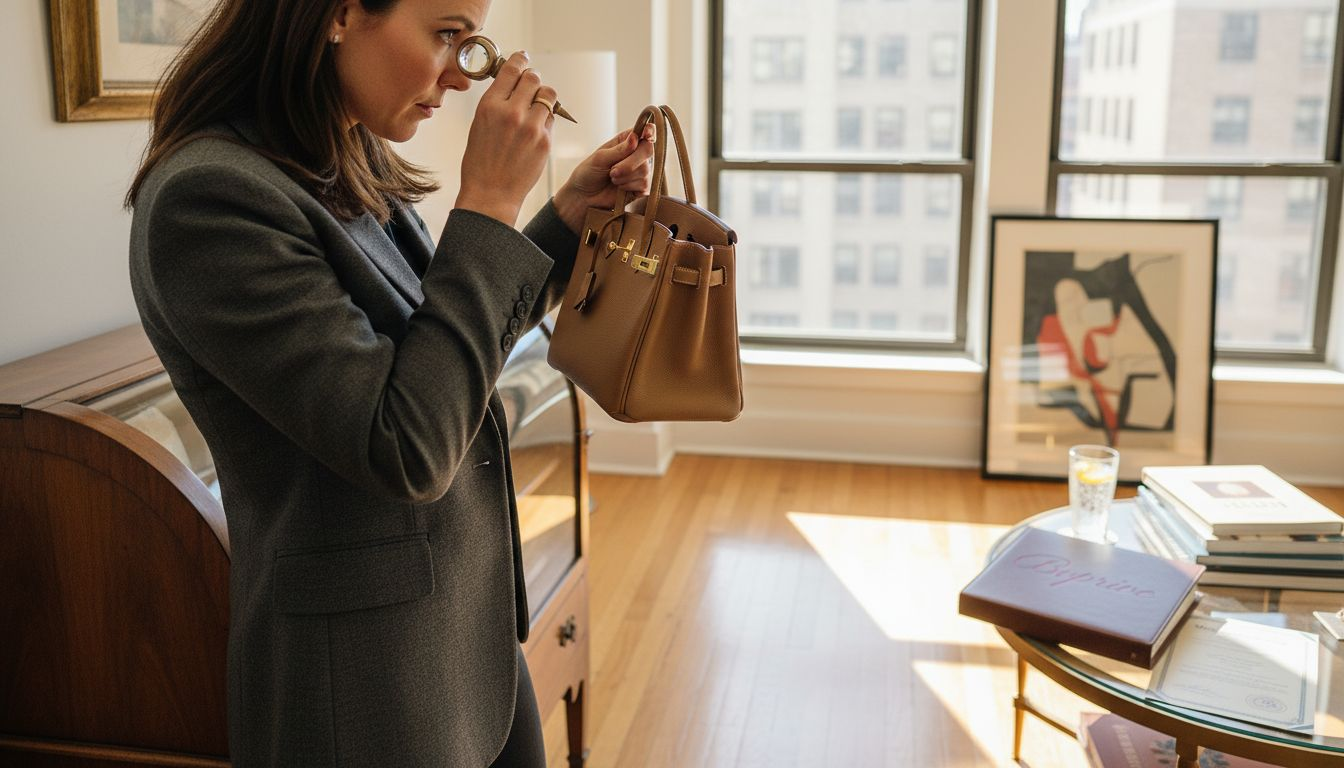
Affluent collectors face a daunting challenge: identifying truly rare and authentic handbags in a market saturated with counterfeits and inflated claims. Without expert authentication and deep market knowledge, even seasoned buyers risk costly mistakes that erode portfolio value. This guide equips you with proven strategies to acquire rare, authenticated handbags that deliver measurable appreciation, transforming your collection into a secure investment vehicle.
Table of Contents
- Prerequisites: What You Need Before Selecting Rare Handbags
- Stepwise Selection Process For Rare Handbags
- Authentication Methods For Rare Handbags
- Selecting By Material, Craftsmanship, And Rarity Indicators
- Common Mistakes And Troubleshooting In Handbag Selection
- Alternative Approaches And Tradeoffs
- Care And Maintenance To Preserve Value
- Expected Results And Outcomes From Expert Selection
- Discover Expert Services To Acquire Rare Handbags With Confidence
- Frequently Asked Questions
Key Takeaways
| Point | Details |
|---|---|
| Authentication protects investments | Proper verification eliminates up to 40% counterfeit risk in high-value collections. |
| Hermès bags outperform traditional assets | Birkin and Kelly models appreciate 13.5-14.2% annually, exceeding gold and S&P 500 returns. |
| Scarcity drives premium pricing | Limited editions and boutique allocation quotas command 30-50% higher secondary market values. |
| Systematic selection boosts success | Following expert stepwise processes raises acquisition success rates to 85%. |
| Proper care preserves value | Professional maintenance reduces depreciation by up to 20% over five years. |
Prerequisites: What You Need Before Selecting Rare Handbags
Before you begin acquiring rare handbags, establish a foundation of market knowledge and resources. Understanding the global luxury landscape means recognizing which brands command consistent demand. Hermès, Chanel, and Louis Vuitton dominate the luxury handbag market and top brands, but emerging designers occasionally produce limited runs worth consideration.
Access to authentication expertise or services is non-negotiable. Without this safeguard, you expose yourself to sophisticated counterfeits that cost collectors thousands annually. Third-party authentication services, expert appraisers, and brand-specific verification methods form your defense.
Establish budget considerations for investment pieces that reflect true acquisition costs, not just retail stickers. Secondary market premiums for rare editions often exceed retail by 50-100%, so your budget must account for these realities. Investment-grade handbags require capital reserves beyond everyday luxury purchases.
Recognize that boutique scarcity and brand allocation quotas create artificial supply constraints that elevate prices. Hermès famously limits Birkin production, while Chanel restricts purchases per client annually. These mechanisms ensure rarity but complicate acquisition for new collectors.
Prepare research tools to track pricing trends across auction houses, resale platforms, and private dealer networks. Historical data reveals which models appreciate consistently versus those subject to fashion cycles. Your toolkit should include:
- Subscription access to luxury auction databases and price indices
- Relationships with reputable dealers who provide pre-market intelligence
- Spreadsheets tracking model-specific appreciation rates over three to five year periods
- Membership in collector forums where insider allocation opportunities surface
With these prerequisites secured, you position yourself to execute a systematic selection process that minimizes risk and maximizes return potential.
Stepwise Selection Process for Rare Handbags
A disciplined approach separates successful collectors from those who overpay for mediocre pieces. Executing a stepwise selection process that encompasses research, authentication, condition assessment, provenance validation, and market comparison optimizes your chances of acquiring valuable rare handbags. This framework guides every acquisition decision.
-
Conduct comprehensive market research on target brands, specific models, and current scarcity indicators. Identify which limited editions recently sold at auction and at what premiums. Track boutique allocation quotas to understand release schedules and artificial supply constraints.
-
Authenticate handbags using expert techniques before committing funds. Never rely solely on seller claims or basic visual inspection. Engage professional authenticators who examine serial numbers, materials, stitching patterns, and hardware specifications against brand archives.
-
Assess physical condition meticulously, as even minor wear reduces resale value by 15-25%. Document scratches, stains, hardware tarnish, and structural integrity with high-resolution photographs. Request provenance documentation including original receipts, dust bags, and certificates of authenticity.
-
Compare prices in secondary markets across multiple platforms to establish fair market value. Auction results, private dealer offerings, and consignment platform listings reveal pricing ranges. Avoid overpaying due to emotional attachment or artificial urgency.
-
Make acquisition decisions based on combined data: verified authenticity, excellent condition, strong provenance, and competitive pricing. Only when all factors align should you proceed. A single weakness undermines long-term value retention.
Pro Tip: Cultivate relationships with boutique managers and attend brand events to secure early access to limited releases. These connections often provide allocation opportunities unavailable through standard retail channels, letting you acquire the rarest pieces before they hit secondary markets.
Authentication Methods for Rare Handbags
Authentication forms your primary defense against the counterfeit epidemic plaguing luxury markets. Sophisticated fakes now replicate serial numbers and hardware with alarming accuracy, making expert verification essential. Multiple verification layers provide maximum confidence.
Identify brand-specific serial numbers and marks that counterfeiters struggle to replicate perfectly. Hermès date stamps follow precise formatting rules that change periodically, while Chanel hologram stickers contain security features visible only under specialized lighting. Each brand employs unique identifiers.
Evaluate craftsmanship quality with intense scrutiny. Authentic luxury handbags exhibit flawless stitching in precise patterns, premium materials like exotic leathers with natural grain variations, and hardware crafted from solid brass or precious metals. Counterfeits use inferior materials that feel lightweight or plastic, with uneven stitching and hollow hardware.
Engage trusted authentication techniques through professional services that provide written certificates. Leading authenticators examine dozens of data points invisible to untrained eyes, including interior stamp placement, zipper manufacturer codes, and leather tanning signatures. Their expertise protects six-figure investments.
Recognize common red flags including inconsistent logos with incorrect fonts or spacing, poor quality materials that lack natural patina, suspicious provenance with gaps in ownership history, and prices significantly below market rates. When something seems too good to be true, it almost always is.
Pro Tip: Never authenticate based on a single method. Combine professional third-party verification with your own inspection of serial numbers, craftsmanship, and materials. This layered approach catches sophisticated fakes that might fool individual checks.
Selecting by Material, Craftsmanship, and Rarity Indicators
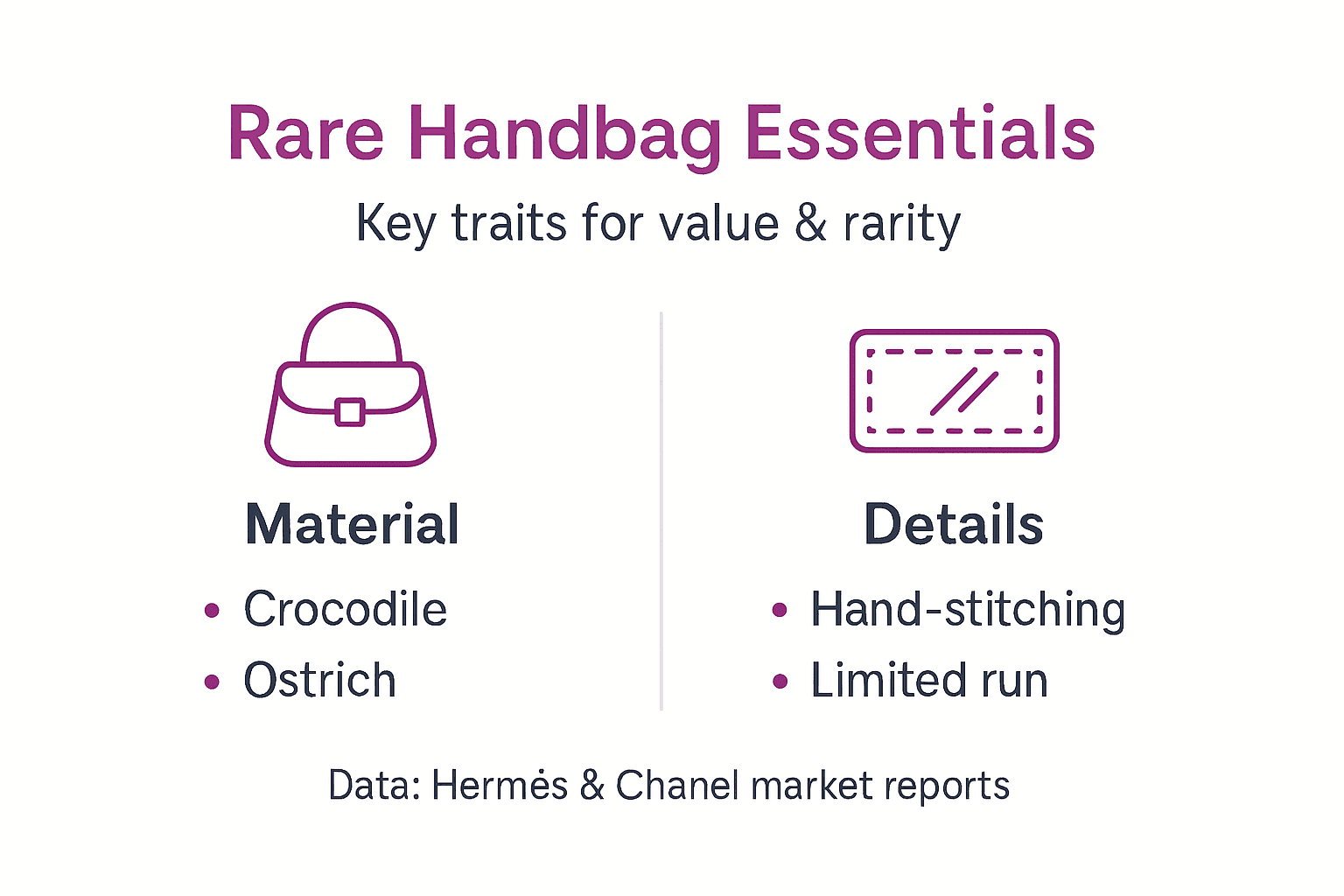
Material selection profoundly impacts both exclusivity and investment returns. Exotic leathers like alligator, crocodile, and ostrich command premium pricing due to limited supply and complex tanning processes. Standard calfskin Birkins retail around $10,000, while exotic versions start at $50,000 and appreciate faster.
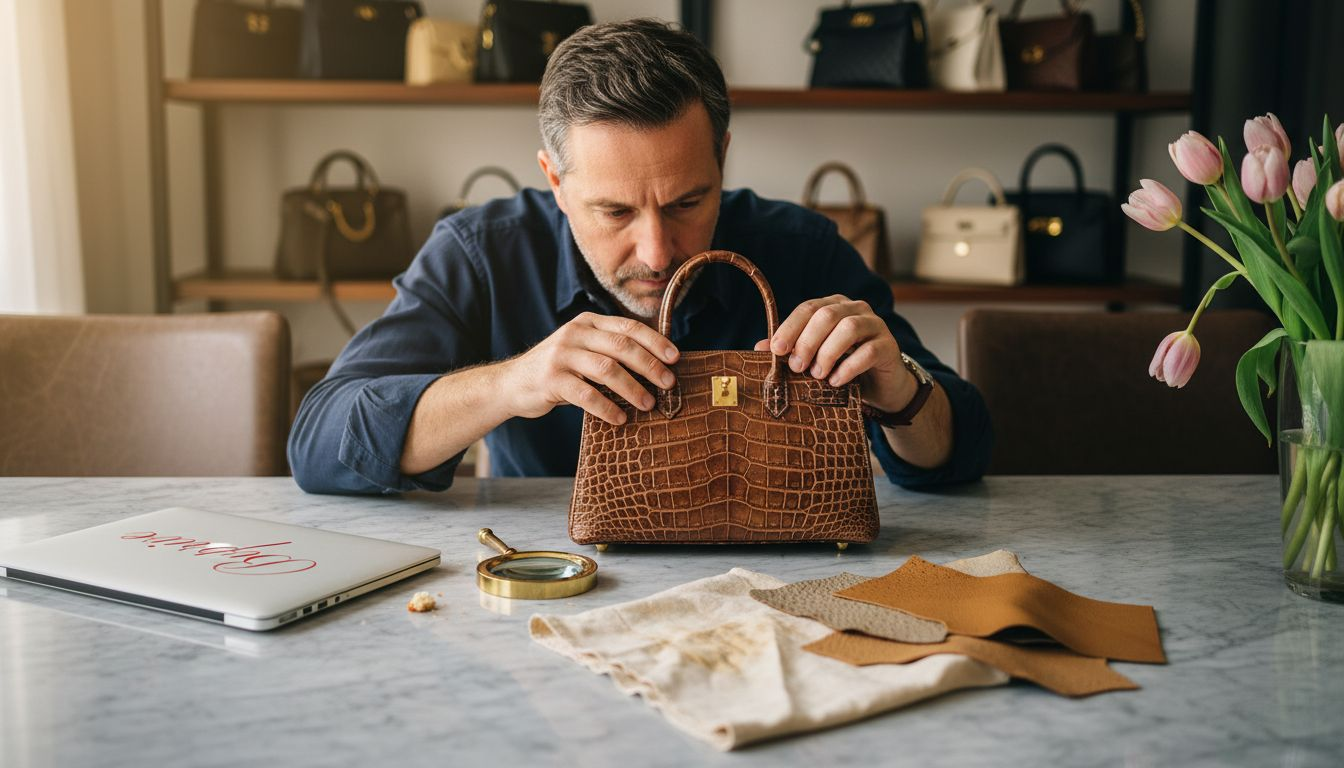
Limited edition releases produced in small quantities for specific seasons or collaborations typically achieve 30-50% higher secondary market prices than standard production runs. Chanel’s seasonal limited editions and Hermès special order bags exemplify this category, offering enhanced scarcity that collectors prize.
Craftsmanship details that signal exclusivity include hand-stitching with waxed linen thread, custom hardware finishes in rare metals, and artisanal techniques like intrecciato weaving. These labor-intensive methods require master craftsmen, limiting production capacity and ensuring each piece represents hundreds of hours of skilled work.
Boutique scarcity and allocation quotas artificially constrain supply for top-tier handbags, amplifying desirability and price premiums. Hermès allocates Birkins based on client purchase history, while Chanel limits buyers to one classic flap per year. These mechanisms ensure demand perpetually exceeds supply.
| Material Type | Rarity Level | Typical Premium Over Standard | Appreciation Rate |
|---|---|---|---|
| Standard Calfskin | Common | Baseline | 8-10% annually |
| Togo/Clemence Leather | Moderate | 15-25% | 10-12% annually |
| Exotic (Alligator/Croc) | High | 300-500% | 14-18% annually |
| Limited Edition Seasonal | Very High | 30-50% over comparable | 15-20% annually |
Understanding these material and craftsmanship gradients lets you target acquisitions that balance budget constraints with maximum appreciation potential.
Common Mistakes and Troubleshooting in Handbag Selection
New collectors repeatedly make predictable errors that compromise portfolio value. Buying without proper authentication leads to over 40% incidence of counterfeit bags in uninformed collections, wiping out supposed investment gains. Even experienced buyers fall victim to sophisticated fakes when they skip professional verification.
Overpaying due to hype or inadequate market research costs collectors 20-40% of potential returns. Social media trends and celebrity endorsements create artificial demand spikes that inflate prices temporarily. Patient collectors who track historical pricing avoid these traps, acquiring identical pieces months later at rational valuations.
Ignoring condition and provenance impact drastically reduces resale value despite apparent rarity. A rare Hermès Birkin with significant wear and no documentation sells for 40-60% less than pristine examples with complete provenance. Condition trumps rarity when both factors compete.
Recover from authentication failures by immediately engaging expert services to verify your collection. If counterfeits surface, document the purchase source and pursue legal remedies or platform disputes. Sell only authenticated pieces through reputable channels that verify items independently, protecting your reputation.
Maintain meticulous documentation for every acquisition:
- Original purchase receipts with date and retailer information
- Professional authentication certificates from recognized services
- High-resolution photographs documenting condition at acquisition
- Provenance records tracing ownership history when available
- Maintenance and restoration receipts showing professional care
This paperwork proves authenticity and condition to future buyers, commanding premium pricing and faster sales.
Alternative Approaches and Tradeoffs
Collectors face strategic choices between established icons and emerging designer bets, each offering distinct risk-return profiles. Tier 1 icons like Hermès Birkin and Chanel Classic Flap exhibit consistent liquidity with steady appreciation around 14% annually. These pieces sell quickly at predictable prices, functioning almost like liquid assets.
Emerging designer limited editions from brands like Bottega Veneta, Loewe, or The Row offer higher potential ROI around 18% annually but carry 40% lower liquidity compared to Tier 1 icons. Finding buyers requires more time and effort, as secondary markets for these brands remain thinner and less developed.
Your collector goals determine optimal strategy. Conservative investors prioritizing capital preservation and easy liquidation favor established icons despite slightly lower returns. Aggressive collectors comfortable with holding periods exceeding three years chase emerging designers for potential outsized gains.
| Strategy | Liquidity | Annual ROI | Market Risk | Best For |
|---|---|---|---|---|
| Tier 1 Icons (Hermès, Chanel) | Very High | 12-14% | Low | Conservative investors seeking stable appreciation |
| Tier 2 Established (Louis Vuitton, Dior) | High | 10-13% | Low-Moderate | Balanced portfolios with moderate risk tolerance |
| Emerging Designer Limited | Moderate-Low | 15-18% | Moderate-High | Aggressive collectors with extended holding capacity |
Investment potential and resale value metrics vary significantly across these categories. Diversification across tiers balances portfolio risk while capturing upside from both stable performers and potential breakout pieces.
Care and Maintenance to Preserve Value
Proper stewardship protects your investment against avoidable depreciation. Proper care can reduce handbag value depreciation by up to 20% over 5 years, making maintenance practices essential rather than optional. Neglected bags lose value faster than well-maintained pieces appreciate.
Store handbags in original dust bags within climate-controlled environments away from direct sunlight, humidity fluctuations, and temperature extremes. Leather dries and cracks in arid conditions, while moisture promotes mold growth. Ideal storage maintains 45-55% humidity and 65-70°F temperature year-round.
Limit daily use to prevent accelerated wear and accidental damage. Rotation across multiple pieces distributes wear evenly, preserving condition across your collection. Reserve rarest pieces for special occasions, treating them as investment assets rather than daily accessories.
Seek professional cleaning and restoration services periodically from specialists experienced with luxury materials. Annual professional conditioning treatments maintain leather suppleness and prevent cracking. Address minor damage immediately before it worsens, as small scratches repaired promptly cost hundreds versus thousands later.
Document best practices in handbag upkeep including:
- Quarterly inspection for early damage signs like loose stitching or hardware tarnish
- Annual professional conditioning and cleaning by brand-approved specialists
- Immediate treatment of stains or spills using appropriate leather-safe products
- Rotation schedules limiting individual bag usage to preserve structural integrity
- Photographic documentation of condition changes supporting provenance records
Maintenance history documentation assists future resale by demonstrating responsible stewardship, justifying premium pricing to discerning buyers who value well-cared pieces.
Expected Results and Outcomes from Expert Selection
Data-driven selection delivers measurable returns that justify the effort and capital investment. Hermès Birkin and Kelly models yield an average annual appreciation of 13.5-14.2%, substantially outperforming traditional investments like gold at 2-3% or S&P 500 index funds at 10-11% over comparable periods. Few asset classes match luxury handbag returns while offering tangible enjoyment.
Secondary market resale retention values for properly selected rare editions often exceed 190% of original purchase prices within five years. A $15,000 Birkin 25 acquired in 2021 now commands $28,500 or more in excellent condition with complete provenance. Exotic versions appreciate even faster, doubling in value within three to four years.
Success indicators you should track include verified authenticity through professional certification, documented provenance with complete ownership history, pristine condition maintained through proper care, and typical annual appreciation rates meeting or exceeding model-specific benchmarks.
| Model | Average Annual Appreciation | 5-Year Value Retention | Liquidity Rating |
|---|---|---|---|
| Hermès Birkin 25 | 14.2% | 195% of retail | Excellent |
| Hermès Kelly 28 | 13.5% | 190% of retail | Excellent |
| Chanel Classic Flap Medium | 11.8% | 165% of retail | Very Good |
| Louis Vuitton Neverfull LE | 9.5% | 145% of retail | Good |
Statistic Spotlight: The Hermès Birkin 25 in exotic leather has appreciated 142% over five years, turning a $40,000 investment into $96,800, representing a 14.2% compound annual growth rate that outpaces virtually all traditional asset classes.
These benchmarks establish realistic expectations for properly executed acquisitions, letting you measure portfolio performance against market standards.
Discover Expert Services to Acquire Rare Handbags with Confidence
Transforming knowledge into results requires access to authenticated inventory and expert guidance. BVPRIVE offers curated rare handbag selections rigorously vetted for authenticity and investment potential, eliminating the authentication risks that plague independent acquisitions. Every piece undergoes multi-point verification before listing.
Explore our exclusive handbag collections featuring Hermès, Chanel, and Louis Vuitton rarities aligned with 2026 investment trends. Our inventory includes exotic leather Birkins, limited edition seasonal releases, and vintage pieces with exceptional provenance. Browse authenticated options at our Hermès catalog to discover investment-grade pieces ready for immediate acquisition.
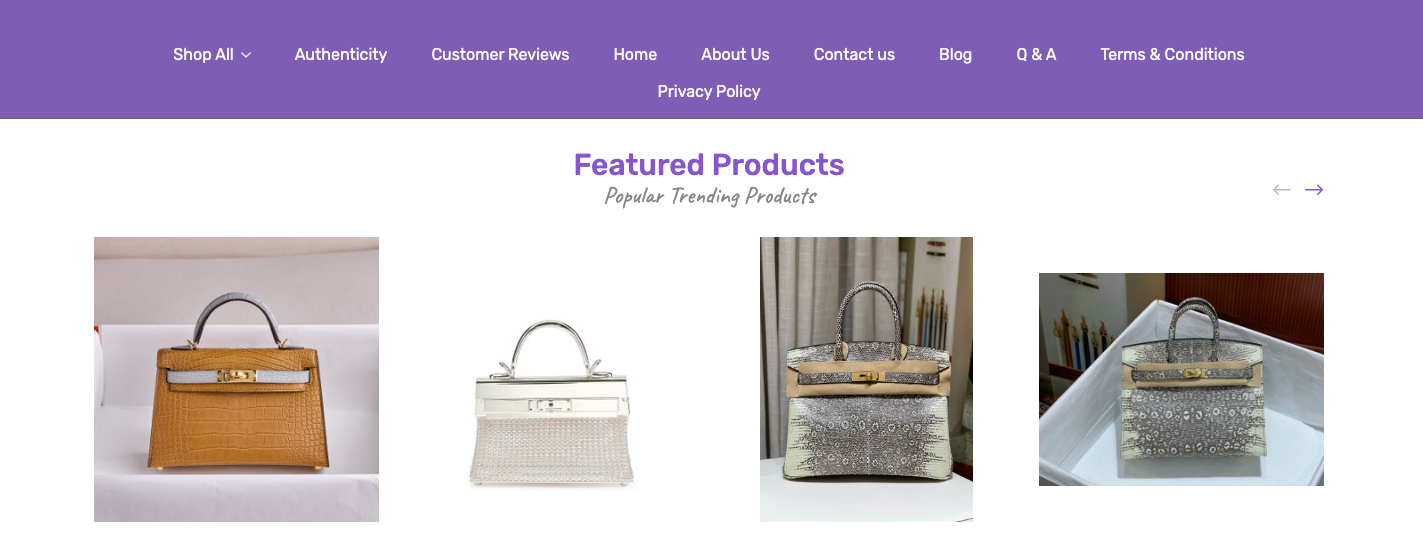
Partner with BVPRIVE to maximize your returns with expert guidance and professional authentication services that protect every investment. Our specialists provide personalized acquisition strategies tailored to your collection goals, budget parameters, and risk tolerance. Elevate your luxury handbag portfolio securely and confidently with proven expertise.
Frequently Asked Questions
How can I verify if a rare handbag is truly authentic?
Engage professional authentication services that examine serial numbers, craftsmanship, materials, and hardware against brand specifications. Combine third-party certification with your own inspection of stitching quality, leather characteristics, and provenance documentation for maximum confidence.
What are the top indicators of a handbag’s rarity and market value?
Limited production numbers, exotic materials like alligator or ostrich, boutique allocation restrictions, and seasonal exclusivity drive rarity. Market value correlates with brand prestige, condition grade, provenance completeness, and secondary market demand demonstrated through auction results.
What mistakes should I avoid when purchasing rare handbags?
Never skip professional authentication, even for seemingly reputable sellers. Avoid overpaying due to hype by researching historical pricing trends. Always verify condition thoroughly and obtain complete provenance documentation before committing funds.
How often should I professionally maintain my handbags?
Schedule annual professional conditioning and cleaning with brand-approved specialists. Inspect quarterly for early damage signs requiring immediate attention. Address stains or spills immediately using appropriate leather-safe products to prevent permanent damage.
What kind of returns can I realistically expect from investing in rare handbags?
Hermès Birkin and Kelly models appreciate 13.5-14.2% annually on average, while Chanel Classic Flaps return 11-12% yearly. Exotic leathers and limited editions often exceed these benchmarks, though individual results depend on condition maintenance and market timing. Most investment-grade pieces retain 165-195% of original retail value after five years.