


Heritage in designer brands: value, trust & investment
BVPRIVE Editorial Team on 9th Apr 2026
Heritage in designer brands: value, trust & investment
TL;DR:
- Genuine heritage in luxury brands involves active preservation of history, craftsmanship, and cultural meaning.
- Heritage authenticity attracts higher resale value and greater trust among collectors and investors.
- Top brands balance tradition with innovation through storytelling, archival revival, and sustainability initiatives.
Most collectors assume price or logo prestige drives long-term value in luxury goods. The reality is more nuanced. 61% of luxury consumers cite heritage and craftsmanship as the most decisive factor in their purchasing decisions, often outweighing celebrity endorsement or seasonal design. Heritage is not simply a brand’s age or a famous founder’s name on a dust bag. It is an active, living system of stories, techniques, and cultural meaning that separates genuinely collectible pieces from expensive novelties. For collectors and investors, understanding this distinction is the foundation of every smart acquisition.
Table of Contents
- What heritage really means in designer brands
- How designer brands curate and preserve heritage
- Heritage’s influence on value, trust, and investment potential
- Dynamic heritage: Balancing tradition with innovation in 2026
- The truth about heritage: Essential yet evolving
- Discover curated heritage investments
- Frequently asked questions
Key Takeaways
| Point | Details |
|---|---|
| Heritage defined | Heritage in designer brands means living tradition through history, craftsmanship, and founder legacy, not just age. |
| Investment value | Heritage brands consistently retain value and trust, making them smart choices for collectors and investors. |
| Dynamic relevance | Only brands actively balancing tradition and innovation keep heritage meaningful and valuable in 2026. |
| Signs of true heritage | Genuine heritage shows in documented archives, generational craftsmanship, and respected authentication, not just marketing. |
What heritage really means in designer brands
Heritage is one of the most misused words in luxury marketing. Many brands claim it simply because they have existed for decades. But true heritage is far more specific. It is the active preservation of origin stories, artisanal methods, and cultural meaning, not just a timeline of founding dates.
Heritage is curated through founder stories, craftsmanship traditions, and legendary icons. Think of Thierry Hermès beginning his career as a harness maker in 1837, or Gabrielle Chanel’s radical reimagining of women’s dress in the early twentieth century. These are not just marketing stories. They are the emotional architecture that makes buyers feel connected to something larger than a product.
The key traits that define genuine brand heritage include:
- Documented origin stories rooted in a specific craft, culture, or social movement
- Signature design codes that persist across decades, such as the Hermès saddle stitch or Chanel’s interlocking C
- Archival depth, including original sketches, materials, and production records
- Generational craftsman continuity, where skills are passed from master to apprentice
- Cultural recognition beyond the fashion world, entering art, history, and social identity
These traits connect to heritage and status in ways that newer brands simply cannot replicate quickly. The emotional bond between a collector and a heritage piece is not irrational. It is built on verifiable depth.
“A brand’s heritage is only as powerful as its ability to keep those stories alive and meaningful to each new generation of buyers. Static history becomes a museum exhibit. Living heritage becomes desire.”
This distinction matters enormously when you are deciding where to place your investment. Craftsmanship quality is one measurable expression of living heritage, and it is something you can assess with the right knowledge before any purchase.
How designer brands curate and preserve heritage
Knowing what heritage is only takes you so far. The more practical question for collectors is how top houses actually keep it alive across generations, leadership changes, and shifting markets.
Heritage is activated via ongoing research and stewardship, not just static history. The brands that hold their value best treat their archives like living resources, not museum displays.
| Brand | Heritage activation method | Key example |
|---|---|---|
| Hermès | Craftsman apprenticeship, archival materials | Continuing saddle-stitch technique since 1837 |
| Chanel | Archive revivals, founder mythology | Annual reissue of the 2.55 flap bag |
| Louis Vuitton | Monogram evolution, artist collaborations | Trunk archive informing new collections |
| The Row | Quiet luxury codes, minimal branding | Referencing 1970s American minimalism |
The four core elements that sustain genuine heritage over time are:
- Storytelling continuity — Keeping founder narratives alive through campaigns, exhibitions, and product naming
- Archival product revivals — Reintroducing historical designs with updated materials to connect past and present
- Craftsman continuity — Maintaining apprenticeship programs so rare skills are never lost between generations
- Narrative reinvention — Reinterpreting heritage codes for new cultural contexts without abandoning their origin
A brand that relies only on its history without reinventing the narrative risks becoming irrelevant. Think of houses that once commanded great respect but have faded because they treated their past as a finished story rather than an ongoing one.
Pro Tip: When evaluating a piece for investment, research whether the brand actively maintains its atelier programs and craftsman training. A house that still employs its own artisans and archives its production methods is far more likely to sustain resale value than one that has outsourced manufacturing while trading on a famous name.
For collectors, authenticity in luxury is not just about spotting fakes. It is about understanding whether the brand behind the piece is genuinely stewarding its own legacy. That distinction shapes long-term value more than most buyers realize.
Heritage’s influence on value, trust, and investment potential
Heritage is not just emotionally compelling. It is financially measurable. The resale market makes this clear every season.
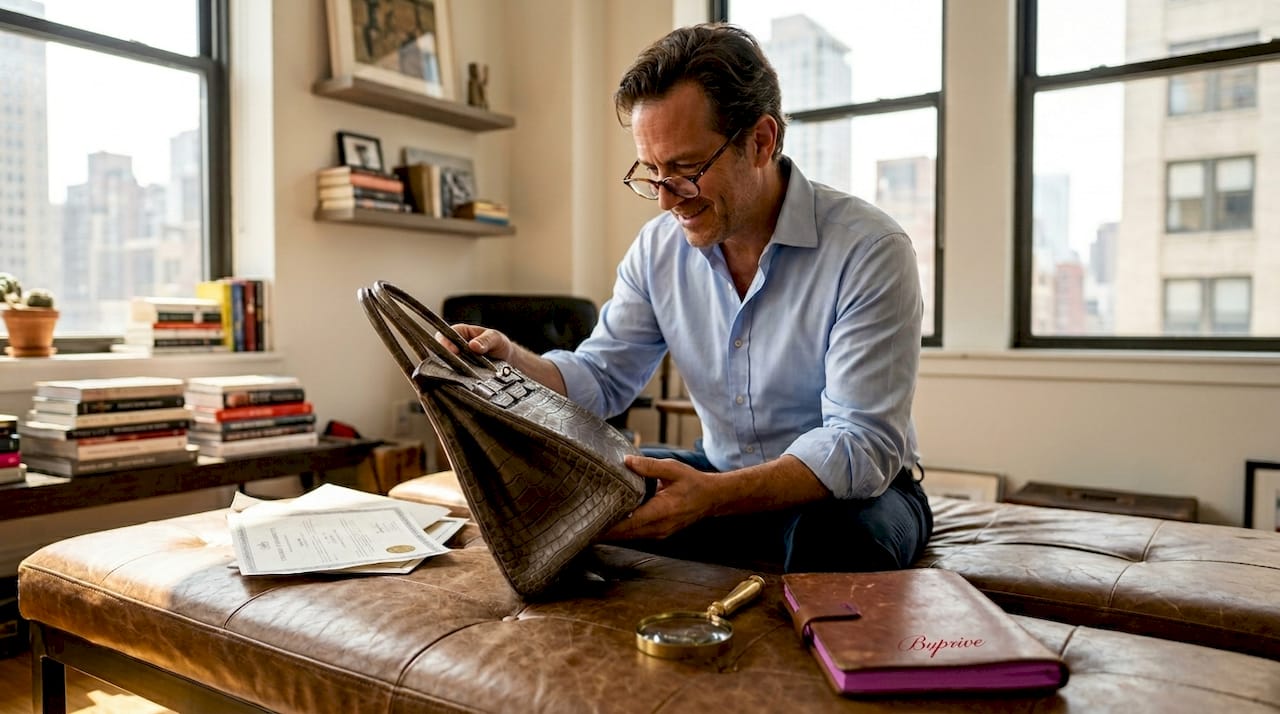
Heritage brands command premium resale prices and sustained collector interest that newer designers rarely match. This is not coincidence. It reflects the trust that generations of verified craftsmanship and cultural significance have built with buyers, auction houses, and institutional collectors.
| Brand | Avg. resale premium over retail | Heritage depth |
|---|---|---|
| Hermès Birkin | 100% to 300%+ | 180+ years, active ateliers |
| Chanel Classic Flap | 20% to 80% | 100+ years, archival revivals |
| Louis Vuitton Speedy | 10% to 40% | 160+ years, monogram continuity |
| The Row (newer pieces) | 0% to 15% | Under 30 years, limited archival depth |
The factors that auction houses and serious buyers check when assessing heritage value include:
- Provenance documentation confirming production origin and chain of ownership
- Craftsman signatures or stamps that verify hand production
- Archival design consistency showing the piece matches historical production standards
- Material authenticity, particularly for exotic leathers and rare hardware
- Brand stewardship signals, such as active atelier programs and limited production runs
The contrast between The Row and Hermès is instructive. The Row produces beautifully made pieces with a clear aesthetic. But its resale lags behind Hermès because it has not yet built the generational depth, archival density, or cultural mythology that makes collectors confident in long-term demand. That depth cannot be purchased or manufactured quickly.
For investors, this is where retained value in luxury brands becomes a practical framework. Heritage is the single strongest predictor of resale stability. It is also why authentication pressure is highest on heritage pieces. The more desirable a bag, the more sophisticated the fakes. Serious buyers exploring the luxury resale market must insist on rigorous verification, particularly for Hermès and Chanel. If you are investing in rare designer accessories, heritage is not a soft preference. It is your most reliable financial signal.
Dynamic heritage: Balancing tradition with innovation in 2026
Heritage is not a fixed asset. In 2026, the luxury market rewards brands that treat their legacy as a living practice rather than a preserved artifact.
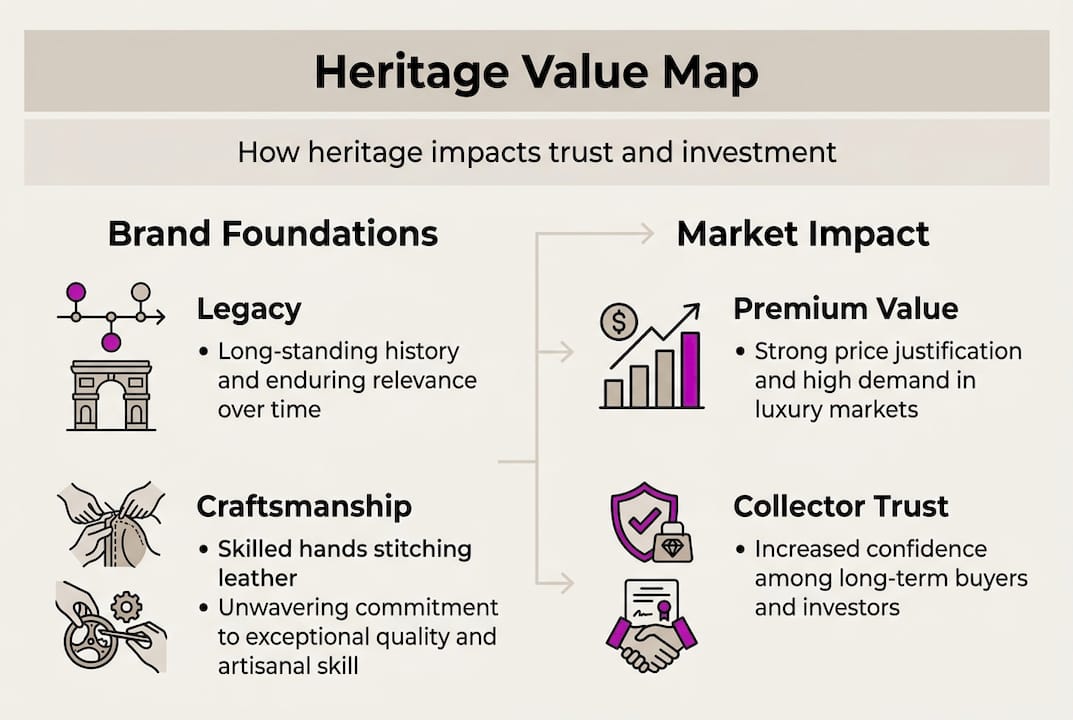
Brands balance heritage and modernity using what industry analysts call dynamic heritage, evolving narratives and materials for new audiences while protecting their historic DNA. This approach is visible across the market’s strongest performers.
The three most effective ways top brands adapt heritage today are:
- Sustainable material innovation — Integrating responsible sourcing into traditional production without abandoning the craft, as Hermès has done with its leather traceability programs
- Digital authentication tools — Using blockchain and NFC-enabled certificates to give collectors verifiable provenance in a format that resonates with younger buyers
- Cultural narrative expansion — Partnering with artists, institutions, and communities to extend brand mythology into new contexts while keeping the core codes intact
The contrast between The Row and Hermès remains relevant here. Hermès has spent decades proving that exclusivity and heritage can coexist with careful evolution. The Row has the aesthetic sensibility but has not yet demonstrated the same capacity for generational reinvention. That gap matters to collectors watching long-term trajectories.
Pro Tip: Watch for brands that invoke sustainability or digital innovation as marketing language without integrating these practices into their actual production. Genuine dynamic heritage shows up in supply chain transparency, craftsman program investments, and archival accessibility, not just campaign copy.
For those working with personal shopping for luxury advisors, asking about a brand’s current atelier investments and sustainability commitments is a fast way to separate living heritage from legacy coasting. The modern heritage trends shaping 2026 reward collectors who look beyond the name and examine the evidence.
The truth about heritage: Essential yet evolving
Most guides treat heritage as a stable, reassuring quality. We see it differently. Heritage is an asset, but it carries real risk when brands stop earning it.
Over-reliance on tradition can stifle innovation, and the brands that rest on their founding stories without actively reinventing them are quietly losing ground. Collectors who chase only classic names without examining whether those houses are still investing in their craft are making a sentimental bet, not a financial one.
The future belongs to brands that reinterpret tradition rather than simply commemorate it. A Birkin holds its value not because Hermès was founded in 1837, but because Hermès still employs its own saddlers, still limits production, and still treats each bag as a craftsman’s output rather than a factory unit. That is the standard worth measuring every acquisition against.
For collectors and investors in 2026, the practical wisdom is this: favor brands that demonstrate collectors’ value in heritage brands through active stewardship, not just historical prestige. The brands that will perform best over the next decade are those balancing both, honoring their origins while proving they can speak to the present.
Discover curated heritage investments
Understanding heritage is one thing. Finding pieces that genuinely embody it is another challenge entirely. The market is full of beautiful objects, but only a fraction carry the verifiable depth that supports serious investment.
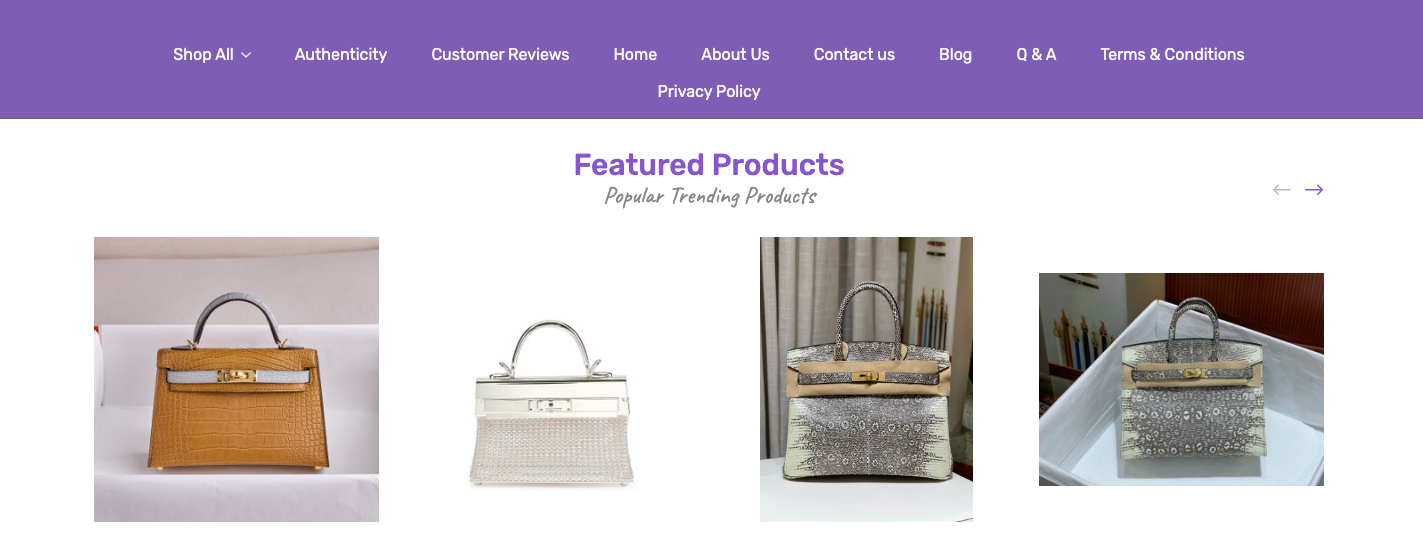
At BVPRIVE, every piece in our curated collection is selected for authenticity, provenance, and the kind of heritage that holds value over time. Our authentication process and VIP personal shopping service mean you are never navigating this alone. Whether you are building a collection or making a single significant acquisition, explore our full range of rare designer bags and discover what genuine heritage looks like in practice. Your next investment deserves that standard.
Frequently asked questions
How can you tell if a designer brand has true heritage?
Look for documented history, iconic products, and proven craftsmanship passed through generations, not just marketing stories. Active atelier programs and archival depth are the most reliable indicators.
Why do heritage brands hold their value better?
Heritage brands command premiums because their legacy, trust, and proven craftsmanship keep collector demand consistently high, which supports strong resale prices over time.
Is it possible for new brands to build heritage?
While new designers can begin building heritage through authentic stories and genuine craftsmanship commitment, generational depth takes time and cannot be replicated quickly, which is why established houses maintain a structural advantage.
Does heritage make a difference for investors in luxury accessories?
Yes. Brands with living heritage provide higher trust, better authentication infrastructure, and command higher prices and greater liquidity at resale, making them the stronger choice for serious investors.
How do top brands keep heritage relevant in 2026?
They balance preserving tradition with adapting to sustainability practices, digital authentication tools, and new cultural narratives that resonate with both established collectors and younger buyers.