


Guide to investing in designer handbags for growth 2026
BVPRIVE Editorial Team on 10th Mar 2026
Guide to investing in designer handbags for growth 2026
The luxury handbag investment landscape presents unique challenges in 2026, from navigating counterfeit risks to understanding complex market dynamics. Yet designer handbags from Hermès, Chanel, and Louis Vuitton represent tangible assets that combine wearability with 3x faster growth than retail. This guide equips you with authentication strategies, value factors, key investment brands, and care practices to build a profitable handbag portfolio confidently.
Table of Contents
- Introduction To Designer Handbag Investment
- Prerequisites: What You Need To Start Investing In Designer Handbags
- Key Factors Affecting Handbag Investment Value
- Step-By-Step Guide To Choosing And Acquiring Investment Handbags
- Care, Maintenance, And Storage Practices To Preserve Value
- Common Mistakes And How To Avoid Them
- Expected Results And Outcomes From Designer Handbag Investment
- Explore Premium Designer Handbags For Investment At BVPRIVE
Key takeaways
| Point | Details |
|---|---|
| Authenticity protects value | Condition and verification are essential; even slight wear can reduce value by up to 50%. |
| Rarity drives appreciation | Limited editions and archival classics consistently outperform trendy styles in long-term returns. |
| Trusted sources matter | Buying from verified dealers and expert authentication services reduces counterfeit exposure significantly. |
| Proper care extends lifespan | Humidity control, dust bags, and professional cleaning preserve condition and maximize resale potential. |
| Classic models deliver returns | Hermès Birkin, Chanel Classic Flap, and Louis Vuitton pieces show proven historical appreciation. |
Introduction to designer handbag investment
Designer handbags have emerged as a compelling alternative asset class in 2026, with resale markets growing 3x faster than traditional retail channels. Unlike stocks or bonds, these tangible investments allow you to wear and enjoy your assets while they appreciate.
The luxury handbag market has matured into a sophisticated investment space with transparent pricing, established resale platforms, and clear value metrics. Collectors and investors now treat iconic bags like Hermès Birkins and Chanel Classic Flaps with the same strategic analysis applied to art or watches.
Three brands dominate investment portfolios:
- Hermès: Known for multi-year waitlists and exceptional value retention, particularly Birkin and Kelly models in exotic leathers
- Chanel: Classic Flap bags deliver consistent appreciation with more accessible entry points than Hermès
- Louis Vuitton: Archival pieces and collaborations offer diverse price points and strong collector demand
Market demand continues accelerating as affluent buyers recognize handbags as portfolio diversification tools. Our luxury handbag investment guide explores strategies to maximize returns through careful selection and timing. The key is understanding which models appreciate consistently versus those driven by temporary hype.
Investment-grade handbags combine craftsmanship, brand heritage, and scarcity. You’re not just buying fashion; you’re acquiring assets with decades of market data supporting their value trajectories.
Prerequisites: what you need to start investing in designer handbags
Successful handbag investing requires foundational knowledge and resources before your first purchase. Jumping in without preparation exposes you to significant financial risks.
Authenticity verification stands as your primary defense. Condition and authenticity directly impact value, with doubts reducing prices by up to 50%. Counterfeit bags flood secondary markets, making expert authentication non-negotiable.
Before investing, secure these essentials:
- Authentication expertise: Partner with certified authenticators who examine stitching, hardware, stamps, and materials against brand specifications
- Provenance documentation: Original receipts, dust bags, boxes, and authenticity cards strengthen resale value and buyer confidence
- Brand knowledge: Study construction details, seasonal variations, and identifying features of target brands
- Trusted sources: Establish relationships with reputable dealers, verified resale platforms, or direct boutique access
Condition assessment requires trained eyes. New or pristine bags command premium prices, while even minor wear dramatically affects returns. Learn to spot concerning signs like hardware scratches, corner scuffs, or handle darkening. Our guide on signs of genuine designer handbags helps identify red flags.
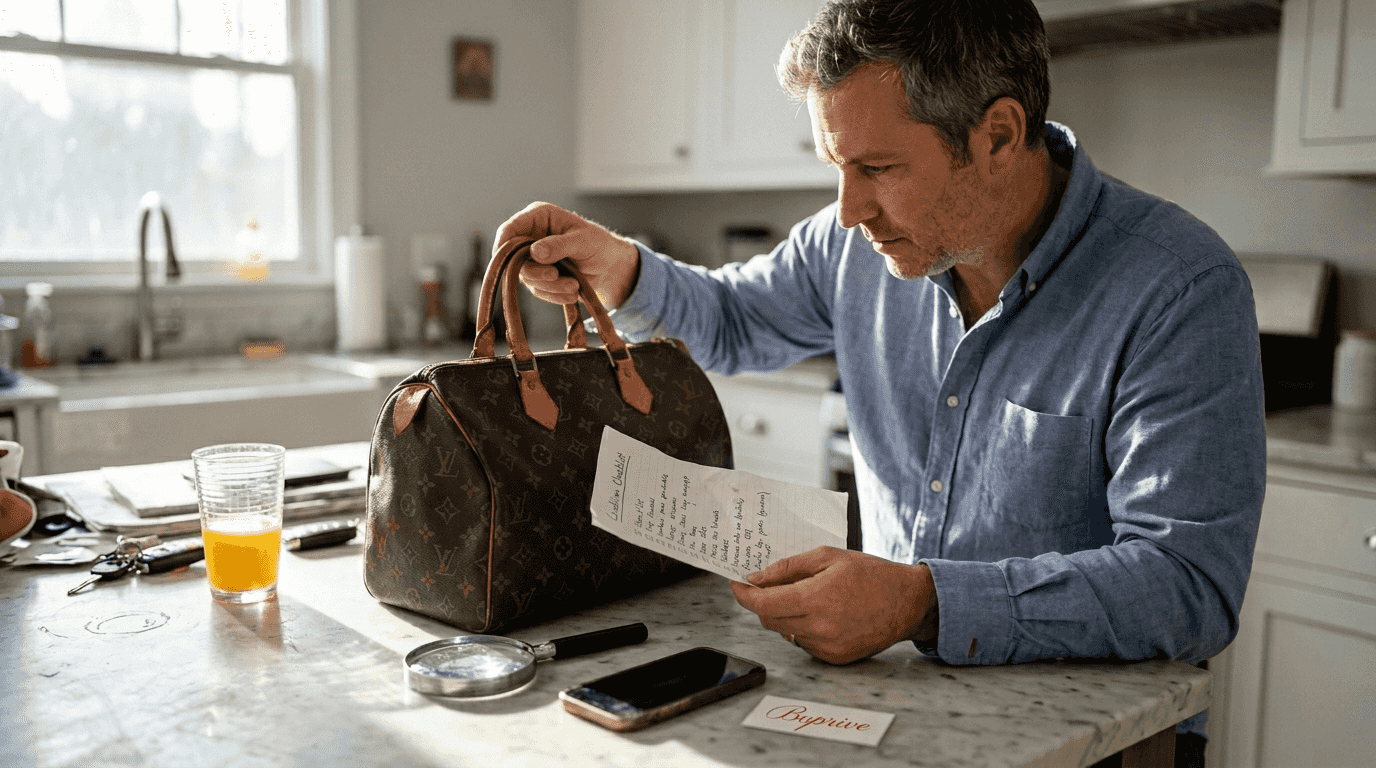
Pro Tip: Start with one brand and master its authentication markers before expanding. Hermès date stamps, Chanel serial stickers, and Louis Vuitton heat stamps each follow specific patterns that take time to memorize.
Financial readiness matters too. Investment pieces typically start at $5,000 and climb well into six figures for rare Birkins. Budget for initial purchase, proper storage equipment, insurance, and potential authentication fees. Understanding how to authenticate luxury bags prevents costly mistakes.
Education resources abound. Follow auction results, study strategies for investing in luxury handbags, and join collector communities to learn market nuances before committing capital.
Key factors affecting handbag investment value
Understanding what drives appreciation helps you select bags with strong growth potential rather than hoping for lucky picks.
Rarity creates scarcity that fuels demand. Limited editions significantly increase value, with exotic leather Hermès models achieving 20-40% premiums over standard versions. Production numbers matter: a Birkin released in quantities under 100 will outperform mass-produced styles.
Archival status indicates proven long-term demand. Bags continuously produced for decades like the Chanel 2.55 or Louis Vuitton Speedy have established collector bases and predictable appreciation curves. When brands revisit vintage designs, archival pieces experience demand spikes.
Material composition affects both durability and desirability:
- Exotic leathers (crocodile, alligator, ostrich) command highest premiums but require specialized care
- Classic leathers (Togo, Clemence, lambskin) offer balance of durability and appreciation
- Canvas and coated materials appeal to entry-level collectors but show slower growth
Color choice influences resale velocity. Neutral tones like black, beige, and gray sell quickly at strong prices. Bold or seasonal colors appeal to niche buyers, potentially extending holding periods but sometimes commanding premiums from the right collector.
| Factor | Impact on Value | Example |
|---|---|---|
| Limited production | 20-40% premium | Hermès Himalaya Birkin vs. standard Birkin |
| Archival reissue | +218% demand spike | Chanel 2.55 reissue effect |
| Exotic materials | 30-60% premium | Crocodile Kelly vs. leather Kelly |
| Neutral colors | Faster resale | Black Chanel Classic Flap liquidity |
Market timing creates opportunities. When brands discontinue popular models or adjust pricing, secondary markets react quickly. Understanding what defines limited edition handbags helps identify appreciation catalysts before they occur.
Collaborations and special editions generate collector frenzy but require careful evaluation. Some appreciate spectacularly while others fade after initial hype. Research historical performance of similar releases. Our analysis on why buy limited edition bags explores this dynamic.
Brand prestige remains foundational. Hermès, Chanel, and Louis Vuitton maintain century-plus heritage with controlled distribution. Newer luxury brands lack decades of resale data, making predictions riskier. The top 10 luxury handbags investment guide ranks brands by reliability.
Condition directly translates to dollars. Pristine bags command full market value while worn examples may sell at 30-50% discounts. This makes initial purchase condition and subsequent care critical to returns. Understanding luxury handbags collectible value frameworks helps assess potential.
Step-by-step guide to choosing and acquiring investment handbags
Strategic acquisition separates successful investors from those who overpay for underperforming assets. Follow this systematic approach.
-
Research historical performance: Study sold prices over 5-10 years for specific models you’re considering. Auction houses and verified resale platforms publish data showing appreciation trends. Look for consistent upward trajectories rather than volatile spikes.
-
Identify trusted sources: Prioritize official boutiques for new pieces or established resale specialists with authentication guarantees. Verify seller credentials, return policies, and buyer protections before purchasing.
-
Authenticate rigorously: Never skip professional authentication, even from seemingly reputable sources. Proper storage and maintenance preserve condition and value, but only authentic pieces appreciate. Use multiple authenticators for expensive purchases.
-
Start with proven classics: Your first investment should be an archival model with decades of market data. Hermès Kelly, Chanel Classic Flap, or Louis Vuitton Capucines offer lower risk than experimental contemporary designs.
-
Verify complete provenance: Insist on original receipts, dust bags, boxes, locks, keys, and authenticity cards. Complete sets command premiums and simplify future resale.
-
Inspect condition meticulously: Examine hardware for scratches, leather for discoloration, stitching for looseness, and corners for wear. Minor flaws drastically reduce returns. Use magnification and strong lighting.
-
Negotiate strategically: Research comparable sales to establish fair market value. Even with luxury goods, respectful negotiation often yields 5-10% savings, improving your cost basis.
-
Document thoroughly: Photograph your purchase from multiple angles immediately. Record serial numbers, date codes, and any unique characteristics. This documentation protects your investment.
Pro Tip: Time purchases during brand price increases. Buying just before announced retail hikes positions you ahead of market adjustments, as resale values typically follow retail pricing upward.
Our comprehensive luxury handbag investment guide details evaluation frameworks for specific brands. Understanding how to authenticate luxury bags prevents expensive mistakes.
Storage preparation matters before your bag arrives. Have acid-free tissue, breathable dust bags, and climate-controlled space ready. Proper storage extends appreciation timelines by preserving pristine condition.
Avoid impulse purchases driven by scarcity marketing. Stick to your research and predetermined criteria. The right investment opportunity will align with your strategy rather than requiring compromise.
Care, maintenance, and storage practices to preserve value
Meticulous care directly impacts your return on investment by maintaining the pristine condition that commands premium resale prices.
Humidity control and professional cleaning form the foundation of preservation. Leather absorbs moisture, leading to mold, mildew, and structural damage. Store bags in environments maintaining 40-50% humidity using dehumidifiers or humidifiers as needed.
Essential storage practices include:
- Original dust bags: Protect from light exposure and dust while allowing leather to breathe
- Structured stuffing: Fill bags with acid-free tissue to maintain shape without stretching
- Upright positioning: Stand bags naturally rather than hanging, which stresses handles
- Climate control: Avoid temperature extremes, direct sunlight, and fluorescent lighting
- Separate storage: Keep bags from touching to prevent color transfer or hardware scratches
Professional cleaning every 12-18 months addresses invisible accumulation of oils, dirt, and environmental pollutants. Qualified leather specialists understand brand-specific materials and treatments. DIY cleaning risks permanent damage to exotic skins or delicate hardware finishes.
Handling protocols extend lifespan by 3-5 years compared to careless use. Always wash and dry hands before touching bags to prevent oil transfer. Rotate bags in your collection rather than overusing favorites, distributing wear across your portfolio.
Hardware requires particular attention. Tarnished or scratched clasps, locks, and chains significantly reduce value. Use soft cloths for gentle polishing and avoid harsh chemicals. Some collectors apply clear nail polish to hardware undersides to prevent scratching surfaces.
Regular inspection catches problems early. Monthly checks for loose stitching, corner wear, or handle darkening allow preventive intervention before damage becomes irreversible. Document condition with dated photos to track any changes.
Our detailed luxury handbag care workflow provides brand-specific maintenance schedules. Following manufacturer recommendations preserves warranties and authenticity guarantees.
Insurance protects against loss, theft, or damage. Schedule valuable pieces on homeowners policies or obtain specialized collectibles coverage. Updated appraisals every 2-3 years ensure adequate protection as values appreciate.
Transportation demands care too. When traveling with investment pieces, use protective pouches inside luggage and never check valuable bags. Cabin storage prevents rough handling and temperature extremes.
Common mistakes and how to avoid them
Learning from others’ expensive errors saves you from repeating them.
Overpaying for hyped styles represents the most frequent mistake. Hyped fast-fashion styles fail value retention 40-60% of the time, lacking historical resale data. Social media trends create temporary demand that evaporates quickly. Focus on archival classics with decades of performance history.
Neglecting authentication risks catastrophic losses. Counterfeit exposure affects roughly 20% of secondary market transactions. Even sophisticated fakes fool untrained eyes. Always use expert authentication services before purchasing, regardless of seller assurances.
Key pitfalls to avoid:
- Buying worn pieces: Even minor condition issues reduce value by up to 50%; only invest in pristine or new bags
- Ignoring provenance: Missing original packaging and documentation complicates resale and reduces buyer confidence
- Following trends blindly: Viral bags often crash after hype cycles end; stick to proven performers
- Inadequate storage: Poor storage causes preventable damage that destroys investment value
- Emotional attachment: Holding too long due to sentimental reasons can miss optimal selling windows
Market timing mistakes compound losses. Buying at market peaks or panic selling during downturns locks in poor returns. Patient investors who purchase strategically and hold through normal fluctuations achieve superior results.
“Investment success comes from buying right, not selling smart. Overpaying at purchase can never be recovered, no matter how long you hold or when you sell.”
Diversification errors occur when concentrating too heavily in one brand or style. Portfolio theory applies to handbags too. Spreading investments across Hermès, Chanel, and Louis Vuitton reduces risk from brand-specific market changes.
Skipping insurance leaves portfolios vulnerable. A single theft or damage incident can wipe out years of appreciation. Proper coverage costs far less than replacement.
Understanding why invest in rare handbags versus common styles prevents chasing accessibility over appreciation potential. Comprehensive strategies for investing emphasize patience and research.
Impatience sabotages returns. Handbag investments typically require 5-10 year holding periods for optimal appreciation. Selling after 1-2 years often means losses after transaction costs and authentication fees.
Expected results and outcomes from designer handbag investment
Realistic expectations grounded in market data help you make informed decisions and measure success accurately.
Hermès Birkin bags represent the gold standard, with top examples reselling at up to 250% of retail. However, these require the longest holding periods and highest initial capital. Patience and proper selection are essential for Hermès investments.
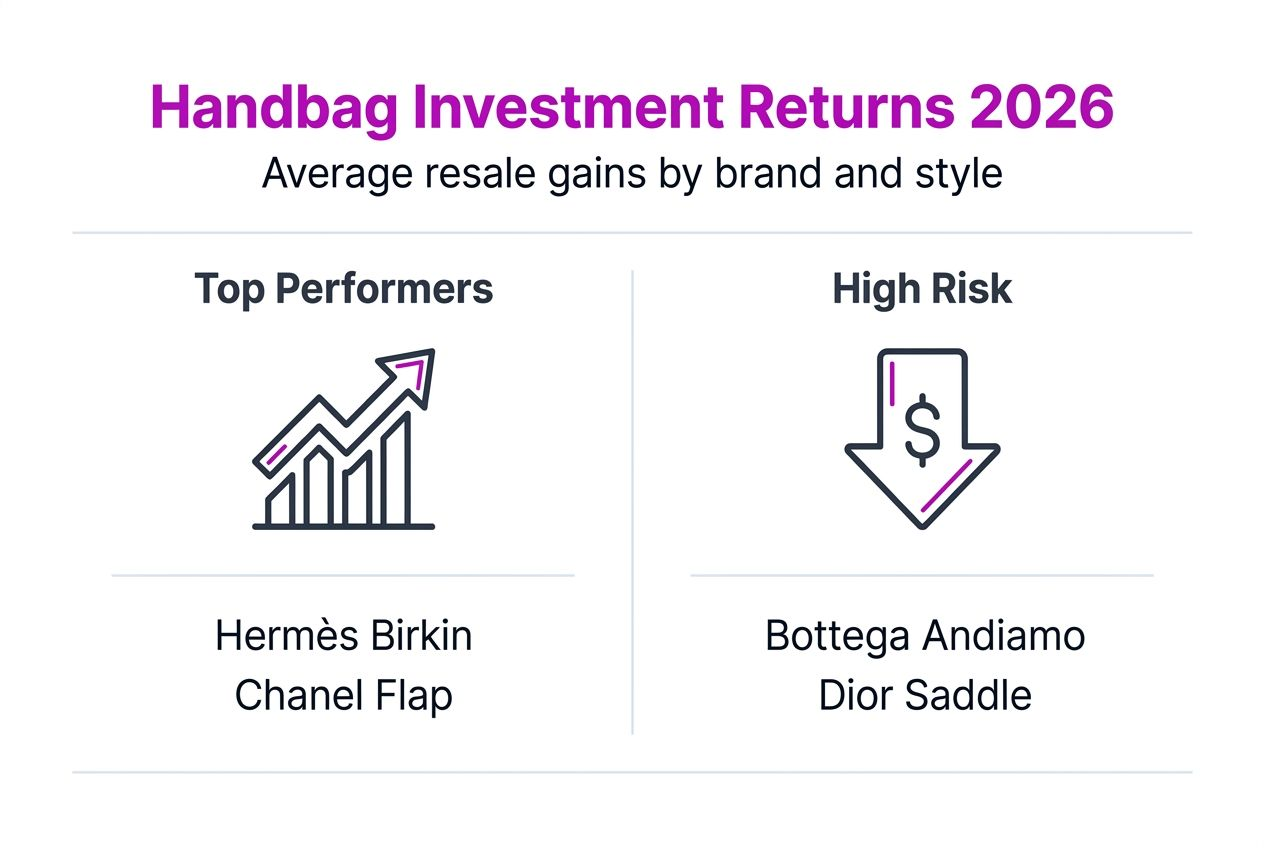
Chanel Classic Flap resale averages 135%, offering more accessible entry points while still delivering solid appreciation. The consistent demand from collectors provides reliable liquidity when you’re ready to sell.
Contemporary models introduce higher risk-reward profiles. Bottega Veneta Andiamo bags have shown over 300% short-term growth, but lack the decades of market history that make classics predictable. Allocate only a small portfolio percentage to these speculative plays.
| Brand & Model | Average Resale Return | Typical Holding Period | Risk Level |
|---|---|---|---|
| Hermès Birkin | 180-250% | 7-10 years | Low |
| Hermès Kelly | 160-220% | 6-9 years | Low |
| Chanel Classic Flap | 120-135% | 5-7 years | Low-Medium |
| Louis Vuitton Capucines | 110-125% | 4-6 years | Medium |
| Bottega Veneta Andiamo | 200-300% | 2-4 years | High |
Holding periods significantly impact returns. Selling after just 2-3 years often yields minimal gains after accounting for authentication costs, seller fees, and transaction expenses. The 5-10 year range allows full appreciation cycles to develop.
Variability exists even within successful brands. Limited editions and exotic leathers outperform standard models by 30-60%. Color choice affects both returns and time to sale. Neutral colors offer faster liquidity while rare colors may wait longer for the right buyer.
Market conditions influence outcomes. Economic downturns can temporarily depress luxury goods prices, though quality pieces recover. Brand decisions like price increases, discontinuations, or reissues create sudden value shifts.
Transaction costs reduce net returns. Authentication fees ($50-300), seller commissions (10-20%), and shipping/insurance (2-5%) must be factored into projections. These expenses make short-term flipping unprofitable for most pieces.
Our luxury handbag investment guide provides detailed ROI calculations for specific scenarios. The best investment handbags to buy ranks current opportunities by projected returns.
Tax implications vary by jurisdiction. Some regions treat handbag sales as capital gains while others consider them collectibles with different rates. Consult tax professionals to optimize after-tax returns.
Realistic investors understand handbags complement rather than replace traditional investments. They offer diversification, tangible enjoyment, and inflation hedging alongside growth potential. Treating them as a complete portfolio would be imprudent.
Explore premium designer handbags for investment at BVPRIVE
Now that you understand what drives handbag investment success, finding trusted sources for acquisition becomes essential.
BVPRIVE specializes in authenticated, investment-grade handbags from Hermès, Chanel, Louis Vuitton, and other elite brands. Every piece undergoes rigorous authentication and condition verification before listing. You gain access to rare, limited-edition bags that serious collectors seek, with complete provenance documentation that protects your investment.
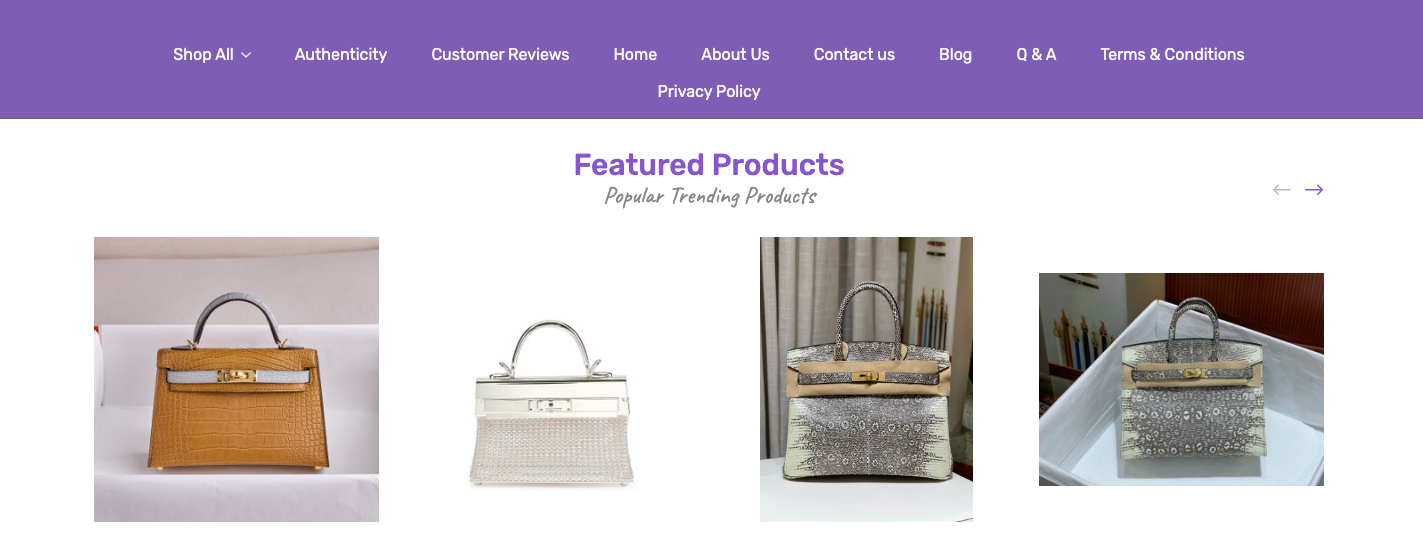
Our curated premium designer handbags collection focuses specifically on models with proven appreciation histories. Browse authenticated Birkins, Kelly bags, and Classic Flaps knowing each purchase meets investment-grade standards. Expert guidance helps navigate condition assessment, market timing, and portfolio strategy.
Beyond acquisition, BVPRIVE provides ongoing resources to protect your investments. Access detailed luxury handbag investment insights covering market trends and appreciation forecasts. Our handbag authentication guidance ensures you develop the expertise to evaluate future purchases confidently.
Whether building your first investment position or expanding an established collection, BVPRIVE’s combination of authenticated inventory, market expertise, and care resources supports your financial goals. Explore the collection and discover how tangible luxury assets can diversify your portfolio while providing immediate enjoyment.
FAQ
What are the most valuable designer handbags for investment?
Hermès Birkin and Kelly bags lead investment rankings, particularly in exotic leathers like crocodile or ostrich. Chanel Classic Flap bags offer strong appreciation with more accessible pricing. Louis Vuitton Capucines and archival pieces from collaborations also perform well. Limited editions and archival classics consistently outperform trendy, non-archival styles across all brands.
How can I ensure a handbag is authentic before investing?
Engage professional authentication services that examine stitching patterns, hardware finishes, date stamps, and material quality against brand specifications. Always verify complete provenance documentation including original receipts and authenticity cards. Purchase exclusively from trusted, verified sellers or official boutiques with guaranteed authentication policies. Never skip this step regardless of seller reputation.
What is the typical holding period to see returns on handbag investments?
Optimal holding periods generally range from 5 to 10 years for archival classics like Hermès and Chanel pieces. Longer holding times typically generate stronger appreciation as scarcity increases and brand prices rise. Contemporary bags may show faster initial growth but lack long-term data. Selling before 5 years often results in minimal gains after transaction costs and fees.
Can contemporary handbags like Bottega Veneta Andiamo yield strong returns?
Yes, some contemporary designs have shown rapid growth exceeding 300% over short periods. However, they carry significantly higher risk due to limited historical performance data. Trends can reverse quickly without the established collector base supporting archival classics. Allocate only a small percentage of your portfolio to contemporary pieces while maintaining core holdings in proven performers.
What are best practices to maintain handbag value over time?
Store bags in humidity-controlled environments between 40-50% using original dust bags and acid-free tissue stuffing. Schedule professional leather cleaning every 12-18 months to prevent oil and dirt accumulation. Handle bags with clean, dry hands and rotate usage across your collection. Avoid direct sunlight, temperature extremes, and hanging storage that stresses handles. Regular inspections catch minor issues before they become irreversible damage.
Recommended
- Luxury Handbag Investment Guide 2026: Maximize Your Returns - BVPRIVE
- 7 Must-Have Luxury Bags 2026 for Savvy Collectors - BVPRIVE
- 7 Benefits of Investing in Designer Bags for Collectors - BVPRIVE
- Role of Trends in Designer Bags – Impact on Investment Value - BVPRIVE
#HandbagInvestment #LuxuryAssets #PassionAssets #AlternativeInvestments #HermesResale #ChanelInvestment #FashionArbitrage #LuxuryMarket2026 #WealthPreservation
#BVPRIVE #Kelly25 #BirkinInvestment #LimitedEditionHandbags #HermesCollector #ChanelVintage #LuxuryPortfolio #RareHandbags #HauteMaroquinerie
#ResaleEconomy #LuxuryGrowth #DesignerBagGuide #SmartLuxury #FashionFinance #LuxuryHandbagMarket #InvestmentTrends2026 #HeritageLuxury