


Designer Handbag Buying Guide for Luxury Collectors
BVPRIVE Editorial Team on 26th Jan 2026
Designer Handbag Buying Guide for Luxury Collectors
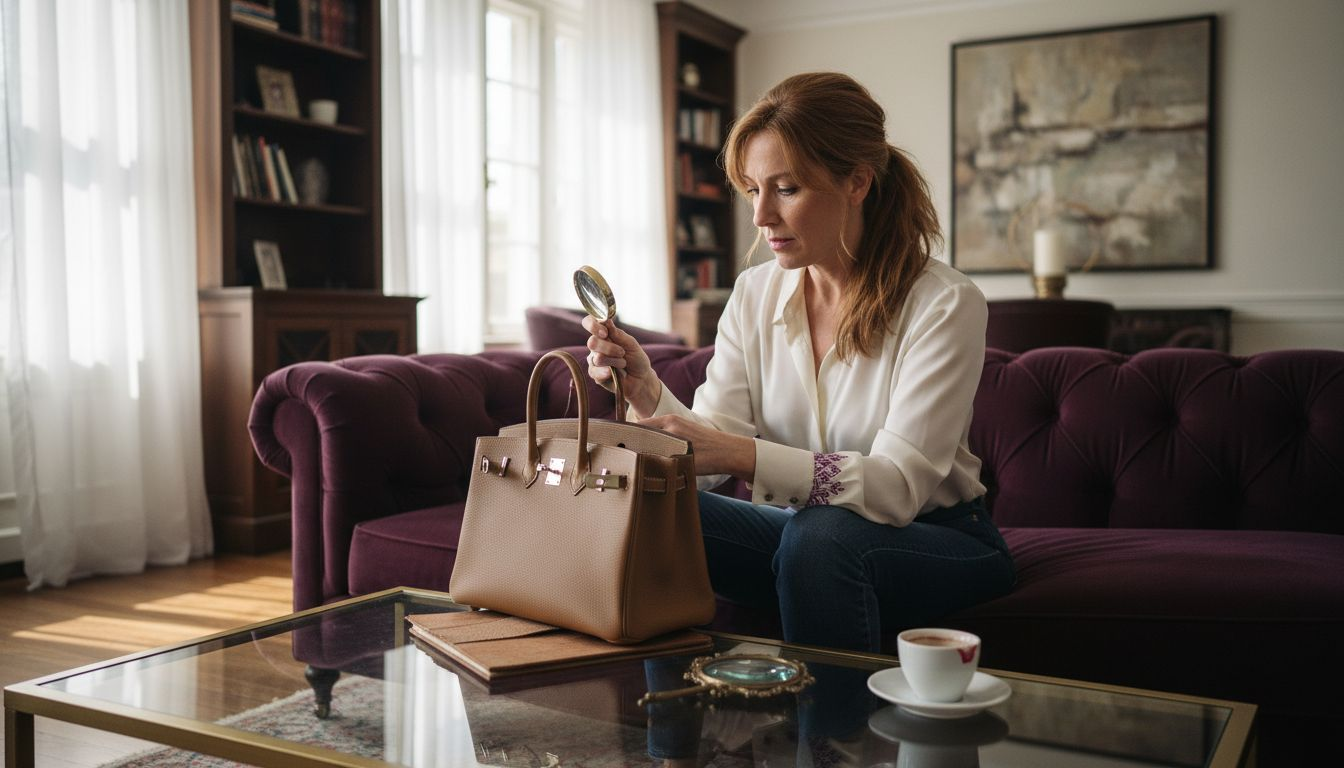
Every serious collector knows the thrill of finding a designer handbag that feels truly personal. Choosing the right piece goes far beyond chasing logos—it requires a thoughtful balance of budget, lifestyle, and a keen eye for authenticity. Whether you seek the timeless elegance of Chanel or the exclusivity found in Hermès, understanding your own preferences is the starting point for building a collection that reflects your luxury ambitions. Gain expert insights on the bold concept of defining preferences to shape every purchase with confidence.
Table of Contents
Quick Summary
| Key Point | Explanation |
| 1. Define your handbag preferences first | Assess your budget, style, and needs to avoid impulsive purchases and create a focused collection. |
| 2. Research rarity and exclusivity | Understand which bags hold their value and identify where to find them to make informed purchasing decisions. |
| 3. Evaluate sellers for credibility | Always verify the reliability of platforms and sellers to minimize the risk of acquiring counterfeit items. |
| 4. Authenticate bags prior to purchase | Familiarize yourself with brand-specific details to verify authenticity and avoid counterfeit products. |
| 5. Complete transactions with documented proofs | Ensure all purchase details, including paperwork and condition reports, are clearly established before finalizing your transaction. |
Step 1: Define your designer handbag preferences
Defining your designer handbag preferences is the foundation of building a collection that truly reflects your lifestyle and investment goals. This step transforms your general interest in luxury handbags into a clear, actionable vision that guides every purchase decision. When you understand what you actually need and want, you avoid impulse buying and instead curate pieces that bring lasting satisfaction.
Start by establishing your financial comfort zone. This isn’t about finding the cheapest option, but rather determining how much you can realistically invest in handbags without compromising your overall financial security. Consider what percentage of your discretionary income you’re willing to allocate toward luxury accessories over the next year. Once you’ve set that budget, you can explore which brands and styles fit within your range. Next, think about your lifestyle and how the bag will function in your daily life. Are you looking for an everyday companion that goes from the office to dinner, or a statement piece reserved for special occasions? A bag you’ll carry five days a week requires different durability and practical features than a collector’s item you’ll display and cherish. Understanding your designer handbag use cases helps you identify which styles deserve a permanent place in your collection versus which represent single-purpose purchases.
Now examine the difference between classic and trendy designs. Classic styles from houses like Hermès, Chanel, and Louis Vuitton remain relevant across decades, making them solid investments that appreciate or maintain value. Trendy designs offer immediate style impact but may feel dated within a few seasons. Most collectors benefit from a balanced approach, anchoring their collection with timeless pieces while selectively adding contemporary styles that genuinely excite them. Consider whether you’re drawn to minimalist elegance, bold statement pieces, or intricate craftsmanship details. Your personal aesthetic matters tremendously because you’ll be living with these bags regularly. Research the brands that align with your taste by studying their heritage, signature styles, and how collectors perceive them. Pay attention to material preferences too—whether you favor supple leather, exotic skins, or canvas blends affects both your budget and long-term satisfaction.
Finally, decide whether your collection strategy includes pre-loved pieces or focuses on new acquisitions. Pre-loved designer handbags often offer better value and instant investment potential, especially for rare models that are no longer produced. New bags guarantee pristine condition and full warranties, which some collectors prefer. Both approaches have merit depending on whether you prioritize exclusivity and rarity or pristine provenance and guaranteed authenticity. Your answers to these questions create a personal framework that makes every subsequent decision clearer and more confident.
Here’s a quick comparison of classic versus trendy designer handbags for collectors:
| Feature | Classic Handbags | Trendy Handbags |
| Value Retention | Usually maintain or increase | Often lose value over time |
| Long-Term Appeal | Remain stylish for decades | May feel outdated after few seasons |
| Investment Potential | Strong option for investments | Limited investment upside |
| Ideal Use | Everyday wear, heirlooms | Short-term fashion statements |
| Sourcing Difficulty | Widely available from top brands | Limited runs or seasonal releases |
Pro tip: Write down your top three non-negotiable features (such as leather type, color, or function) and your maximum price point for your first purchase, then use this checklist to evaluate every potential acquisition before buying.
Step 2: Research rare and exclusive handbag models
Researching rare and exclusive handbag models transforms you from a casual buyer into an informed collector who understands the landscape of luxury opportunities. This step involves learning which bags hold their value, which designs are genuinely scarce, and where to find them. By investing time in research now, you’ll recognize exceptional pieces when they appear and avoid overpaying for items that aren’t truly rare.
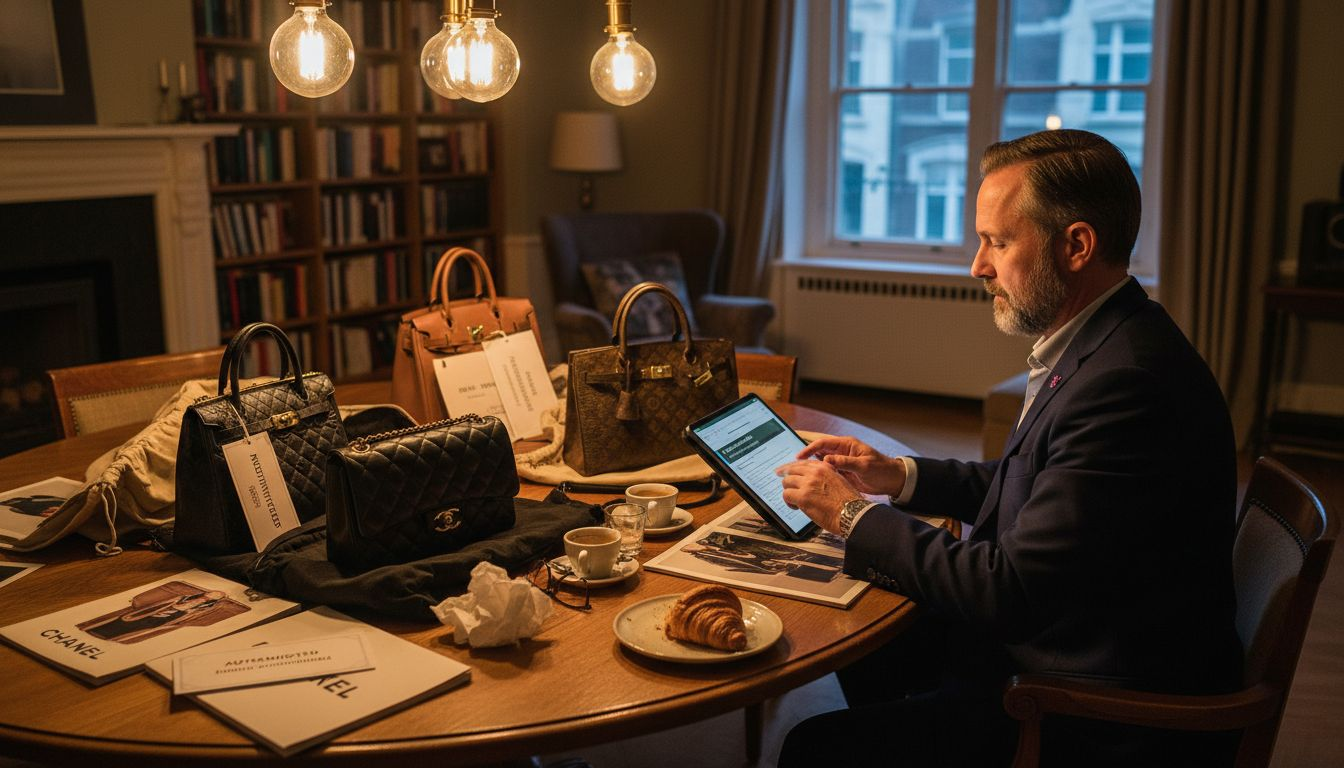
Start by understanding the difference between natural rarity and perceived exclusivity. Natural rarity comes from limited production runs, discontinued models, or bags made in small quantities by boutique houses. The Hermès Birkin in exotic leathers represents natural rarity because the house produces a finite number annually. Perceived exclusivity, by contrast, refers to brand prestige and accessibility restrictions. Some bags feel exclusive simply because obtaining them requires significant financial investment or exclusive access to certain boutiques. Research how rarity and exclusivity influence luxury value to understand which models command premium prices and why collectors eagerly pursue them. Pay attention to production years, material variations, and colorway availability. A Chanel 2.55 in a discontinued shade or made during a specific era may be worth considerably more than current production versions. Online luxury communities, auction house reports, and collector forums reveal which pieces consistently appreciate and which remain stagnant in value.
Next, track where rare models appear and monitor their price trajectories. Auction houses like Christie’s and Sotheby’s publish detailed sales records showing what collectors paid for specific pieces, giving you real market data rather than estimates. Follow reputable resale platforms and specialty retailers to understand inventory depth for your target models. Some bags appear frequently on the market because they were made in volume, while others surface only once every few years. Bags that rarely come to market typically command higher premiums. Document specific details about your most desired pieces including the production season, leather type, hardware variations, and condition expectations. Create a wishlist tracking five to ten models you genuinely love rather than chasing trends. This focused approach helps you act decisively when a target piece appears for sale rather than getting overwhelmed by endless options.
Finally, connect with other collectors and experts in your chosen niche. Instagram communities dedicated to specific brands, collector forums, and personal shopping consultants offer insider knowledge about upcoming releases, discontinued models reentering the market, and fair pricing. Many seasoned collectors share their expertise generously because they enjoy helping others build meaningful collections. These relationships also create opportunities to learn about pieces before they reach broader markets. Your research phase prepares you to move forward with confidence because you’ll recognize quality, understand value, and know exactly what you’re seeking.
Pro tip: Set up alerts on resale sites for your target models and models with specific material or color combinations, then track prices monthly to understand seasonal patterns and identify when you’re getting genuine value versus paying inflated prices.
Step 3: Evaluate sellers and platform authenticity
Evaluating sellers and platform authenticity is the critical gatekeeping step that protects your investment and ensures you’re acquiring genuine pieces. This step involves assessing both the marketplace infrastructure and the individual seller’s credibility, credentials, and track record. A reputable seller on a trustworthy platform dramatically reduces your risk of acquiring counterfeit goods and provides recourse if something goes wrong.
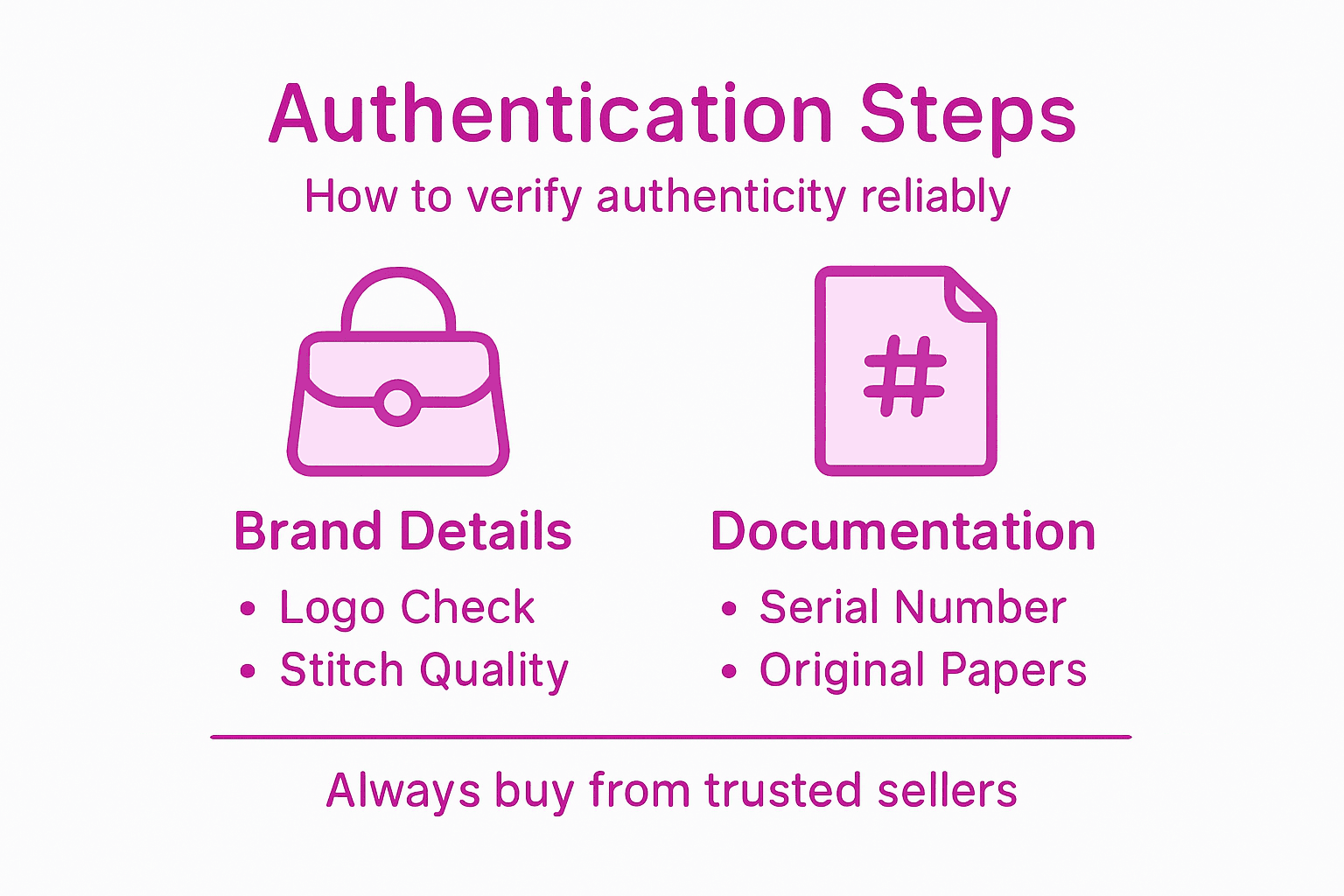
Begin by examining the platform itself and what authentication measures it provides. Established luxury resale platforms invest heavily in verification systems because their reputation depends on it. Look for platforms that employ dedicated authentication experts, provide detailed condition reports, and offer buyer protection guarantees. Many platforms now include seller responsibility mechanisms and transparency standards that protect consumers by requiring verified ownership history and provenance documentation. Check whether the platform offers return policies, authentication guarantees, and dispute resolution processes. Avoid marketplaces that lack clear authentication protocols or don’t provide documentation about how items are verified. The best platforms will show you certificates of authenticity, detailed photography from multiple angles, and information about the item’s condition, age, and any repairs or restoration work.
Next, investigate the individual seller’s reputation and credentials. Look for sellers who specialize in luxury handbags rather than those selling diverse product categories. Specialized dealers typically have deeper knowledge and stronger reputations to protect. Check their seller ratings, customer reviews, and how long they’ve been operating. Read reviews carefully, paying attention to comments about authenticity, condition accuracy, and customer service responsiveness. Legitimate luxury retailers often provide their business credentials, professional affiliations, or expert certifications. Ask questions directly if anything seems unclear. Reputable sellers welcome inquiries and provide detailed answers about a bag’s provenance, manufacturing details, and any imperfections. They’re transparent about flaws rather than hiding them in poor photography. If a seller becomes defensive or evasive when you ask reasonable authentication questions, that’s a red flag. Consider the seller’s communication style and willingness to provide additional information before you buy.
Finally, verify authenticity measures specific to the item you’re purchasing. Ask whether the bag comes with original packaging, authenticity cards, or serial numbers. Request close-up photos of interior logos, stitching patterns, and hardware details that distinguish genuine pieces from counterfeits. Understanding authentication methods and technology solutions like blockchain tracking helps you appreciate what legitimate verification involves. Compare the seller’s photos to authentic examples from official brand websites or collector communities. Request a condition assessment and damage documentation so you know exactly what you’re receiving. Trust your instincts. If something feels off about the seller, the platform, or the item’s presentation, move forward cautiously or find another option.
Step 4: Authenticate your chosen designer handbag
Authenticating your chosen designer handbag is the final verification step that confirms your purchase is a genuine piece worthy of your investment. This step transforms you from a buyer into a knowledgeable collector who can confidently evaluate the authenticity markers that distinguish genuine luxury from sophisticated counterfeits. Taking time to authenticate before completing your purchase provides peace of mind and protects your financial commitment.
Begin by establishing brand-specific authentication standards for your target bag. Each major house has distinct characteristics that counterfeiters struggle to replicate consistently. Research the exact specifications for your chosen model by studying official brand documentation, collector guides, and authentication resources. Learn what the genuine version should look, feel, and smell like. Examine the systematic authentication methods including material inspection and hardware verification that experts use to validate designer pieces. Pay close attention to the interior stamping, logo placement, and font characteristics. A Hermès Birkin should have crisp, evenly spaced interior stamps with specific letter spacing that counterfeiters frequently get wrong. The leather should feel buttery and supple, not plastic or overly stiff. Chanel bags display precise stitching patterns with exact stitch counts per inch that vary by model and production era. Authentic bags never have spelling errors in logos or asymmetrical branding.
Next, inspect the hardware and construction details with a magnifying glass if needed. Examine the zippers, clasps, and metal components to ensure they function smoothly and show appropriate patina or finish for the bag’s age. Authentic luxury hardware feels substantial and weighted, while counterfeit versions often use cheaper metal that feels hollow or thin. Count the stitches carefully on accessible areas and verify they match authentication guides for your specific model. Check the interior pockets, card slots, and structural elements for quality finishing and appropriate materials. Look for uneven stitching, loose threads, or poorly glued components that indicate lower craftsmanship. The serial number should be legible, properly formatted, and match records for your bag’s production year. Request documentation including the original sales receipt, authenticity cards, or certificates. Ask the seller whether they can provide proof of original purchase or chain of custody documentation. If the seller cannot produce reasonable documentation for a high-value piece, that’s concerning.
Finally, trust your accumulated knowledge and instincts. You’ve researched the brand, studied authentic examples, and evaluated the seller. If something feels slightly off about any detail, investigate further before committing. Many collectors photograph their purchase immediately upon receipt and compare it directly to reference photos from official sources. Request a return period even from reputable sellers, giving yourself time to conduct your own thorough authentication after the item arrives. Your careful attention to authentication details ensures every piece in your collection represents genuine craftsmanship and authentic luxury.
Pro tip: Create a personal authentication checklist specific to your target bag model with 10-15 key verification points, then photograph each area of any prospective purchase against this checklist before finalizing your purchase decision.
Here’s a summary of key authentication steps for designer handbags:
| Authentication Step | Why It’s Important | How To Check |
| Brand-Specific Standards | Spot subtle counterfeit differences | Review official guides and websites |
| Hardware and Stitching | Reveals craftsmanship and fakes | Inspect with a magnifier for details |
| Serial Numbers/Documents | Confirms provenance and history | Match to brand records, verify cards |
| Seller Transparency | Ensures honest, secure purchases | Ask questions and review credentials |
Step 5: Complete your luxury handbag purchase
Completing your luxury handbag purchase marks the transition from research and evaluation to ownership of a piece you’ll treasure for years. This final step involves executing the transaction with confidence, securing proper documentation, and ensuring your investment arrives safely. Moving deliberately through this process protects your financial commitment and establishes the provenance record that enhances your bag’s future value.
Before finalizing payment, confirm all purchase details and protections one final time. Verify the total price including any applicable taxes, shipping fees, and insurance charges so you understand your complete financial obligation. Confirm the seller’s return and warranty policies in writing. Ask specifically about authenticity guarantees and resale value considerations that reputable retailers offer their customers. Ensure the seller provides an authenticity certificate or documentation that verifies the bag’s genuineness, which becomes essential if you ever decide to resell or consign the piece. Request detailed condition photos be taken by the seller and provided to you before shipment, creating a baseline record of the bag’s state when it leaves their hands. If the bag includes original packaging, boxes, authenticity cards, or dust covers, verify these are included in your purchase. Clarify whether the seller provides insurance during shipping and what happens if the item arrives damaged. Reputable luxury retailers typically offer insured shipping as standard and maintain clear policies for damage claims.
Once you’ve confirmed all terms, complete the payment through secure channels that protect your financial information and provide buyer protection. Use secured and established payment platforms that offer dispute resolution if problems arise. After payment processes, request a detailed receipt showing the item description, purchase price, seller name, and sale date. Save all communication with the seller including emails, order confirmations, and shipping tracking information. When your package arrives, inspect it immediately in a clean, dry space before opening. Take photographs of the unopened packaging and the bag as you unbox it, documenting the condition upon receipt. This photographic record protects you if any disputes arise later. Compare the received bag against the seller’s description and your authentication checklist to ensure everything matches expectations. If the bag differs from the description or fails your authentication review, contact the seller promptly to discuss return options or remedies.
Finally, invest in proper storage and care for your new acquisition. Store your bag in a cool, dry place away from direct sunlight, using a dust cover or pillowcase to protect it from dust and scratches. Consider professional leather conditioning if needed, and establish a relationship with a leather specialist for future maintenance. Create a personal record documenting your purchase including the date, price paid, seller information, and any certificates of authenticity. This documentation increases your bag’s value and helps you track your collection’s growth over time. Many collectors photograph each new acquisition from multiple angles and maintain detailed spreadsheets of their collections for insurance purposes and personal reference.
Pro tip: Request a detailed condition report from the seller before payment and require they photograph the serial number, interior stamps, and any imperfections alongside measurement confirmation, creating an undisputable record of exactly what you purchased.
Elevate Your Luxury Handbag Collection with Confidence
Building a collection of authentic, rare designer handbags is a journey filled with excitement and careful choices. After learning how to define your preferences, research exclusive models, and authenticate every purchase, the next crucial challenge is finding a trusted source that guarantees authenticity and exclusive access to coveted pieces. At Bvprive, we understand the importance of investing in timeless classics like the Hermès Birkin, Chanel 2.55, and Louis Vuitton limited editions. We specialize in providing verified, rare, and exotic luxury handbags so you can shop confidently with complete peace of mind.
Discover a curated selection that reflects your personal style and collector’s goals with our VIP personal shopping services and worldwide tax-free delivery. Don’t wait to own a piece that holds its value while showcasing impeccable craftsmanship. Visit Bvprive.com today to explore an exclusive range of authentic designer handbags and step into the world of luxury collecting with trusted expertise. Start building your dream collection now.
Frequently Asked Questions
How do I determine my budget for a designer handbag collection?
To determine your budget, assess how much of your discretionary income you can allocate towards luxury handbags without impacting your financial security. A practical rule is to designate a set percentage of your income for accessories over the next year, allowing you to make informed purchases within that range.
What factors should I consider when choosing between classic and trendy handbags?
When choosing between classic and trendy handbags, evaluate your investment goals and personal style. Classic handbags typically retain or appreciate in value and remain stylish over decades, while trendy bags may offer immediate appeal but can lose their charm quickly. Aim to balance your collection with timeless pieces and a few trendy styles that truly resonate with you.
How can I research rare handbag models effectively?
To research rare handbag models, start by understanding the differences between natural rarity and perceived exclusivity. Track auction results and online discussions to discover which bags hold their value, and create a wishlist of 5 to 10 specific models you genuinely love to keep your focus on meaningful acquisitions.
What should I look for when evaluating the authenticity of a handbag?
When evaluating authenticity, examine brand-specific standards including logo placement, stitching patterns, and hardware quality. Review documentation such as authenticity cards and ask for detailed photos of key features before purchasing to ensure you are well-informed about the bag’s legitimacy.
What steps should I take before finalizing my handbag purchase?
Before finalizing your purchase, confirm the total price along with any return and warranty policies in writing. Additionally, request documentation verifying the bag’s authenticity, and maintain a record of all communications with the seller to protect your investment.
How can I properly care for my designer handbag after purchasing it?
To properly care for your designer handbag, store it in a cool, dry place away from direct sunlight and use a dust cover for protection. Additionally, consider investing in professional leather conditioning and establishing a relationship with a leather specialist for future maintenance to keep it in excellent condition.