


Designer bag authentication checklist: expert steps for collectors
BVPRIVE Editorial Team on 30th Mar 2026
Designer bag authentication checklist: expert steps for collectors
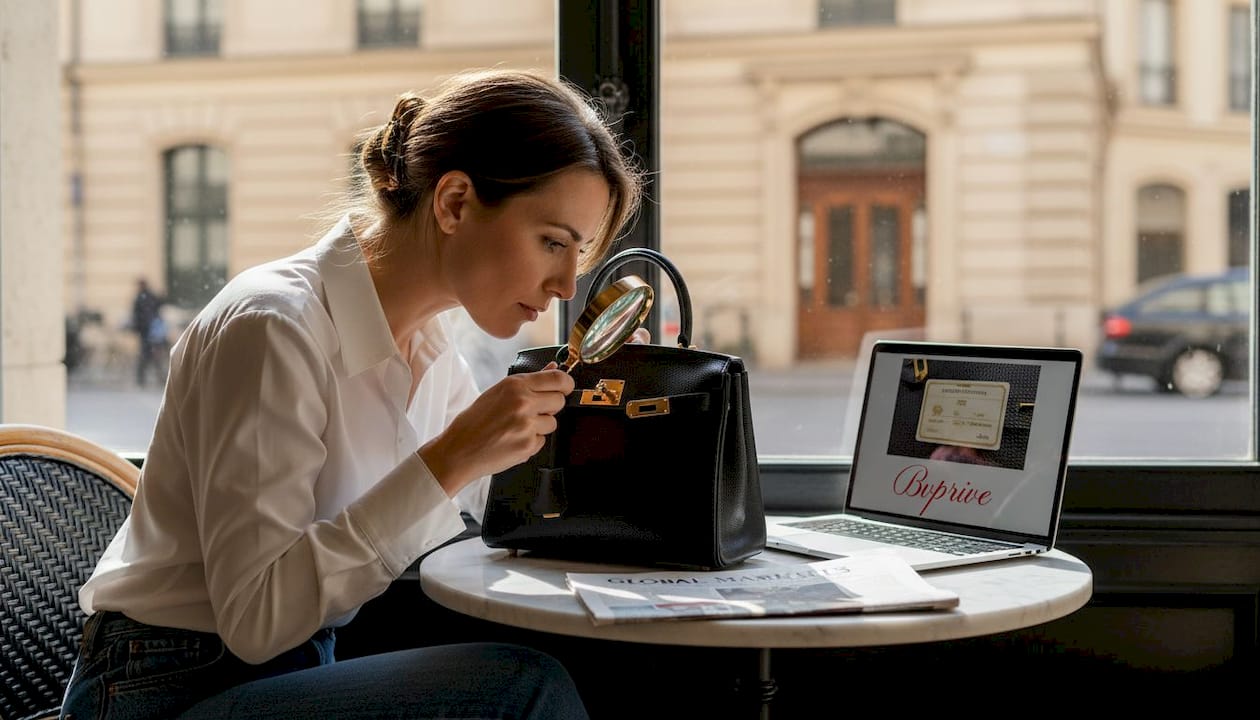
Acquiring a rare Hermès Birkin or a vintage Chanel 2.55 is one of the most rewarding decisions a serious collector can make. Yet the counterfeit market has grown so sophisticated that even experienced buyers have been deceived. Birkin bags outperform the S&P 500 as long-term investments, which means the stakes of buying a fake extend far beyond personal disappointment. This professional authentication checklist gives you the structured, expert-level framework needed to protect every acquisition and preserve the integrity of your collection.
Table of Contents
- Why authentication matters for luxury collectors
- The ultimate designer bag authentication checklist
- Checklist explained: What to look for in detail
- Edge cases: Rare, vintage, and online authentications
- Human vs AI authentication: What experts really use
- What to do if you’re unsure: Advanced tips for securing authenticity
- Ready to buy or resell with absolute confidence?
- Frequently asked questions
Key Takeaways
| Point | Details |
|---|---|
| Check every detail | Serial numbers, stitching, logos, hardware, and smell offer key authenticity signals. |
| Use both expert and AI checks | Combine manual and AI authentication for the highest reliability, especially for big transactions. |
| Trust but always verify vintage | Rely on era-correct resources for vintage pieces as serials and finishes can differ widely over time. |
| Documentation isn’t enough | Packaging and paperwork are commonly faked, so always check the bag’s construction itself. |
| Seek professional help when unsure | Professional authenticators and services are the safest path for high-value or uncertain purchases. |
Why authentication matters for luxury collectors
Luxury handbags are no longer just fashion accessories. They are tangible assets that hold and grow value over time. For collectors who treat their acquisitions as part of a broader portfolio, the financial implications of owning a counterfeit piece are serious. Birkins outperform the S&P as investments, making authentication a financial necessity, not just a personal preference.
The scale of the problem is striking. Platforms reject 10% of all luxury listings because of suspected fakes, which signals just how pervasive counterfeiting has become. For collectors, this means that even reputable secondary markets carry risk. Reviewing investment tips for collectors can help you understand how authentication fits into a broader acquisition strategy.
“An authentic luxury bag does not simply hold monetary value. It carries the story of the artisans who crafted it, the heritage of the house that designed it, and the legacy of every owner who carried it before you.”
Forgeries do not just cost money. They erode trust in the market and diminish the emotional satisfaction that comes with owning a genuine piece. Understanding the signs of genuine designer handbags is the first line of defense for any serious collector.
The ultimate designer bag authentication checklist
Professional authenticators follow a structured process. Each step targets a different vulnerability that counterfeiters exploit. Stitching is often the first check experts perform because it reveals the quality of production in ways that are difficult to replicate at scale.
Here is the core authentication checklist used by professionals:
- Serial numbers and date codes — Verify format, placement, and font against brand-specific guides.
- Stitching quality and symmetry — Count stitches per inch, check tension, and look for consistent color.
- Logo fonts and stamps — Examine spacing, depth, and alignment on all branded elements.
- Materials and hardware — Assess leather texture, smell, and the weight and finish of all metal components.
- Interior lining and craftsmanship — Inspect seams, pockets, and the quality of interior materials.
- Original packaging and documentation — Review dust bags, boxes, authenticity cards, and receipts.
- Professional service confirmation — Submit to a certified authenticator or trusted platform for final verification.
Each step in this process is designed to expose a different layer of counterfeiting. Fakes often pass one or two checks but rarely survive all seven. For a deeper breakdown, the detailed authentication guide walks through each step with brand-specific examples.
Pro Tip: Always photograph every element of a bag before purchasing, including the stitching under magnification, the hardware engravings, and the interior label. These photos become your evidence if authenticity is ever questioned later.
The importance of craftsmanship cannot be overstated. Authentic luxury bags are built to exacting standards that counterfeiters simply cannot match at a commercial scale.
Checklist explained: What to look for in detail
With the checklist in hand, the next step is knowing precisely what authentic looks like versus what signals a fake. The differences are often subtle but consistent.
Hardware must feel weighty and solid. Engravings should be sharp and clear, particularly on Louis Vuitton pieces where the brand name appears on clasps and zippers. Fake hardware often feels hollow, tarnishes quickly, or shows uneven engraving depth.
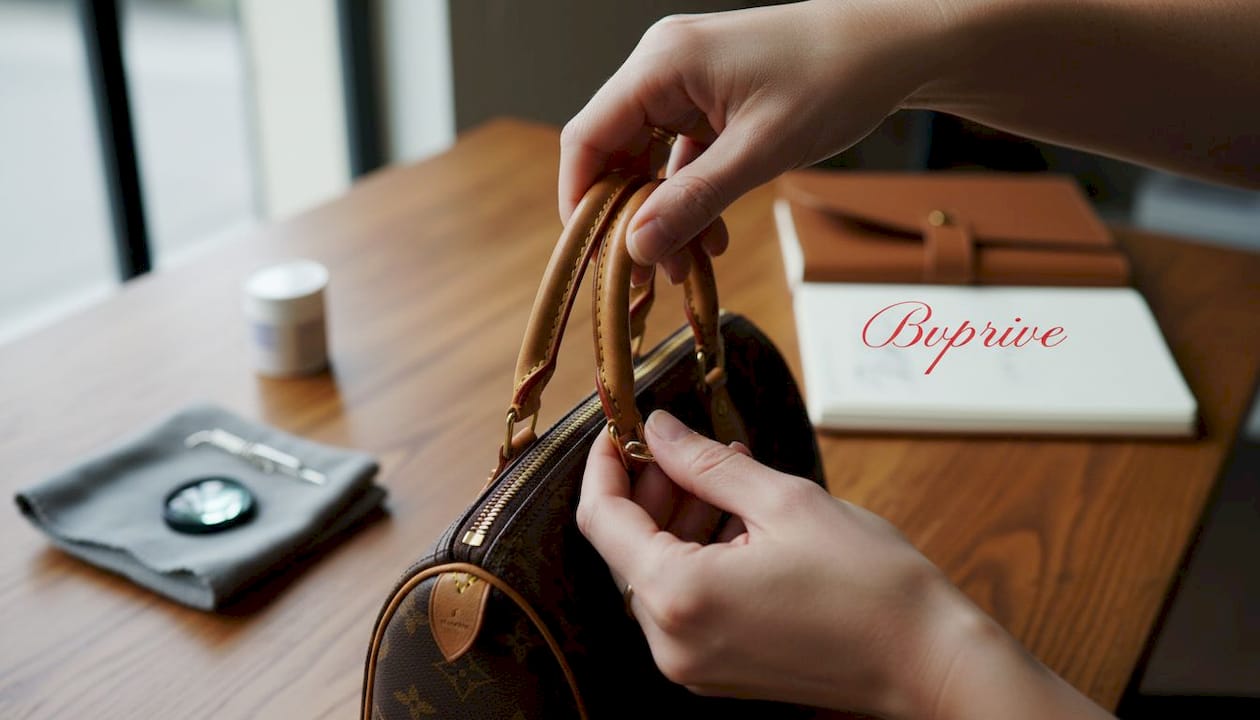
Leather and materials tell their own story. Genuine leather has a distinct earthy smell, develops a natural patina with age, and never feels plastic or synthetic. Run your fingers across the surface. Authentic leather has a subtle grain variation that synthetic materials cannot replicate.
Here is a quick comparison of authentic versus counterfeit indicators across major brands:
| Feature | Authentic | Counterfeit |
|---|---|---|
| Stitching | Even, tight, consistent color | Loose, uneven, or mismatched thread |
| Hardware | Heavy, sharp engravings | Light, blurry, or tarnished |
| Logo font | Precise spacing, correct weight | Slightly off spacing or thickness |
| Leather smell | Earthy, natural | Chemical or plastic-like |
| Serial code | Brand-correct format and placement | Wrong format, smudged, or missing |
For brand-specific guidance, reviewing genuine Hermès bag features provides detailed insight into what makes an authentic Birkin or Kelly unmistakable. The signs of genuine designer handbags resource covers Chanel and Louis Vuitton in equal depth.
Pro Tip: For Chanel bags, always verify the authenticity card font and hologram sticker. The font on counterfeit cards is frequently slightly bolder or more condensed than the original.
Interior craftsmanship is often overlooked but reveals a great deal. Authentic bags feature clean seams, precisely aligned pockets, and lining materials that match the exterior quality. Reviewing quality craftsmanship standards helps collectors understand what to expect inside a genuine piece.
Edge cases: Rare, vintage, and online authentications
Knowing the standard checklist is not always enough. Vintage pieces, rare limited editions, and online purchases each introduce additional complexity that requires a more nuanced approach.
Vintage bags can have era-specific serial formats and materials that differ significantly from current production. A 1990s Louis Vuitton date code follows a different format than a 2010s piece. Applying modern authentication standards to a vintage bag without accounting for these differences leads to false conclusions.
Online purchases carry their own risks. Without physical access to the bag, you must rely entirely on photographs and documentation. Here is what to request from any online seller:
- High-resolution photos of all hardware engravings
- Close-up images of stitching on handles and seams
- Clear shots of serial numbers, date codes, and authenticity cards
- Photos of the interior lining and all pockets
- Images of original packaging, dust bag, and receipt
Grammatical errors on tags, misaligned logos on packaging, and inconsistent font weights on authenticity cards are common red flags in online transactions. Exploring rare designer bags and consulting the designer handbag buying guide provides additional context for navigating these higher-risk scenarios.
| Scenario | Key risk | Recommended action |
|---|---|---|
| Vintage bag | Era-incorrect serial format | Consult brand history resources |
| Online purchase | Unverifiable physical details | Request 20+ detailed photos |
| Rare limited edition | Forged documentation | Seek certified expert review |
| International seller | Customs paperwork inconsistencies | Verify provenance independently |
Human vs AI authentication: What experts really use
Sometimes the human eye is not fast enough, and sometimes it is not precise enough. Leading authentication platforms have responded by combining manual expert review with AI-assisted analysis.
Manual checks catch most fakes but professionals increasingly use AI tools for scale and consistency. Human experts remain superior for nuanced cases involving vintage pieces, exotic leathers, or rare limited editions where context and brand history matter as much as physical details.
Here is how the two approaches compare:
- Human experts: Best for rare, vintage, and high-value pieces. Bring contextual knowledge and tactile assessment.
- AI tools: Best for high-volume checks and consistency. Identify pattern deviations in stitching, fonts, and hardware at scale.
- Combined approach: The gold standard. AI flags anomalies; human experts make the final call.
“The most reliable authentication combines the precision of technology with the irreplaceable judgment of an expert who has held thousands of genuine pieces.”
For collectors building a serious portfolio, understanding the expert authentication guide helps clarify when to rely on each method. Resellers in particular benefit from reviewing the handbag resale workflow to integrate authentication into every transaction.
What to do if you’re unsure: Advanced tips for securing authenticity
Even after completing the full checklist, uncertainty can remain. This is especially true for first-time buyers of a particular brand or model. When doubt persists, the right move is always to pause before committing.
Here are the advanced steps to take when you need absolute certainty:
- Pause the transaction. Never let urgency override caution. Authentic sellers understand and respect due diligence.
- Request additional documentation. Ask for original purchase receipts, service records, or prior authentication certificates.
- Photograph everything. Document all tags, packaging, hardware, and stitching before and after purchase.
- Submit to a third-party service. Confirming with professional services is a standard step in any rigorous authentication process.
- Consult brand-specific communities. Collector forums and brand enthusiast groups often have members with deep expertise in specific models.
Pro Tip: For any acquisition above $5,000, treat professional authentication as a non-negotiable cost of purchase, not an optional extra. The fee is always a fraction of the risk you are mitigating.
Maintaining a thorough record of every purchase protects you in resale situations as well. The handbag care checklist also covers documentation practices that preserve both the physical condition and the provenance of your collection.
Ready to buy or resell with absolute confidence?
Now that you have a professional-grade checklist and the insider knowledge to apply it, the next step is finding a platform that matches your standards.
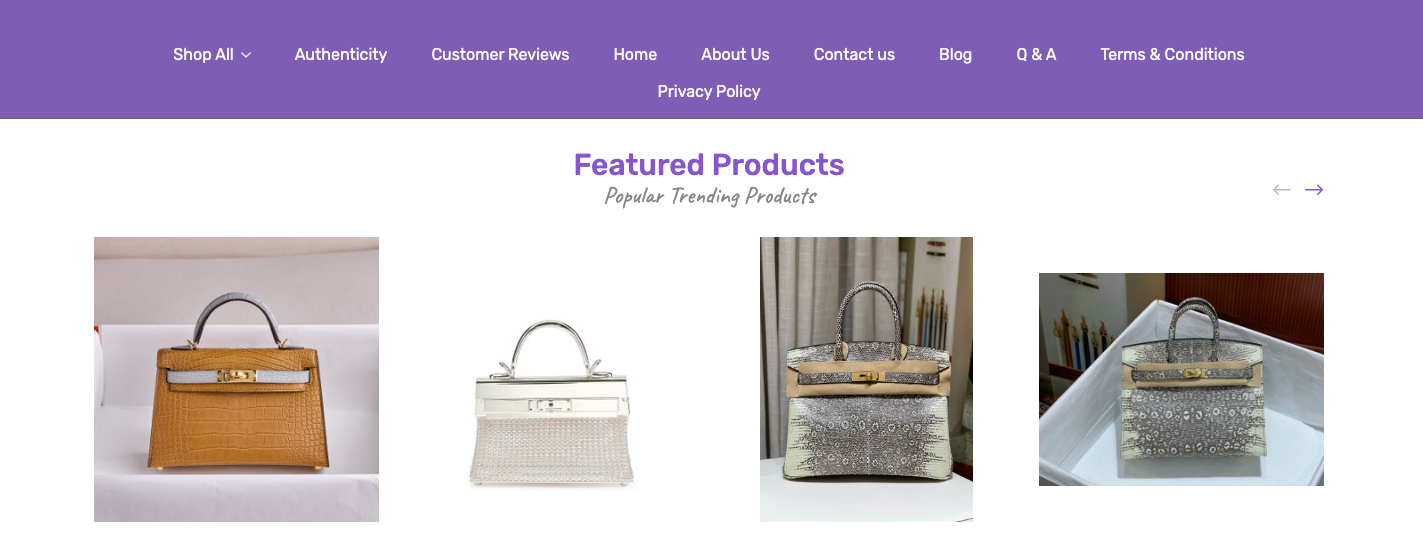
At BVPRIVE, every piece in our curated collection of authenticated luxury bags has been verified to the highest standards before it reaches you. Whether you are acquiring a rare Hermès Birkin, a limited-edition Chanel flap, or a sought-after Louis Vuitton piece, our team combines expert review with rigorous authentication protocols. Our step-by-step authentication guide is available to every buyer and seller on our platform. Shop or list with the confidence that comes from working with a team that treats authenticity as the foundation of every transaction.
Frequently asked questions
What is the most reliable sign of a genuine designer bag?
Stitching is the first check experts perform because it reveals production quality that counterfeiters consistently struggle to replicate at the required standard.
Can AI authentication alone guarantee a bag is real?
AI is highly effective for volume and consistency, but human experts outperform AI when it comes to rare, vintage, or contextually nuanced pieces that require deeper brand knowledge.
How can I authenticate a vintage designer bag?
Consult era-specific resources and seek expert review, since vintage bags have era-specific serial formats and materials that differ from current production standards.
Is original packaging a guarantee of authenticity?
No. Packaging is frequently replicated in high-quality fakes, so always verify multiple physical elements of the bag itself rather than relying on documentation alone.
Where can I get a professional authentication service?
Several trusted platforms offer AI plus human review combining both expert judgment and technology to deliver reliable authentication results for collectors and resellers alike.
Recommended
- How to Authenticate Luxury Bags: Step-by-Step Guide - BVPRIVE
- 6 Signs of Genuine Designer Handbags Every Collector Needs - BVPRIVE
- How to Spot Rare Designer Bags for Authentic Collectors - BVPRIVE
- How to spot fake designer bags: expert guide 2026 - BVPRIVE
- When Designer Bags Lose Their Shine | Longevity Is the New Luxury – Longevity Travel