


Collecting limited edition handbags: Value and prestige guide
BVPRIVE Editorial Team on 29th Mar 2026
Collecting limited edition handbags: Value and prestige guide
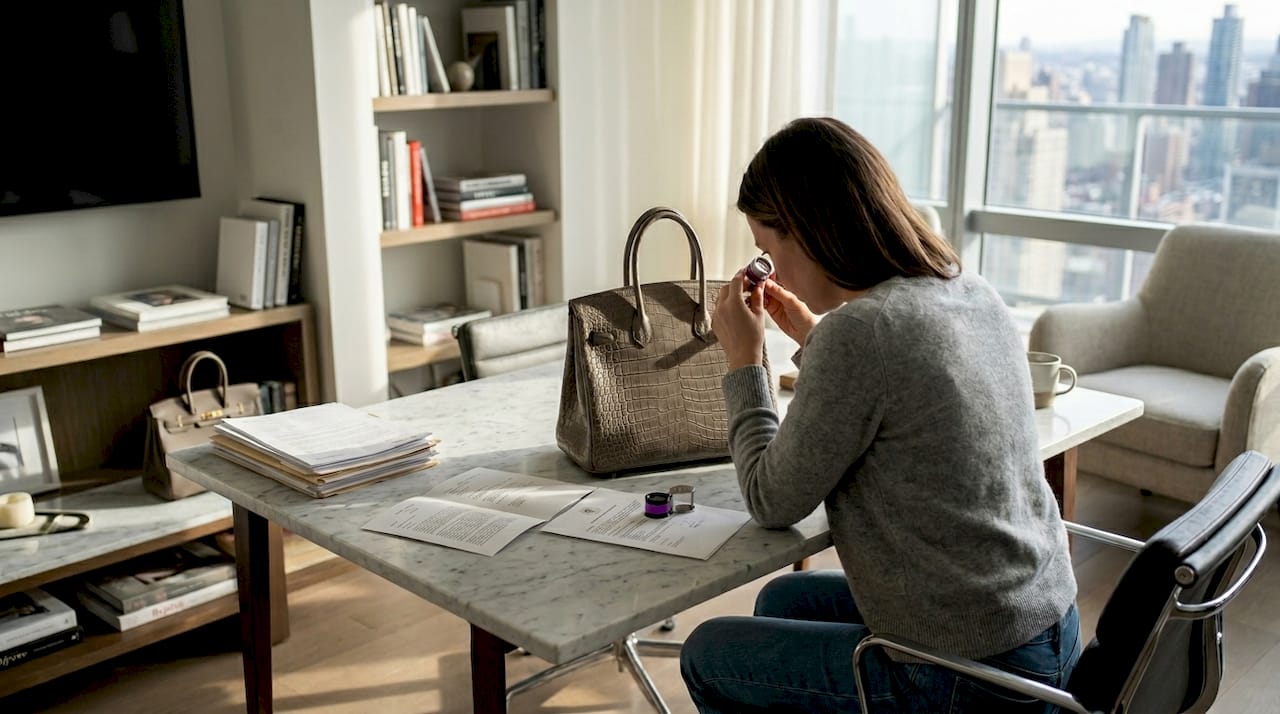
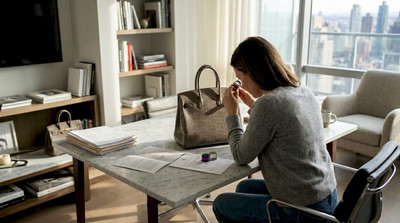
Few pursuits blend passion and financial strategy as elegantly as collecting limited edition luxury handbags. The stakes are real: Hermès Birkin and Kelly bags have delivered 14.2% annual appreciation, with resale prices ranging from $20,000 to over $400,000. Yet the path from admiring a rare piece to owning one that genuinely holds or grows in value is far more nuanced than simply buying what looks beautiful. This guide walks you through every critical stage, from understanding what makes a bag investment-grade, to acquiring, authenticating, and protecting your collection for the long term.
Table of Contents
- Understanding limited edition handbags: Value beyond exclusivity
- Preparing to collect: How to identify investment-grade bags
- Acquiring: Where and how to buy authentic limited edition handbags
- Authenticating and maintaining your collection
- Tracking performance and navigating risks
- Build your dream collection with expert support
- Frequently asked questions
Key Takeaways
| Point | Details |
|---|---|
| Focus on classics | Timeless Hermès Birkin and Kelly bags in neutral colors offer the strongest long-term appreciation. |
| Authenticate everything | Professional authentication and continuous documentation are essential to preserve and grow value. |
| Invest wisely | Bags should be a small part of your portfolio due to illiquidity and market volatility. |
| Condition is crucial | Proper storage and care make a significant difference in collectible and resale value. |
| Balance enjoyment and profit | Prioritize passion for the craft—financial returns often follow quality collecting. |
Understanding limited edition handbags: Value beyond exclusivity
Not every bag labeled “limited edition” is created equal. In the luxury sector, the term can describe anything from a seasonal color release to a meticulously crafted, numbered collaboration produced in fewer than 50 units worldwide. Understanding this distinction is the foundation of smart collecting.
True investment-grade limited editions share specific characteristics. They come from heritage houses with decades of proven craftsmanship, Hermès, Chanel, Louis Vuitton, Fendi, and Christian Dior being the most recognized. They use premium, durable materials such as Togo leather, Epsom leather, or exotic skins. And they carry provenance, meaning documented history, original receipts, and dust bags that tell a story of tradition and care.
Learn more about why limited edition bags matter for collectors who want both prestige and financial upside.
Here is what separates investment-grade pieces from seasonal hype:
- Brand heritage: Only houses with decades of craftsmanship and global demand sustain long-term value
- Material quality: Durable leathers and exotic skins outperform canvas or trend-driven fabrics
- Color neutrality: Black, gold, and etoupe consistently outperform bold or seasonal colors
- Scarcity with demand: True rarity only adds value when paired with sustained buyer interest
- Provenance documentation: Original receipts, dust bags, and authentication cards protect resale value
One critical warning: customization is a value killer. Personalized bags lose 40 to 60% of their resale potential. Initials, custom hardware, or non-original repairs signal to buyers that the piece has been altered from its original state. Meanwhile, classic Hermès models in neutral colors and durable leathers consistently outperform most limited editions in long-term value retention.
For a deeper look at the rarest pieces in the market, explore iconic rare Hermès bags that have defined collector culture.
| Feature | Investment-grade bag | Seasonal limited edition |
|---|---|---|
| Brand heritage | Established luxury house | Emerging or trend-driven |
| Material | Exotic or premium leather | Canvas, novelty fabric |
| Color | Neutral, timeless | Bold, seasonal |
| Provenance | Fully documented | Often incomplete |
| Resale demand | Consistently high | Unpredictable |
Preparing to collect: How to identify investment-grade bags
Before you spend six figures on a single piece, clarity of purpose matters enormously. Are you collecting for personal joy, social prestige, financial return, or a blend of all three? Your answer shapes every decision that follows, from which models to prioritize to how long you plan to hold each piece.
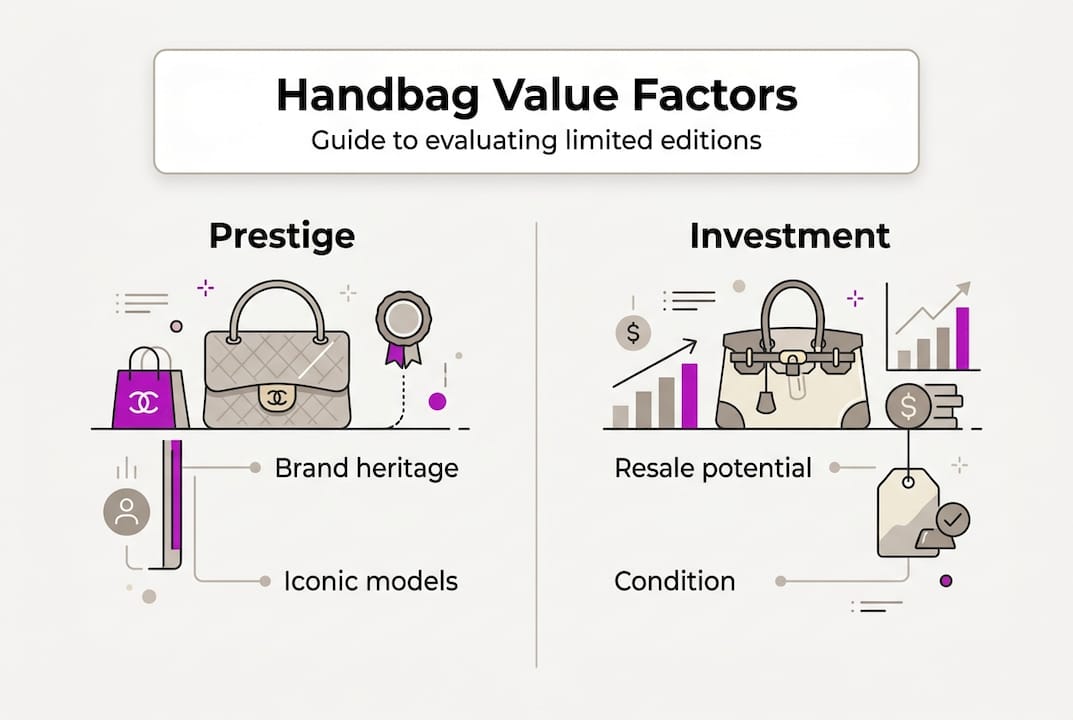
The market offers reliable benchmarks to guide your choices. Empirical indices like Rebag Clair and Bag30 track luxury resale performance across brands and models, giving collectors data-driven insight into which pieces are appreciating and which are softening. Treat these tools the way a stock investor treats market indices: as directional signals, not guarantees.
For a curated view of what is performing in 2026, the must-have luxury bags 2026 guide offers a focused starting point.
Here is a step-by-step approach to building your first investment-grade collection:
- Define your budget and holding period. Short-term flipping requires different models than a decade-long collection strategy.
- Study top-performing models. Birkin 25 and 30, Kelly Mini II, and neutral Togo or Epsom leather bags show the highest demand and retail retention rates.
- Research color and size demand. Smaller sizes and neutral tones consistently attract more buyers at resale.
- Track celebrity and cultural influence. High-profile appearances can spike short-term demand, but classics sustain value independently.
- Start with proven performers. Build your foundation with established models before exploring experimental limited editions.
Pro Tip: Before committing to any purchase, cross-reference the model’s resale history on at least two platforms. Auction results from Christie’s or Sotheby’s alongside secondary market data give you a fuller picture of true demand.
For a detailed breakdown of one of the most coveted models, the expert guide to Hermès Birkin covers sizing, leather selection, and sourcing strategy. You can also explore Kelly bag value to understand why this model remains a cornerstone of serious collections.
Acquiring: Where and how to buy authentic limited edition handbags
Knowing what to buy is only half the challenge. Finding it, verifying it, and securing it at a fair price requires a disciplined approach across multiple sourcing channels.
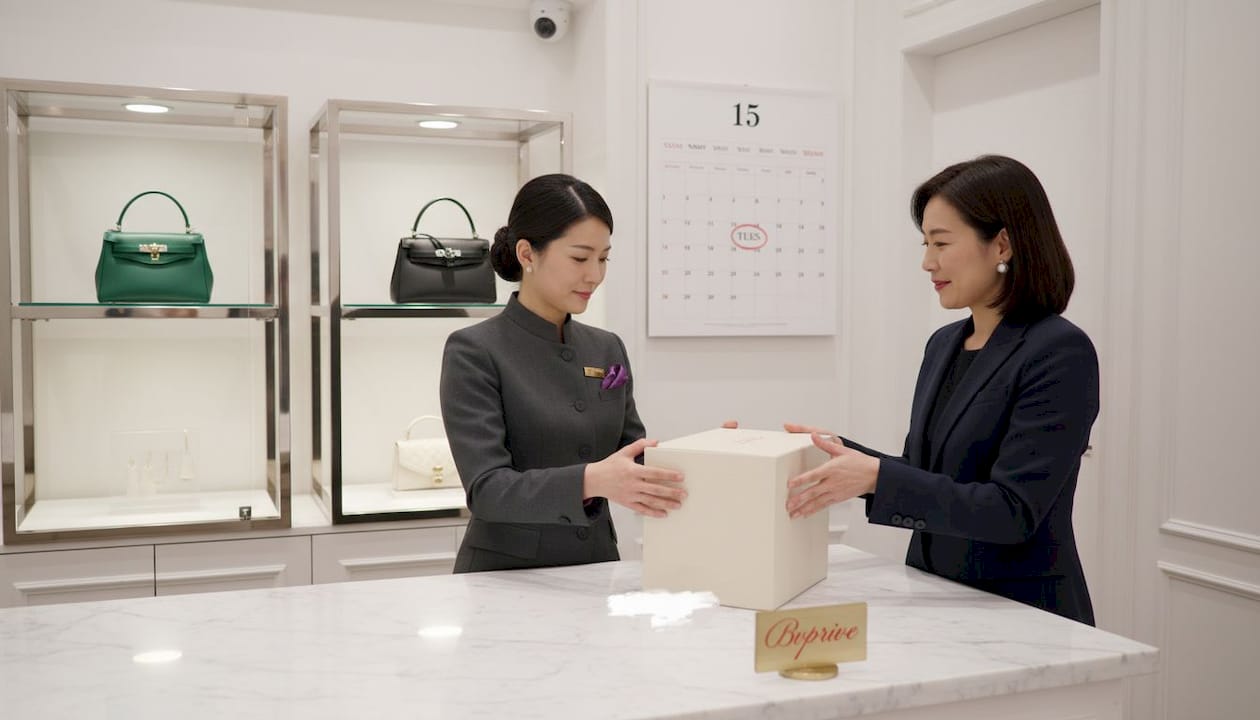
Primary market: Boutique relationships are everything. Hermès, in particular, operates on a purchase history model, meaning the brand rewards loyal clients who have spent consistently across categories. Building a relationship with a boutique sales associate over time is the most reliable path to accessing waitlisted or allocated pieces.
Secondary market: Reputable resellers, established auction houses, and vetted peer-to-peer platforms all offer access to rare pieces. The key is due diligence. Professional authentication inspects stitching, hardware, serials, and materials, and AI-powered tools like Entrupy are increasingly used for complex or high-value cases.
Here is how to acquire safely:
- Verify seller reputation. Check reviews, return policies, and authentication guarantees before committing.
- Request full documentation. Original receipts, dust bags, and authentication cards are non-negotiable for investment-grade pieces.
- Use professional authentication. Never rely solely on photos. Physical inspection or a certified service is essential.
- Compare pricing across channels. Significant underpricing is a red flag, not a bargain.
Pro Tip: Cross-verify with at least two independent authentication services for any piece above $10,000. The cost of a second opinion is negligible compared to the risk of acquiring a sophisticated counterfeit.
For a thorough walkthrough of the verification process, the guide on authenticating luxury bags covers every step in detail. You can also learn how to spot genuine Hermès bags and understand the full resale workflow for luxury handbags when the time comes to sell.
Authenticating and maintaining your collection
Acquiring a rare piece is only the beginning. Protecting its condition and authenticity over time is what separates a depreciating accessory from a growing asset.
“Authenticate regularly and maintain careful documentation. Personalized features or non-original repairs can severely reduce resale value.” — Authentication experts
Proper storage is often underestimated. Leather reacts to its environment. Heat, humidity, and direct sunlight cause irreversible damage. Here is how to store your collection correctly:
- Climate control: Store bags at room temperature, away from radiators and air conditioning vents
- Dust protection: Keep each bag in its original dust bag, stuffed lightly to maintain shape
- Light exposure: Avoid direct sunlight, which fades color and dries out leather over time
- Humidity management: Use silica gel packets inside storage areas to prevent moisture damage
- Separation: Never stack bags or allow hardware to press against leather surfaces
Handling matters just as much as storage. Perfumes, hand creams, and natural skin oils transfer onto leather and cause staining that is difficult or impossible to reverse. Always handle your bags with clean, dry hands.
For professional maintenance, always use brand-authorized service centers. Third-party repairs, even skilled ones, can reduce resale value significantly. The same applies to conditioning products: use only those recommended by the original brand. For ongoing verification, revisit luxury bag authentication steps to ensure your documentation stays current.
Tracking performance and navigating risks
Owning a collection is an ongoing responsibility. Markets shift, trends evolve, and the value of individual pieces can move in unexpected directions. Staying informed is not optional for serious collectors.
Use tools like the Bag30 index to benchmark your collection’s performance against broader luxury market trends. Auction results from major houses provide real-time data on what buyers are actually paying, not just asking prices on resale platforms.
Key risks every collector should understand:
- Illiquidity: Unlike stocks, selling a handbag takes time. Rushed sales almost always mean lower prices.
- Trend sensitivity: Limited editions may not always appreciate; classics carry more reliable long-term value.
- Counterfeit risk: The sophistication of fakes increases every year, making ongoing authentication essential.
- Market corrections: Luxury handbags, including Hermès, face volatility and liquidity risks that intensified post-pandemic.
- Over-concentration: Handbag portfolios work best as 5 to 10% satellite assets within a broader investment strategy.
Pro Tip: Let passion lead your acquisitions, but let data guide your exits. The collectors who achieve the best returns are those who buy what they genuinely love and sell when market data, not emotion, signals the right moment.
For broader context on building a resilient collection, the designer handbag buying advice resource offers practical frameworks for collectors at every level.
Build your dream collection with expert support
Building a collection that delivers both personal satisfaction and financial returns requires more than good taste. It demands access to authenticated inventory, market intelligence, and trusted sourcing relationships.
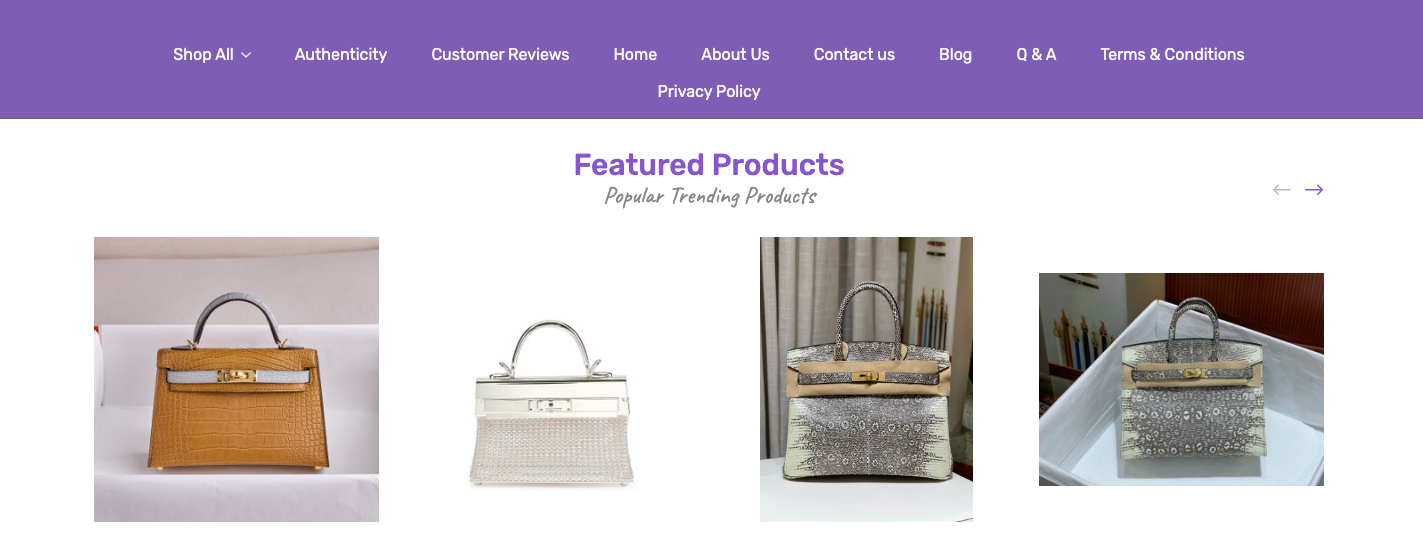
At BV Privé, we specialize in exactly that. Our curated platform offers authenticated, rare, and limited-edition pieces from Hermès, Chanel, Louis Vuitton, Fendi, and Christian Dior, each verified for authenticity and condition before it reaches you. Whether you are building your first serious collection or adding a rare find to an established portfolio, our VIP personal shopping service connects you with the pieces that match your goals. Explore our latest curated listings and let our experts guide your next acquisition with confidence.
Frequently asked questions
Which designer handbags hold their value best?
Classic Hermès models in neutral colors and durable leathers, particularly the Birkin and Kelly, consistently outperform other brands and styles in both resale value and long-term appreciation.
How do I verify a limited edition handbag’s authenticity?
Use professional authentication services that physically inspect stitching, hardware, serial numbers, and materials. For high-value or rare editions, AI-powered tools like Entrupy provide an additional layer of verification.
Are limited edition handbags a good investment in 2026?
Top models from established houses can deliver strong returns, but luxury handbags face volatility and liquidity risks that make them best suited as a small portion of a diversified portfolio rather than a primary investment vehicle.
Does personalization decrease a handbag’s value?
Yes. Bags with initials, custom hardware, or significant modifications lose 40 to 60% of resale value compared to unaltered originals, making customization a costly choice for collectors focused on long-term returns.