


Collectible Handbags: Why Rarity Drives Value
BVPRIVE Editorial Team on 6th Feb 2026
Collectible Handbags: Why Rarity Drives Value
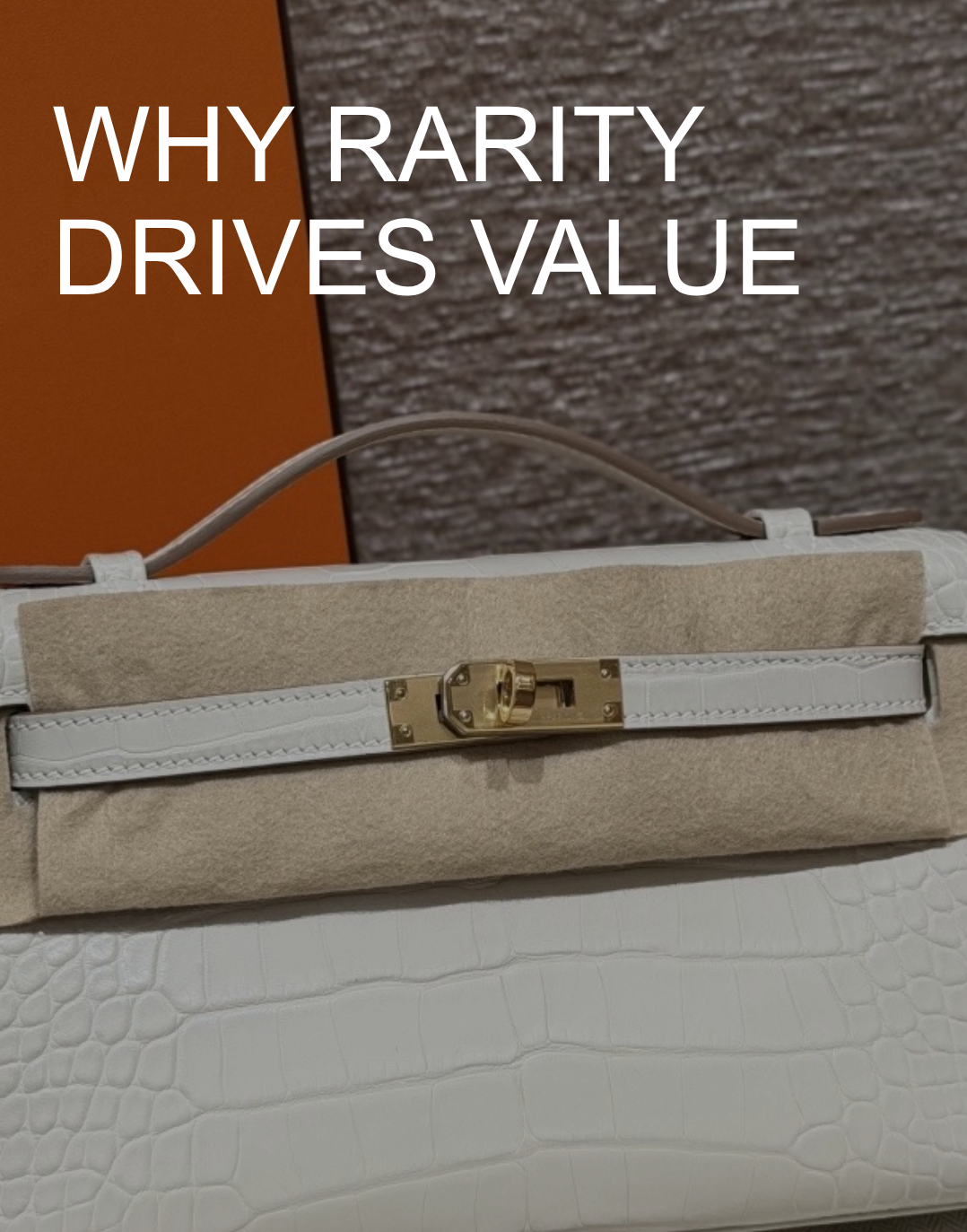
Owning a truly rare Hermès or Chanel piece is more than acquiring another luxury bag—it means securing a slice of cultural history and personal distinction. For those who live at the intersection of passion and investment, the world of collectible handbags is full of both allure and confusion, as myths often cloud real value. This guide spotlights what sets a genuine collectible apart, revealing how a blend of exclusivity and rarity transforms these sought-after accessories into assets with lasting significance.
Table of Contents
- Defining Collectible Handbag And Common Myths
- Types Of Collectible Luxury Handbags
- Key Characteristics And Materials Used
- Authentication And Preservation Standards
- Investment Value, Risks, And Alternatives
Key Takeaways
| Point | Details |
|---|---|
| Defining Collectible Handbags | Collectible handbags are strategic investment pieces characterized by limited production, exceptional craftsmanship, and historical value, not merely expensive fashion items. |
| Types of Collectible Luxury Handbags | The most sought-after categories include Hermès and Chanel bags, limited edition pieces, vintage designs, and exotic leather editions, all with unique attributes that enhance their collectibility. |
| Authentication and Preservation Standards | Rigorous authentication processes and proper preservation techniques are essential to ensure the authenticity and maintain the value of collectible handbags, protecting against counterfeiting. |
| Investment Value and Risks | Collectible handbags offer unique investment potential, but investors must consider factors like market trends, rarity, and condition to minimize risks and maximize returns. |
Defining Collectible Handbag and Common Myths
In the intricate world of luxury accessories, understanding collectible handbags requires distinguishing between mere fashion items and genuine investment pieces. Handbag cultural significance extends far beyond simple utility, transforming these accessories into complex artifacts of social status and personal identity.
Collectible handbags are not simply expensive accessories, but strategic assets with specific characteristics that elevate their value. Key defining attributes include:
- Limited production quantities
- Exceptional craftsmanship
- Unique design elements
- Historical or brand significance
- Superior materials and construction
Many collectors mistakenly believe that high price automatically equals collectibility. However, true collectible status emerges from a nuanced combination of rarity and exclusivity that transcends mere monetary value.
Common myths surrounding collectible handbags often mislead potential investors. For instance, not every designer bag appreciates in value, and purchasing solely based on brand name can lead to disappointing investment outcomes. The most sought-after pieces typically represent a perfect storm of design innovation, brand heritage, and scarcity.
Pro tip: Research authentication processes and track historical price trends before investing in a potentially collectible handbag to minimize financial risks.
Types of Collectible Luxury Handbags
In the realm of luxury accessories, not all handbags are created equal. Luxury handbag categories represent distinct tiers of collectibility, each with unique characteristics that distinguish them from standard fashion accessories.
The most coveted collectible luxury handbags typically fall into several prestigious categories:
- Hermès Birkin and Kelly Bags: Ultimate status symbols
- Chanel Classic Flap and 2.55 Bags: Iconic design heritage
- Limited Edition Runway Pieces: Rare artistic expressions
- Vintage Designer Bags: Historical significance
- Exotic Leather Editions: Exceptional material rarity
Luxury market research reveals that collectible status emerges from a sophisticated interplay of brand reputation, production scarcity, and design innovation. Hermès Birkin bags, for instance, represent the pinnacle of collectibility, with waiting lists and production quantities that create extraordinary market demand.
Beyond brand recognition, true collectible handbags differentiate themselves through intrinsic qualities like exceptional craftsmanship, unique design elements, and profound cultural significance. Vintage pieces from iconic designers like Chanel or rare runway collections often appreciate most dramatically, representing both artistic and financial investments.
Pro tip: Always verify authentication and original provenance when considering high-value collectible handbags to ensure genuine investment potential.
Key Characteristics and Materials Used
Collectible handbag materials represent far more than simple fabric selections—they are intricate statements of luxury, craftsmanship, and investment potential. The most exceptional handbags transcend mere accessories, becoming veritable works of art with carefully curated components.
The most prized materials in collectible luxury handbags include:
- Exotic Leathers
- Crocodile skin
- Rare python
- Ostrich leather
- Precious Metal Hardware
- 18-karat gold
- Palladium
- Rhodium-plated accents
- Specialty Fabric Compositions
- Hand-woven silk
- Limited edition canvas
- Vintage brocade materials
Luxury market research reveals that material quality directly correlates with a handbag’s perceived value and collectible status. The rarity of materials, combined with exceptional craftsmanship, transforms these accessories from simple fashion items into high-value investment pieces.
Authentic collectible handbags distinguish themselves through meticulous construction techniques. Each stitch, hardware component, and material selection undergoes rigorous quality control, ensuring that only the most exceptional pieces earn true collector status. Vintage and limited-edition pieces featuring extraordinary materials like hand-sourced exotic leathers or intricate embellishments often command the highest market values.
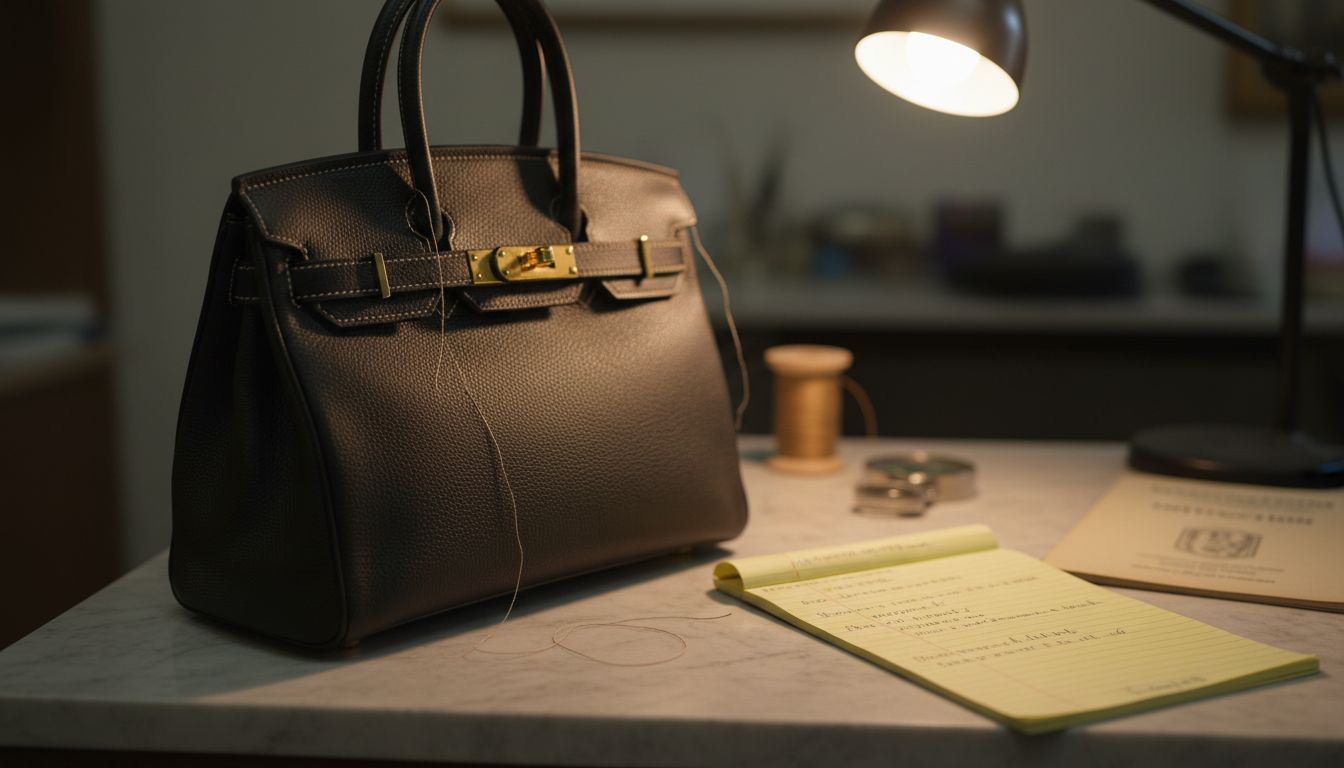
Pro tip: Always examine hardware, stitching, and material quality under natural light to assess a collectible handbag’s true craftsmanship and potential investment value.
Authentication and Preservation Standards
Authentication processes represent the critical defense against counterfeiting and value erosion in the collectible handbag marketplace. These rigorous verification techniques go far beyond simple visual inspection, involving sophisticated multi-point examinations that scrutinize every aspect of a luxury handbag’s provenance and integrity.
Key authentication criteria include:
- Material Analysis
- Leather grain consistency
- Hardware metallurgical composition
- Thread and stitching quality
- Structural Verification
- Precise measurements
- Manufacturing technique assessment
- Interior lining and stamp authenticity
- Provenance Documentation
- Original purchase receipts
- Serial number tracking
- Manufacturer certifications
Luxury market preservation techniques are equally complex, focusing on maintaining a handbag’s pristine condition and investment potential. Proper storage involves controlling environmental factors like humidity, temperature, and light exposure to prevent material degradation and preserve the item’s original aesthetic and structural integrity.
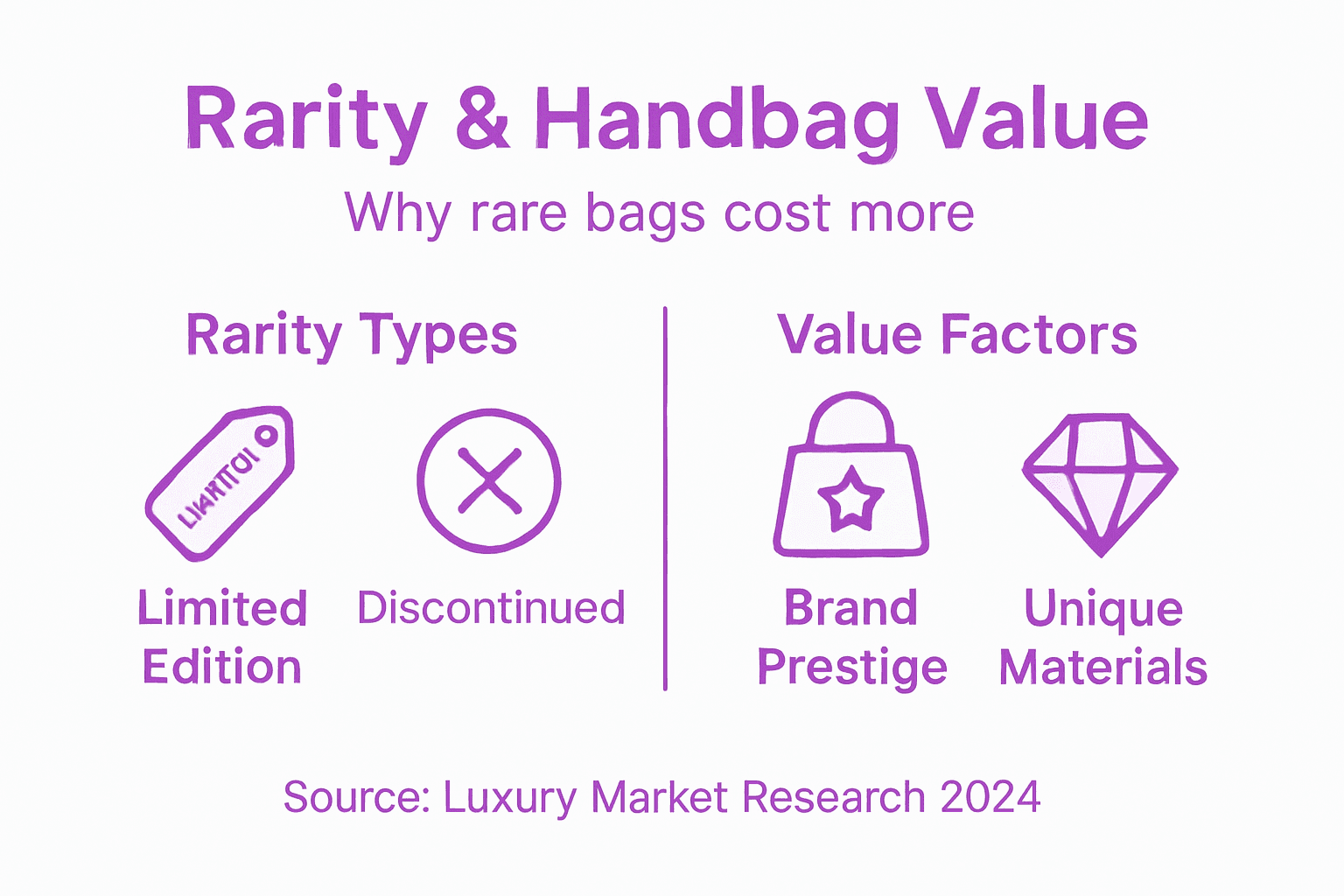
Authentication experts employ forensic-level techniques including microscopic material analysis, digital imaging comparison, and cross-referencing with manufacturer databases. These methods protect collectors from sophisticated counterfeiting operations and ensure that only genuine, high-quality pieces enter the investment-grade market.
Below is a summary comparing key authentication methods for collectible handbags:
| Method | Description | Reliability Level |
|---|---|---|
| Forensic Material Scan | Analyzes leather and hardware | Very High |
| Digital Database Check | Confirms serial numbers/provenance | High |
| Expert Visual Inspection | Evaluates stitches and structure | Moderate |
| Receipt Verification | Tracks original ownership | Moderate |
Pro tip: Store authenticated luxury handbags in climate-controlled environments using acid-free archival tissue and dust bags to prevent material deterioration and maintain their collector’s value.
Investment Value, Risks, and Alternatives
Investment strategies for luxury handbags represent a sophisticated approach to alternative asset management that goes beyond traditional financial instruments. Luxury handbags offer unique investment potential, combining aesthetic pleasure with potential financial appreciation.
Key investment considerations include:
- Financial Potential
- Historical price appreciation
- Limited edition value
- Auction market performance
- Risk Factors
- Market volatility
- Counterfeiting risks
- Condition-dependent valuation
- Alternative Investment Comparisons
- Lower correlation with stock markets
- Tangible asset value
- Personal utility beyond financial returns
Collectible asset valuation demonstrates that luxury handbags are not just fashion statements but complex investment vehicles. The most successful collectors understand that value extends beyond monetary considerations, incorporating elements of rarity, cultural significance, and personal emotional connection.
Savvy investors approach luxury handbag investments with a strategic mindset, recognizing that not all pieces appreciate equally. Factors like brand reputation, condition, provenance, and market trends significantly impact potential returns. Some rare Hermès Birkin bags, for instance, have outperformed traditional investment vehicles, showing remarkable long-term value appreciation.
Here’s a comparison of investment aspects between collectible handbags and traditional assets:
| Aspect | Collectible Handbags | Traditional Investments |
|---|---|---|
| Liquidity | Moderate, auction-based | High, stocks/bonds |
| Value Appreciation | Driven by rarity/design | Driven by market trends |
| Ownership Experience | Tangible, aesthetic | Intangible, abstract |
| Counterfeit Risk | High, requires expertise | Low, regulated markets |
| Diversification Value | Unique, low correlation | Standard portfolio |
Pro tip: Diversify your luxury handbag investment portfolio by selecting pieces from multiple brands and eras, and always maintain detailed documentation to maximize potential resale value.
Unlock the True Value of Collectible Handbags with Expertly Curated Luxury
Understanding why rarity drives value in collectible handbags can be challenging when faced with issues like authentication, provenance, and material quality. This article highlights the importance of exclusivity and craftsmanship in elevating a handbag from a basic accessory to a coveted investment piece. If you seek to overcome the risks of counterfeit products and uncertain investments, owning a genuine limited-edition Hermès Birkin or a Chanel 2.55 crafted from exotic leather could transform your collection and financial outlook.
Explore a handpicked selection of rare and authentic luxury handbags at BV Prive. Our collection features exclusive models renowned for their scarcity and cultural significance, perfectly aligning with the principles of collectible investment outlined here. Experience the peace of mind that comes with rigorous authenticity verification alongside tax-free worldwide delivery and VIP personal shopping services.
Ready to elevate your luxury collection with timeless and rare handbags designed to appreciate in value?

Visit BV Prive today and discover how exclusive craftsmanship and rarity can secure your luxury investment. Don’t miss the chance to own premium collectible handbags backed by provenance and expert support. Start your journey now to invest in authenticity, rarity, and prestige.
Frequently Asked Questions
What defines a collectible handbag?
Collectible handbags are distinguished by limited production quantities, exceptional craftsmanship, unique design elements, historical or brand significance, and superior materials. They are considered strategic assets rather than just fashion items.
Why does rarity drive the value of collectible handbags?
Rarity drives value because limited availability creates demand among collectors and investors. Unique designs and historical significance further enhance desirability, making these handbags more valuable over time.
How can I verify the authenticity of a collectible handbag?
To verify authenticity, check material quality, structural integrity, and provenance documentation. Expert visual inspections, forensic material scans, and digital database checks are crucial methods used to combat counterfeiting.
What materials are typically used in high-value collectible handbags?
High-value collectible handbags often feature exotic leathers like crocodile and python, precious metal hardware, and specialty fabrics such as hand-woven silk and vintage brocade. These materials significantly contribute to the perceived value and collectibility of the handbag.
Recommended
- What Is a Luxury Handbag and Why It Matters - BVPRIVE
- Why Invest in Luxury Bags: Value Beyond Style - BVPRIVE
- 7 Benefits of Investing in Designer Bags for Collectors - BVPRIVE
- What Is a Birkin Bag and Why It’s Coveted - BVPRIVE
- Limited Edition Anime Shirts: Why They Matter – IGZ Clothing
- Diamond Carat Explained: Choosing Ethically Smart Gems – Eternal Carat