



What Is Birkin Resale Value? 2-3× Retail Premium 2026
BVPRIVE Editorial Team on 2nd Mar 2026
What Is Birkin Resale Value? 2-3× Retail Premium 2026

Birkin bags resell at prices two to three times their original retail cost, creating a unique investment opportunity in 2026. This secondary market premium reflects scarcity, craftsmanship, and collector demand that elevates Birkins beyond typical luxury bags for savvy collectors. Understanding these resale dynamics helps you maximize value whether buying or selling.
Table of Contents
- Introduction To Birkin Bag Resale Value
- Birkin Bag Pricing Landscape And Retail Values
- Secondary Market Dynamics And Resale Premiums
- Factors Influencing Birkin Resale Value
- Investment Potential And Historical Appreciation
- Common Misconceptions About Birkin Resale Value
- How To Buy And Sell Birkins For Best Value
- Summary And Strategic Takeaways For Luxury Collectors
- Explore Luxury Handbag Investments With BVPRIVE
- Frequently Asked Questions
Key Takeaways
| Point | Details |
|---|---|
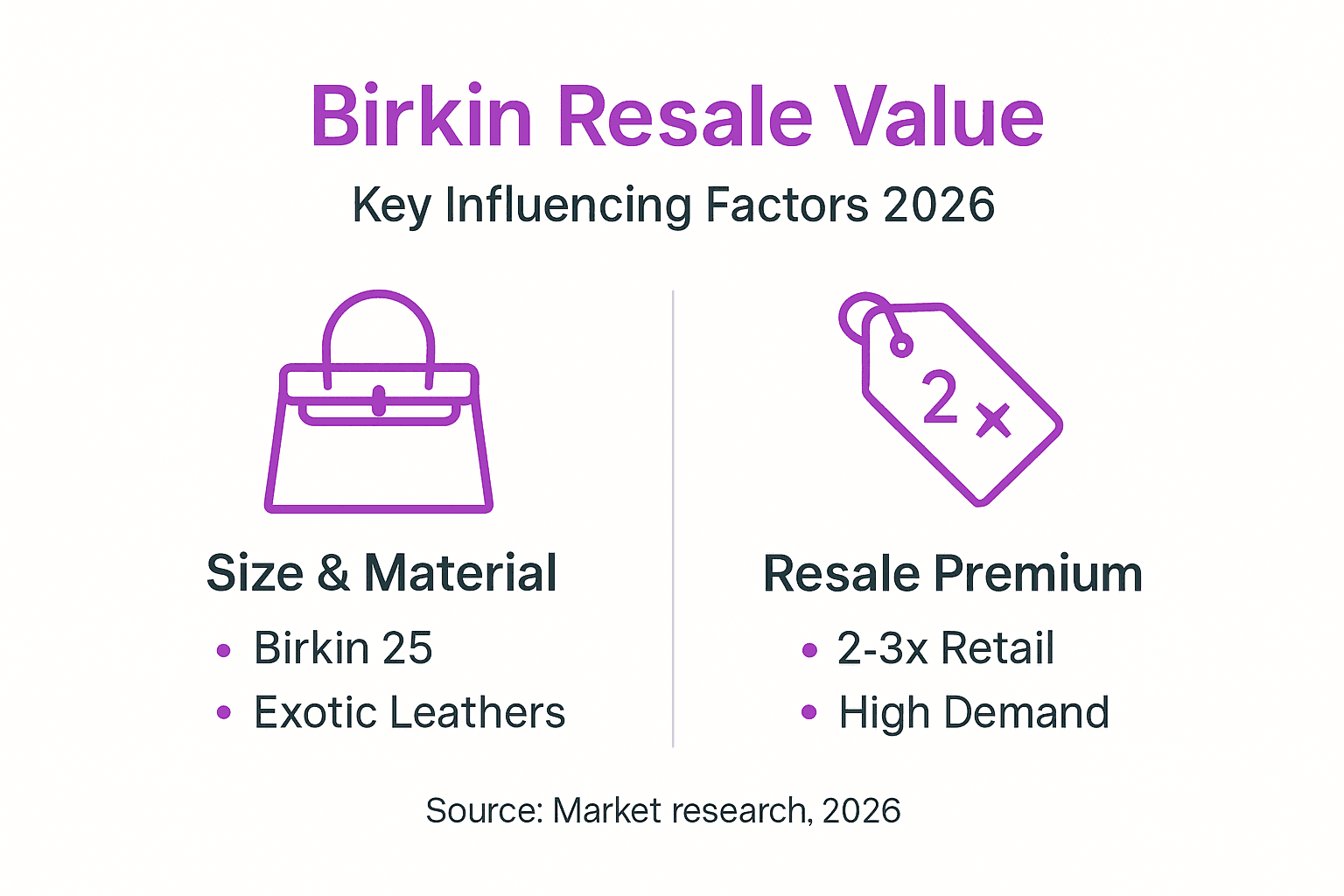
| Resale Premium | Birkin bags commonly resell for 2 to 3 times their retail price in pristine condition. |
| Size Matters | Smaller Birkin 25 sizes command higher resale premiums than larger versions due to scarcity. |
| Material Impact | Exotic leathers like crocodile can exceed six figures in secondary market value. |
| Investment Returns | Historical appreciation of 92% over 10 years outperforms gold and traditional assets. |
| Authentication Critical | Professional verification and condition grading directly determine final resale price. |
Introduction to Birkin Bag Resale Value
Birkin bags function as both status symbols and high-performing financial assets in 2026. These handcrafted Hermès pieces maintain exceptional secondary market prices due to controlled retail distribution that creates perpetual scarcity. Unlike mass-produced luxury items that depreciate after purchase, Birkin bags serve as investment assets with resale prices often exceeding retail.
The Birkin’s journey from exclusive fashion accessory to recognized investment vehicle began decades ago when collectors noticed consistent price appreciation. Today, these bags compete with traditional stores of value like precious metals and fine art. The 2026 market shows continued strength as Hermès maintains strict production limits while global demand rises.
Key resale drivers include:
- Artisan craftsmanship requiring 18 to 25 hours per bag
- Limited annual production creating structural scarcity
- Brand prestige and cultural cachet among affluent buyers
- Durable materials that maintain condition over decades
- Authentication systems protecting buyer confidence
These factors separate Birkins from typical savvy luxury collectors’ purchases. Understanding Birkin investment returns requires examining both retail baselines and secondary market premiums.
Birkin Bag Pricing Landscape and Retail Values
Hermès retail prices establish the foundation for resale calculations. As of early 2026, retail Birkin 25 in Togo leather costs approximately $13,500 in the U.S. and around €9,600 in Europe, with larger sizes priced proportionally higher. These figures reflect a 6 to 9 percent increase over 2025 levels as Hermès adjusts for material costs and demand pressure.
Retail pricing varies by size and geography:
| Birkin Size | U.S. Retail (Togo) | Europe Retail (Togo) |
|---|---|---|
| Birkin 25 | $13,500 | €9,600 |
| Birkin 30 | $14,800 | €10,400 |
| Birkin 35 | $15,900 | €11,200 |
Hermès maintains premium pricing through controlled supply. Boutiques rarely have Birkins available for walk-in customers. The brand allocates inventory to established clients with purchase histories, creating waitlists that span months or years. This artificial scarcity sustains retail prices and amplifies secondary market premiums.
Regional differences reflect currency fluctuations and local tax structures. European prices exclude VAT for international buyers, sometimes offering savings over U.S. purchases. Understanding these retail baselines proves essential when choosing your Birkin bag and evaluating resale opportunities. The gap between retail cost and secondary market reality drives investment appeal.
Pro Tip: Track 2026 Hermès retail prices throughout the year as periodic increases affect your baseline calculations for resale premiums.
Secondary Market Dynamics and Resale Premiums
The secondary luxury handbag market operates on supply-demand imbalances that Hermès deliberately maintains. Retail scarcity forces buyers toward resellers, auction houses, and consignment platforms where prices reflect true market clearing rates rather than manufacturer-set retail. Store-new classic leather Birkin bags commonly resell for two to three times their original retail price, with pristine condition examples fetching $25,000 to $35,000.
Authentication and provenance critically impact these premiums. Buyers pay top dollar only when confident in legitimacy and condition. Professional authentication services examine stitching, hardware, stamps, and materials to verify genuine Hermès craftsmanship. Documented purchase history from authorized boutiques adds value by proving origin.
Secondary market pricing follows predictable patterns:
- Store-new condition commands highest premiums at 2.5 to 3 times retail
- Excellent condition with minimal wear sells for 2 to 2.5 times retail
- Good condition showing use reaches 1.5 to 2 times retail
- Fair condition requires restoration and sells near or below retail
Scarcity creates urgency among buyers who cannot access retail channels. Some collectors wait years for boutique offers that never materialize. Secondary markets solve this problem instantly, justifying premium pricing. Working with designer bag reseller options provides access to authenticated inventory that bypasses retail waitlists.
Pro Tip: Timing matters when selling. Spring and fall align with fashion season transitions when buyer activity peaks and Birkin resale market statistics show highest clearing prices.
Factors Influencing Birkin Resale Value
Size dramatically affects resale performance. Smaller Birkin 25 sizes often command higher resale prices than larger sizes due to scarcity and versatility for different occasions. The compact dimensions appeal to collectors seeking daily-use pieces while maintaining investment value. Conversely, Birkin 40 and larger sizes serve niche preferences, limiting buyer pools and resale potential.
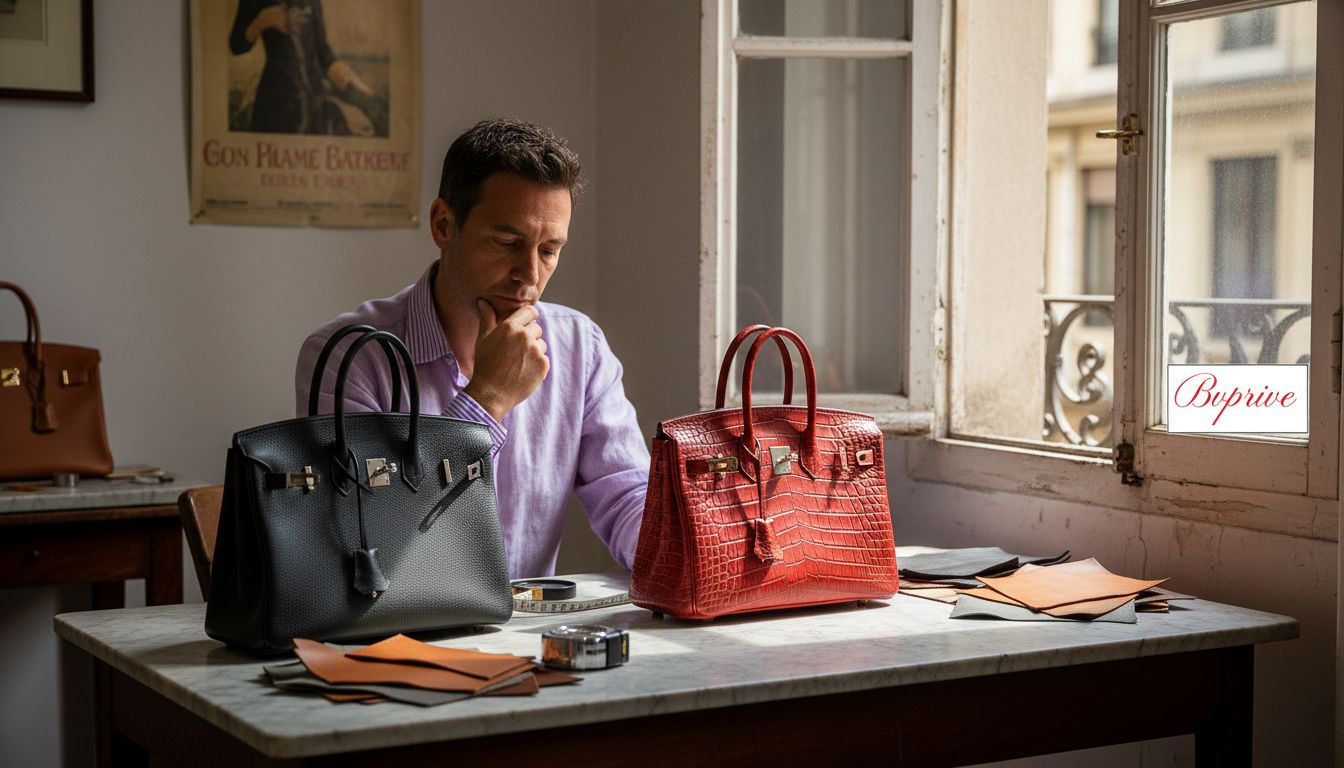
Material selection creates the widest value ranges. Standard Togo and Clemence leathers establish baseline premiums, while exotic skins multiply prices exponentially:
| Material Type | Typical Resale Multiple | Secondary Market Range |
|---|---|---|
| Togo Leather | 2 to 3× retail | $25,000 to $35,000 |
| Crocodile Porosus | 4 to 6× retail | $80,000 to $150,000+ |
| Alligator Mississippiensis | 4 to 5× retail | $70,000 to $120,000+ |
| Ostrich | 2.5 to 3.5× retail | $35,000 to $50,000 |
Color rarity amplifies or diminishes value. Neutral shades like Black, Gold, and Etoupe maintain broad appeal and consistent resale strength. Limited-edition colors or seasonal releases attract premium bids from collectors completing sets. Bright or unconventional colors create polarization, sometimes commanding premiums from specific buyers while limiting overall market size.
Condition remains non-negotiable for top-tier pricing. Store-new bags with protective plastic still attached achieve maximum multiples. Minor scratches, corner wear, or hardware tarnish reduce values significantly. Authentication protects both parties by confirming genuine materials and construction that justify premium pricing. Resources like authenticating luxury bags guide explain verification processes that buyers demand.
Key value drivers include:
- Dust bag, box, and original receipt presence
- Blind stamps indicating production year and workshop
- Hardware condition without scratches or fading
- Leather suppleness without cracking or stiffness
- Handle and strap integrity without stretching
Pro Tip: Understanding Birkin bag basics and desirability helps predict which combinations of size, material, and color will outperform. The impact of limited edition bags also influences long-term appreciation beyond standard offerings. Check detailed Birkin resale factors for market-specific data.
Investment Potential and Historical Appreciation
Birkin bags have appreciated approximately 92% over the last decade, outperforming gold, equities, and most alternative investments during the same period. This consistent growth reflects structural advantages: Hermès controls supply while global wealth expansion increases demand. Unlike stocks or commodities, Birkins face no technological disruption or regulatory risk.
Investment performance varies by specific attributes. Exotic leather Birkins and rare colorways appreciate faster than standard models. Limited production runs create scarcity that compounds over time as bags enter permanent collections or suffer condition deterioration. The remaining pristine examples become progressively valuable.
Key performance drivers include:
- Brand heritage spanning over 180 years of luxury craftsmanship
- Artisan production methods resistant to automation or scaling
- Cultural status as recognized wealth symbols globally
- Tangible asset class uncorrelated with financial markets
- Wearable utility providing enjoyment beyond financial returns
Market resilience during economic downturns distinguishes Birkins from volatile investments. The 2008 financial crisis and 2020 pandemic showed minimal impact on secondary pricing. Wealthy collectors maintain purchasing power during recessions and view luxury goods as stable stores of value. This stability attracts investors seeking portfolio diversification.
Historical data reveals Birkins appreciating 14% annually when held five years or longer. This outpaces inflation and matches equity index returns without market correlation. The luxury handbag investment guide explores strategies for maximizing these returns through careful acquisition and timing. Resources like Birkin historical appreciation provide decade-long performance analysis.
Common Misconceptions About Birkin Resale Value
Many assume retail price reflects true Birkin value, but controlled Hermès distribution means retail significantly underestimates secondary market reality. The boutique price represents what privileged clients pay, not what open-market buyers must offer. This gap creates the 2 to 3× premium that surprises new collectors.
Another misconception suggests all Birkins appreciate equally. Size, material, color, and condition create dramatic value differences. A well-worn Birkin 40 in an unpopular color may struggle to reach retail resale price. Meanwhile, a pristine Birkin 25 in exotic leather with rare color easily triples retail cost. Generalizing performance across all Birkins leads to poor investment decisions.
Some believe condition matters little given brand prestige. Reality shows buyers demand near-perfect condition for premium pricing. Scratches, stains, or hardware damage reduce values by thousands of dollars. Professional restoration improves appearance but rarely restores full value because collectors prefer original condition. Authentication also proves critical despite misconceptions that Hermès bags rarely face counterfeiting.
Key clarifications:
- Retail access does not guarantee immediate resale profit without holding period
- Secondary premiums reflect scarcity, not artificial manipulation
- Authentication and documentation remain essential for premium pricing
- Market timing affects clearing prices by 10 to 20 percent seasonally
- Not all colors or sizes maintain equal liquidity in secondary markets
Understanding these realities prevents overpaying for less desirable combinations or undervaluing exceptional pieces. Education separates successful collectors from those disappointed by actual resale outcomes.
How to Buy and Sell Birkins for Best Value
Boutique purchases offer retail pricing but require established client relationships and patience. Hermès sales associates track purchase histories and offer Birkins to loyal customers who buy across categories. Building this relationship takes years and substantial spending on non-bag items. Even then, specific size-material-color combinations remain elusive.
Authenticated secondary market resellers provide immediate access without waitlists. These platforms stock diverse inventory and handle authentication, allowing buyers to select exact specifications. Premium pricing over retail becomes acceptable given instant availability and choice. When choosing your expert Birkin buying guide, consider total cost including time value of waiting versus paying secondary premiums.
Selling requires strategic timing and presentation:
- Document condition with professional photography showing all angles
- Gather original purchase documentation and authentication certificates
- Time listings for spring and fall when buyer activity peaks
- Price competitively based on recent comparable sales data
- Use established platforms with buyer protection to attract serious offers
- Consider consignment with reputable dealers who access wealthy collector networks
Condition grading by professionals justifies asking prices and builds buyer confidence. Independent authentication reports from recognized services eliminate buyer hesitation about legitimacy. These investments in documentation typically return multiples through higher clearing prices and faster sales.
Pro Tip: Monitor market trends through auction results and reseller pricing. Seasonal fluctuations create buying opportunities when supply temporarily exceeds demand, then selling windows when scarcity drives premiums higher.
Summary and Strategic Takeaways for Luxury Collectors
Birkin resale value stems from controlled scarcity, exceptional craftsmanship, and enduring cultural prestige. Understanding these drivers helps collectors make informed acquisition and disposition decisions. Size, material, color, and condition create value ranges from retail-level to multiple six figures. Market knowledge separates profitable investments from disappointing outcomes.
Realistic assessment requires comparing specific attributes against recent comparable sales. Retail pricing establishes baselines, but secondary premiums reflect true market clearing rates. Professional authentication and condition documentation prove essential for achieving top-tier prices. Timing transactions around seasonal demand patterns optimizes returns.
Strategic approaches include:
- Prioritizing smaller sizes and exotic materials for highest appreciation potential
- Maintaining pristine condition through proper storage and minimal wear
- Building authentication documentation from purchase through ownership
- Monitoring market trends to identify optimal buying and selling windows
- Diversifying across multiple pieces to balance liquidity and growth
Viewing Birkins as both luxury goods and financial assets requires balancing enjoyment with investment discipline. These pieces provide daily utility and aesthetic pleasure while appreciating in value. This dual benefit distinguishes Birkins from purely financial investments that generate returns without tangible satisfaction.
Success requires education, patience, and strategic thinking. Market knowledge prevents overpaying for undesirable combinations while identifying undervalued opportunities. The combination of scarcity economics and luxury brand strength suggests continued appreciation for properly selected Birkins in 2026 and beyond.
Explore Luxury Handbag Investments With BVPRIVE
Navigating Birkin investments requires expertise in authentication, valuation, and market timing. BVPRIVE specializes in connecting collectors with authenticated luxury handbags, including rare Birkin models across sizes and materials. Our verification processes ensure every piece meets the highest standards of authenticity and condition.
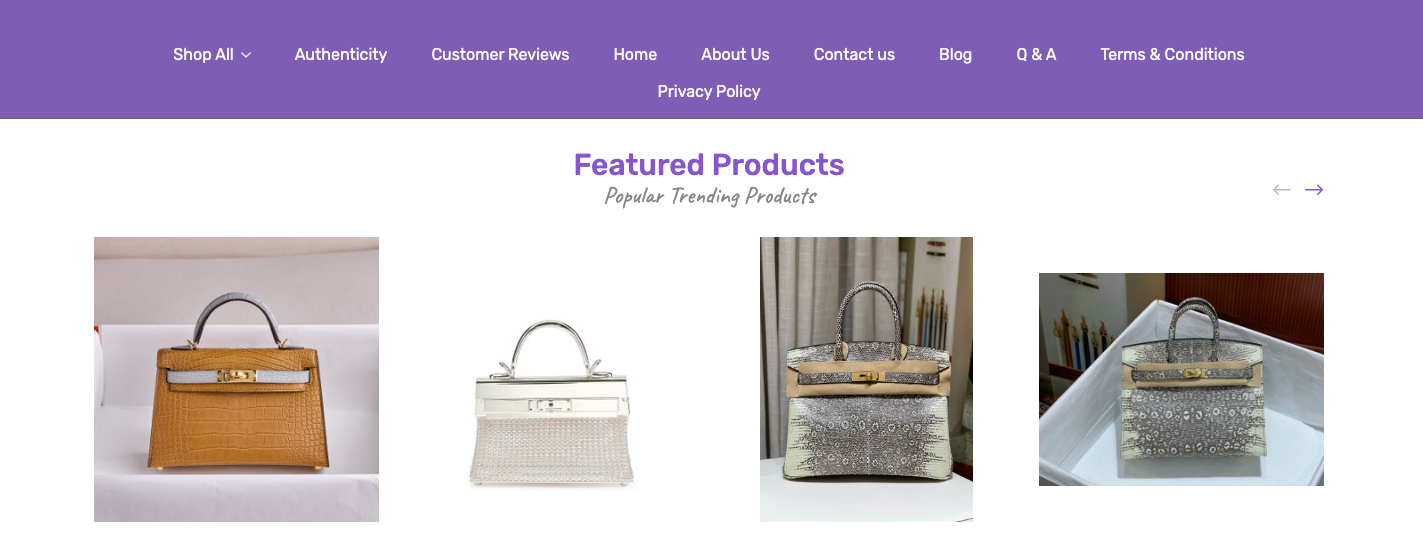
Access curated selections of Birkins at our Hermès catalog featuring exotic leathers, limited editions, and classic colorways. Our luxury handbag investment guide provides strategies for maximizing returns, while our expert Birkin buying guide helps identify optimal combinations. Partner with trusted designer bag resellers who understand secondary market dynamics and protect your investment through professional authentication and transparent pricing.
Frequently Asked Questions
How much does a Birkin bag typically resell for compared to retail?
Store-new classic leather Birkins resell for two to three times their original retail price, often in the $25,000 to $35,000 range for pristine Togo leather examples. This premium reflects controlled retail distribution creating secondary market scarcity. Exotic materials and rare colors command even higher multiples, sometimes reaching four to six times retail for crocodile or alligator skins in exceptional condition.
Which Birkin sizes and materials have the highest resale value?
Birkin 25 sizes and exotic materials like crocodile skins command significantly higher resale premiums than standard offerings. The compact 25 size appeals to collectors seeking versatile daily-use pieces while maintaining scarcity. Exotic leathers create dramatic value increases, with pristine crocodile Birkins regularly exceeding $100,000 in secondary markets. Understanding these Birkin bag features helps predict which combinations outperform over time.
How can I verify the authenticity and condition of a Birkin before buying or selling?
Use professional authentication services that examine stitching patterns, hardware stamps, leather quality, and construction details against Hermès standards. Verify provenance through original purchase receipts, dust bags, and boxes that document boutique origin. Professional condition grading assesses wear, scratches, and structural integrity to establish accurate valuations. Resources like our luxury bag authentication guide explain verification processes that protect buyers and justify premium pricing.
Do Birkin bags maintain value during economic downturns?
Birkins demonstrate remarkable resilience during recessions because wealthy collectors maintain purchasing power and view luxury goods as stable value stores. Historical data from 2008 and 2020 crises shows minimal secondary market price impact compared to traditional assets. The combination of controlled supply, enduring prestige, and tangible utility creates investment characteristics uncorrelated with financial markets, making Birkins effective portfolio diversifiers during economic uncertainty.
What factors should I consider when timing a Birkin sale?
Seasonal demand patterns show spring and fall generating highest buyer activity aligned with fashion transitions. Monitor recent auction results and reseller pricing to identify when your specific size-material-color combination commands premiums. Supply-demand imbalances fluctuate monthly, creating windows when scarcity drives exceptional clearing prices. Professional presentation with authentication documentation and condition reports attracts serious buyers willing to pay premium pricing for verified quality and immediate availability.